Birch Tree in a Landscape — History & Analysis
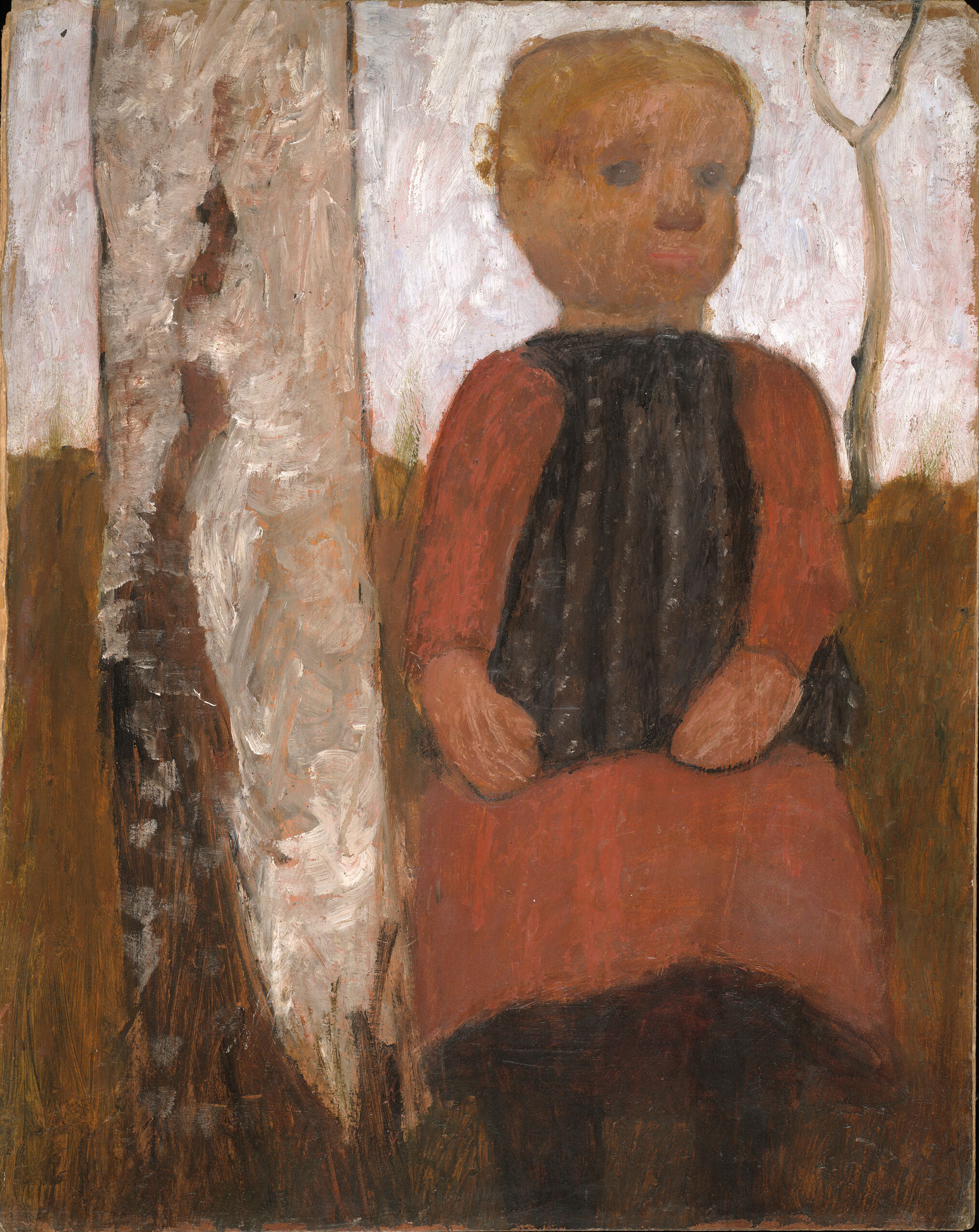
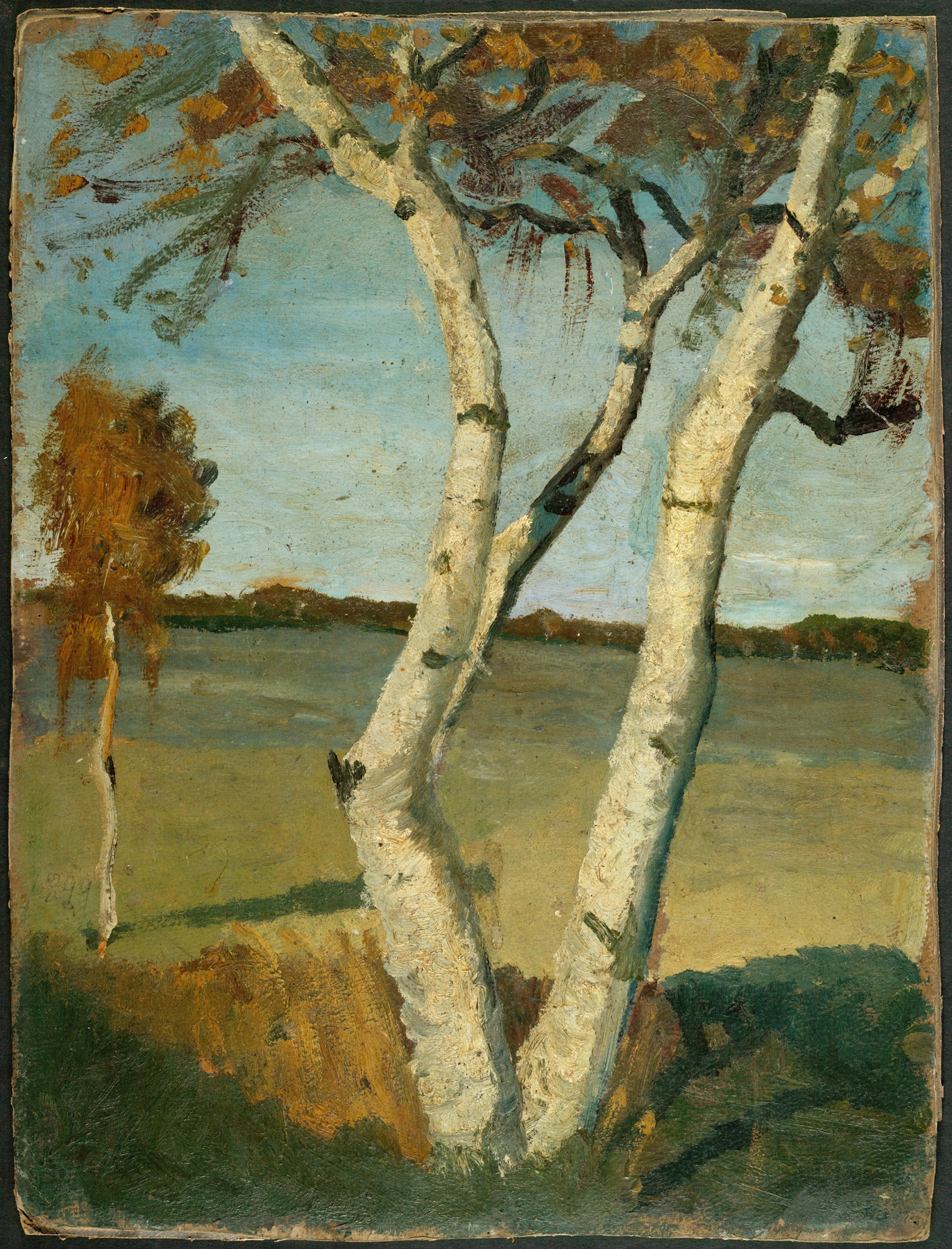
What if silence could speak through light? In Birch Tree in a Landscape, the soft interplay of shadows and highlights evokes a profound meditation on mortality and existence itself. Look to the center of the composition, where the birch tree stands tall and solitary. Its white bark, textured with delicate brush strokes, contrasts sharply against the lush greens and browns that envelop it.
Notice how the light filters through the leaves, creating dappled patterns on the ground, illuminating the earth below while leaving the surrounding areas in gentle shadow. This careful manipulation of color not only emphasizes the tree's vibrancy but also serves to enhance the feeling of isolation inherent in the scene. Delve deeper into the details: the gentle sway of the branches hints at a whisper in the wind, suggesting a fleeting moment captured in time. The contrasting colors evoke a sense of life pulsing against the inevitability of decay, and the solitary tree becomes a poignant symbol of resilience amidst nature's cycle.
Each brushstroke reverberates with an awareness of impermanence, suggesting that within beauty lies the inevitability of change and loss. In 1899, Paula Modersohn-Becker created this work during her time in Worpswede, Germany, a village that became an artist colony. At this point in her life, she was deeply influenced by the burgeoning expressionist movement and her personal explorations of identity and spirituality. The world of art was shifting, moving away from realism towards more emotive representations, and Modersohn-Becker's work stands as a testament to this transformative period, capturing the essence of existence through the lens of nature.