Häuser — History & Analysis
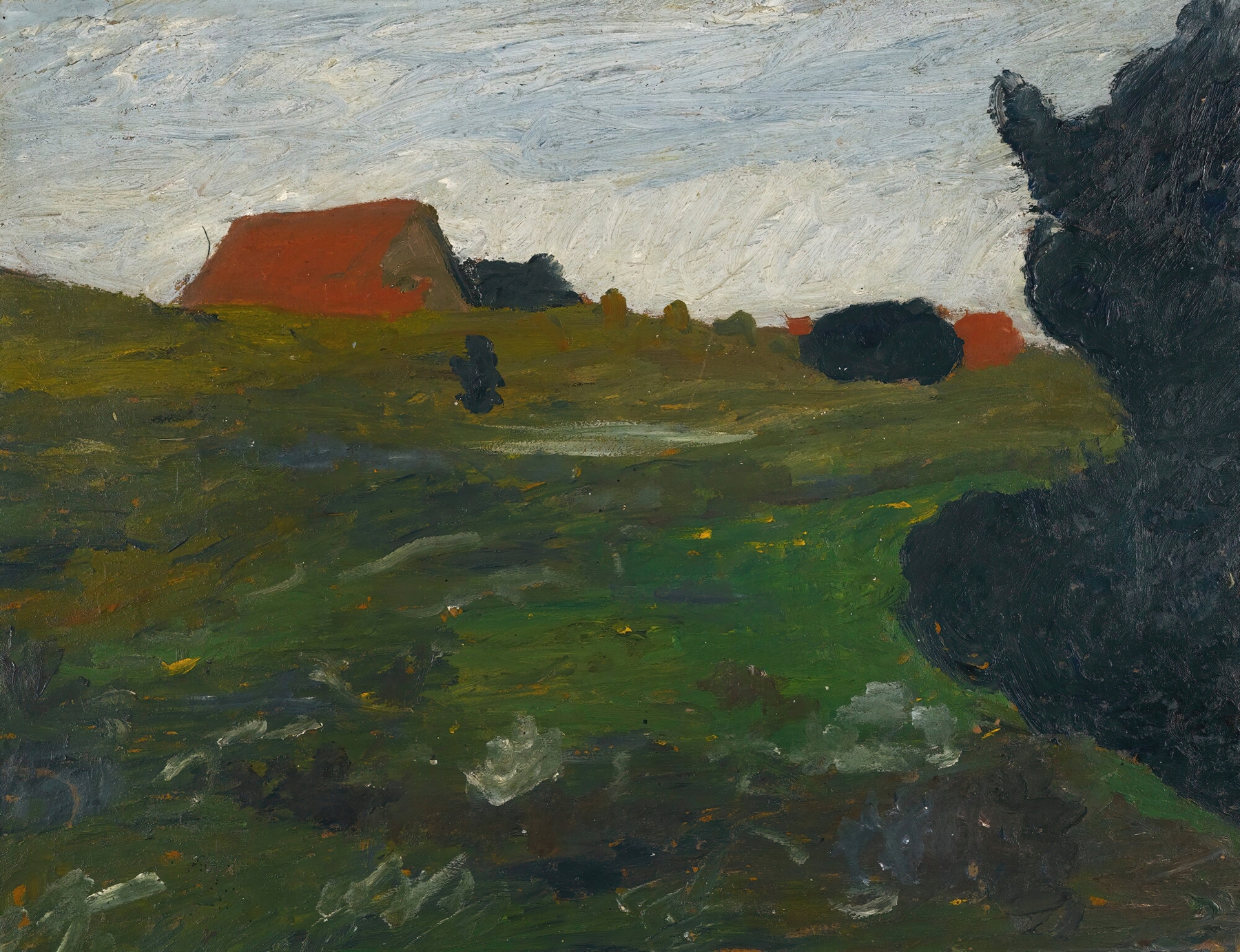
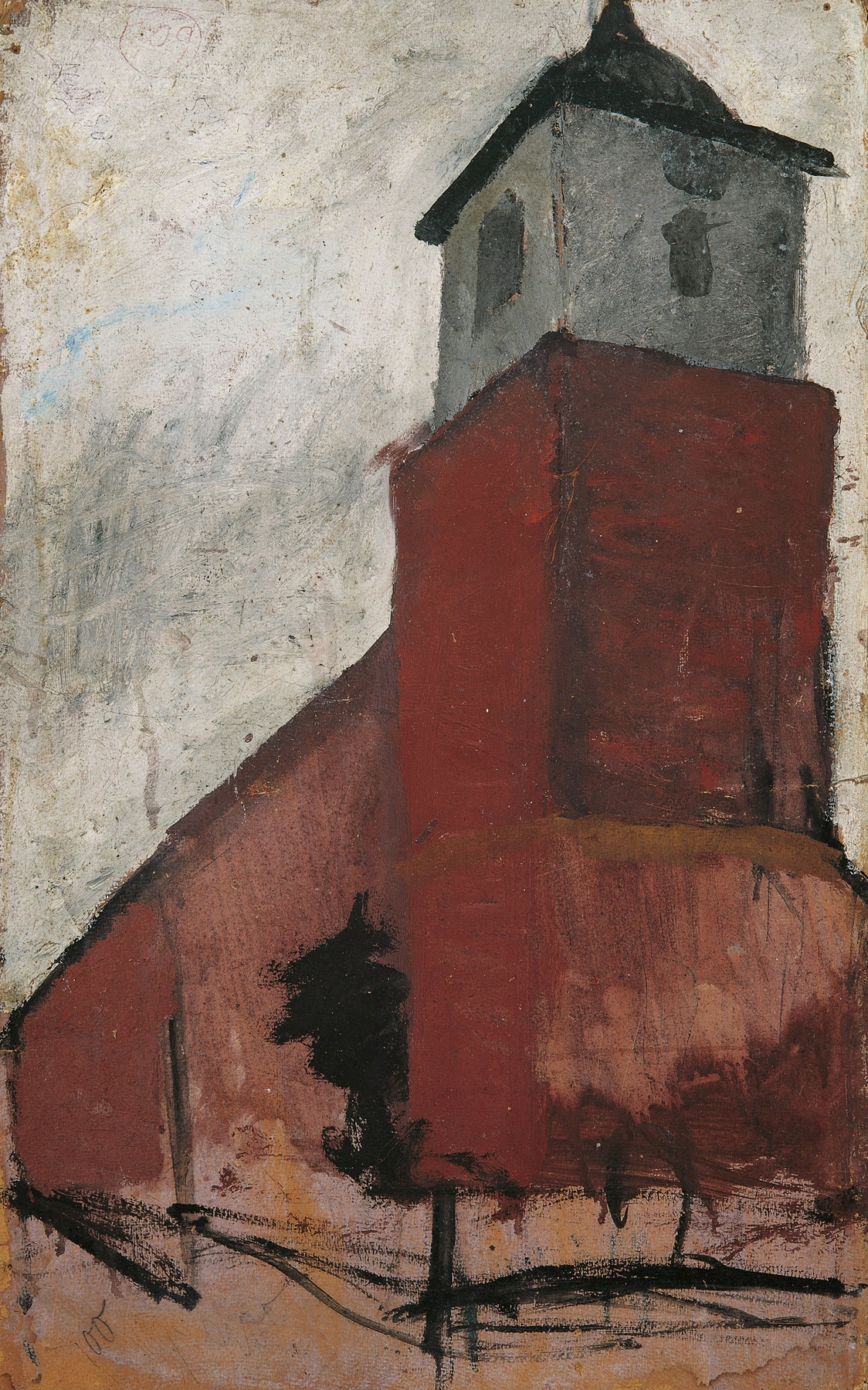
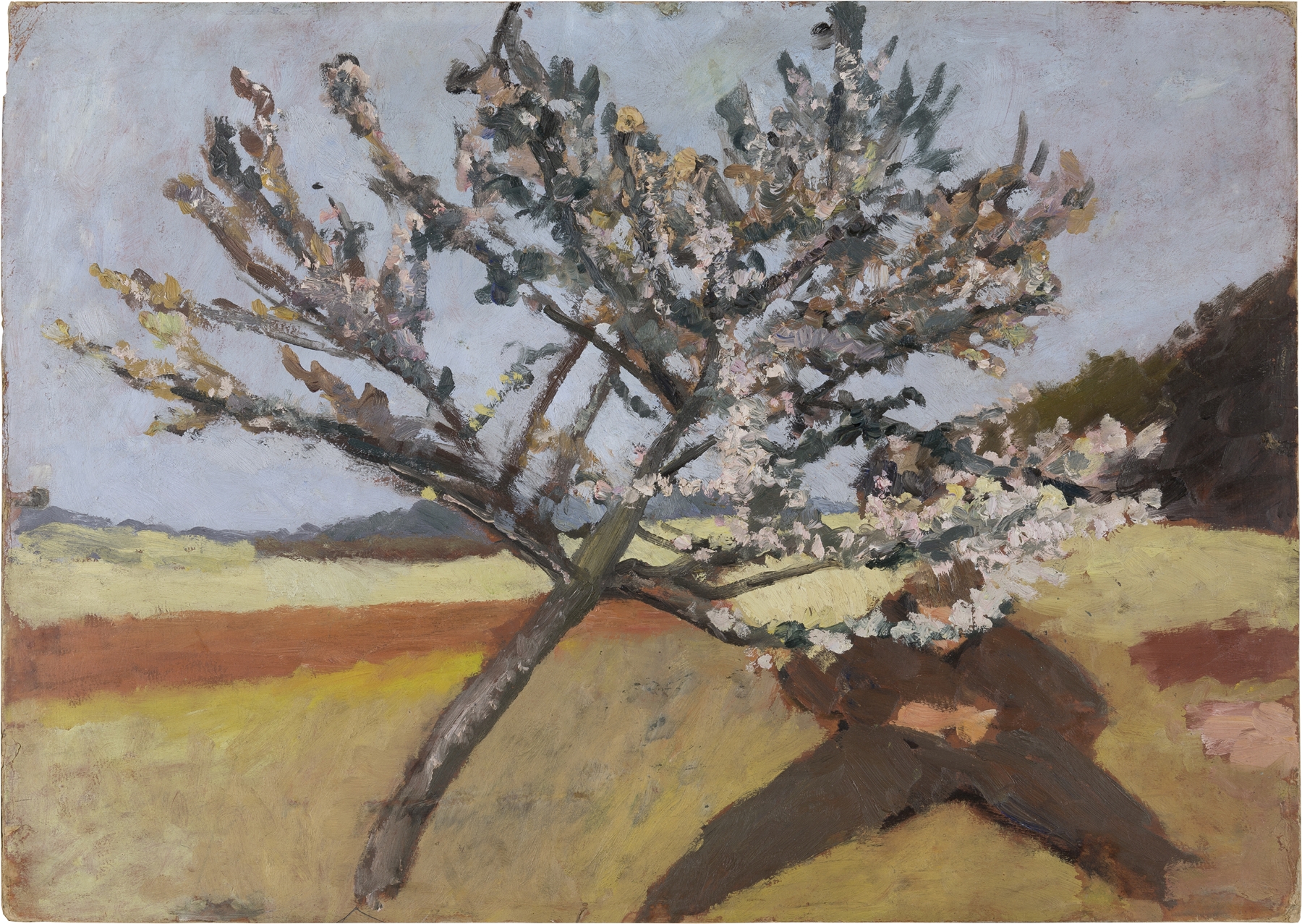
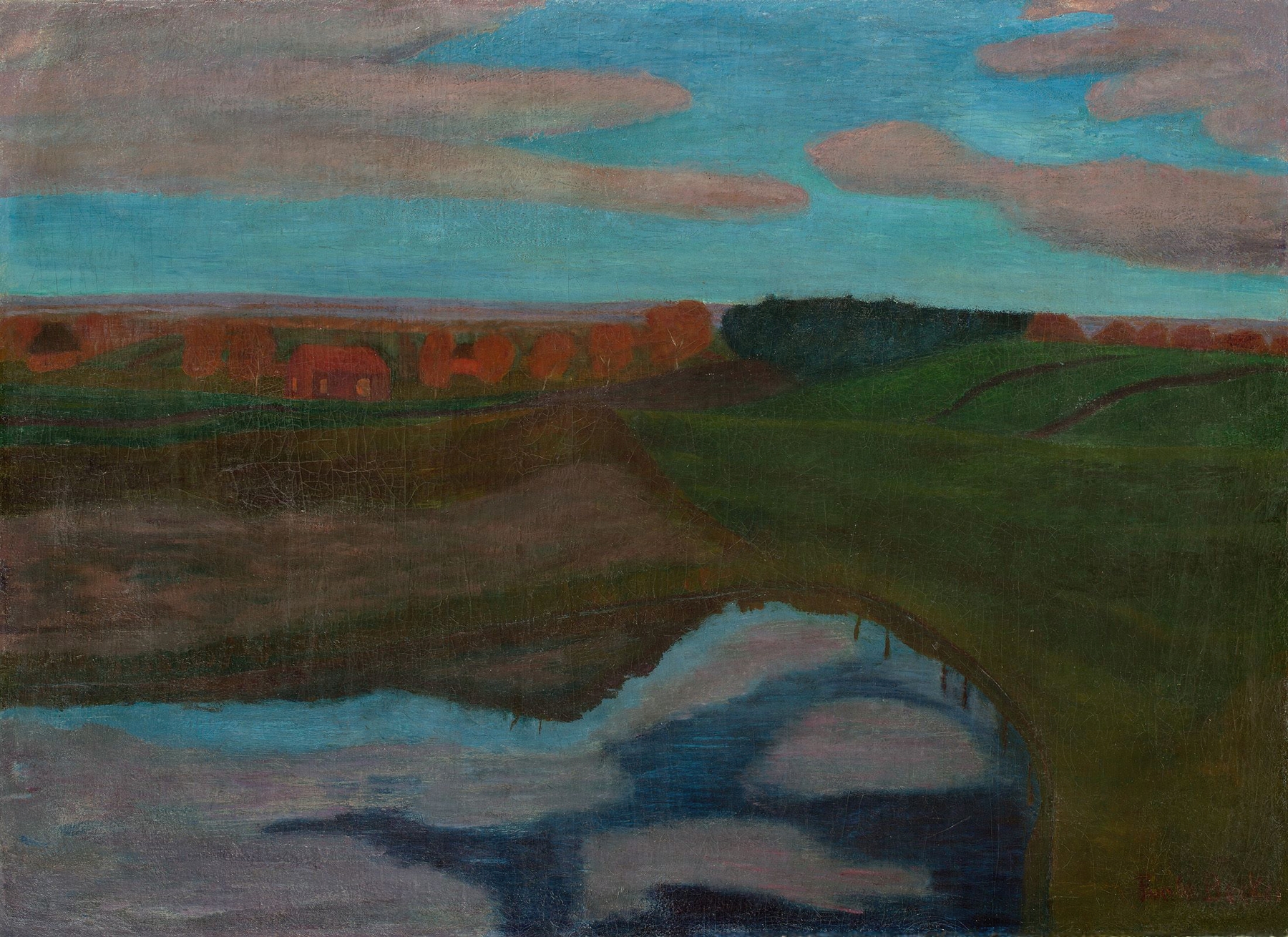
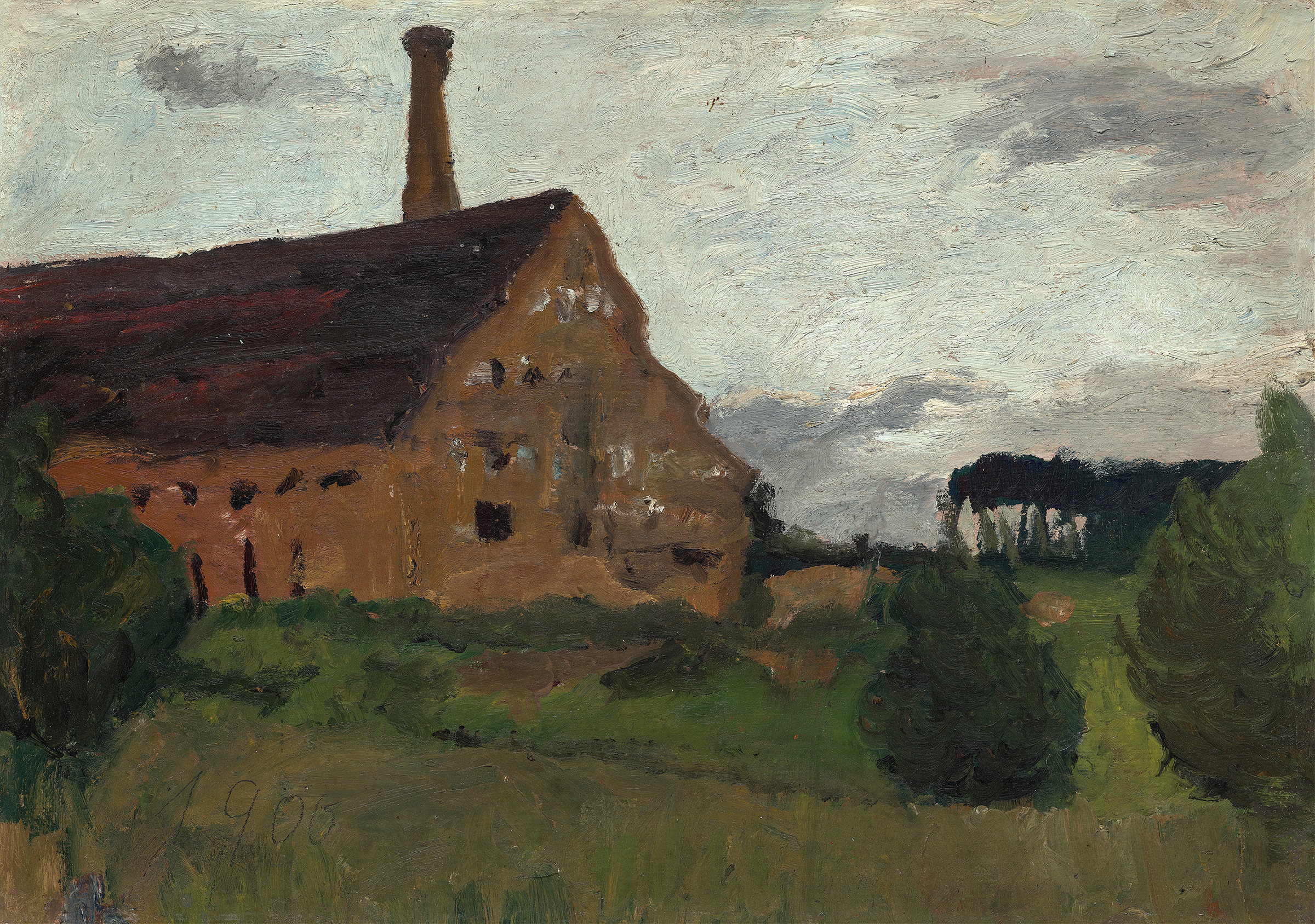
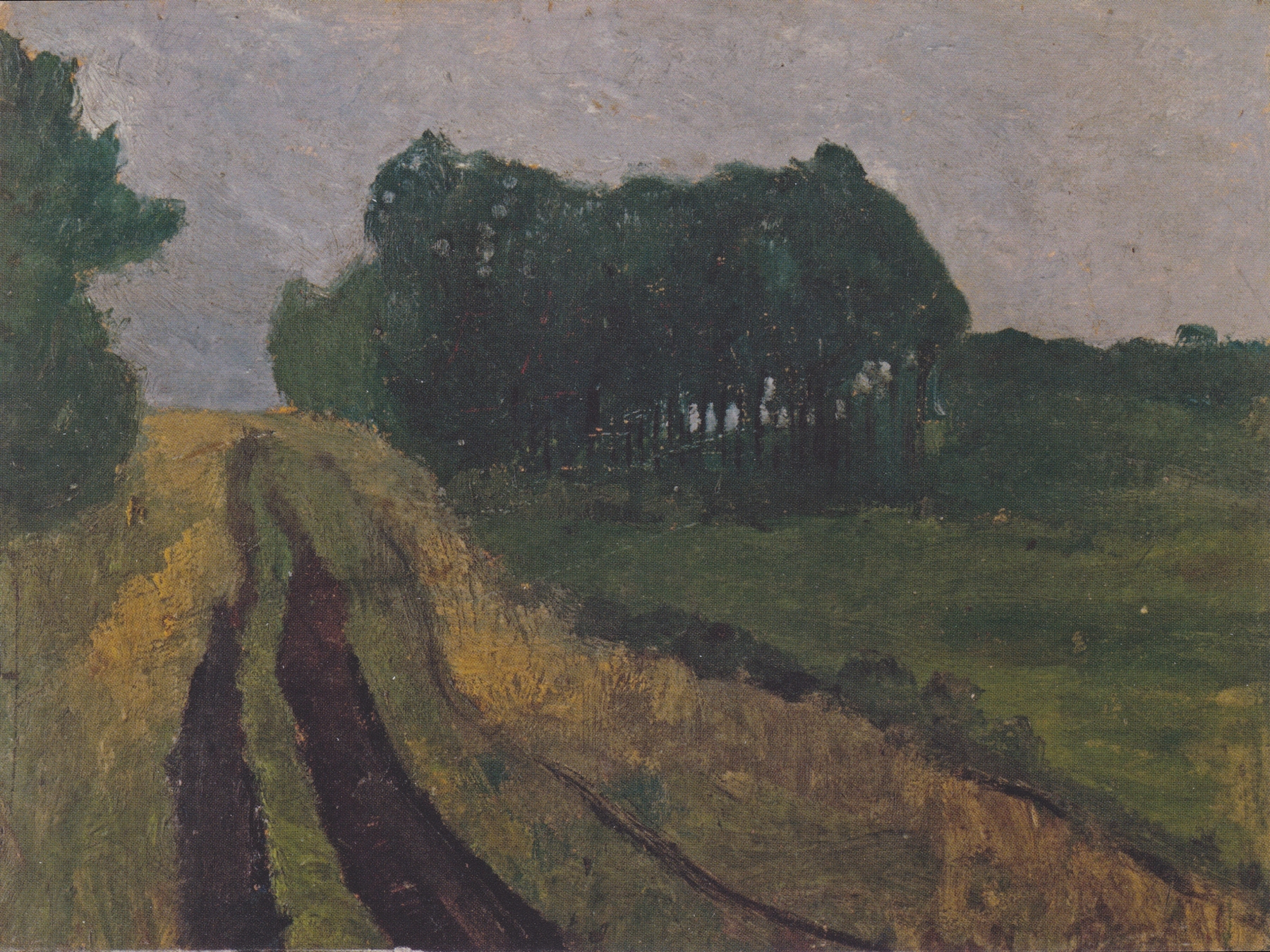
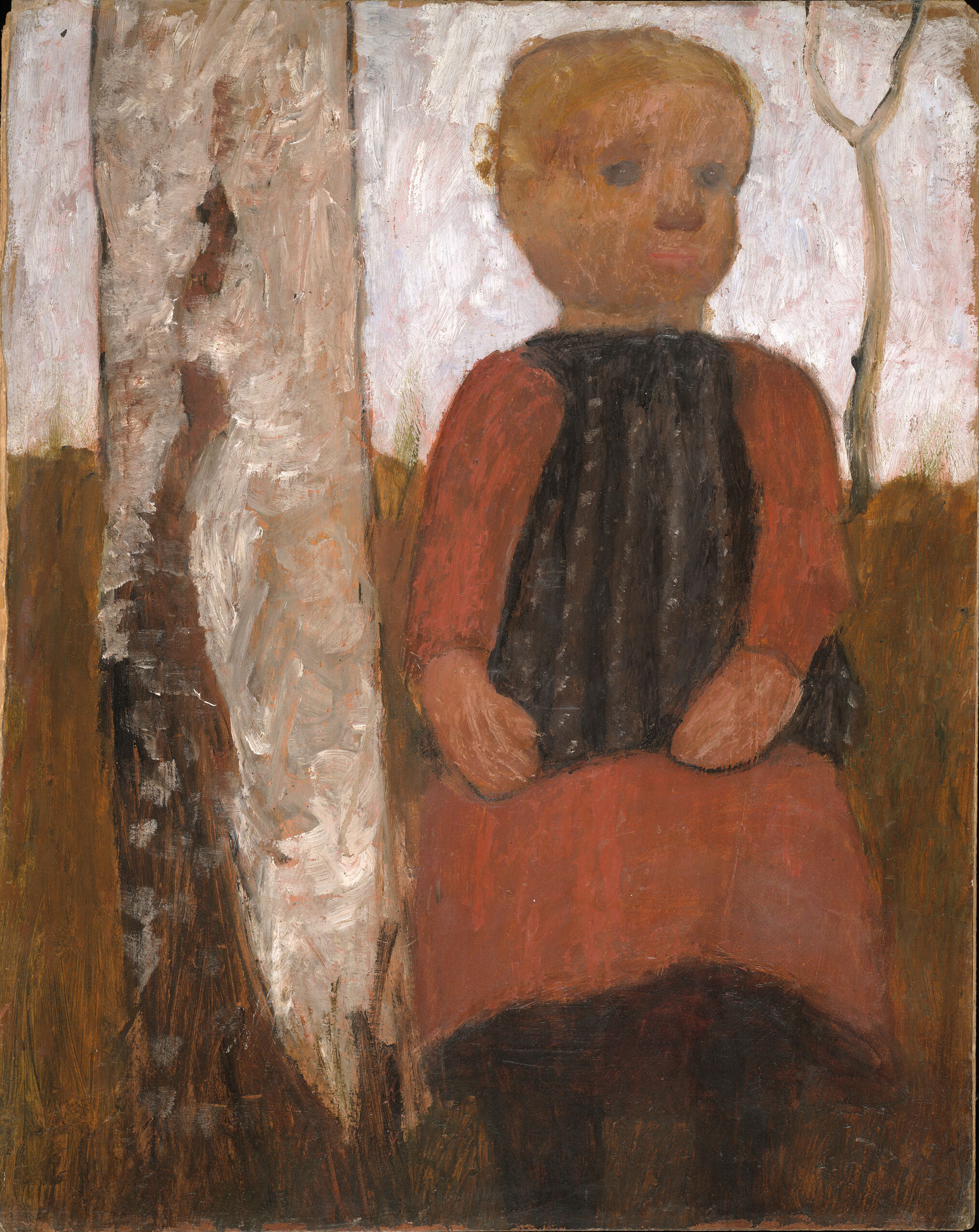
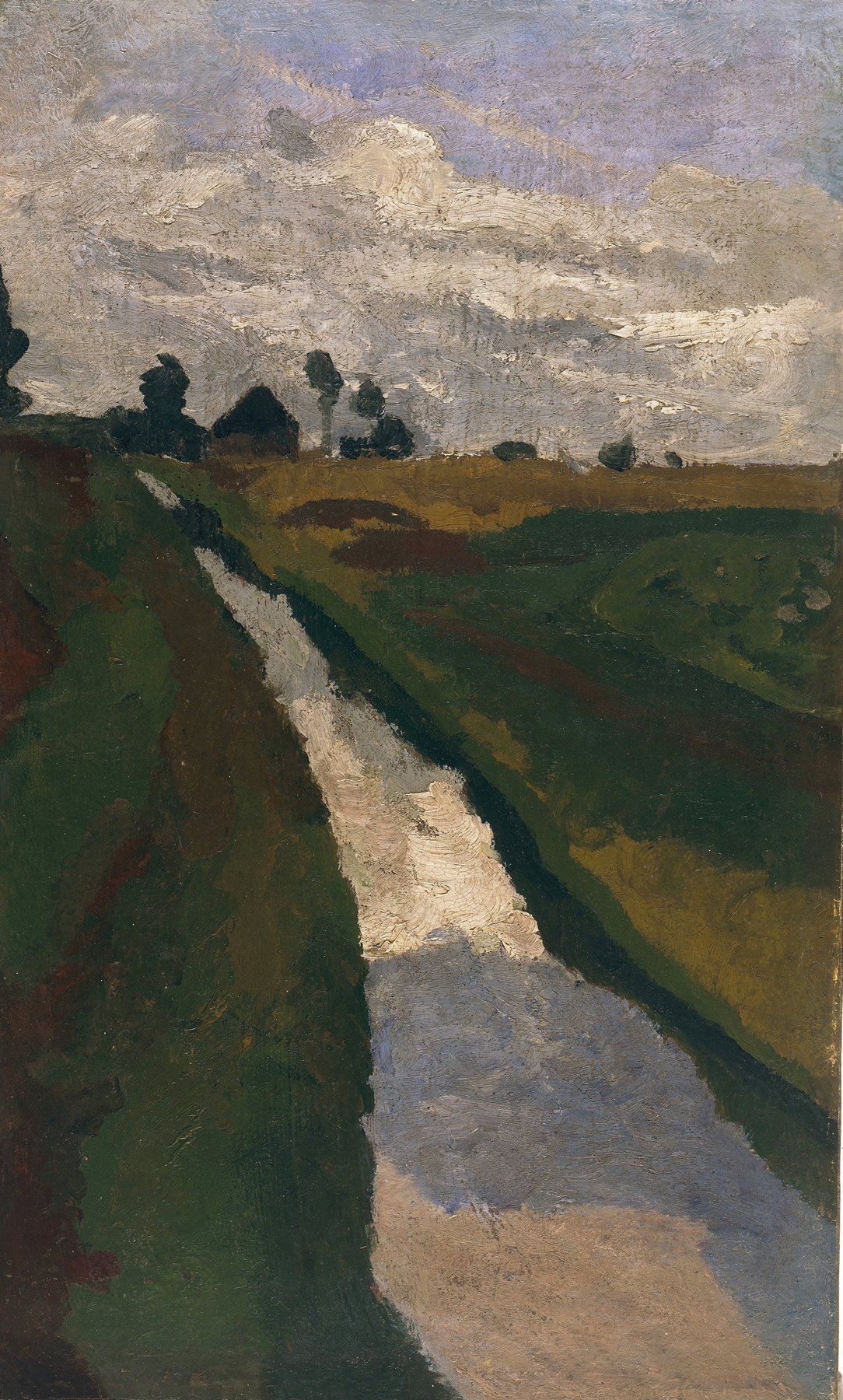
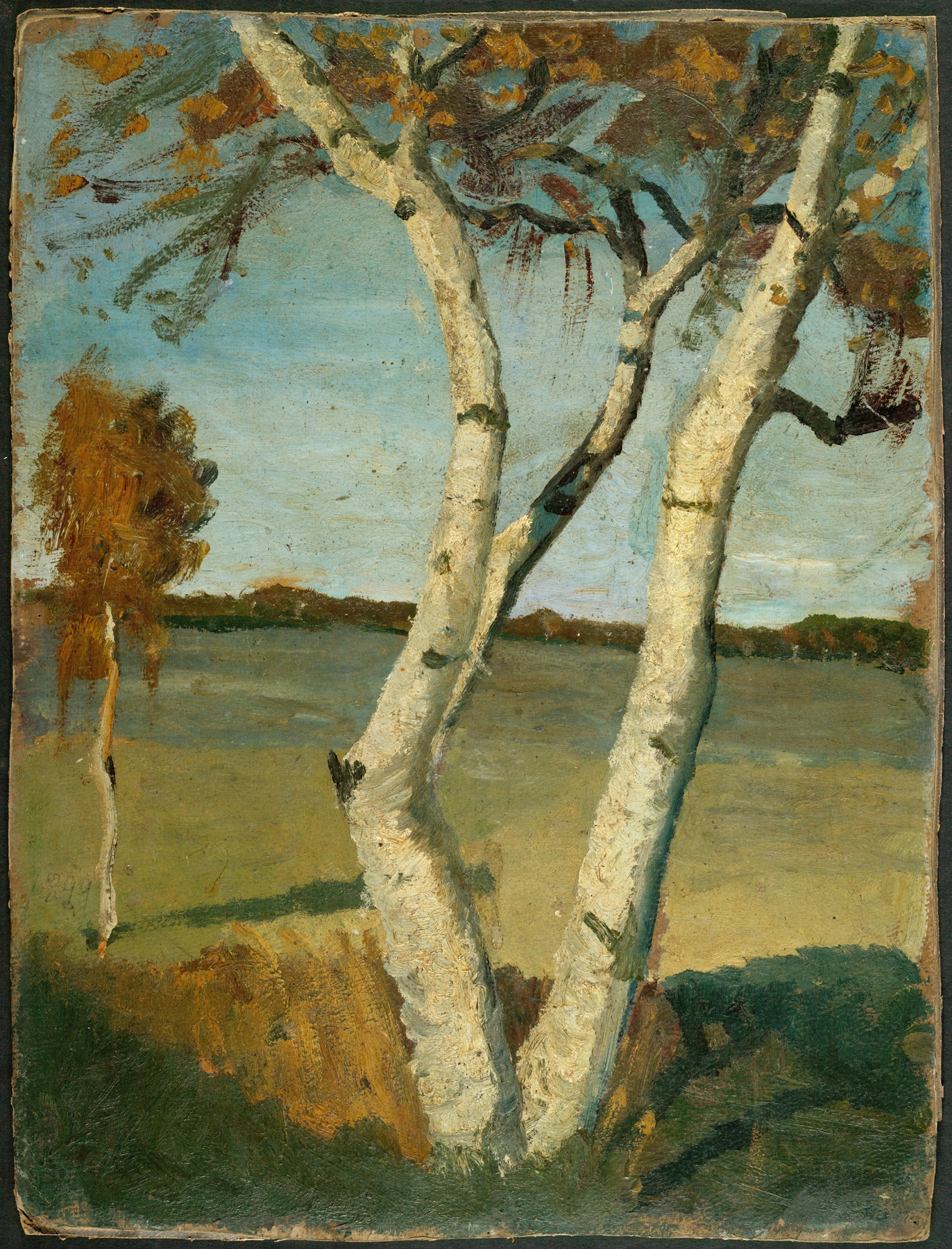
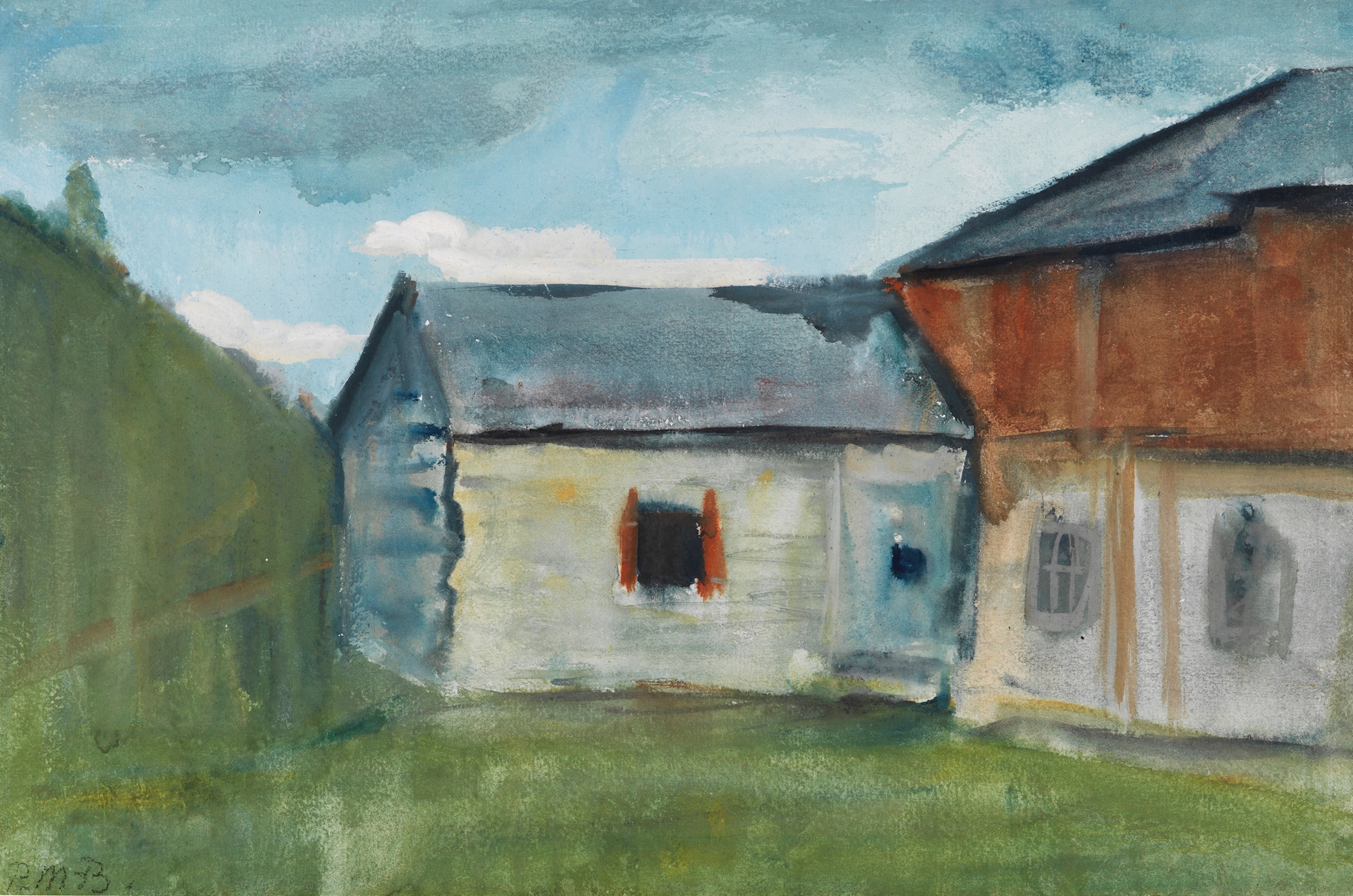
“Art reveals the soul when the world turns away.” In Häuser, the interplay of form and color invites us into a contemplative dialogue on the transient nature of life and the structures we build. Look to the left at the cluster of homes, their simple shapes harmonizing in a muted palette of ochres and blues. Notice how the roofs tilt gently, their warm tones reflecting the dawn's early light, while shadows linger like whispered memories in the spaces between. The artist's brushstrokes, both deliberate and free, create a sense of movement, as if the quiet houses breathe, standing vigilant against the passage of time.
Delve deeper, and you may find the contrast between the sturdy facades and the ethereal quality of the sky above. The clouds, swirling softly, evoke a sense of transience, hinting at the inevitability of change. The stillness of the houses speaks to permanence, yet the emotional undercurrent of the painting reminds us of mortality and the ephemeral nature of human existence, challenging our perception of what endures.
In 1897, during a period of personal growth and exploration, the artist created this work in Worpswede, Germany, a community devoted to artistic innovation. Modersohn-Becker was grappling with her own identity and the constraints of society, a feeling reflected in her choice of subject matter. The world of art was ripe with the shifts of modernism, and she was at the forefront, seeking to capture the essence of life, both in its beauty and its fragility.