Blick auf Schloß Eberstein — History & Analysis
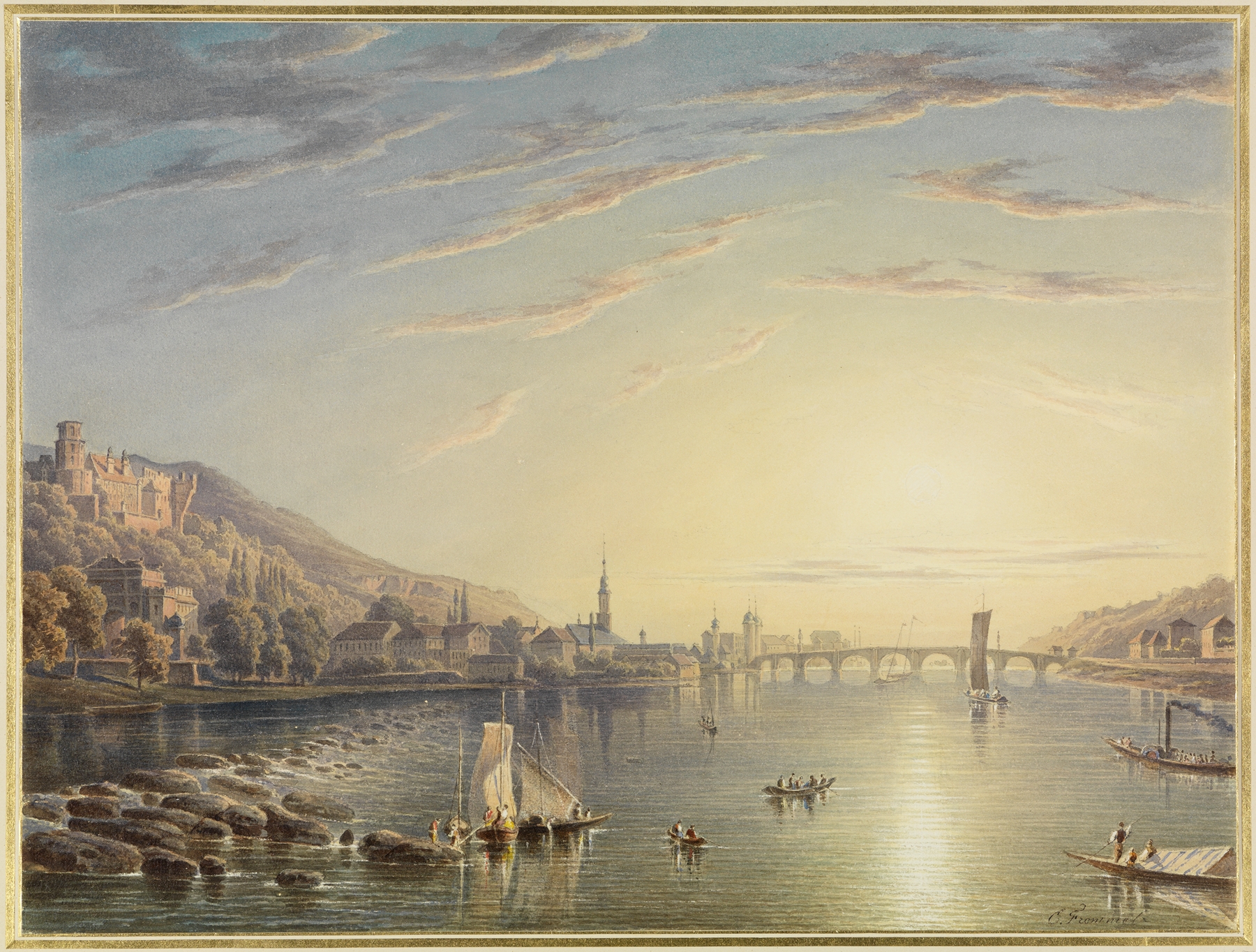
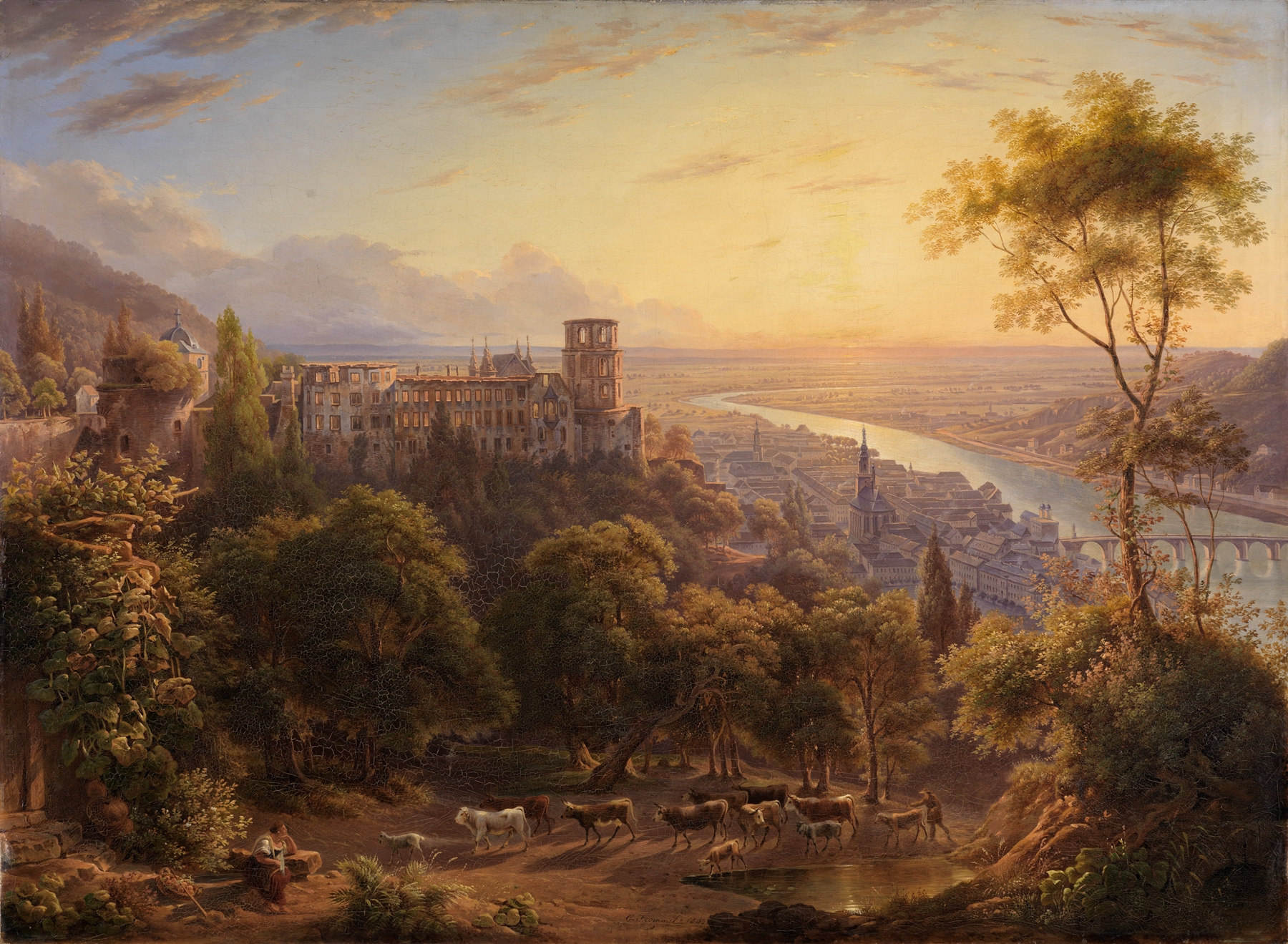
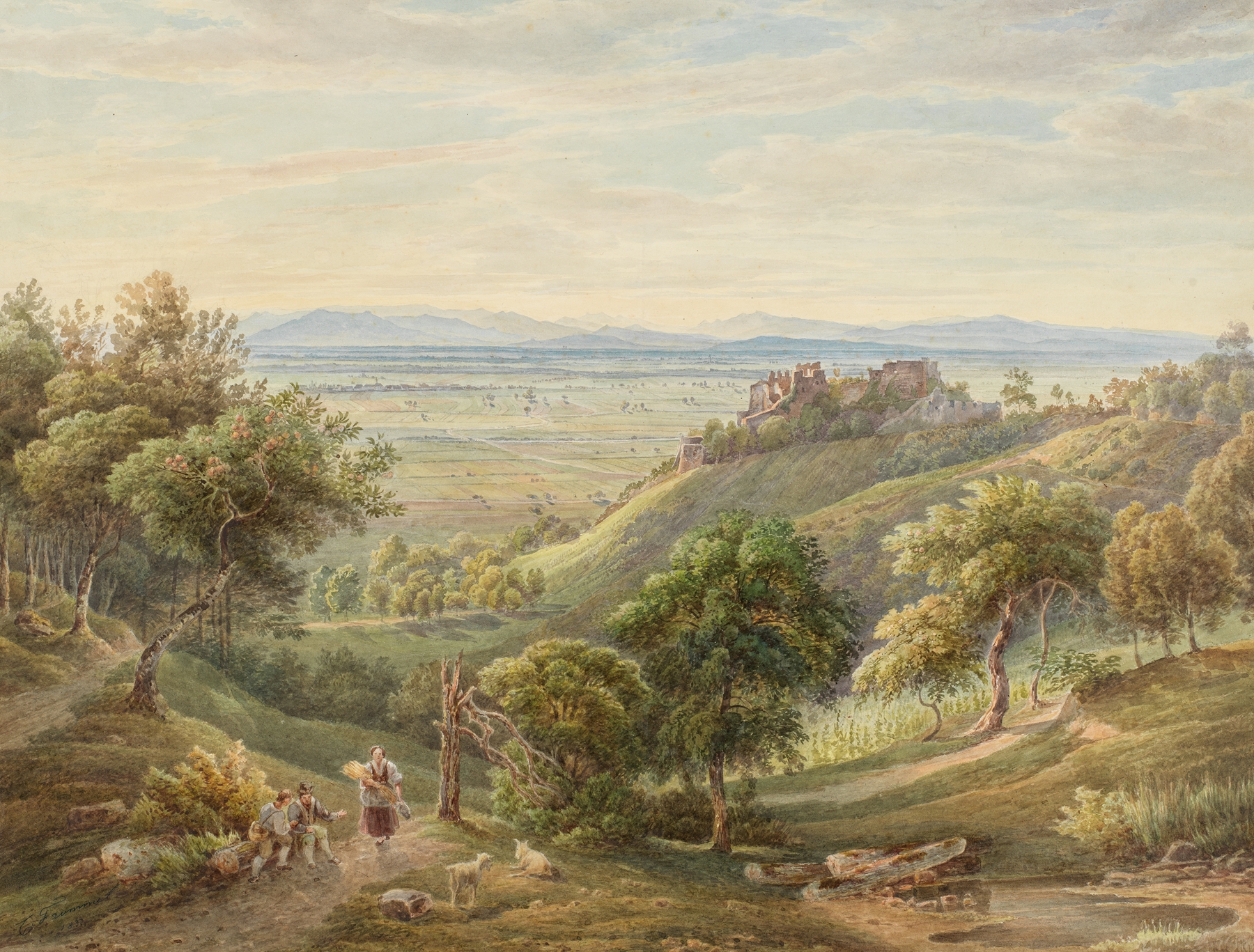
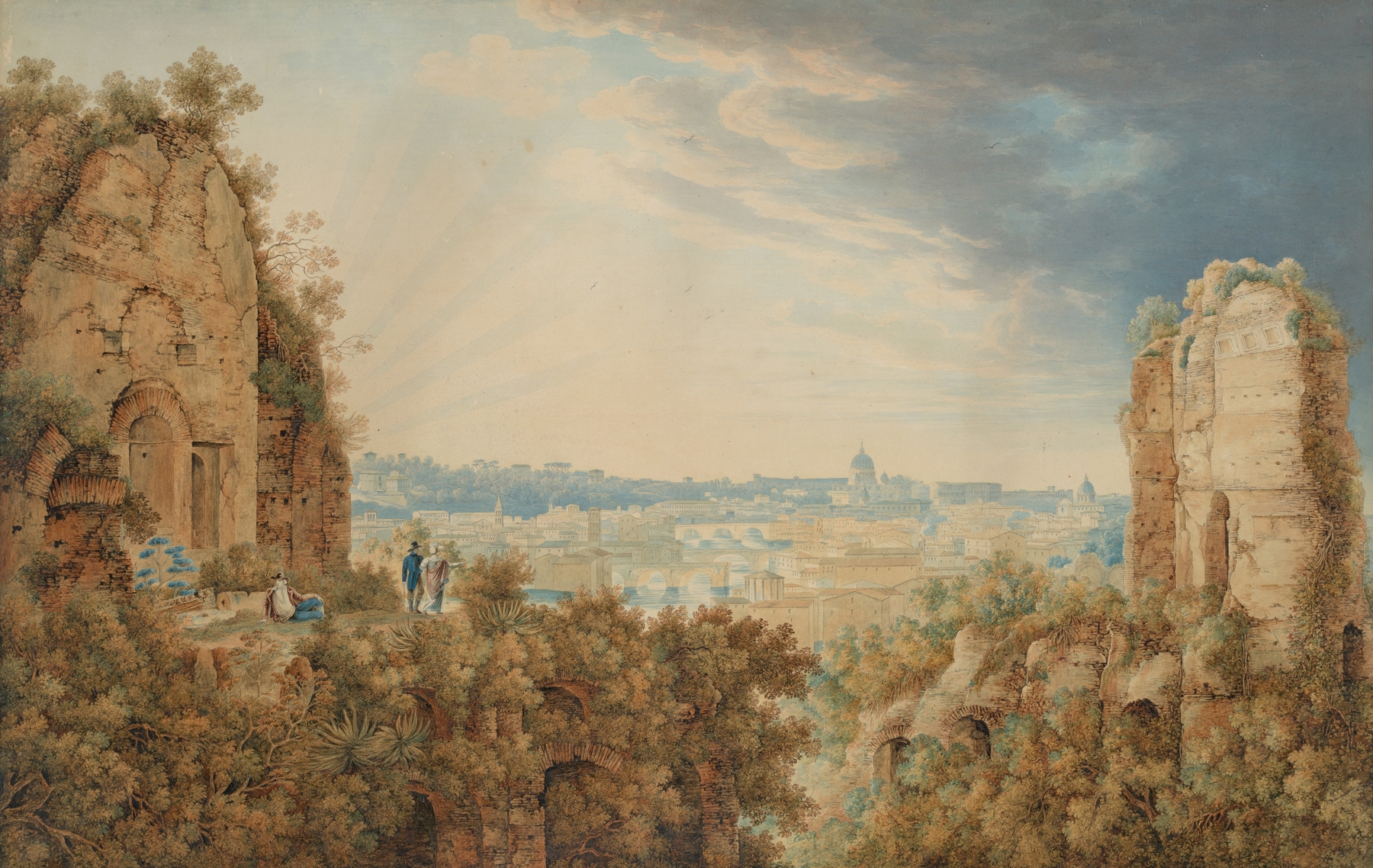
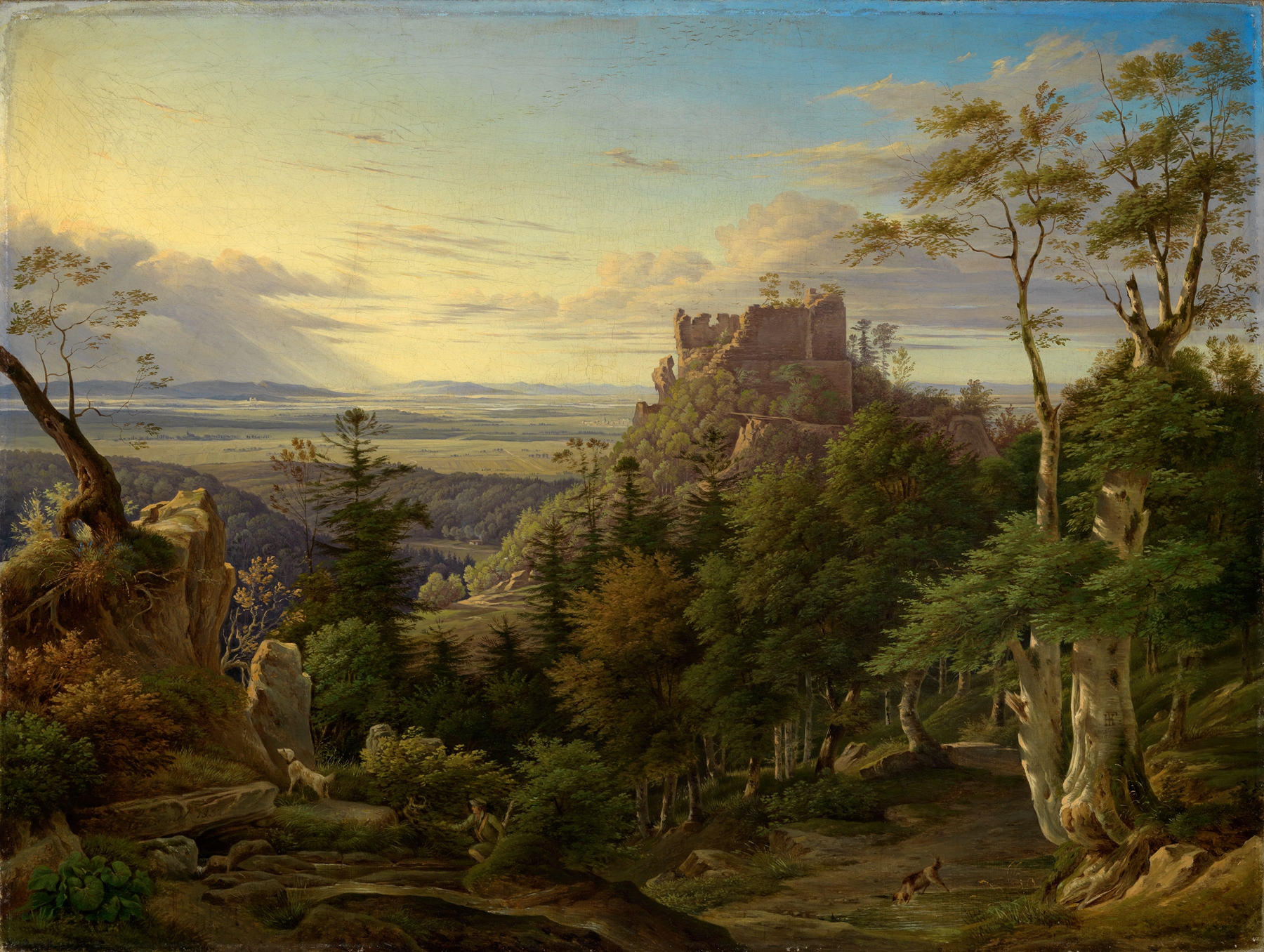
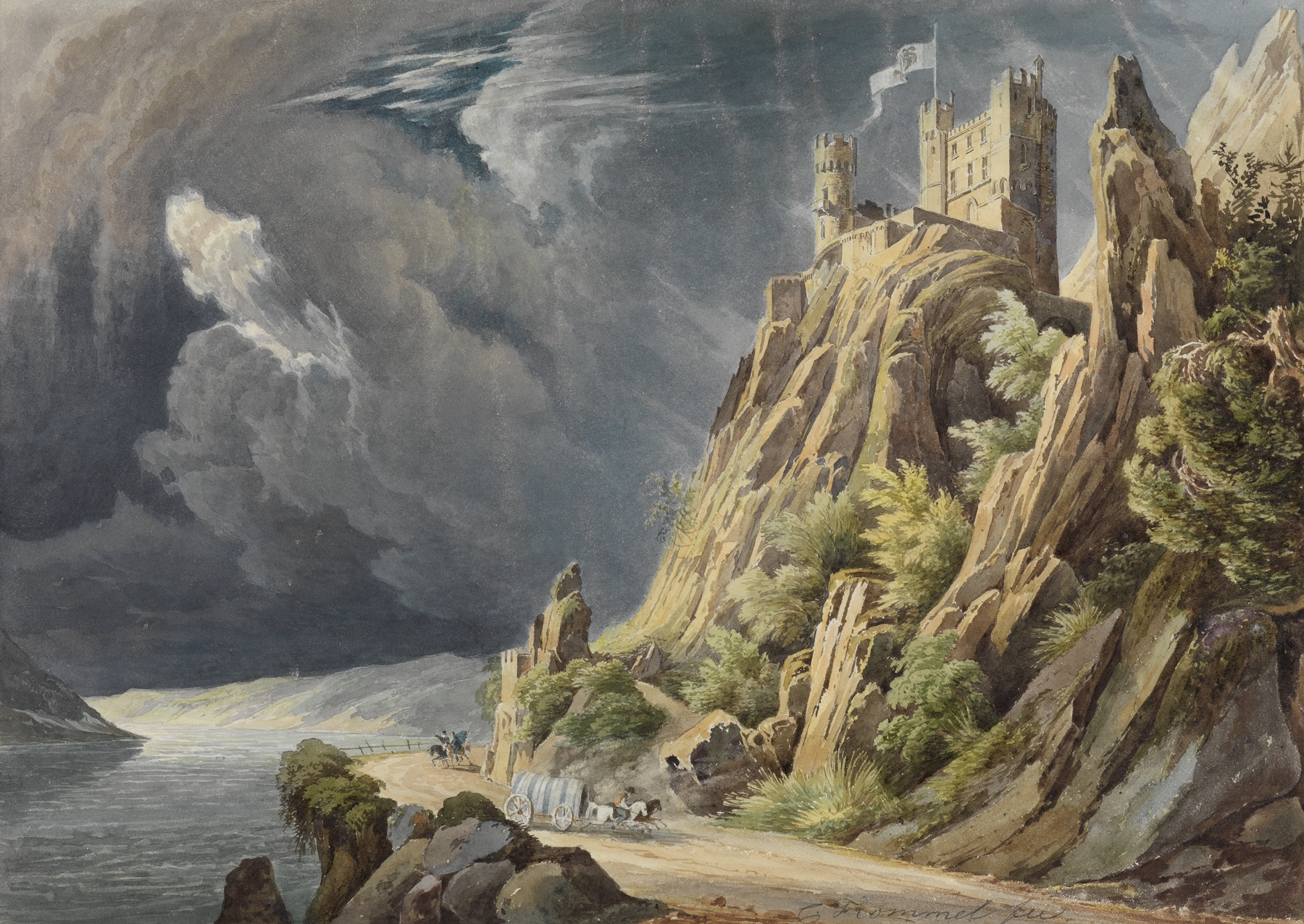
“The canvas doesn’t lie — it simply waits.” In silence, it captures the essence of rebirth, a reminder of nature’s resilience and the whispers of history. Look to the foreground where the lush greenery spills over the edges, inviting you into the scene. The varying shades of green, from deep emerald to delicate lime, create a vibrant tapestry that breathes life into the composition. Notice how the castle stands majestically against the backdrop of rolling hills, its stonework rendered with precise detail, reflecting both age and dignity.
The interplay of light and shadow not only highlights the structure's rugged grandeur but infuses it with a sense of warmth, suggesting a narrative steeped in time. Beyond the visible, the painting reveals emotional tensions that speak of endurance and transformation. The castle, a symbol of permanence, juxtaposes the ephemeral beauty of the surrounding landscape, evoking thoughts on the passage of time. The delicate clouds hint at a shift in seasons, suggesting change is both inevitable and beautiful.
Here, rebirth is not just a theme but a palpable presence, urging viewers to reflect on their own cycles of renewal amid the permanence of stone. Created during a period of introspection and artistic evolution, this work emerged from the mind of Carl Ludwig Frommel at an indeterminate time in his career. Living in 19th-century Germany, he belonged to a wave of artists captivated by the Romantic ideals of nature and historical narrative. As the world around him underwent significant transformation, Frommel’s canvases stood as bridges, connecting the past with the lush vitality of the natural world, embodying the spirit of rebirth in art.