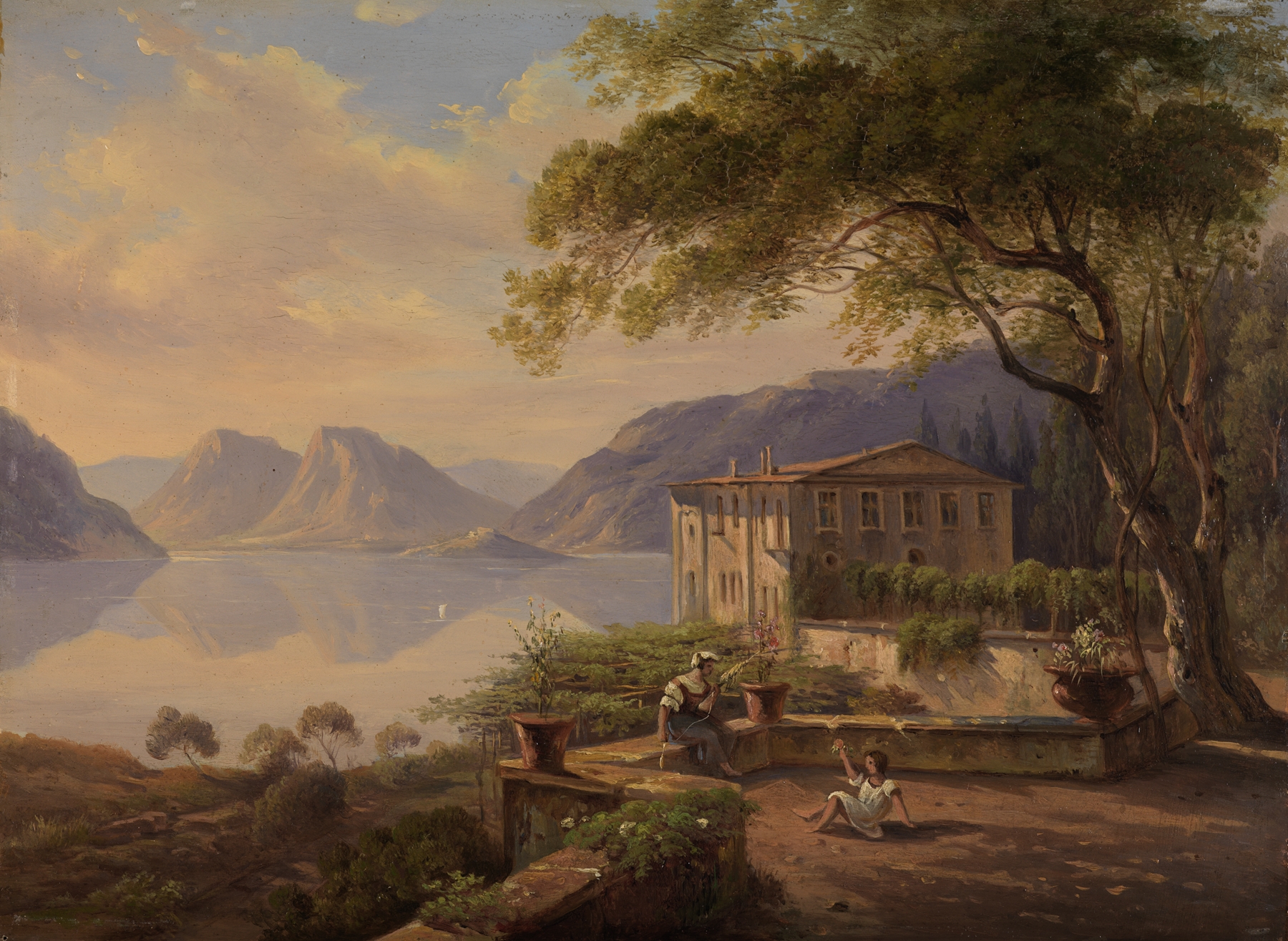
A View of Rome from the Palatine — History & Analysis
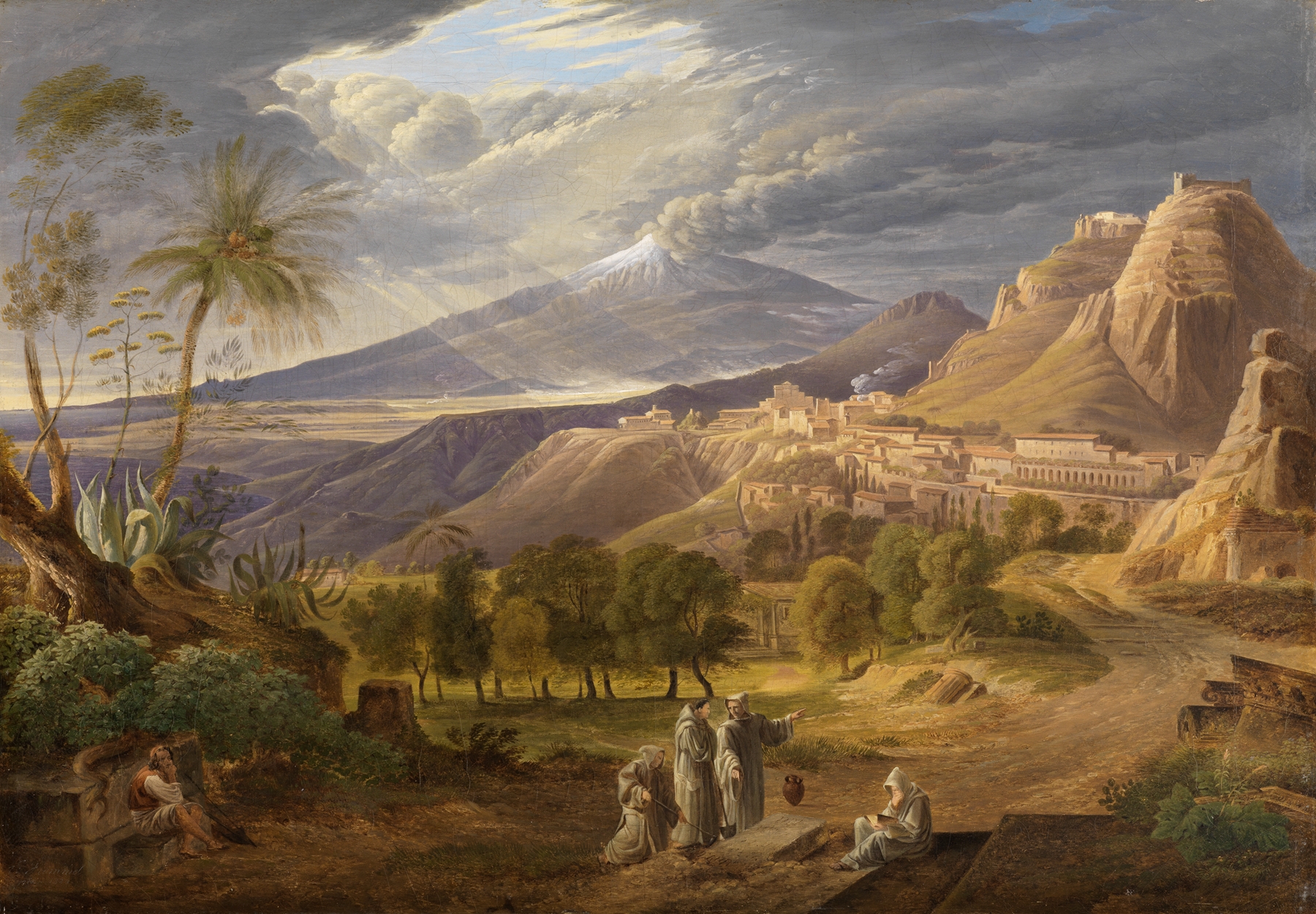
“Every brushstroke is a heartbeat remembered.” In the grandeur of A View of Rome from the Palatine, a silent narrative of betrayal unfolds, whispering the complex emotions bound to a city that cradles history yet harbors secrets. Look to the left, where the soft, warm hues of the Roman sun merge with the cool shadows of ancient ruins, inviting an immediate sense of time's passage. The distant silhouettes of monumental architecture rise against the skyline, each detail delicately rendered.
The palette, a marriage of ochres and umbers, conveys both the opulence and decay of a city once at the heart of civilization, evoking nostalgia and loss. As you explore further, notice the juxtaposition of light and darkness across the canvas. The commanding presence of the Colosseum stands stark against the backdrop, embodying glory and defeat, while the lush greenery of the Palatine Hill hints at life and resilience amidst the ruins.
This contrast reflects the duality of Rome itself—its eternal beauty overshadowed by its tumultuous past, a fitting metaphor for betrayal infused into the very fabric of its history. Carl Ludwig Frommel painted this work between 1813 and 1817, during a period of profound change in Europe marked by the aftermath of the Napoleonic Wars. In the wake of political upheaval and shifting allegiances, Frommel sought solace in the timelessness of Rome, capturing a city that, like the artist himself, bore the weight of past betrayals while looking ahead to renewal.