Villa Serbelloni am Comersee — History & Analysis
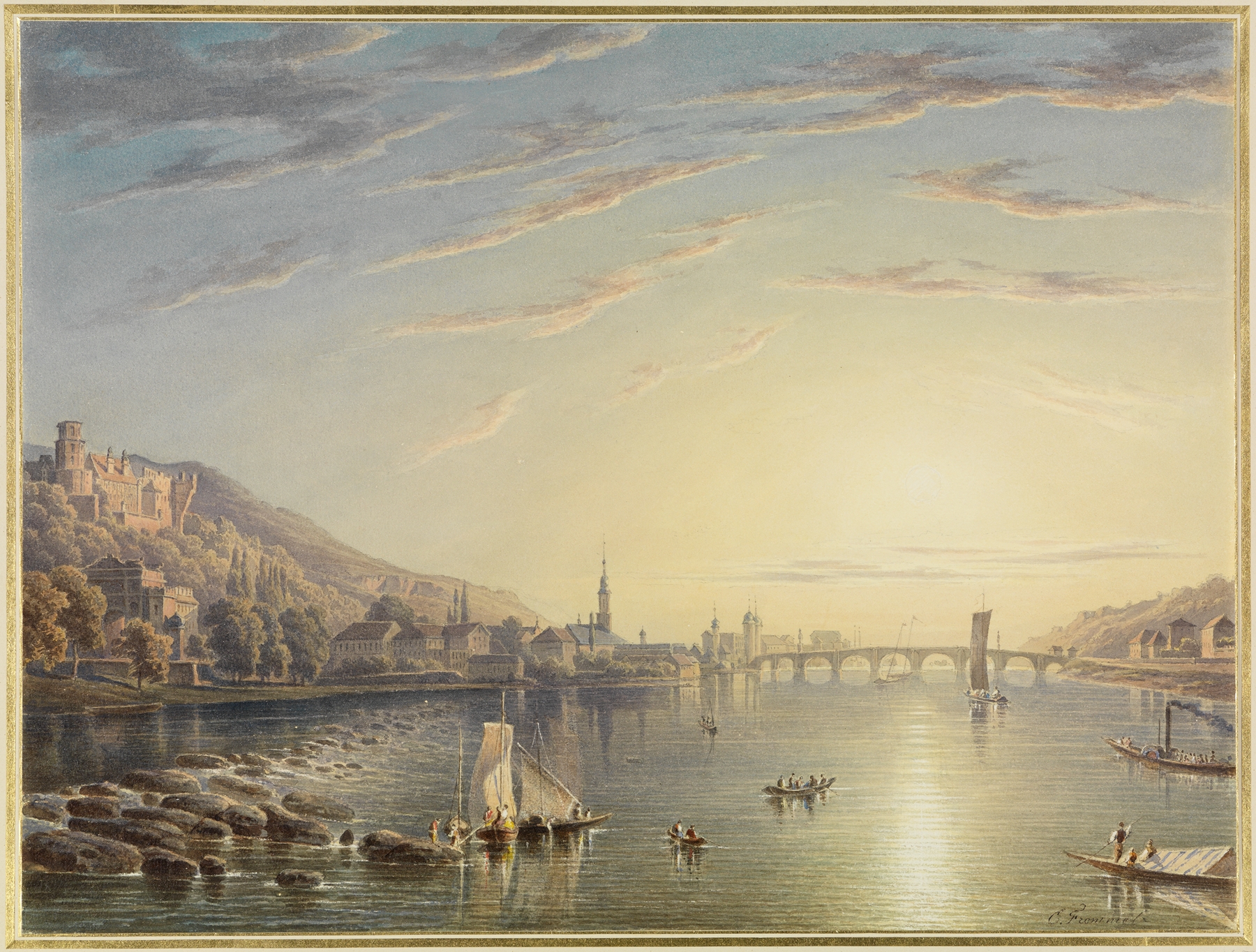
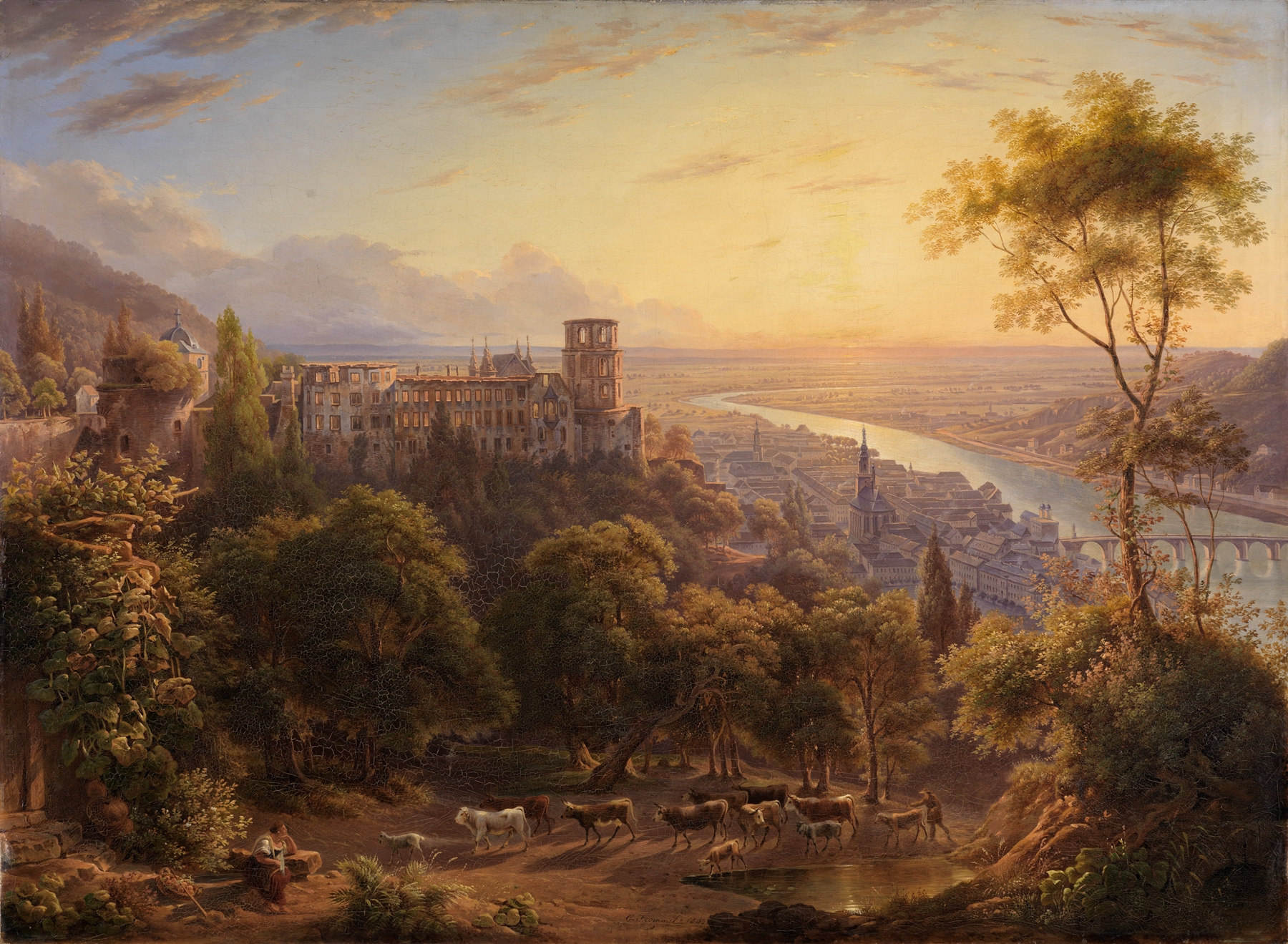
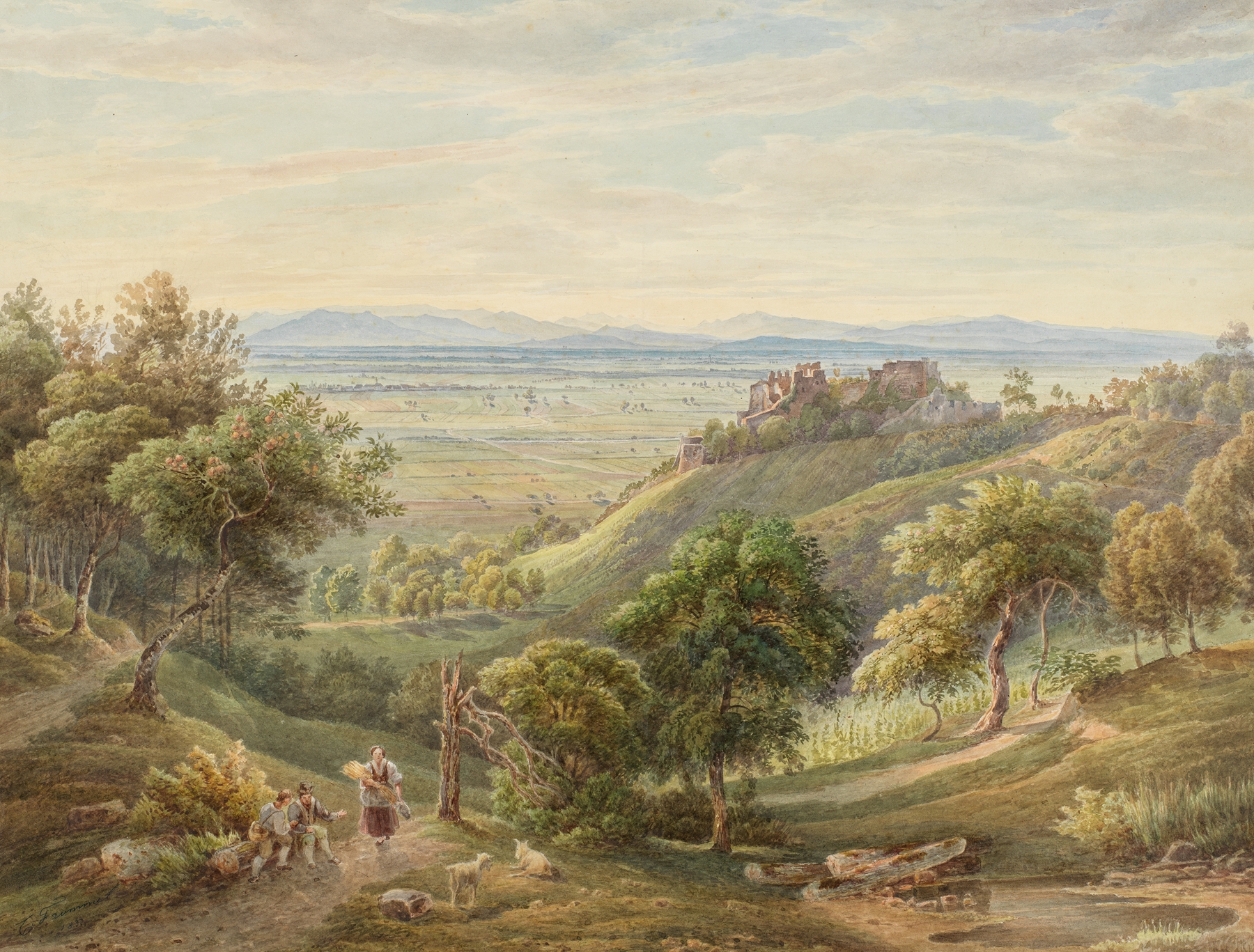
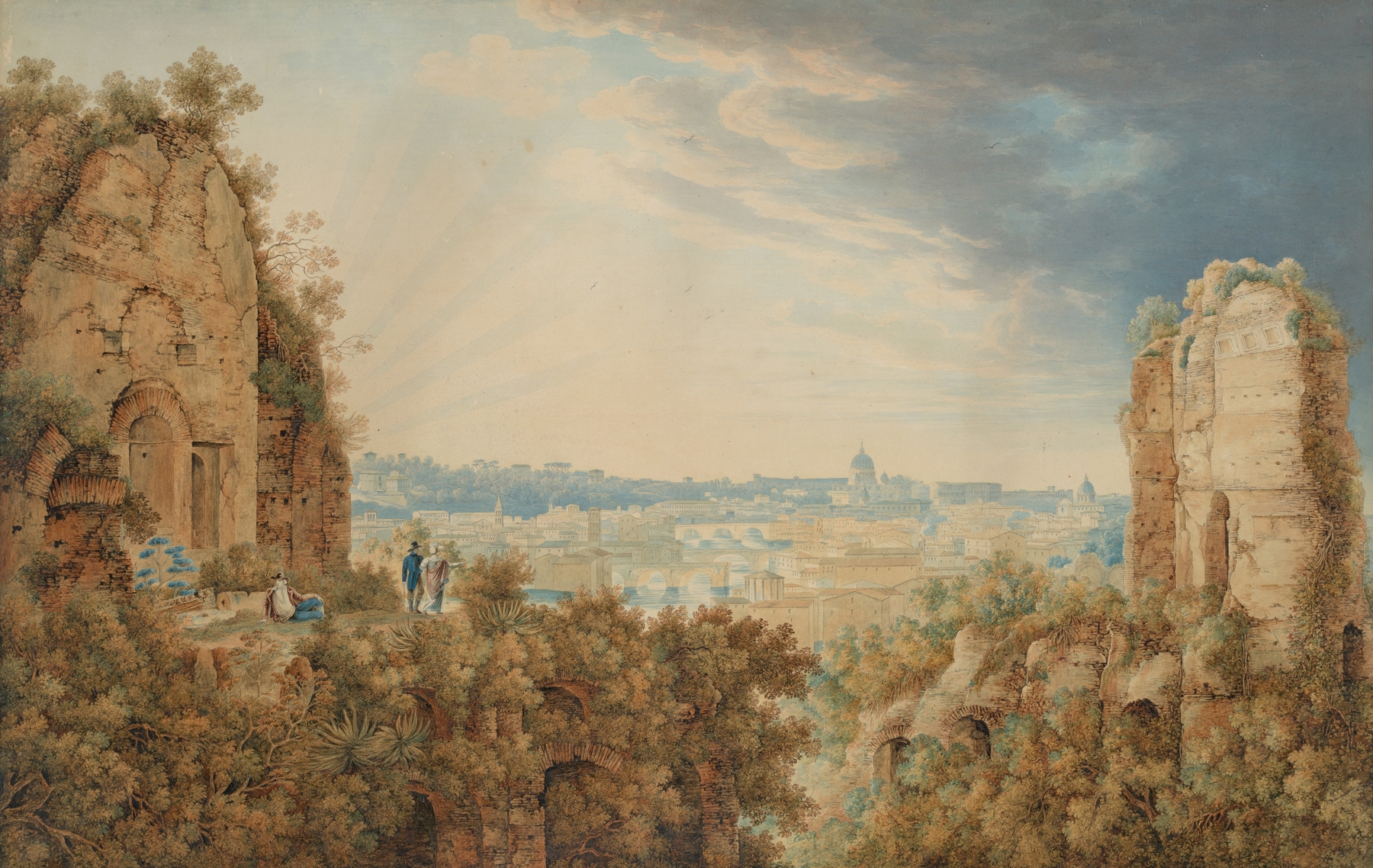
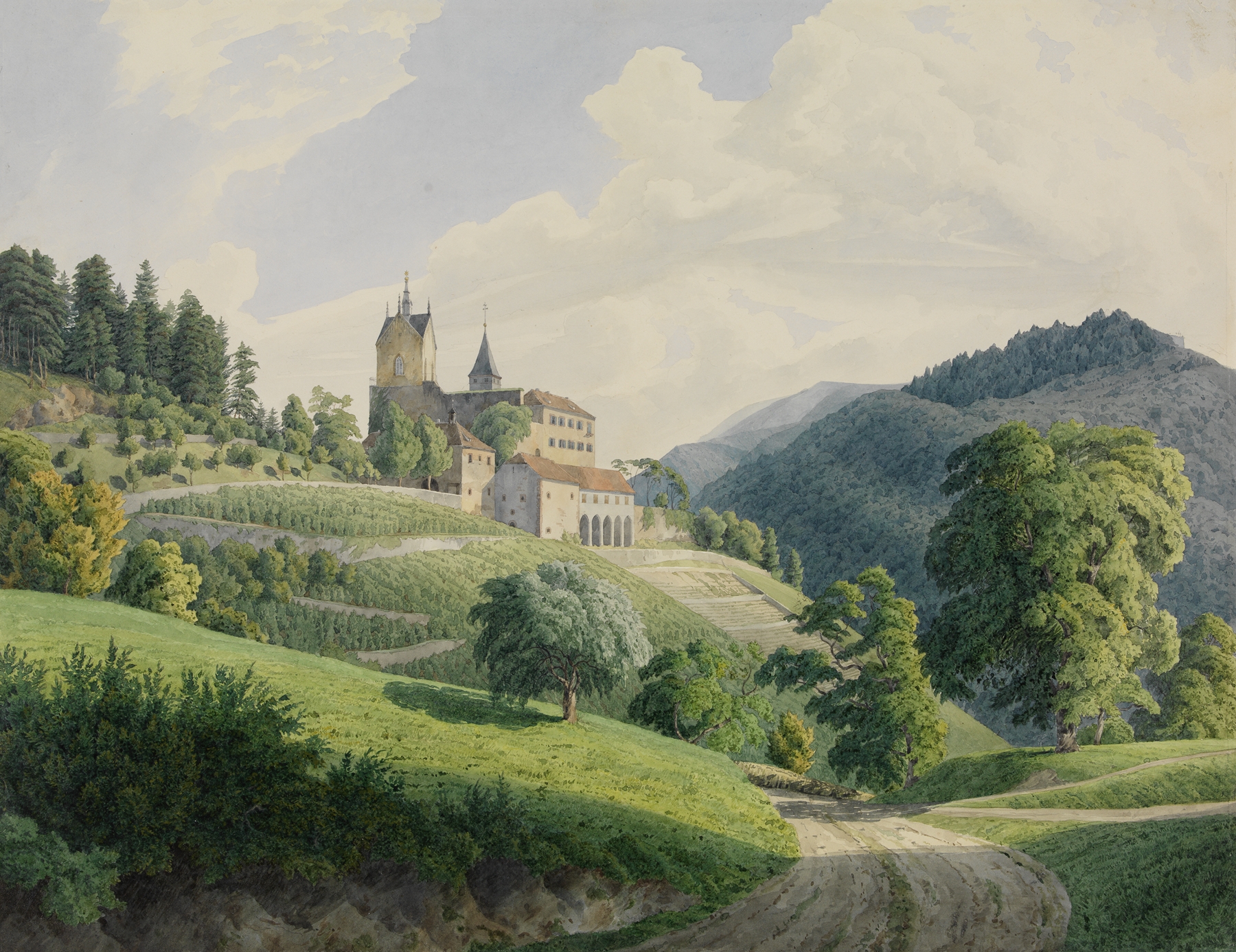
What secret hides in the quiet of the canvas? The serene landscape invites us to explore its layers of innocence and tranquility, suggesting a world untouched by the chaos of modern life. Look to the left at the gentle contours of the hills, where the soft greens of nature cradle the elegant structure of the villa. The painter’s brush has delicately captured the interplay of light and shadow, especially as the sun casts a golden hue over the rippling waters of Lake Como.
Notice the meticulous details in the architecture — each window and balcony suggesting life within, while the surrounding trees seem to embrace the villa with a protective warmth. Within this idyllic scene lies an emotional tension between human presence and the majesty of nature. The villa stands as a testament to opulence and civilization, yet its serene surroundings evoke a sense of longing for a more innocent, harmonious existence. The water, reflective and calm, mirrors both the villa and the quietude of life, hinting at the simplicity that can exist alongside grandeur.
This balance strikes a chord, reminding us of the fragile connection between humanity and the natural world. In 1852, as Carl Ludwig Frommel painted Villa Serbelloni am Comersee, he was immersed in a burgeoning Romantic movement that celebrated nature's beauty and the emotional depth it could convey. Working in Italy, Frommel was influenced by the picturesque landscapes that captivated European artists of the time. His intention was likely to portray not merely a view but the ideal of a peaceful coexistence between man-made beauty and the tranquil embrace of nature, reflecting both his personal journey and the artistic discourse of the era.