Blick von der Zähringer Vorstadt in die Stadtmitte von Freiburg — History & Analysis
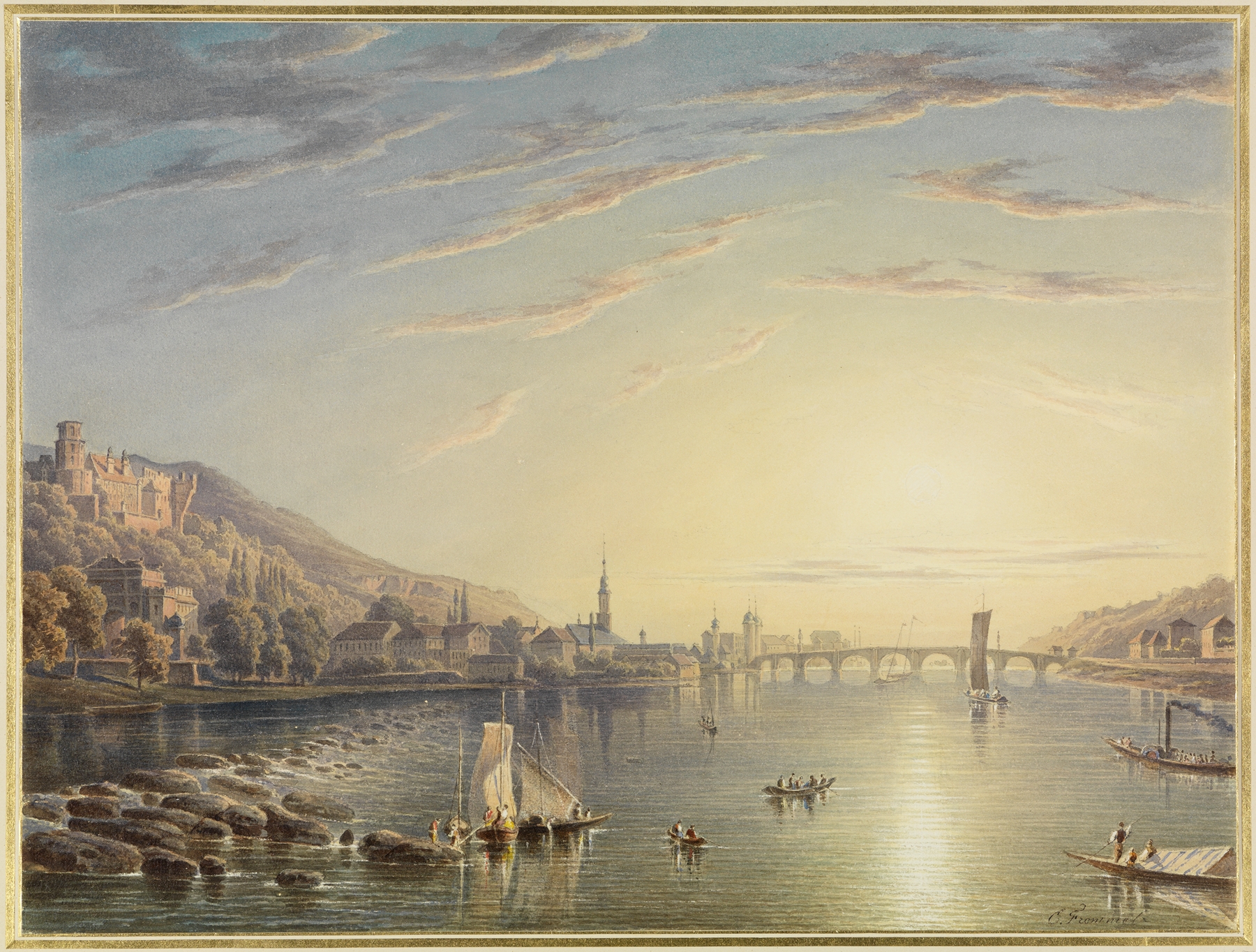
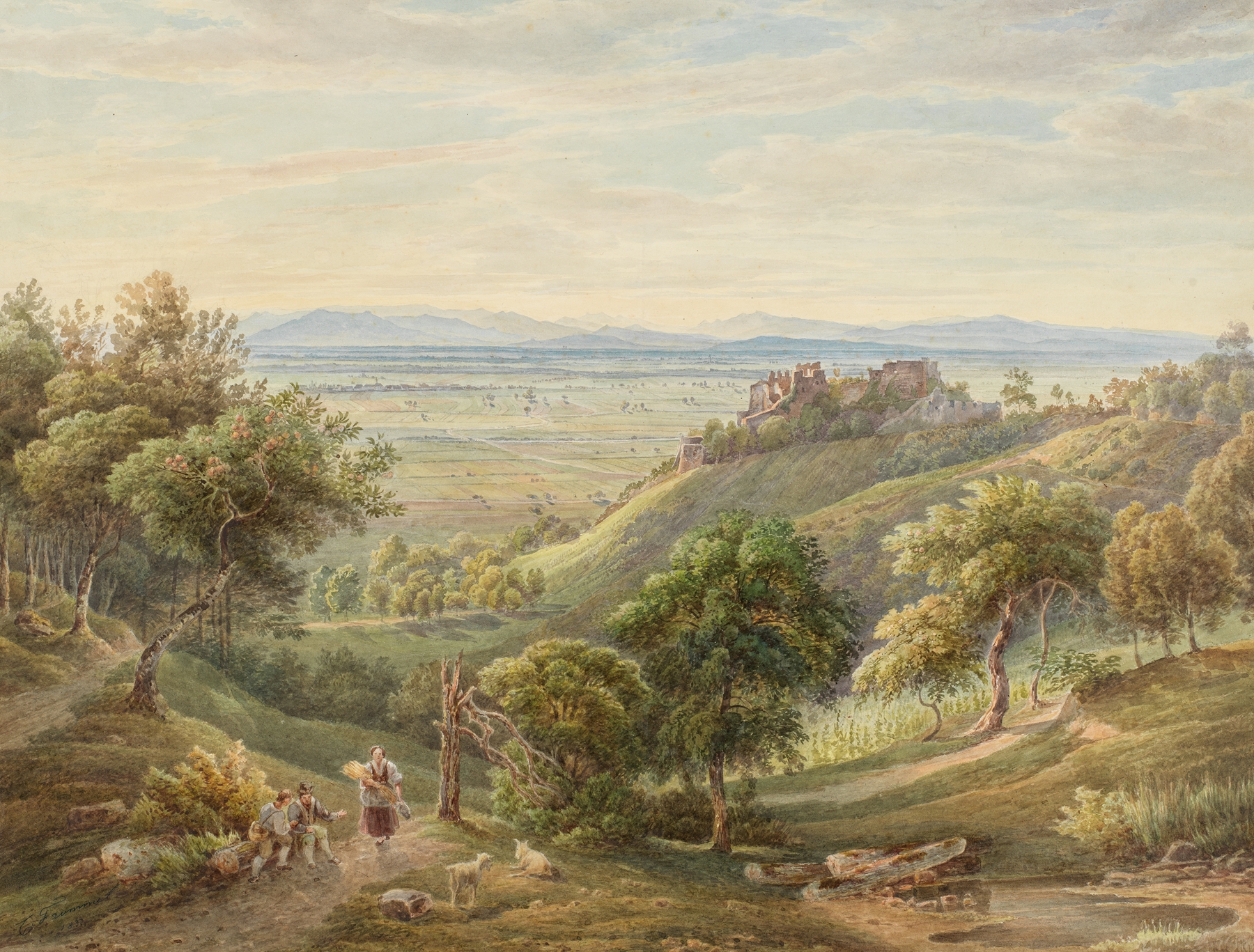
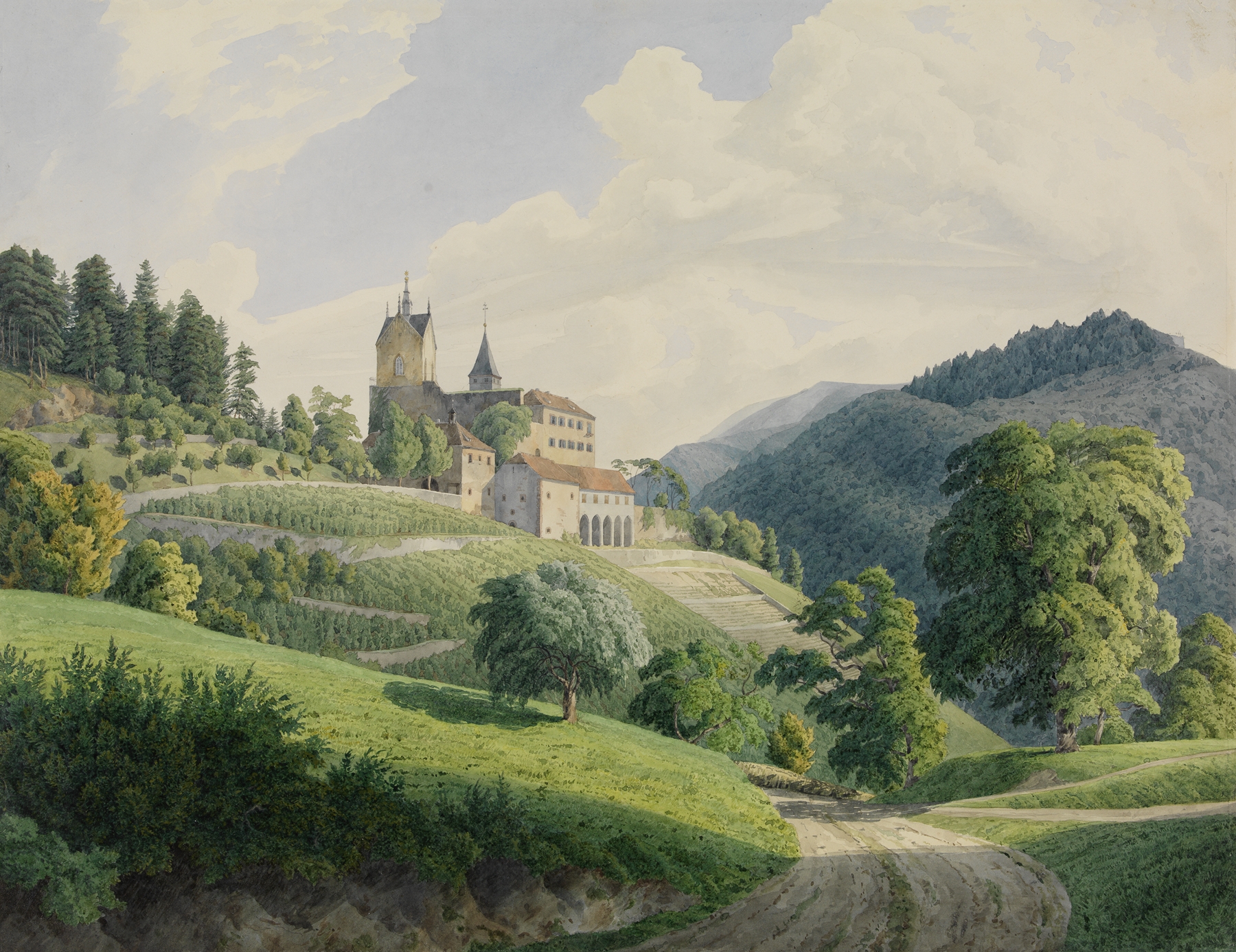
When did color learn to lie? In the world captured by Blick von der Zähringer Vorstadt in die Stadtmitte von Freiburg, beauty is woven into the fabric of reality, yet it conceals deeper truths beneath its vibrant hues. Look to the left at the sweeping green hills that cradle the city, their undulating forms inviting the eye to traverse the landscape. Notice how the sun filters through the branches of the trees, casting dappled shadows that dance across cobblestone streets.
The harmony of blues and greens evokes serenity, while the warm tones of the buildings create a vivid contrast that grounds this picturesque scene in the warmth of human presence. As you delve deeper, observe the intricate details—the tiny figures that populate the streets, lost in their lives, perhaps unaware of the beauty surrounding them. The juxtaposition of nature’s tranquility with the bustle of urban life hints at a tension between progress and preservation. This painting not only invites admiration but also prompts reflection on the bittersweet relationship between humanity and the natural world, urging us to reconsider what we deem beautiful.
Around 1825, Carl Ludwig Frommel painted this work during a time of burgeoning Romanticism in art, where emotions and individualism started to take precedence. Living in Freiburg, he was influenced by the scenic beauty of the Black Forest and the rise of artistic exploration. This piece emerged as part of a broader movement that sought to capture not just landscapes, but the essence of existence within them.