Boating scene on the Schuylkill River — History & Analysis
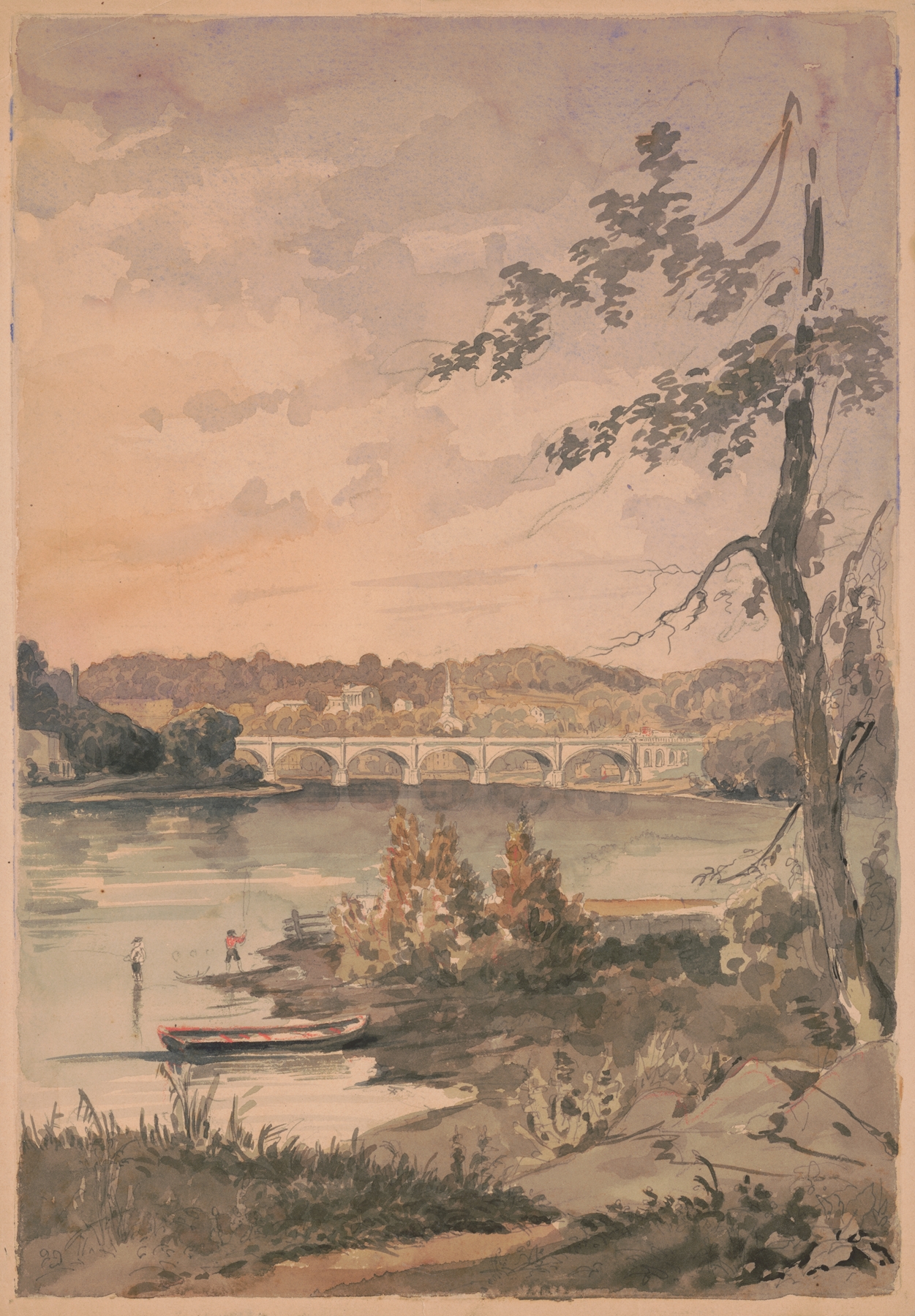
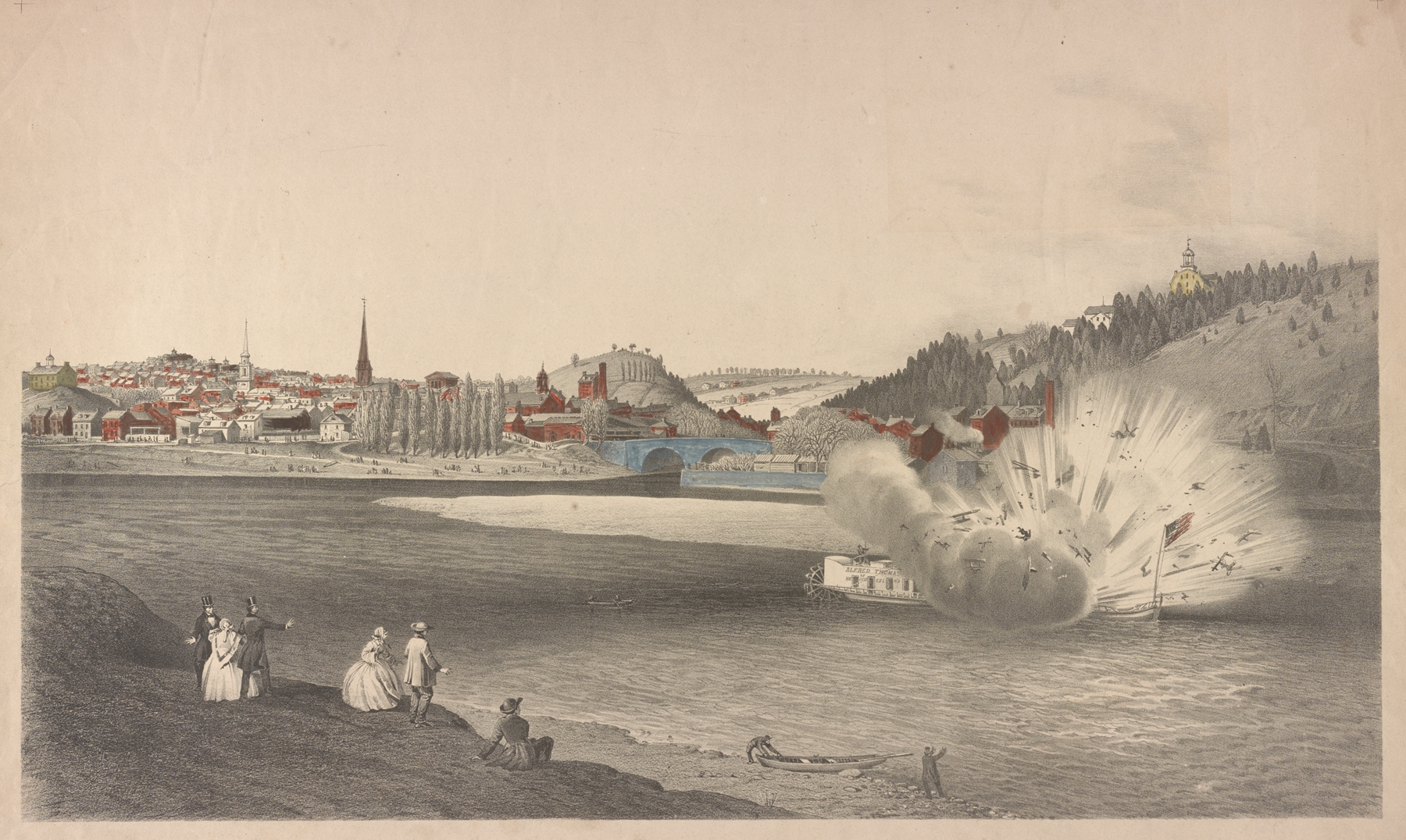
Can beauty exist without sorrow? In Boating scene on the Schuylkill River, the artist captures the essence of tranquility and renewal, inviting viewers to ponder the delicate balance between joy and longing. To appreciate this work, focus on the gentle ripples of the water, where the light dances just above the surface, creating a shimmering connection between the boats and their serene surroundings. The composition is framed by lush greenery that cradles the riverbanks, while the playful use of pastel hues evokes a sense of warmth and nostalgia.
The figures in the boats, engaged in leisurely conversation, draw the eye centrally, their bright clothing contrasting with the muted earth tones of the landscape. Yet beneath this idyllic scene lies a complex interplay of emotions. The river, a symbol of life’s continuous flow, suggests rebirth, while the stillness of the water hints at moments of introspection and unexpressed feelings. Each figure's gesture speaks volumes—be it the subtle lean of a body towards another or the way hands hover near the water’s edge, suggesting connection and separation simultaneously.
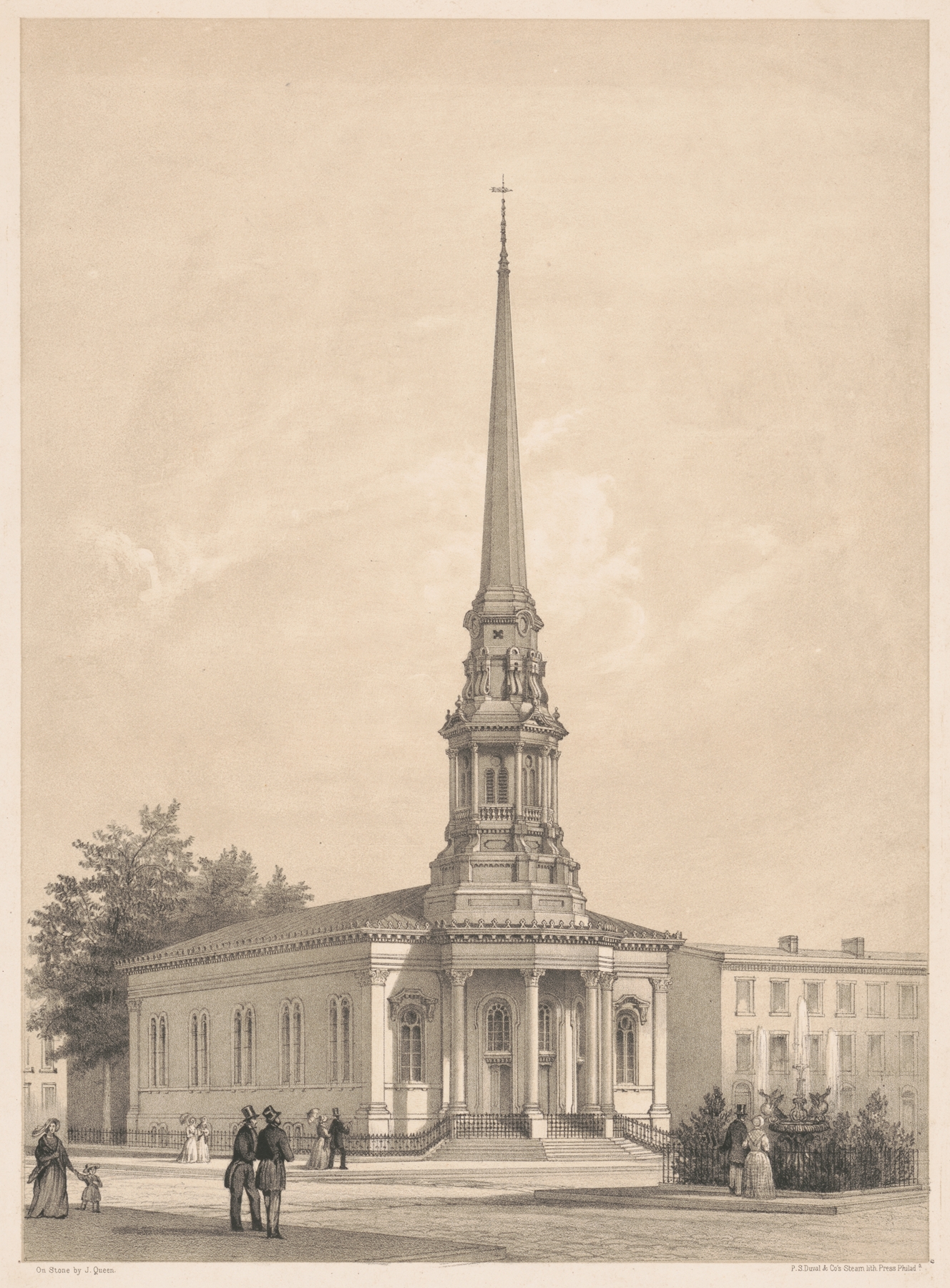
These contrasts amplify the painting's emotional resonance, evoking reflections on the passage of time and the transient nature of pleasure. James Fuller Queen painted this work between 1870 and 1876, during a period marked by the United States' post-Civil War transformation. Living in Philadelphia, Queen was influenced by the burgeoning Romantic landscape movement, which sought to capture the beauty of nature while reflecting the nation's healing spirit. His focus on the Schuylkill River exemplifies a deep appreciation for the local environment, aligning his art with the themes of rebirth and renewal prevalent in the era.