Boerenhuizen in vlak land — History & Analysis
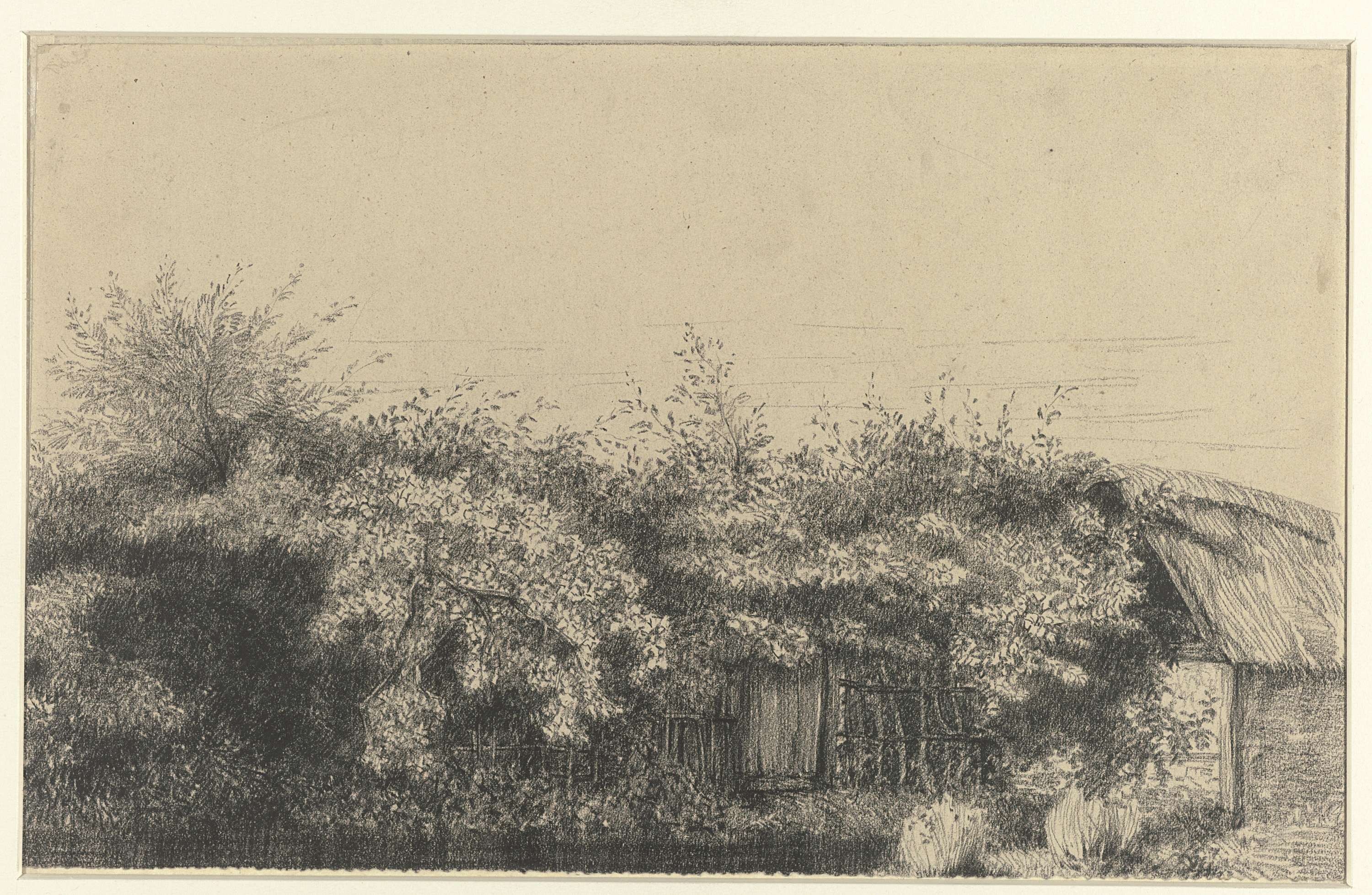
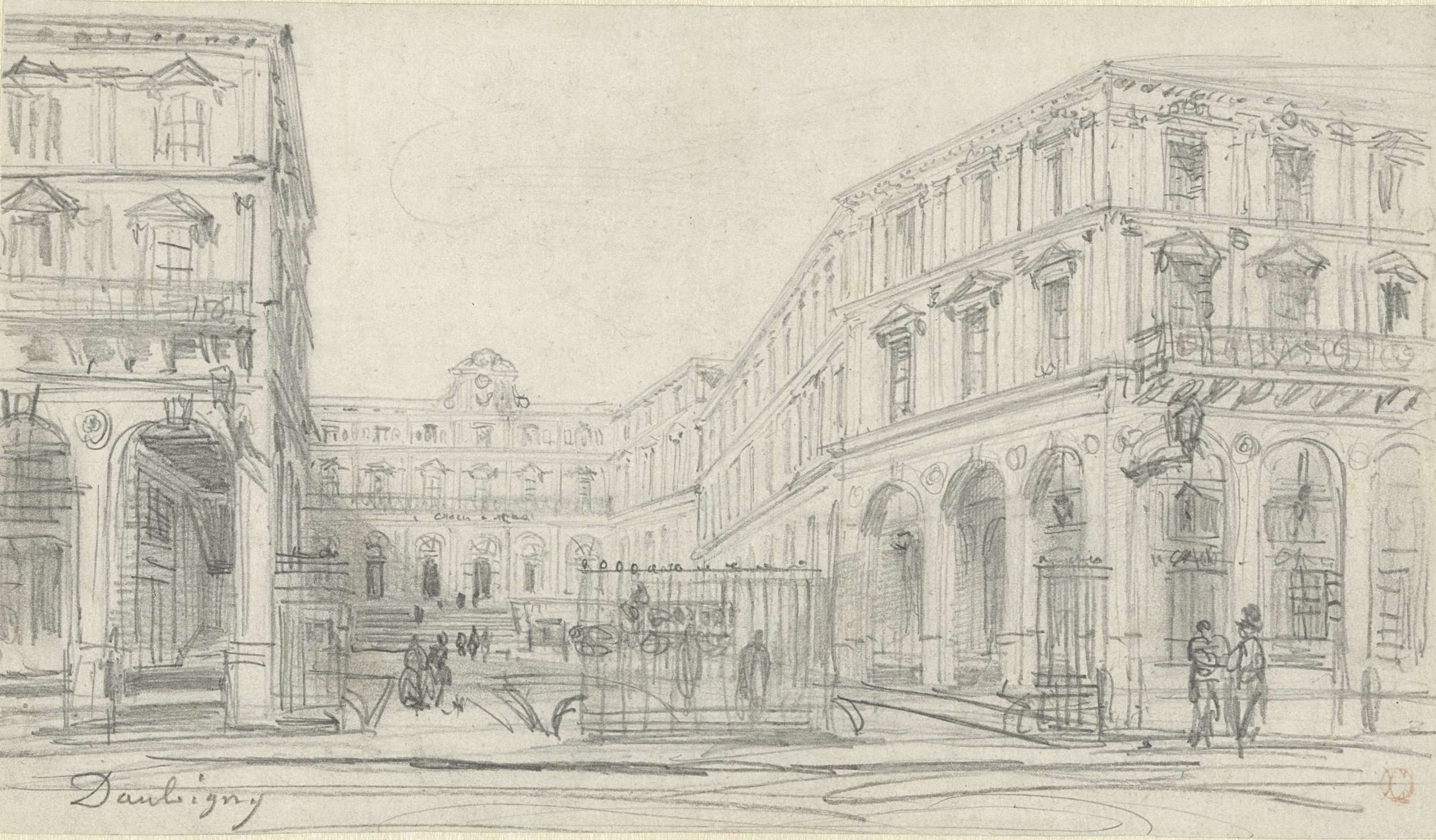
“Art reveals the soul when the world turns away.” In this quiet moment, Charles-François Daubigny's Boerenhuizen in vlak land invites us to witness the profound truths hidden within simplicity. It speaks to the heart of life itself, whispering stories of labor, community, and the passage of time. Look to the left, where the humble farmhouses emerge from the canvas, their worn facades painted in earthy tones that merge harmoniously with the surrounding fields. The gentle strokes embody the texture of thatched roofs and weathered walls, as if inviting you to reach out and touch them. Notice how the light dances across the landscape, casting elongated shadows that create a sense of depth and tranquility.
This interplay of light and shadow not only defines the scene but evokes a feeling of nostalgia, pulling the viewer into a serene rural existence. Beyond the outward appearance, layers of meaning unfold. The proximity of the houses suggests community, where lives intertwine, yet the vast expanses of the flat land hint at isolation and the struggle against nature’s elements. The calmness of the scene belies the hardships faced by farming families, a contrast that reflects the duality of rural life—a life marked by both serenity and relentless toil.
Each brushstroke serves to elevate these themes, capturing the resilience of those who dwell within this landscape. In 1865, Daubigny painted this work during a period of transition in the art world, where realism began to take precedence over romanticism. Deeply influenced by the Barbizon School, he sought to depict nature and everyday life with authenticity. Living in France amidst the rise of Impressionism, he contributed to this evolving artistic narrative, focusing on the essence of the natural world while remaining grounded in the realities of agrarian life.