View of the Oise River — History & Analysis
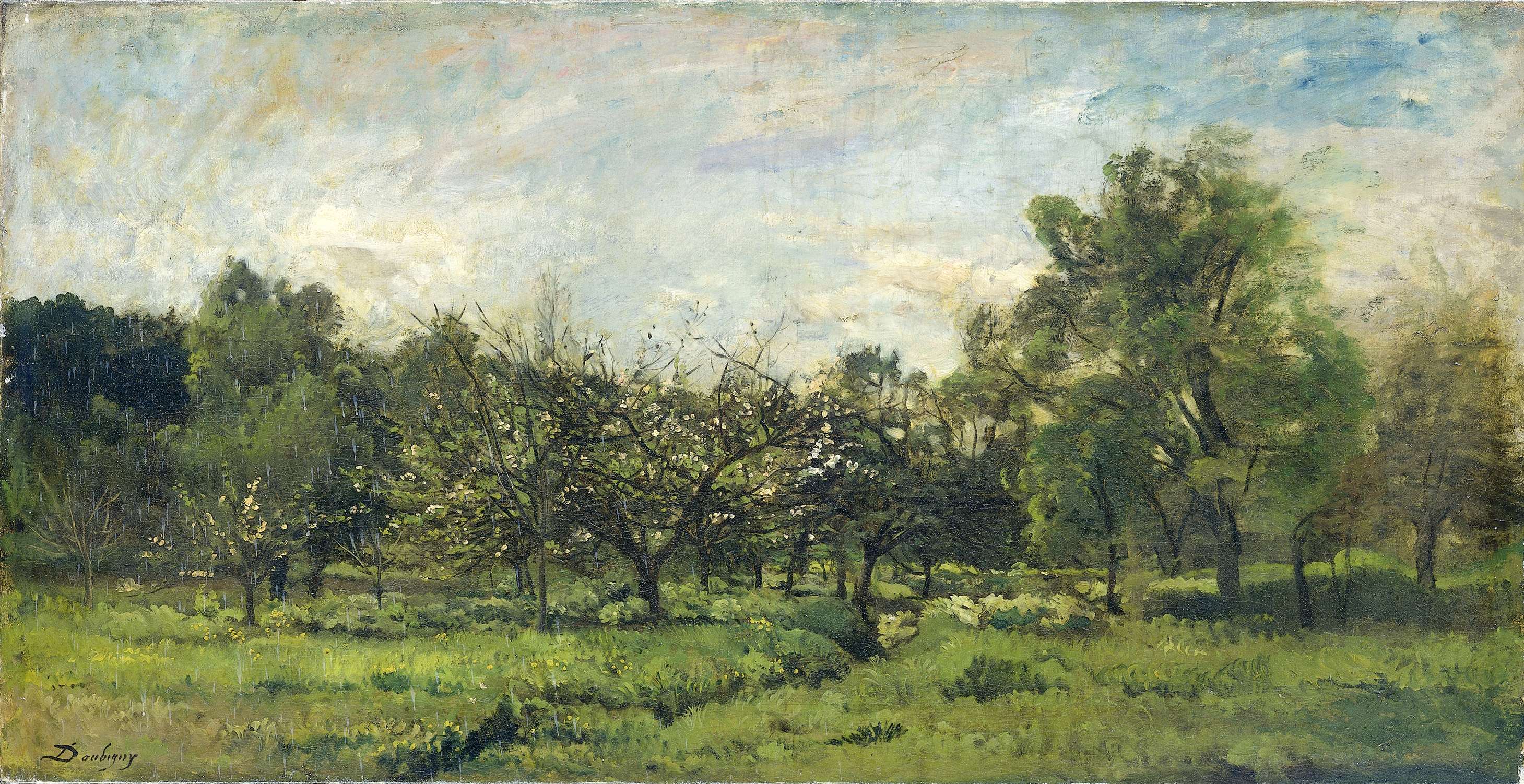
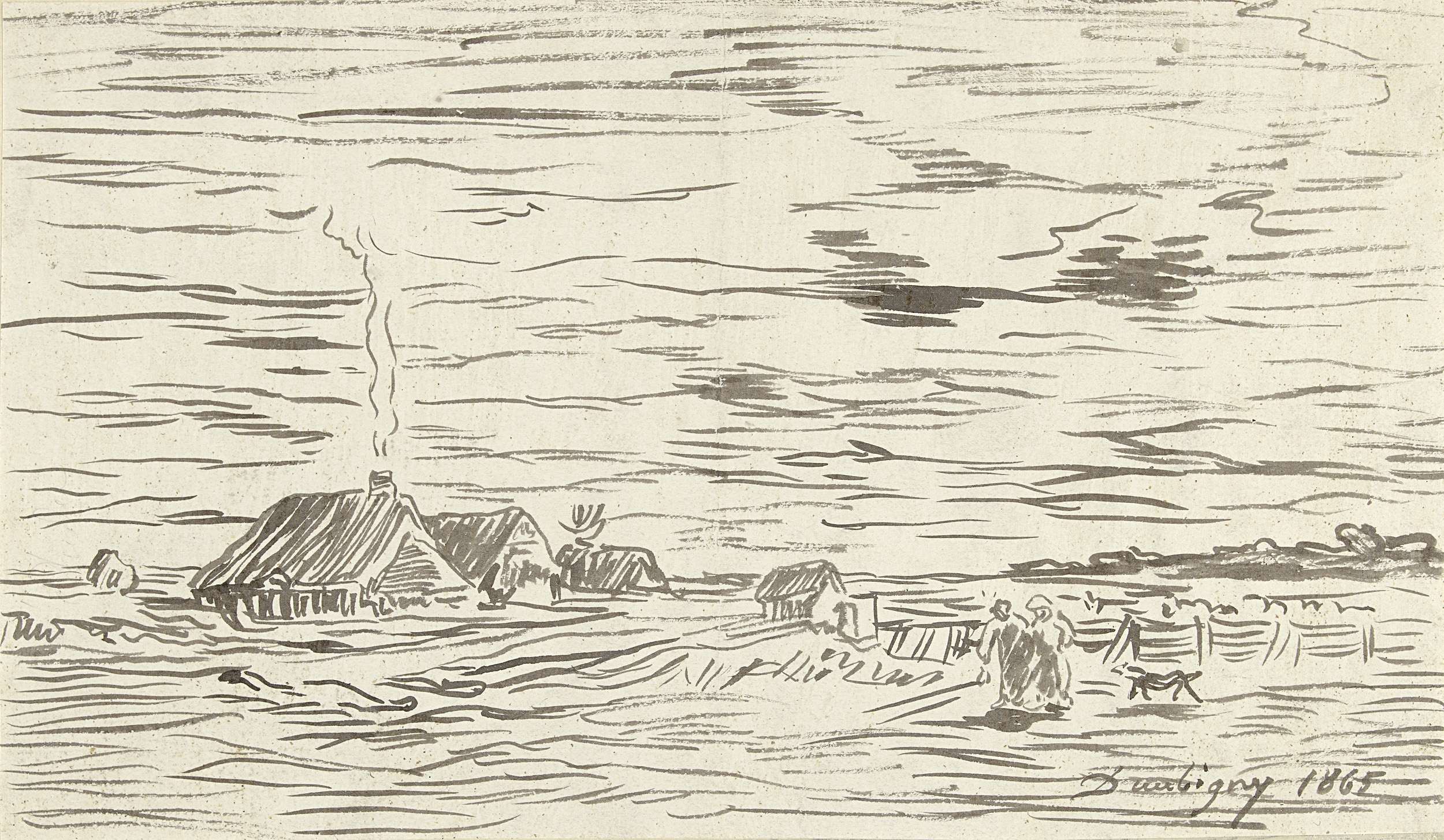
Who listens when art speaks of silence? In View of the Oise River, the essence of tranquility resonates through the stillness of the landscape, inviting contemplation and awe. Look closely at the shimmering surface of the water. Notice how the delicate brushstrokes create ripples that dance like whispers of wind, reflecting the soft hues of a fading day. The horizon is a gentle gradient of blues and golds, where the twilight sky meets the river’s edge.
The trees, painted in varying greens, stand sentinel on either side, framing this serene moment, while the distant hills cradle the scene in their embrace. Beneath the calm exterior, there’s a palpable tension between nature and time. The water, so inviting yet ephemeral, reminds us of fleeting moments in our own lives. The juxtaposition of the stillness of the river against the vibrant colors of the sky evokes both peace and an underlying yearning, as if the scene is a memory captured, nostalgic yet elusive.
The viewer is drawn into this interplay, feeling both anchored and adrift. In 1872, Daubigny was painting in the idyllic surroundings of the Oise region, a time when the Impressionist movement was gaining momentum in France. He was transitioning from a more traditional style to one that embraced spontaneity and light, marking a significant period of introspection in his life. Influenced by his contemporaries, this work reflects the broader shift towards capturing fleeting moments in nature, embracing both beauty and melancholy.