Wijnperserij — History & Analysis
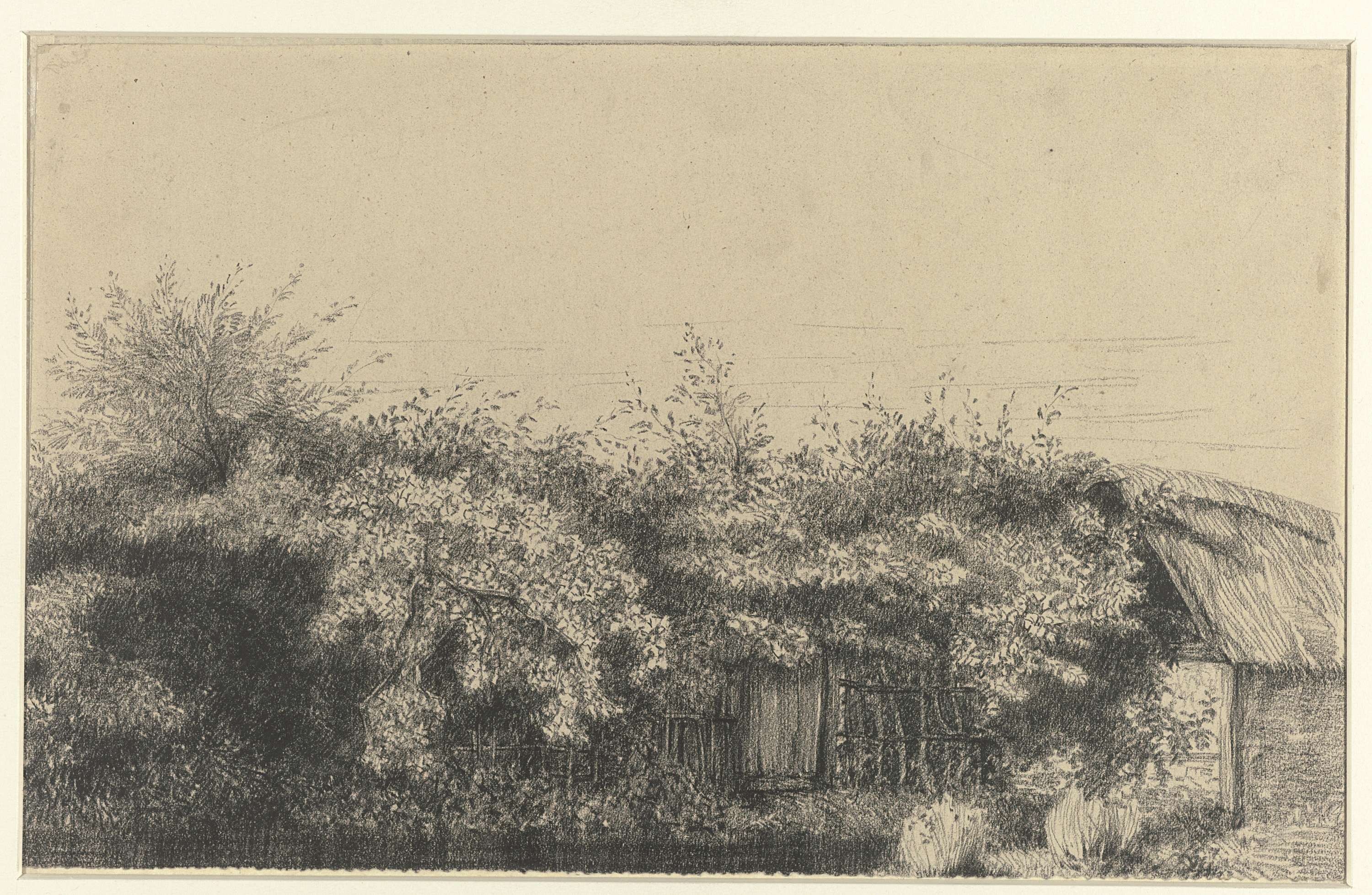
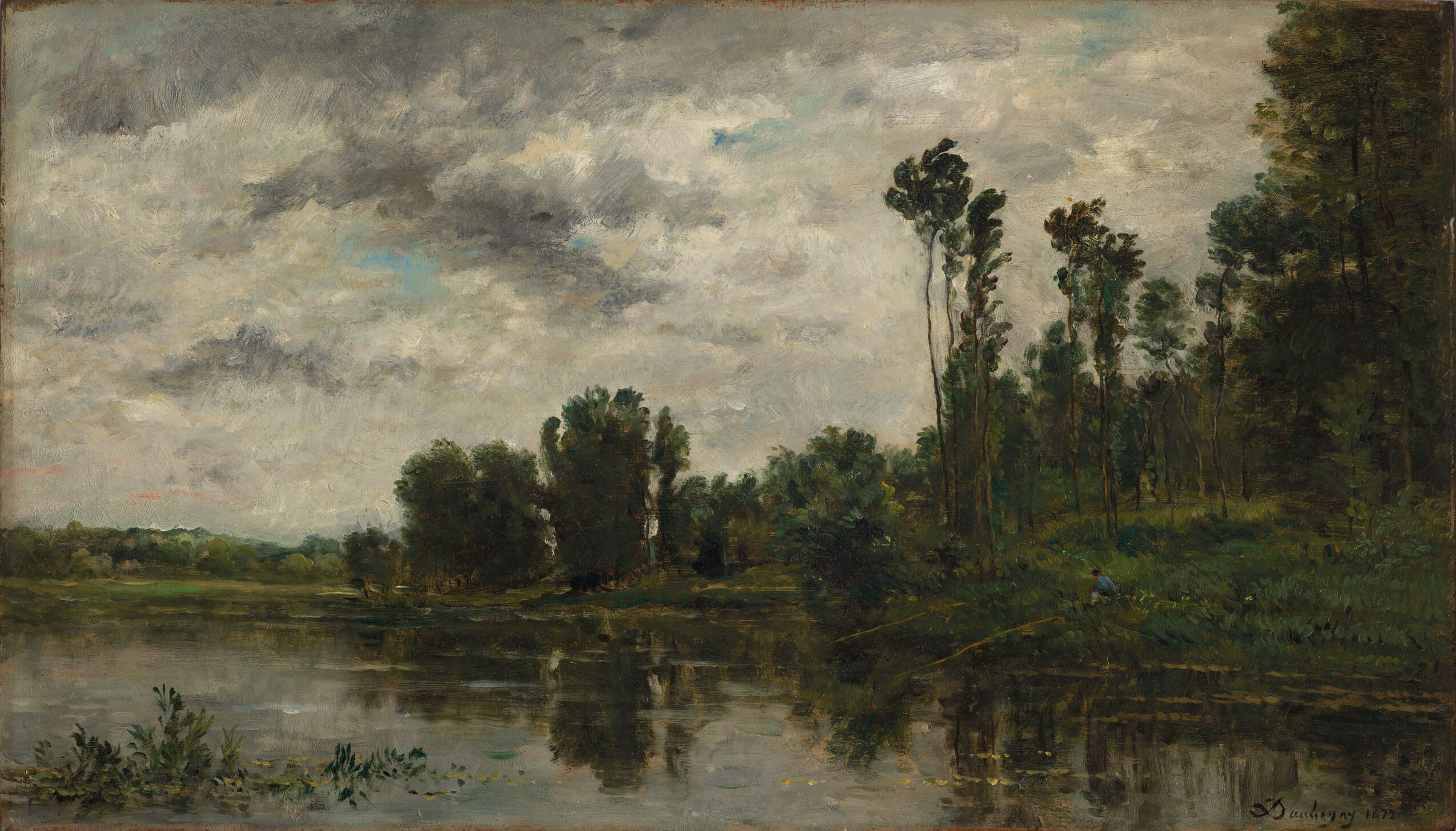
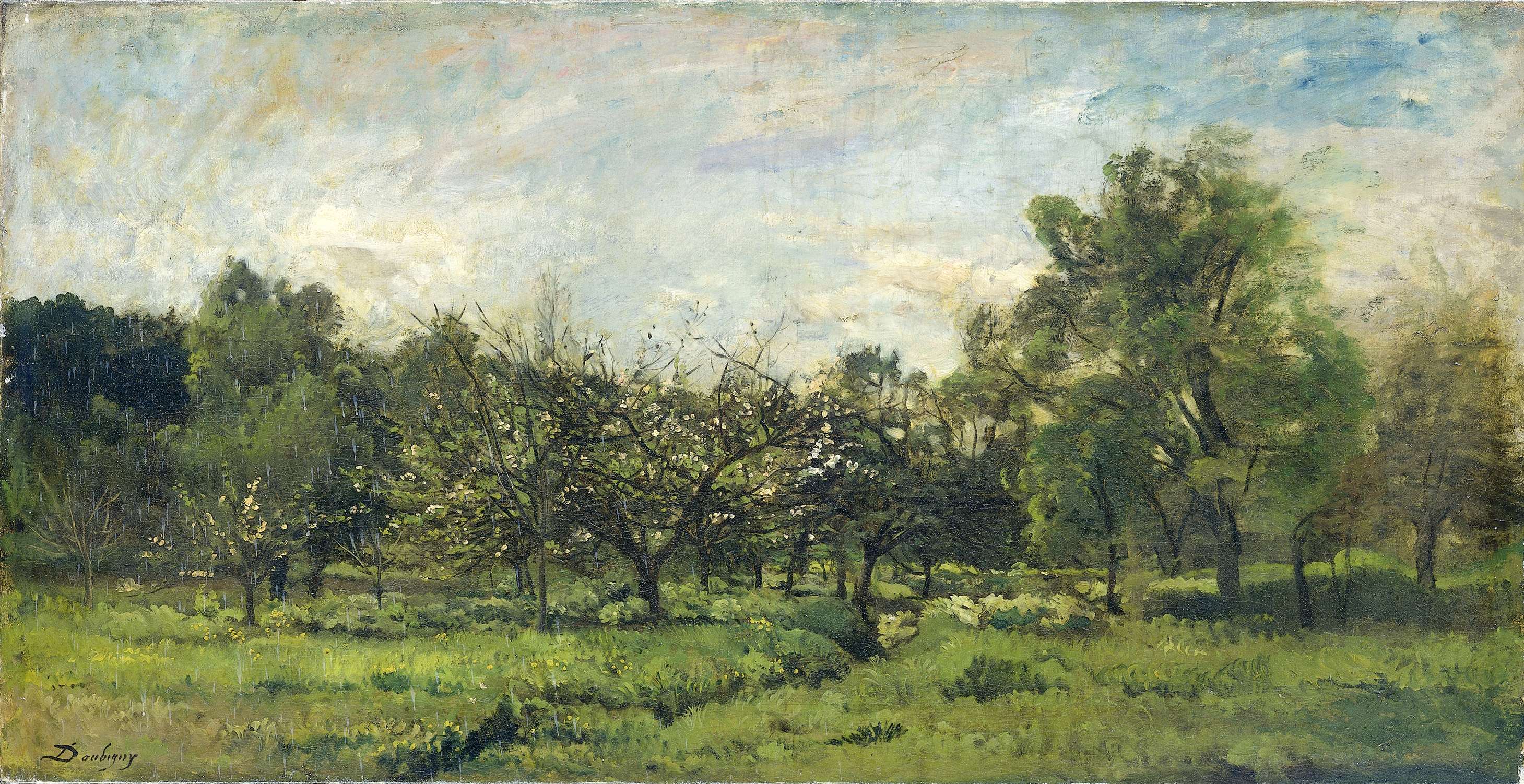
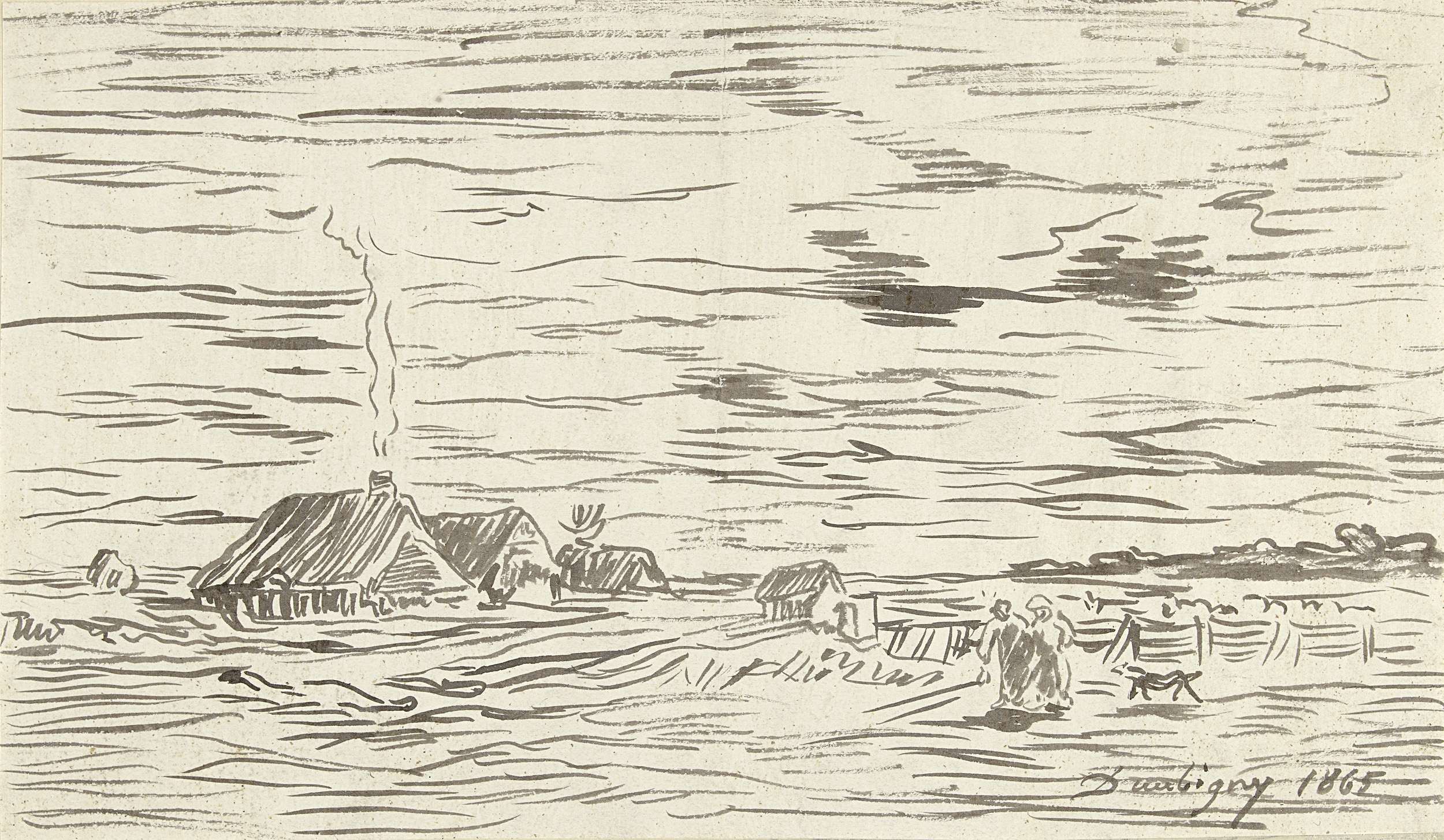
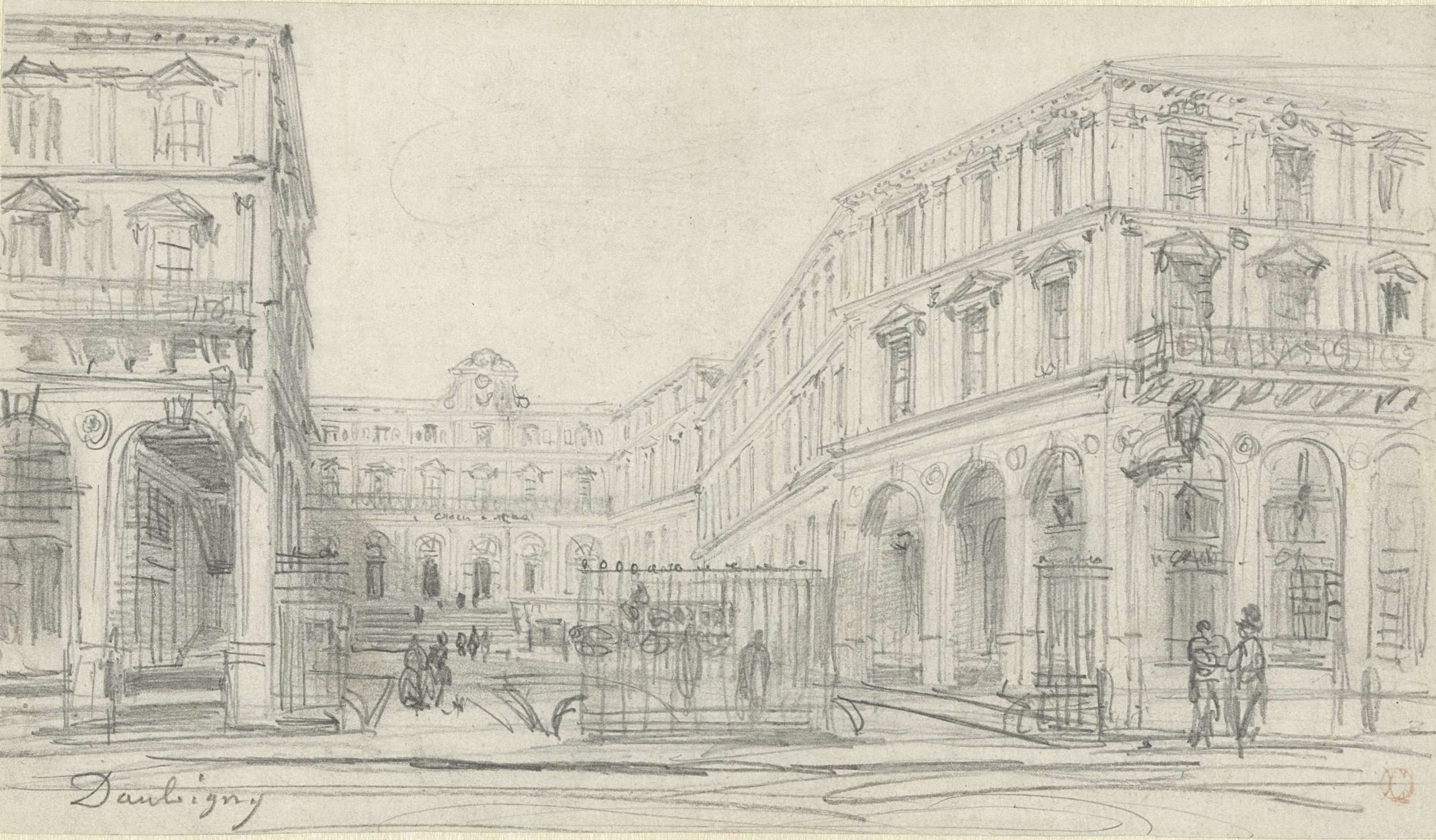
“To paint is to remember what time wants us to forget.” In the quiet embrace of a vineyard, stillness reigns, whispering secrets of harvest and memory. The air hangs heavy with anticipation, untouched by the clamor of human hands. Here, the silence is palpable, a sanctuary where time itself seems to pause. Look closely at the canvas, and you’ll first notice the expansive horizon painted in soft, earthy tones. The delicate interplay of greens and golds captures the essence of ripened grapes under dappled sunlight, drawing your gaze to the burgeoning vines.
The brushstrokes are loose yet deliberate, evoking a sense of movement, as if the scene might stir to life at any moment. Daubigny’s use of light gently illuminates the quiet labor unfolding, inviting contemplation on both the beauty of nature and the subtlety of human effort. Hidden within the tranquil landscape lies a poignant tension between labor and stillness. The figures, though seemingly absent, evoke the weight of tradition and toil, embodying a connection to the land that speaks of generations passed. This juxtaposition of silent labor and nature’s bounty creates an emotional resonance, prompting the viewer to reflect on the cycles of life and the impermanence of harvests.
Each brushstroke not only depicts the physical scene but also encapsulates the silent stories of the people who dwell within it. Daubigny painted Wijnperserij during a period of personal and artistic growth in the mid-19th century while residing in France. It was a time of burgeoning Impressionism, where artists began to embrace the nuance of light and color in their work. He sought to capture the essence of rural life, marking a shift toward a more intimate depiction of landscapes, influenced by his experiences and the evolving art movements of his time.