Bord de la rivière — History & Analysis
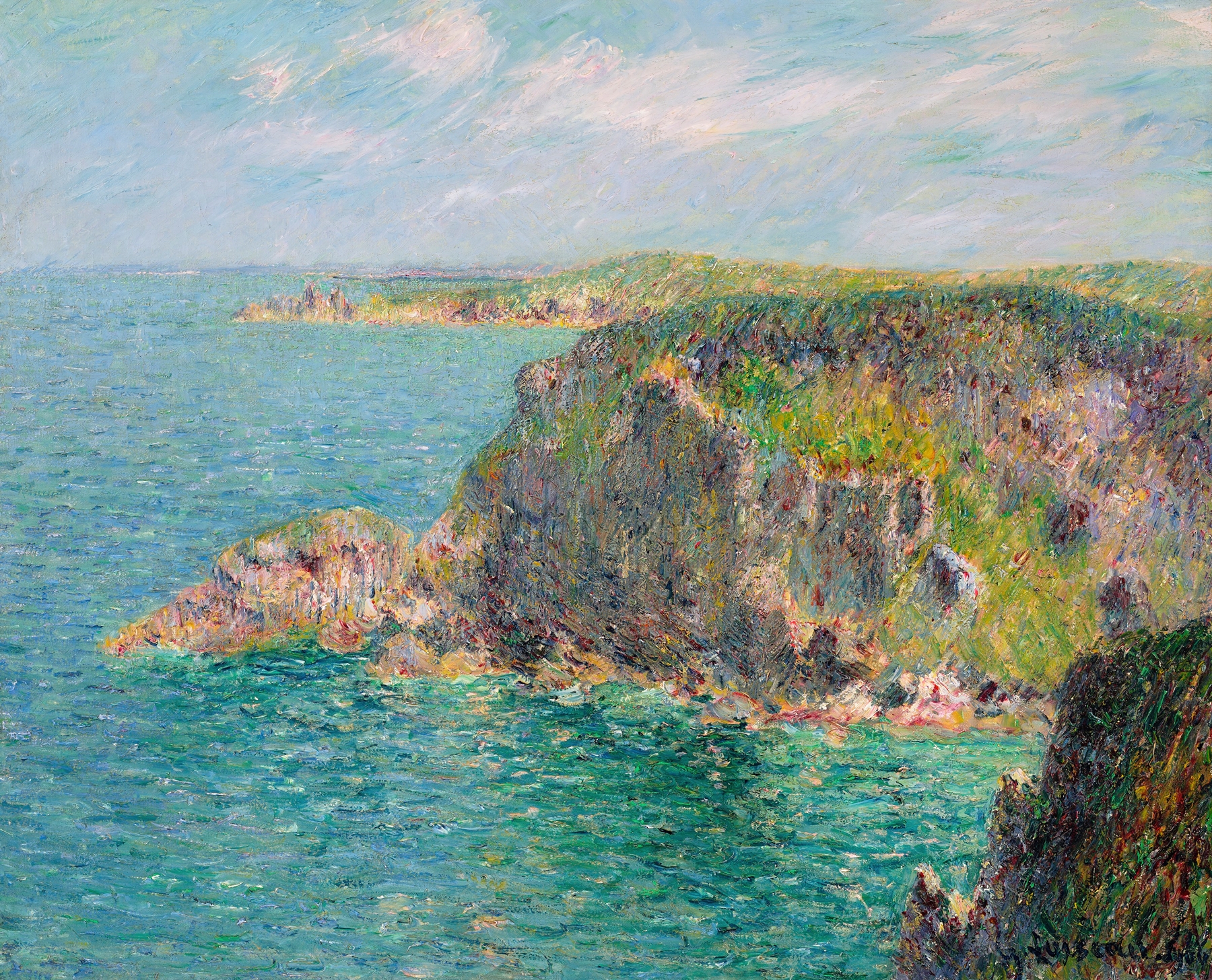
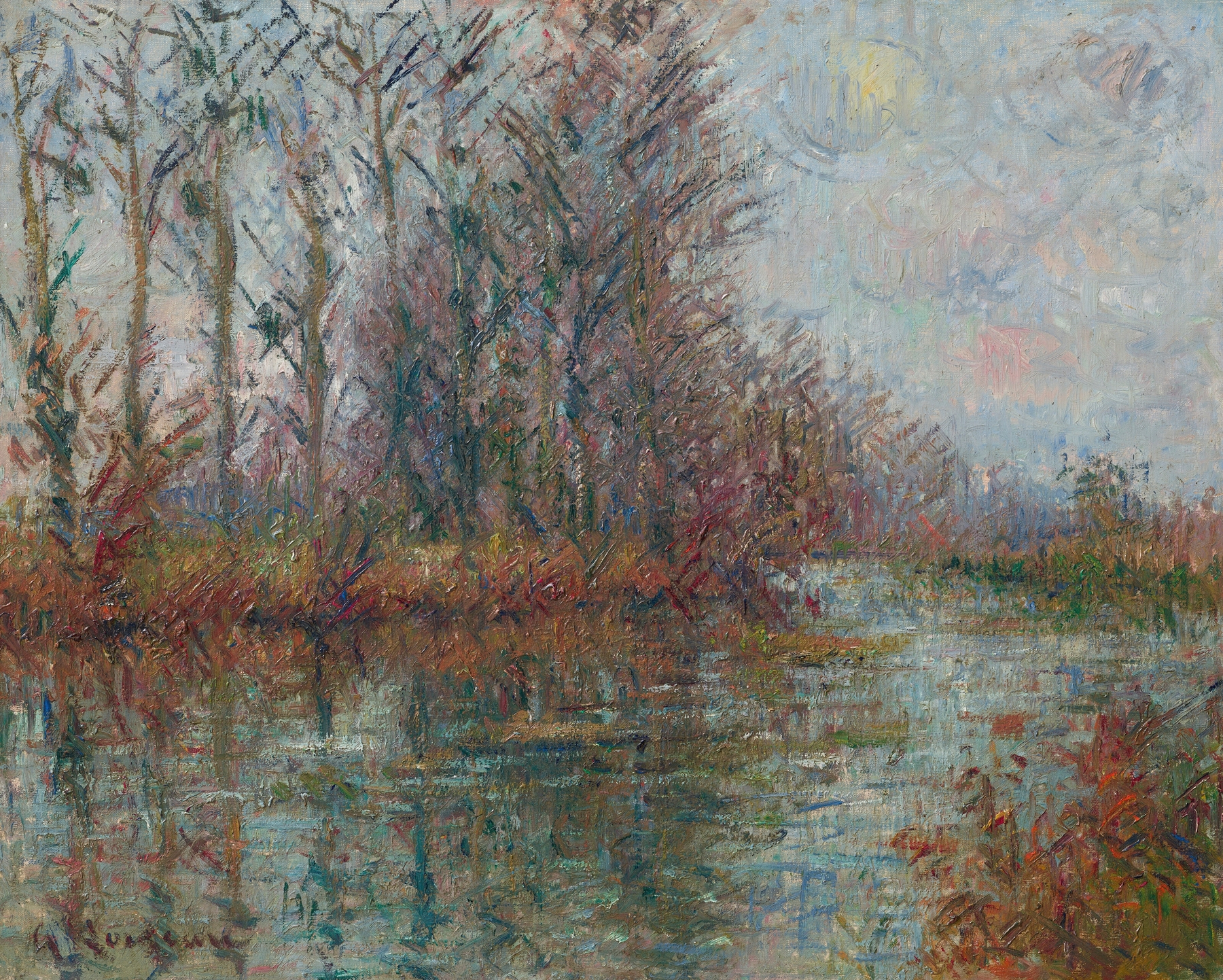
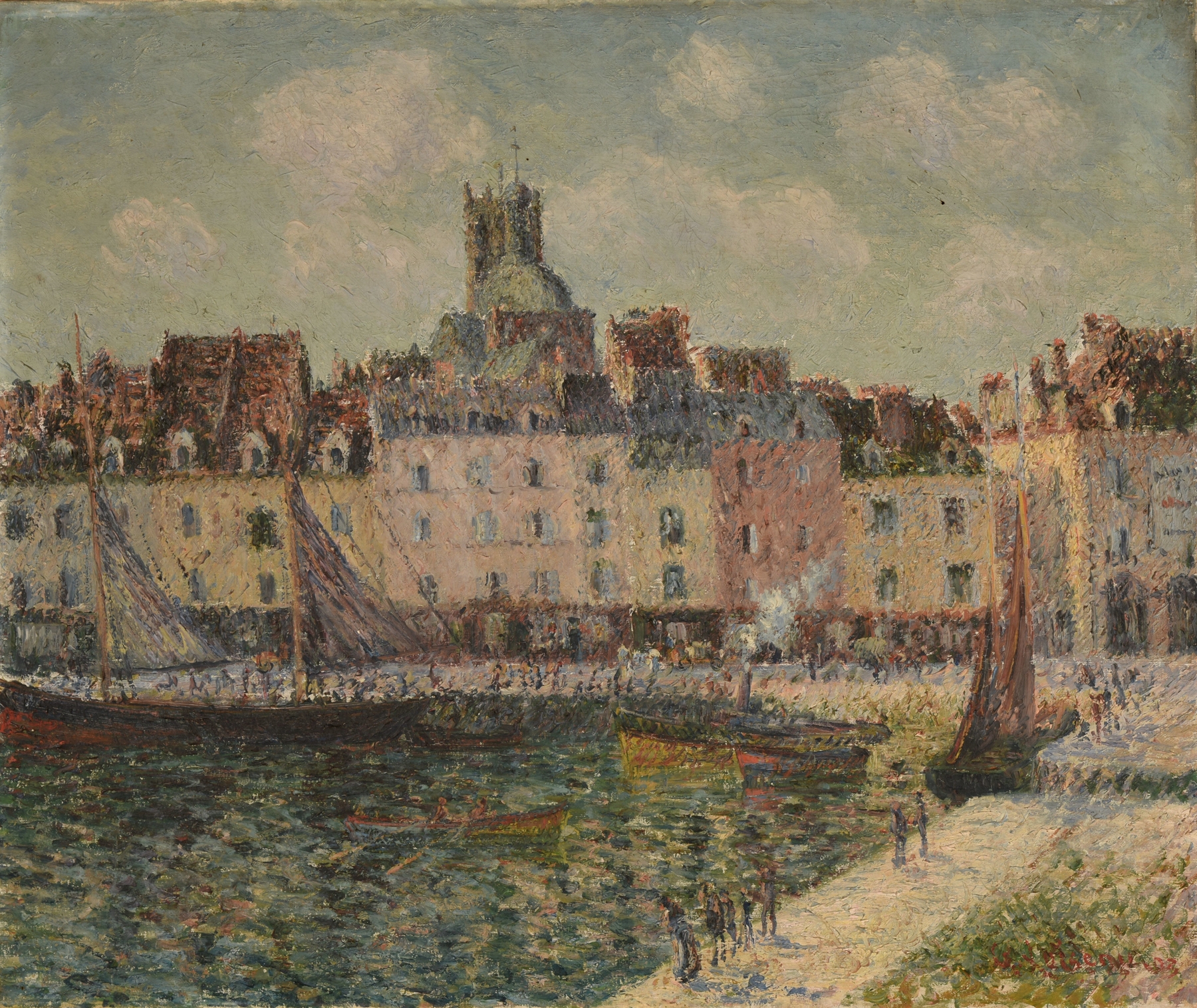
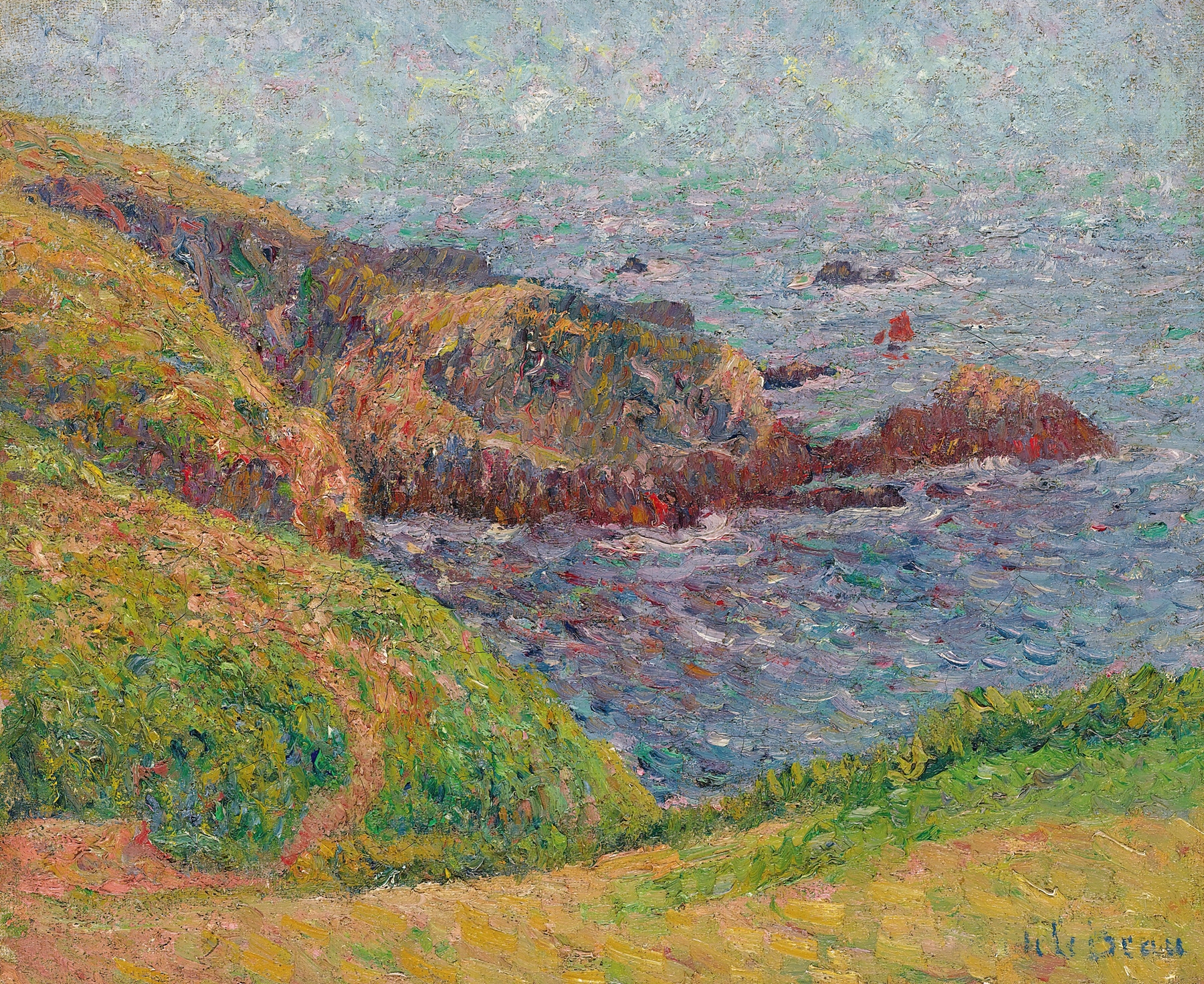
Is this a mirror — or a memory? The shimmering surface of the water reflects a landscape caught between the vibrancy of life and the whispers of decay. Look to the left at the soft, swirling brushstrokes of greens and browns that evoke a tranquil riverside. The gentle lap of water against the bank is palpable, as the artist captures the essence of nature with an impressionistic touch. Notice how the dappled sunlight dances across the water’s surface, hinting at movement and life while simultaneously conjuring a sense of stillness.
The color palette, infused with muted tones, draws your gaze to the delicate interplay of shadows and light, creating a dreamlike quality that beckons contemplation. Beneath this serene facade lies a tension between vitality and impermanence. The trees, though lush, seem to carry the weight of time, their branches bending slightly as if yielding to unseen forces. The river, a symbol of continuity, flows quietly, yet its very presence suggests the inevitable passage of time and the decay that follows.
Each brushstroke invites you to ponder the fleeting moments of beauty that exist on the brink of transformation, encapsulating the bittersweet reality of nature. In 1901, the artist painted this piece in France amidst a shift towards modernism, exploring themes of light and atmosphere. During this period, Loiseau was deeply engaged in the Impressionist movement, seeking to evoke emotional responses through color and form. As he immersed himself in the natural landscapes surrounding him, Bord de la rivière reflects both his artistic evolution and the transient beauty inherent in the world around us.