La Neige à Mortain (Manche) — History & Analysis
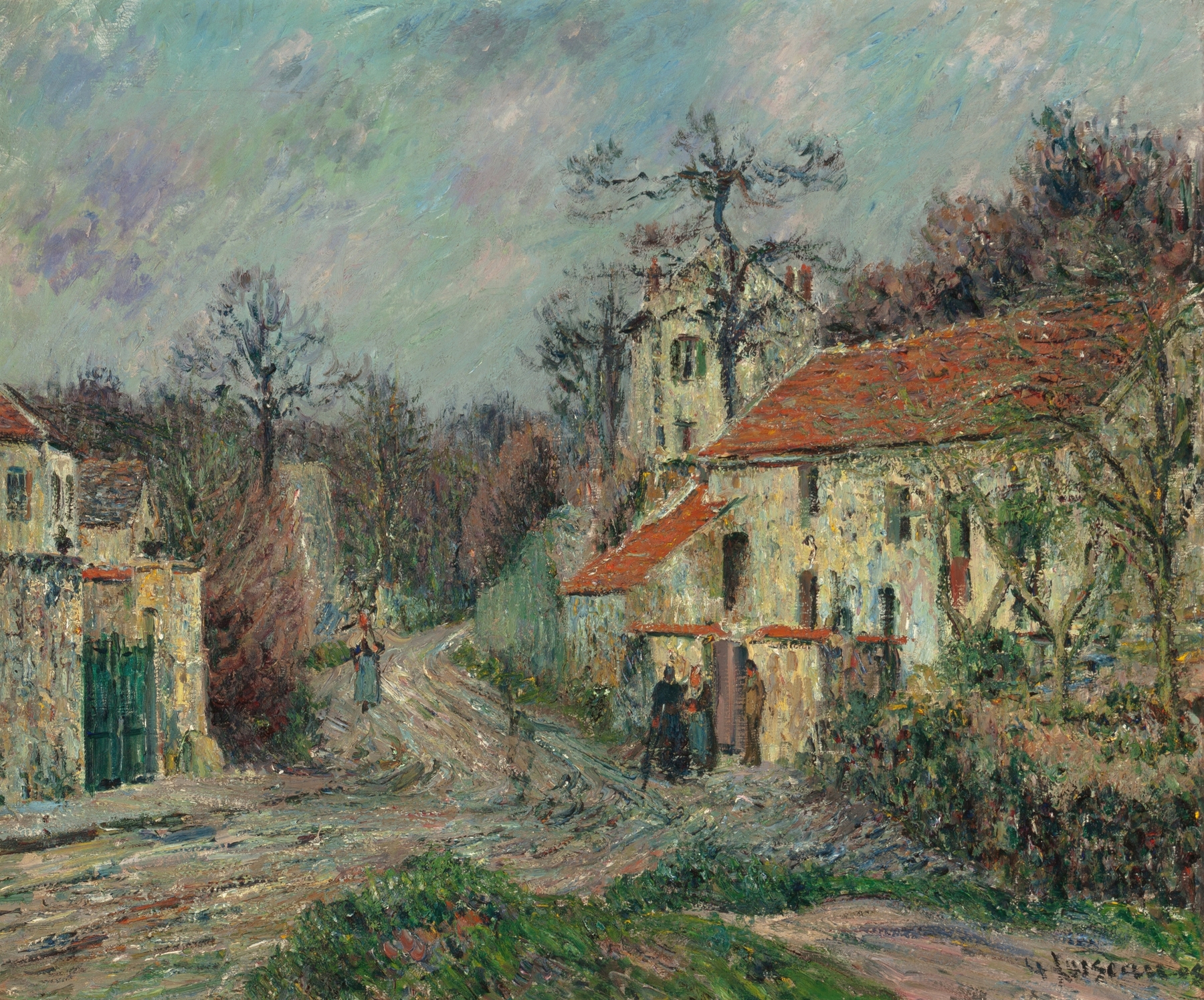
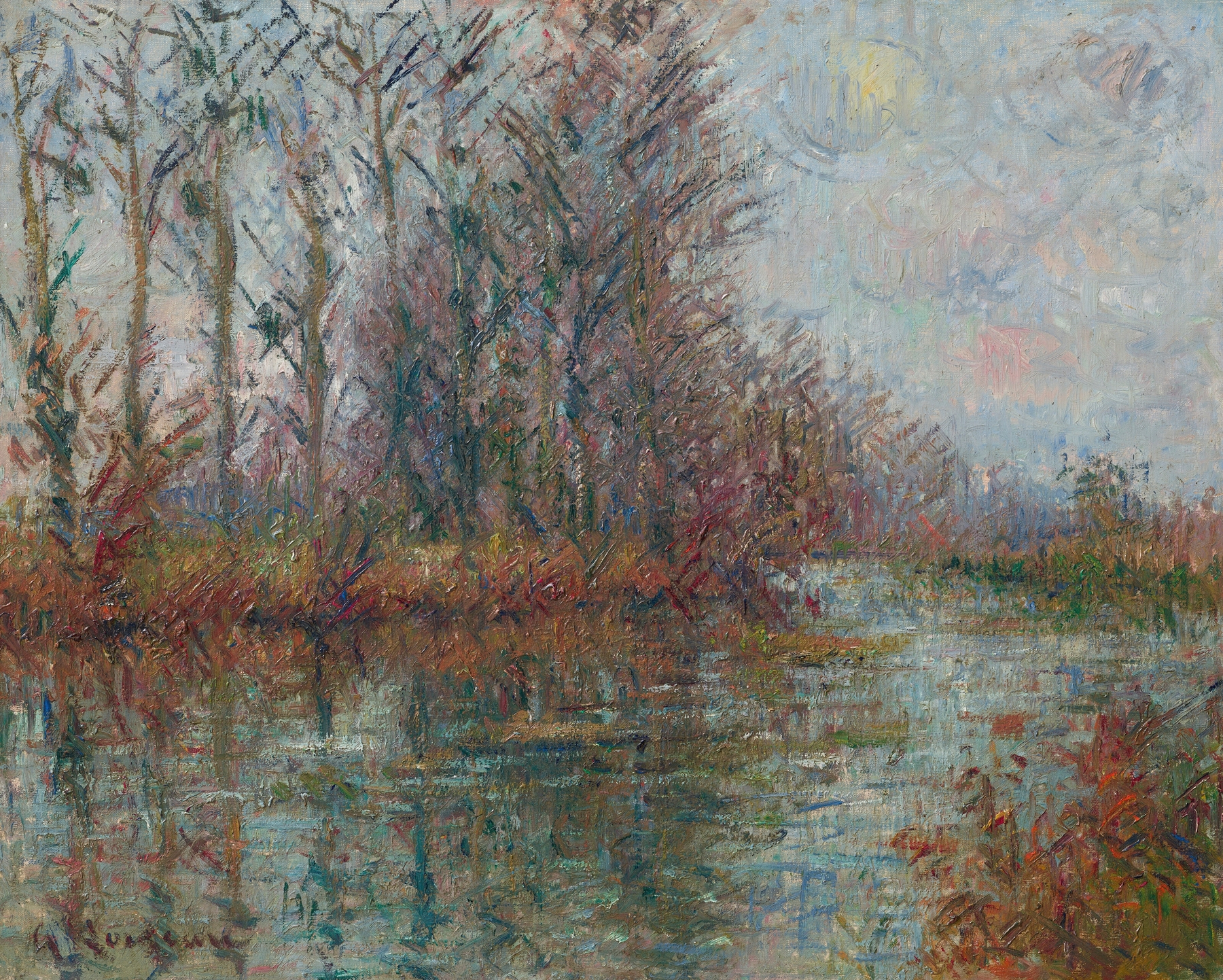
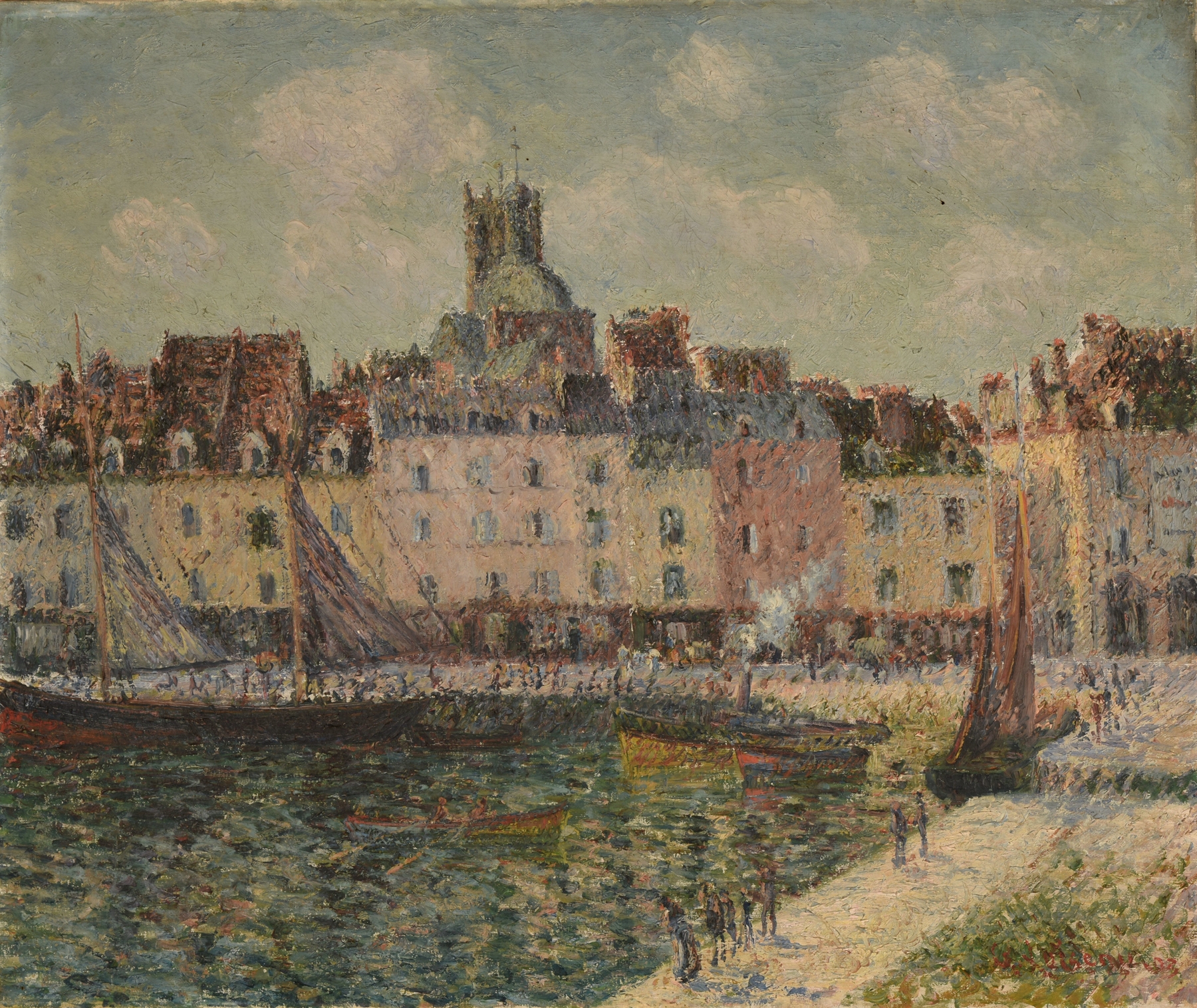
What if silence could speak through light? In Gustave Loiseau’s La Neige à Mortain (Manche), the chaos of winter is transformed into a tranquil dialogue, where each brushstroke whispers the serenity of snowfall. Look to the center of the canvas, where a gentle cover of white blankets the landscape, inviting you to explore the play of soft shadows and muted colors. The trees, with their dark limbs juxtaposed against the pure snow, create a stark contrast that draws the eye. Notice how the light reflects off the crystalline surface, creating a shimmering effect that suggests a world momentarily paused.
Loiseau’s impressionistic technique allows the viewer to feel the cold air, almost tangible through his delicate application of paint. Yet, beneath this serene surface lies a deeper narrative of chaos and stillness. The swirling blues and grays hint at the tumultuous sky, while the haphazard arrangement of the tree branches suggests a struggle against the weight of the snow. This tension captures the duality of winter — a season of both beauty and hardship, where silence envelops the landscape while chaos churns just beneath.
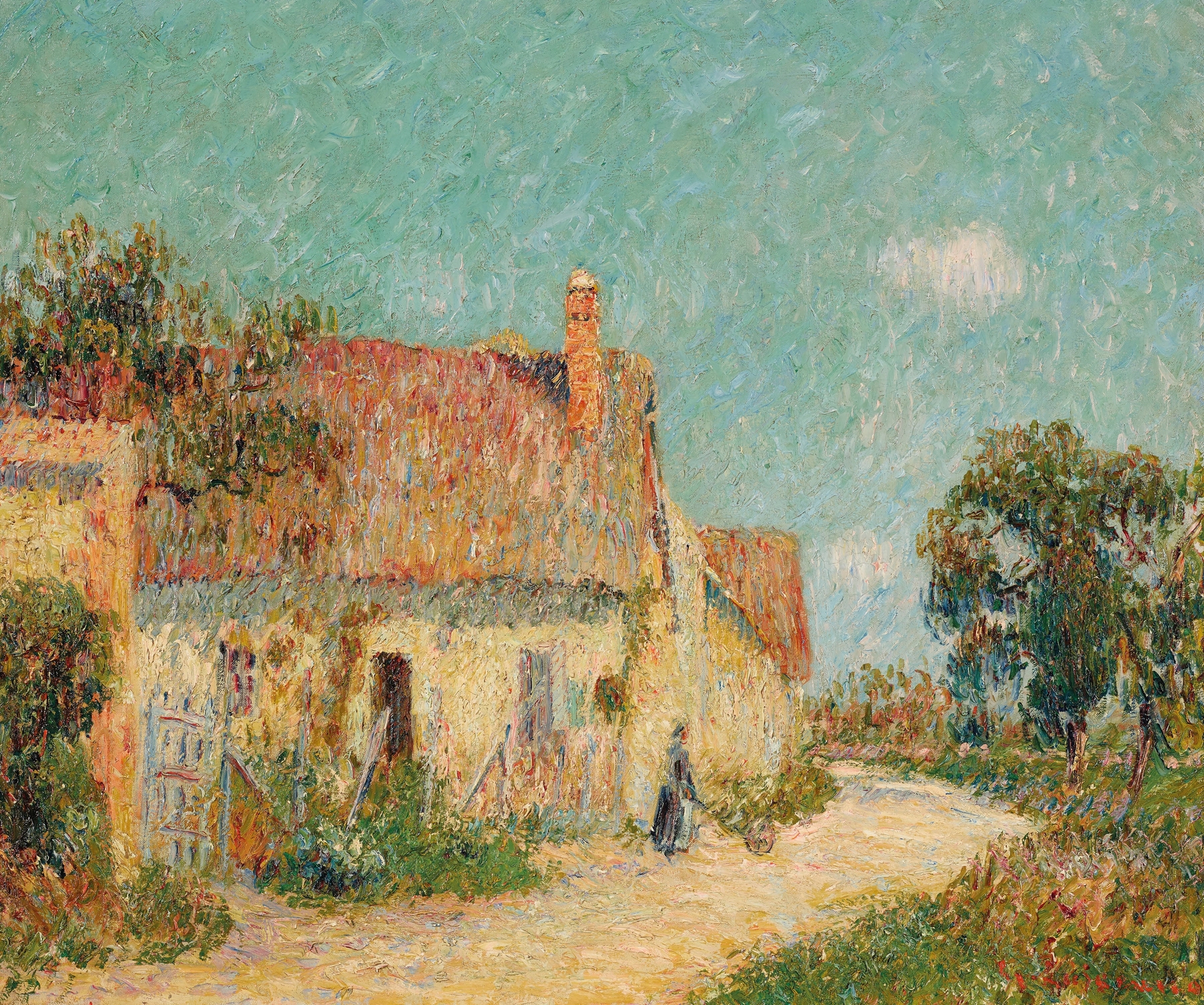
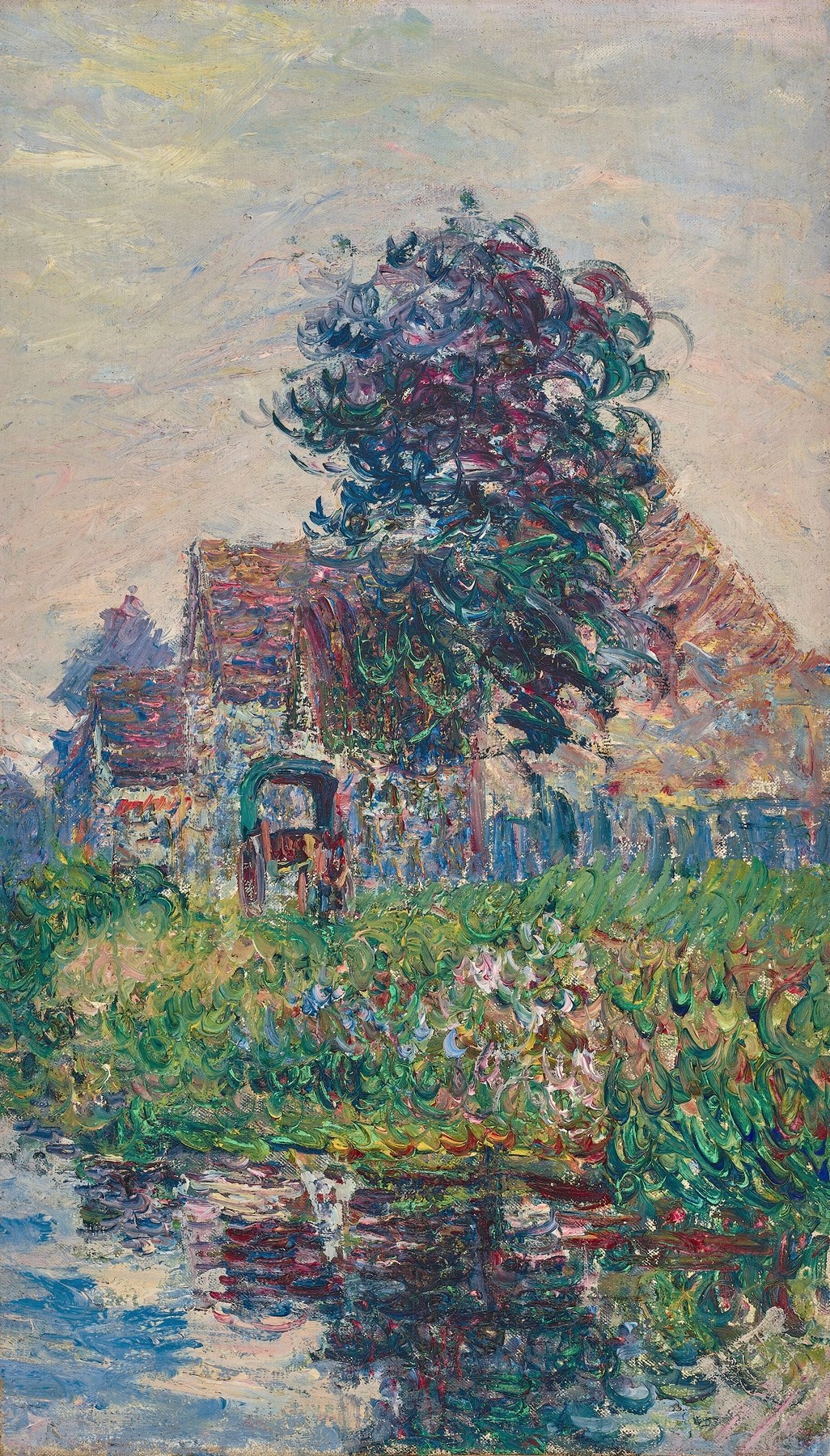
The artist’s choice of palette evokes a sense of solitude, inviting contemplation on the complexities of nature. In 1894, Loiseau painted this piece during a transformative period in French art, where Impressionism began to intertwine with more personal expressions of mood and atmosphere. Living in Normandy, he was influenced by the local scenery and the changing seasons. This work reflects both his artistic evolution and the broader movement towards capturing fleeting moments, revealing a world of internal and external turbulence through the lens of a snowy landscape.