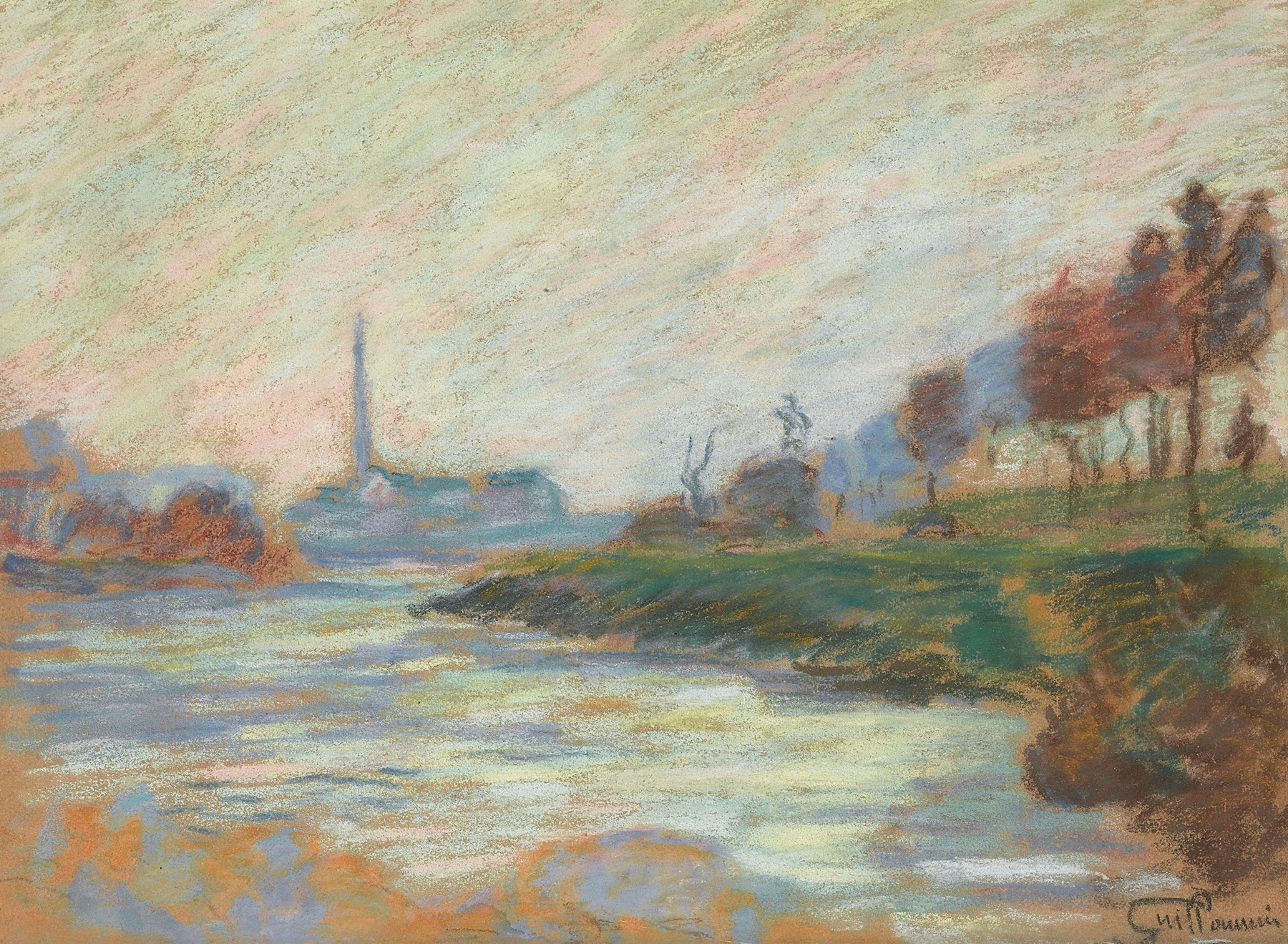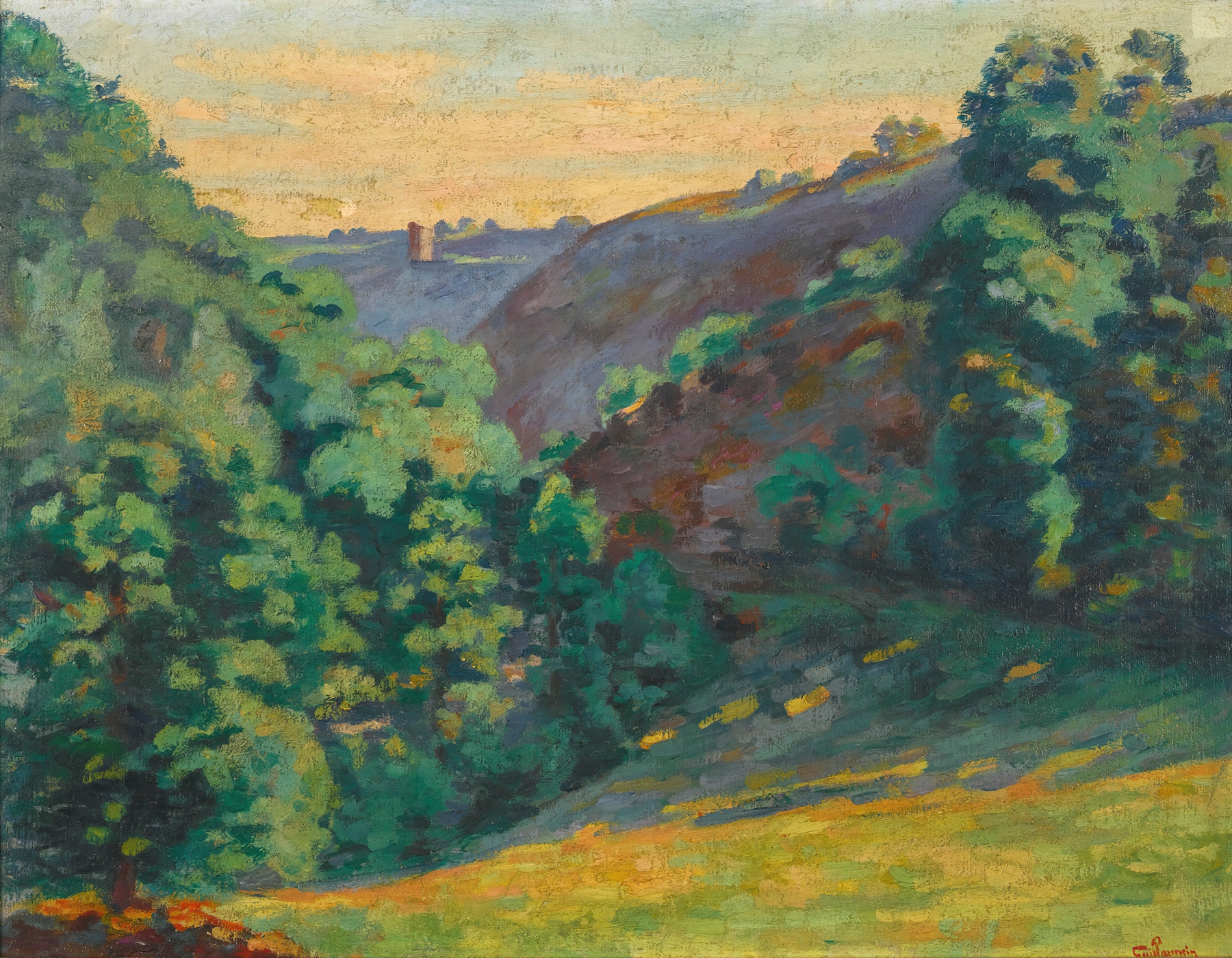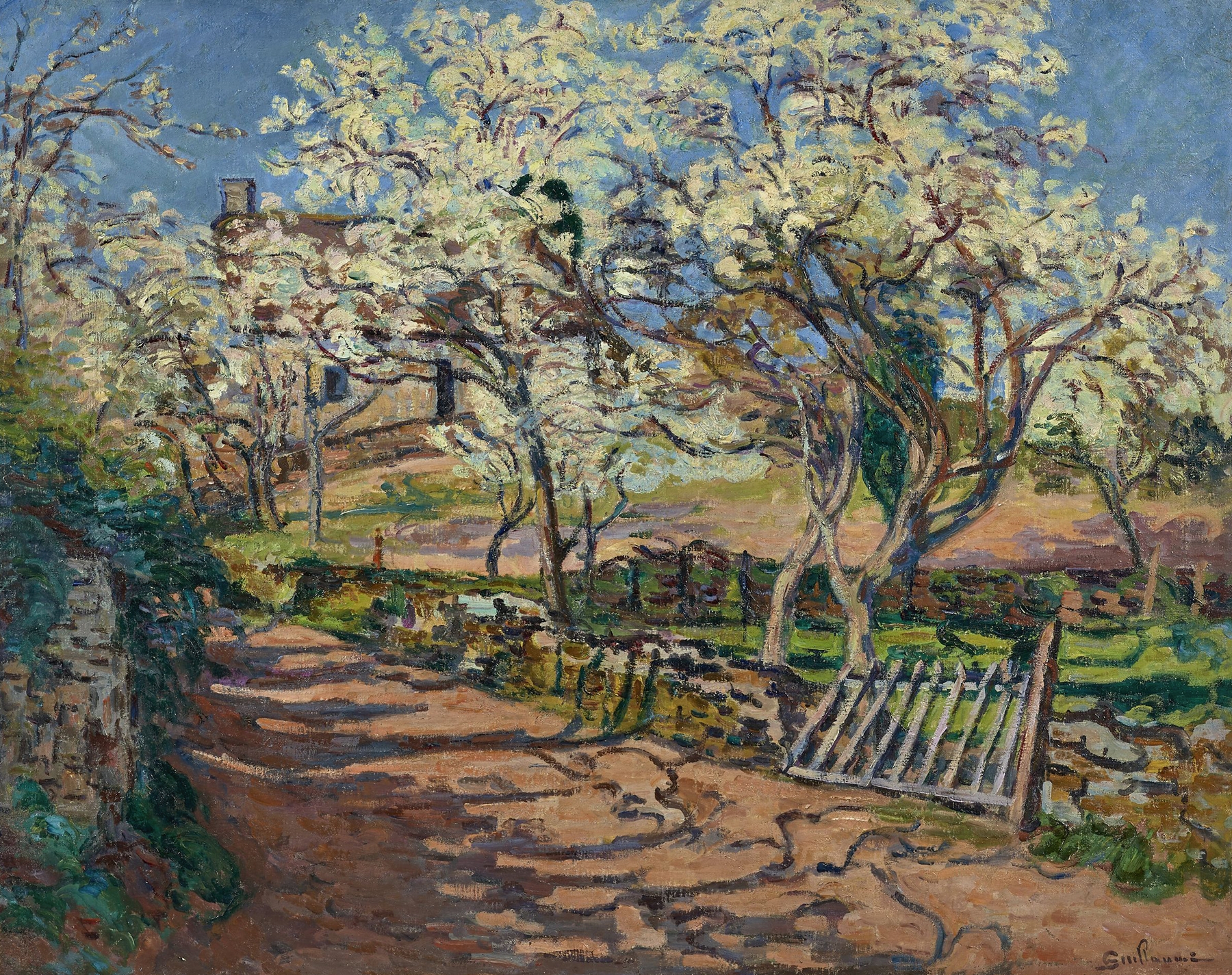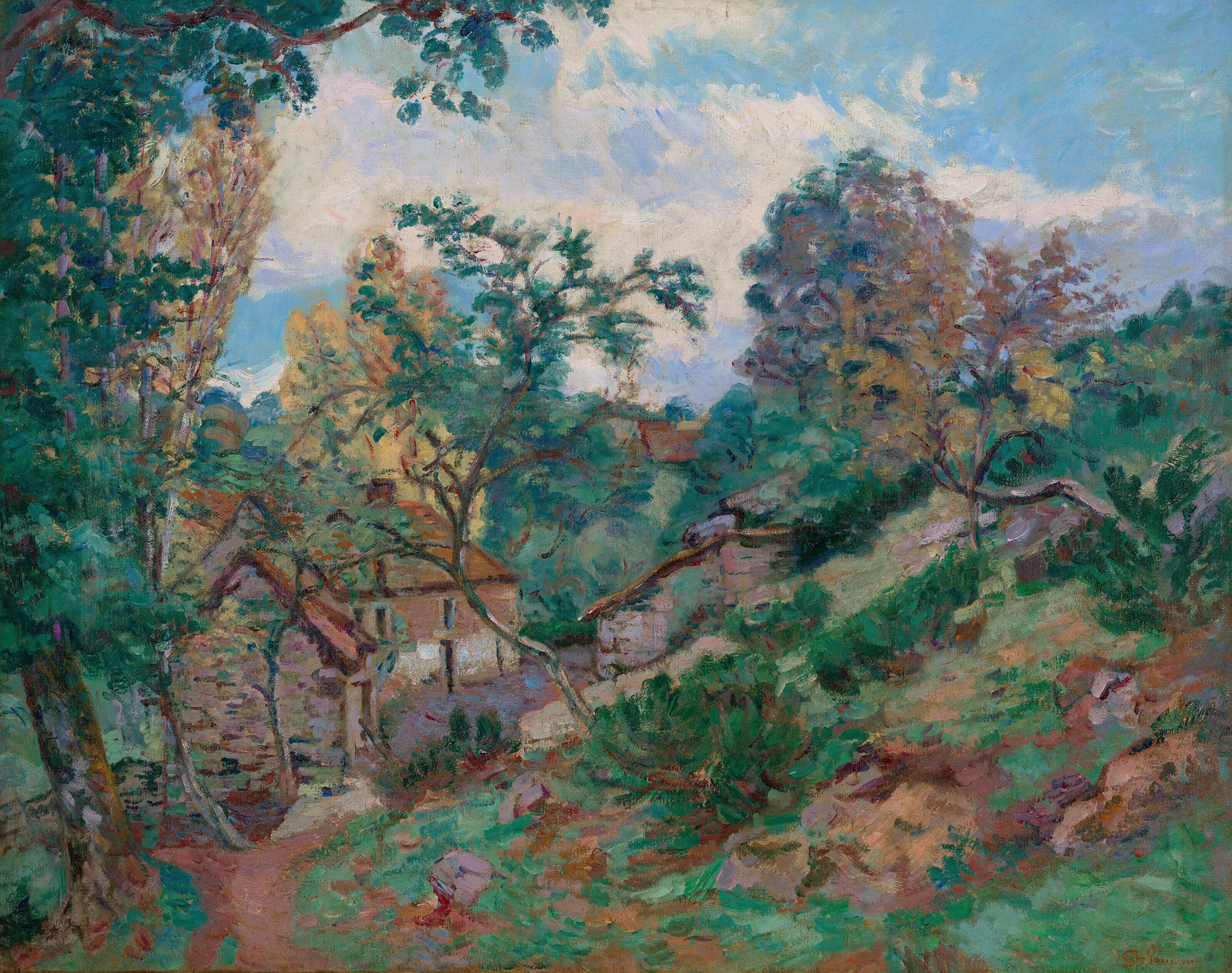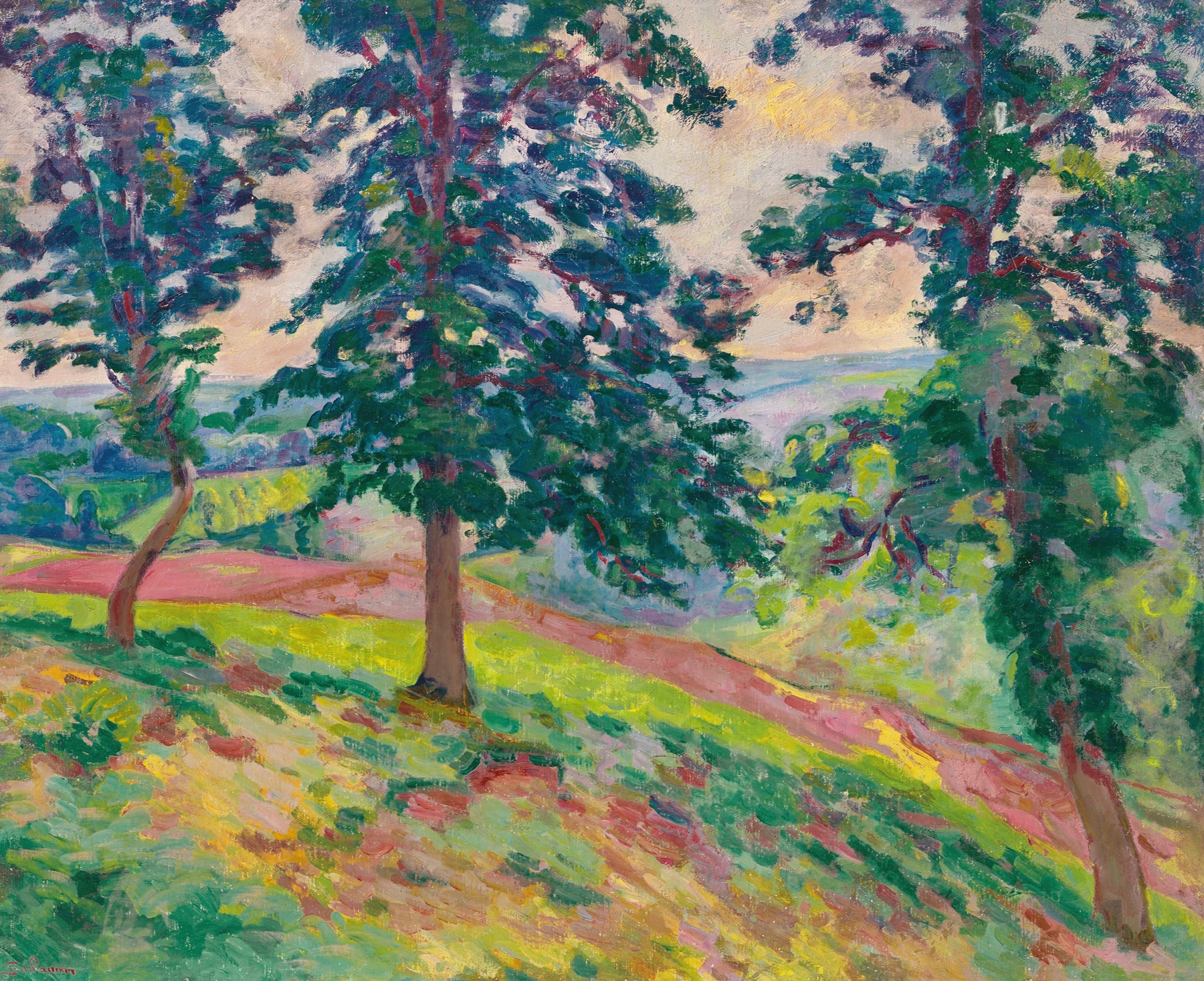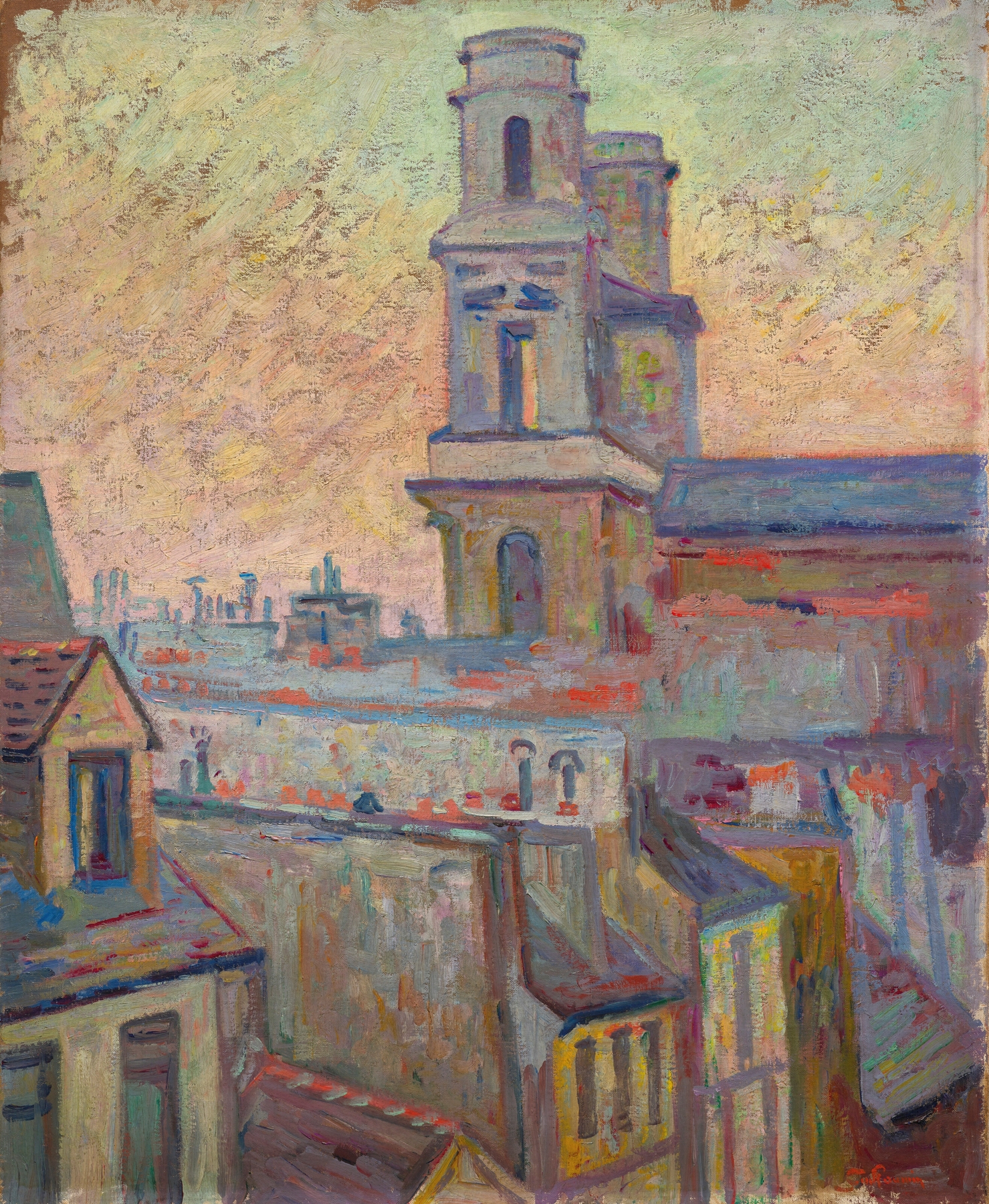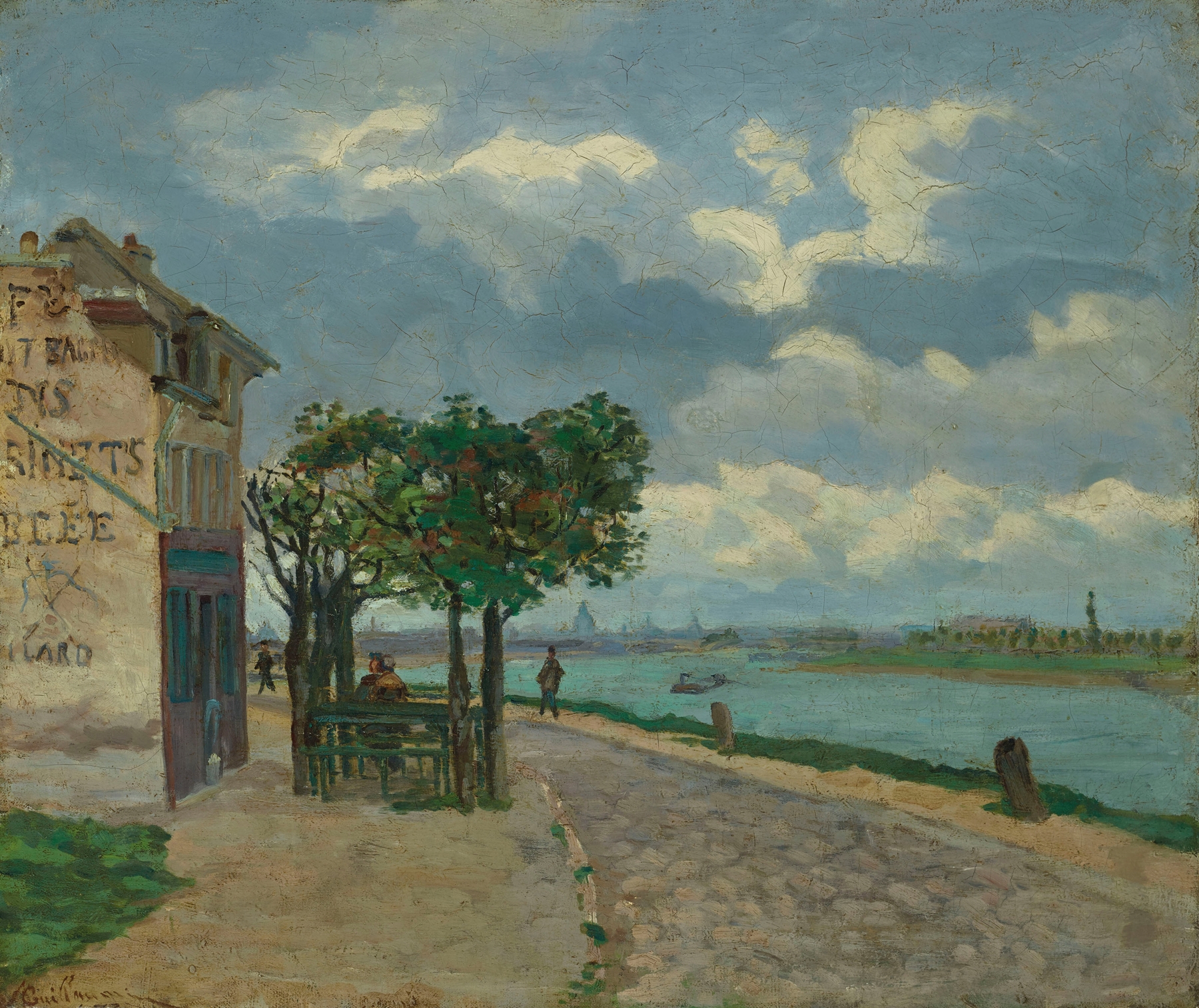
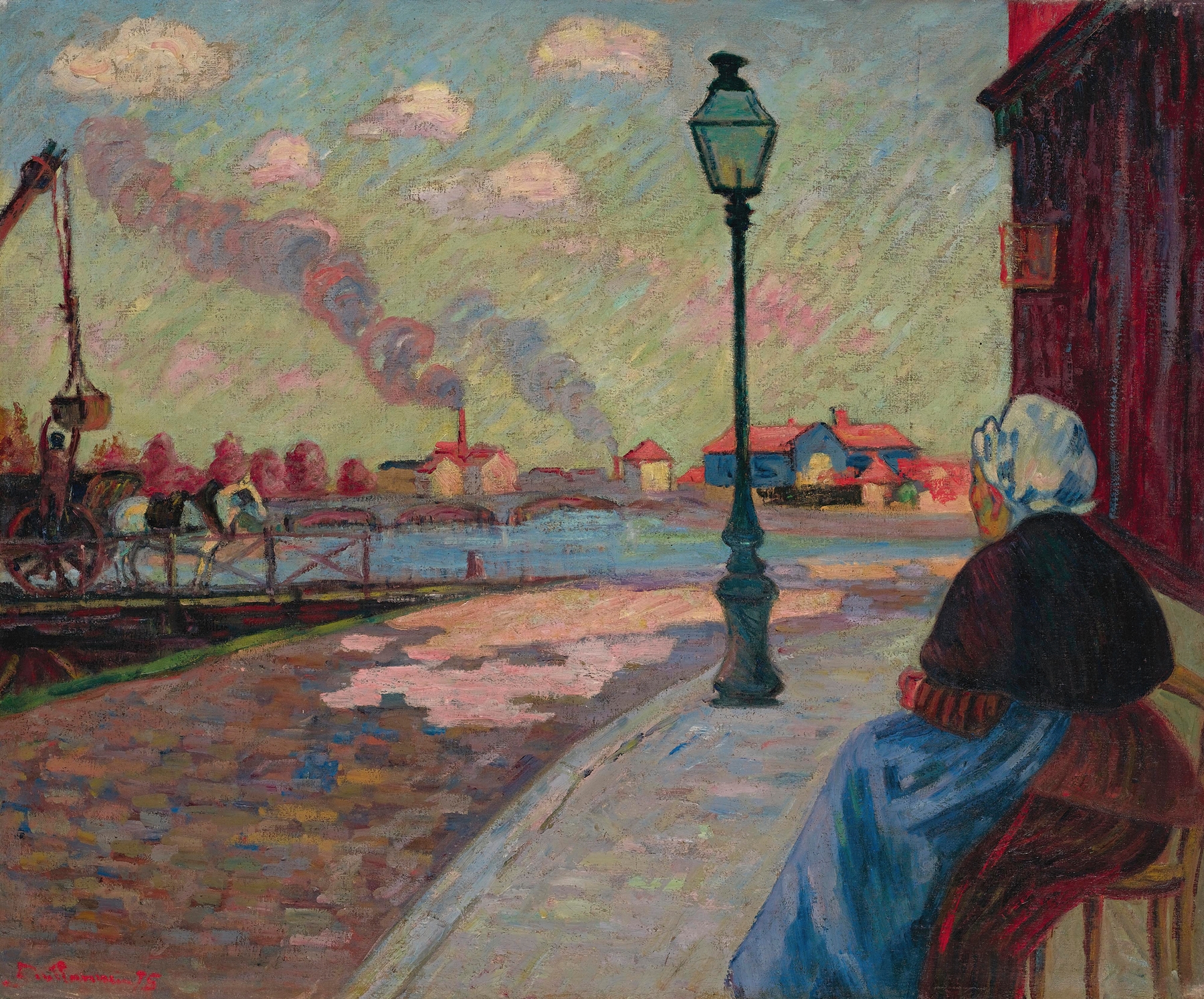
When did color learn to lie? In the realm of beauty, vibrant hues conceal deeper truths, inviting us to explore their hidden narratives. Look to the left at the gentle curves of the Seine, where water and sky blend seamlessly into a canvas of blues and greens. Notice how the bold brushstrokes create a dynamic texture, giving life to the shimmering reflections that dance upon the river's surface. The quaint figures dotting the banks appear almost ephemeral, their forms merging with the landscape, as if nature itself has claimed them. Yet, beneath this picturesque façade lies a tension. The vivid palette evokes joy, but the solitary figures suggest a longing or introspection that contrasts with the lively surroundings. Each stroke of paint feels deliberate, evoking the fleeting moment when light meets water, while the rich greens of the trees hint at an exuberance tinged with melancholy. It is a celebration of beauty that is also a reminder of the impermanence of each moment. In 1873, the artist created this work in the burgeoning atmosphere of Impressionism, where he found himself among a collective of innovative thinkers challenging the norms of the art world. Living in Paris, Guillaumin explored the play of light and color as he sought to convey emotion through a new lens. His approach was revolutionary, reflecting the changes in society and the natural world, capturing a fleeting moment in time that resonates with contemporary viewers.