Bords de mer — History & Analysis
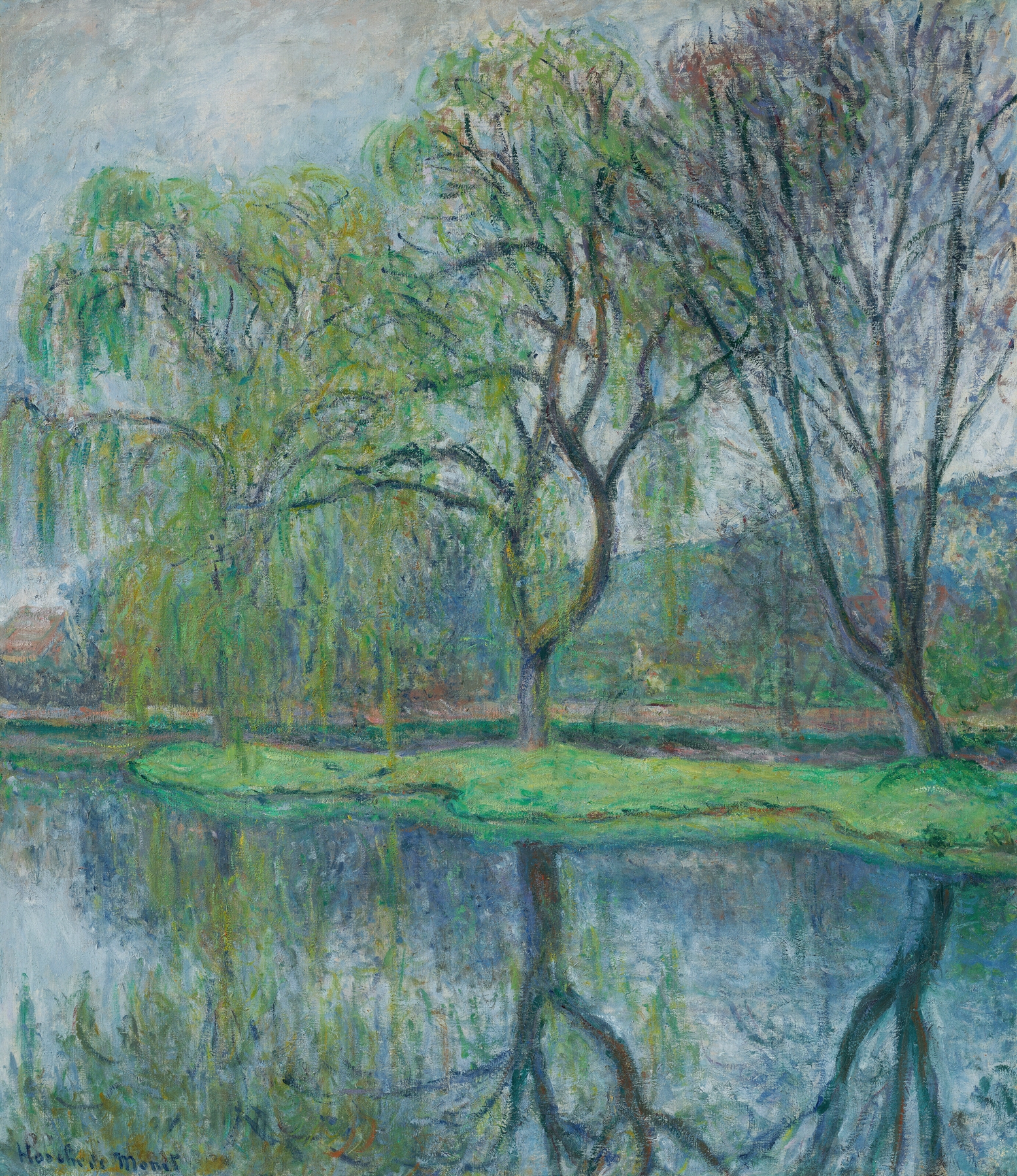
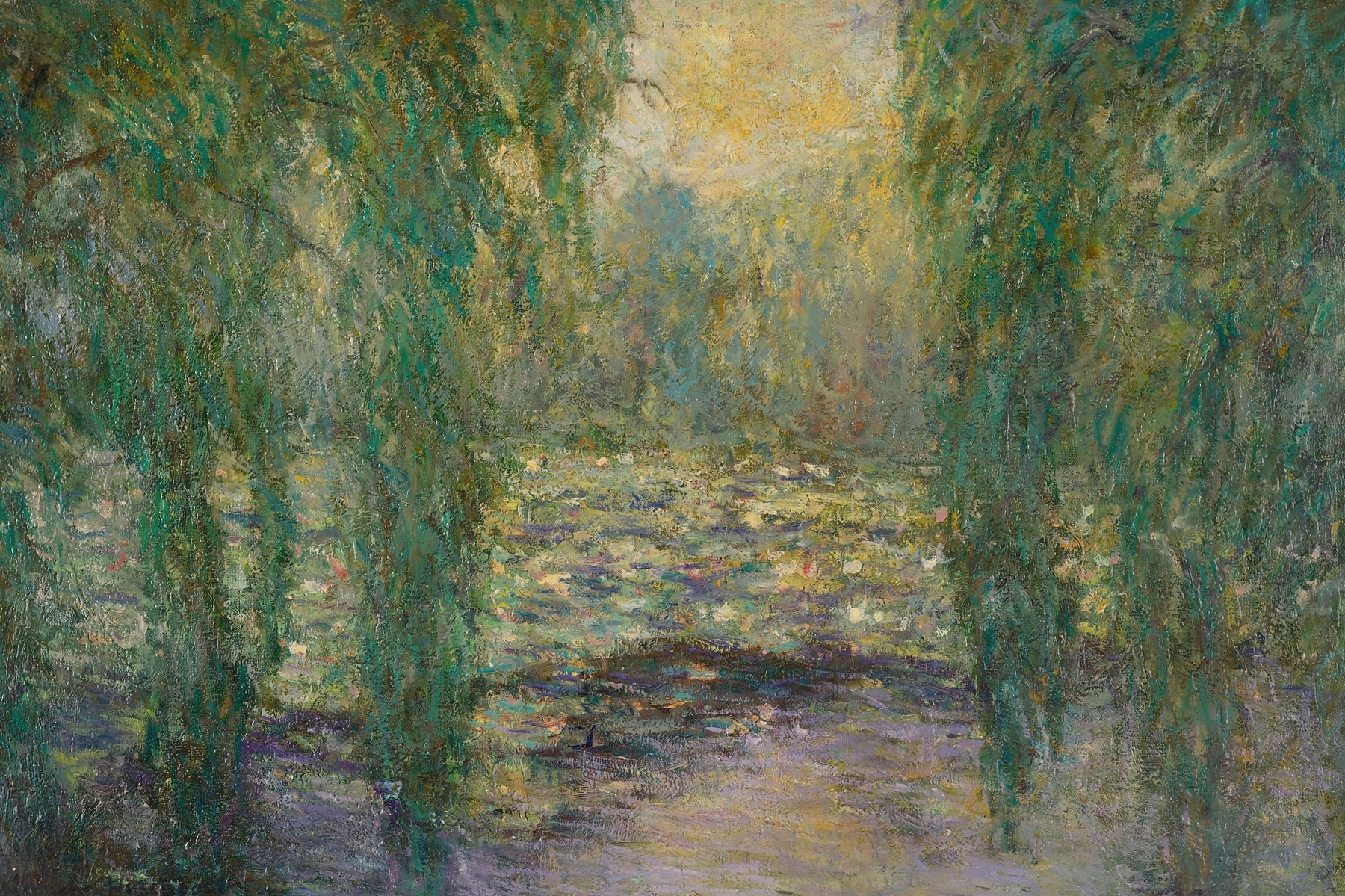
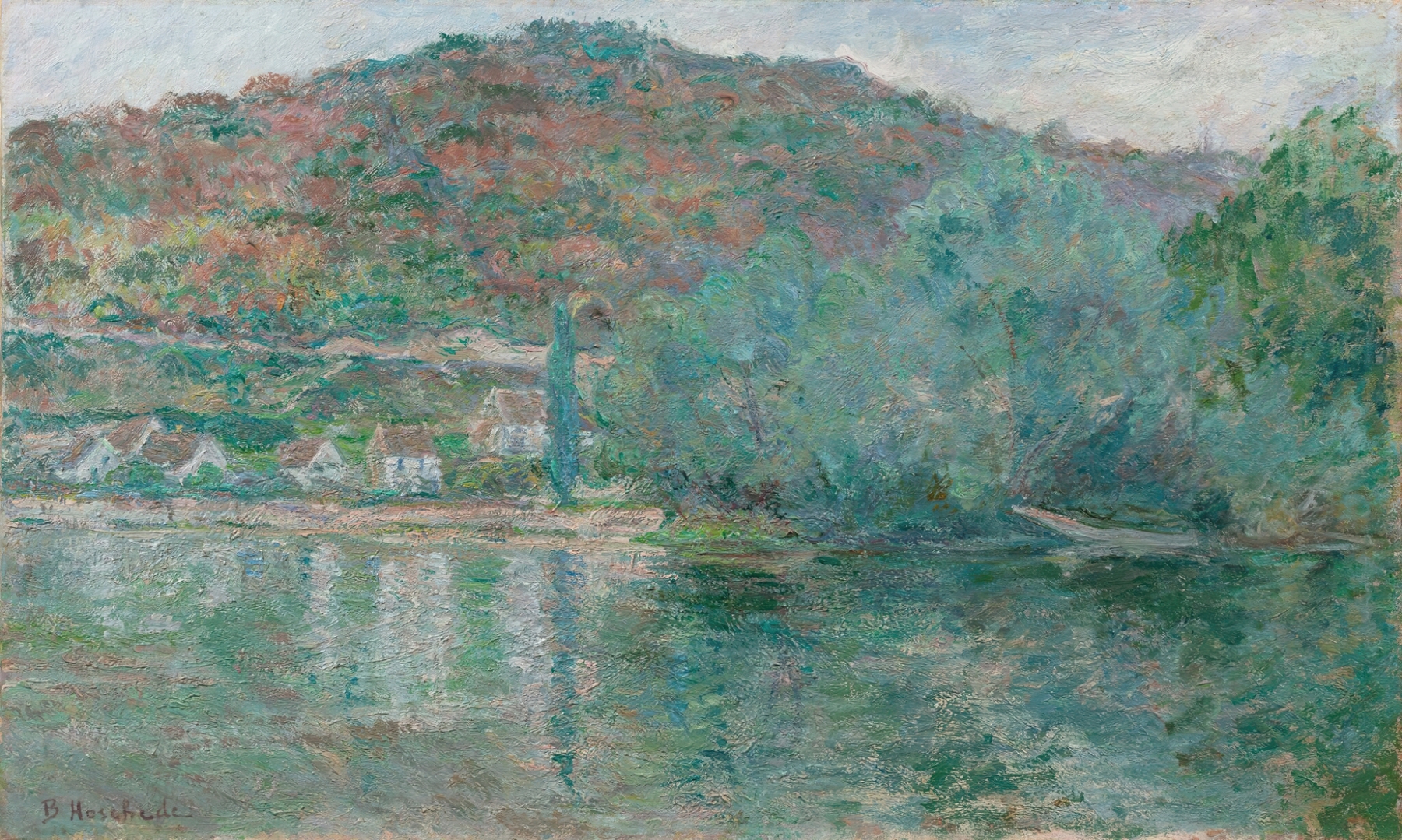
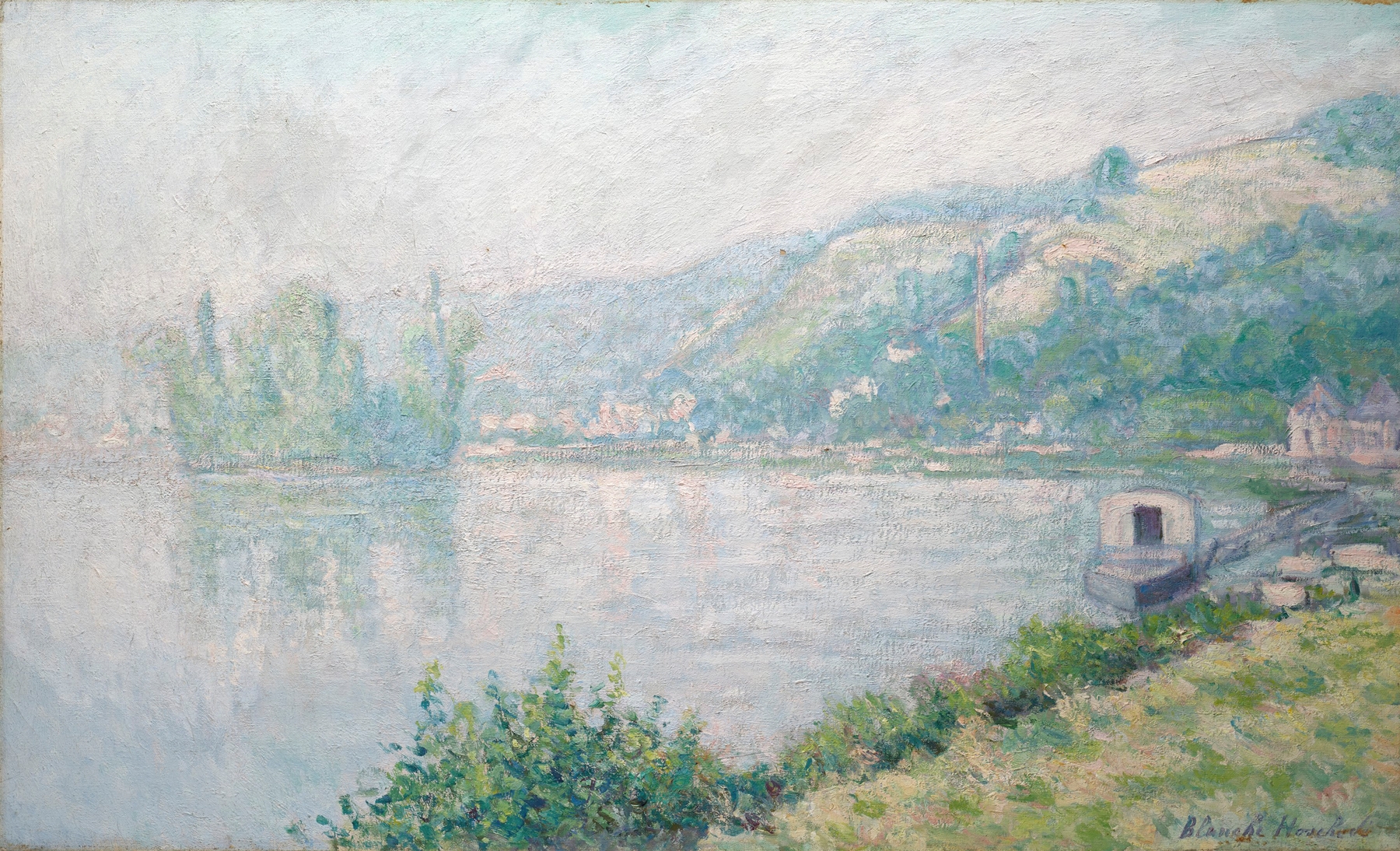
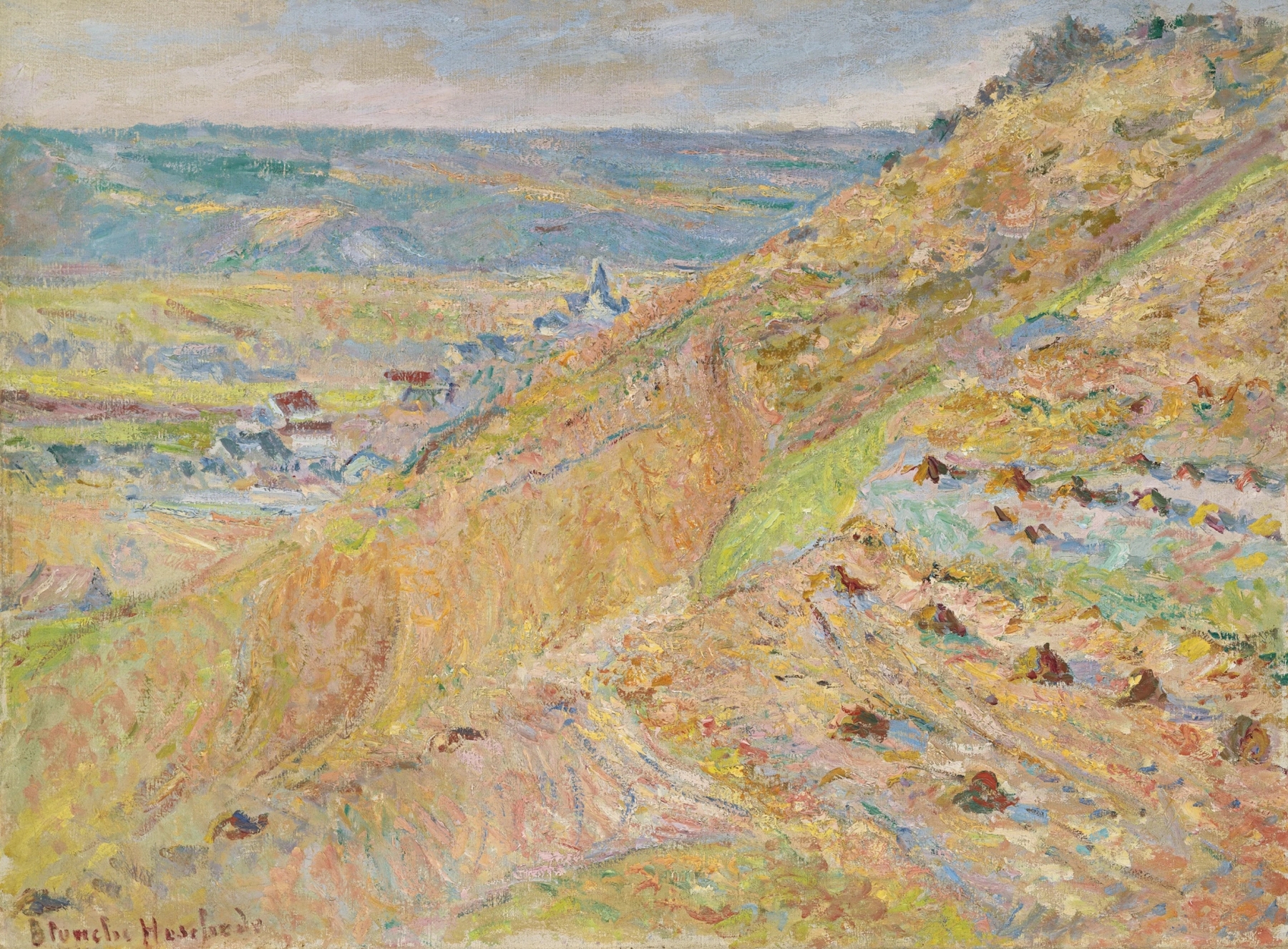
Is this a mirror — or a memory? In the soft hues and gentle brushstrokes of Bords de mer, a quiet emptiness envelops the viewer, evoking both nostalgia and a sense of loss. Look to the left at the delicate ripples of the water, where the light dances playfully upon the surface, casting shimmering reflections that seem to whisper stories of the past. Notice how the muted palette of blues and grays melds into a horizon that feels both distant and achingly close.
In the foreground, a solitary figure stands at the water’s edge, their posture suggesting contemplation rather than action, as if they are on the cusp of stepping into the tranquil yet isolating world before them. The contrast between the vibrant water and the figure’s stillness speaks to the duality of presence and absence. This painting captures a moment suspended in time, where the serenity of the natural environment juxtaposes the loneliness of human experience. The gentle brushwork and subtle gradations of color contribute to a feeling of melancholy, reinforcing the notion that while the landscape is full of life, the figure remains disconnected from it, embodying an emotional void that resonates deeply with viewers.
Blanche Hoschedé-Monet created Bords de mer in 1932 during a period of personal reflection, following her earlier years as an artist under the influence of her stepfather, Claude Monet. By this time, she was carving out her own artistic identity, exploring themes of solitude and nature in her work. The world of art was experiencing a shift toward modernism, yet Hoschedé-Monet continued to embrace the impressionistic style she had mastered, infusing it with her own introspections and emotional depth.