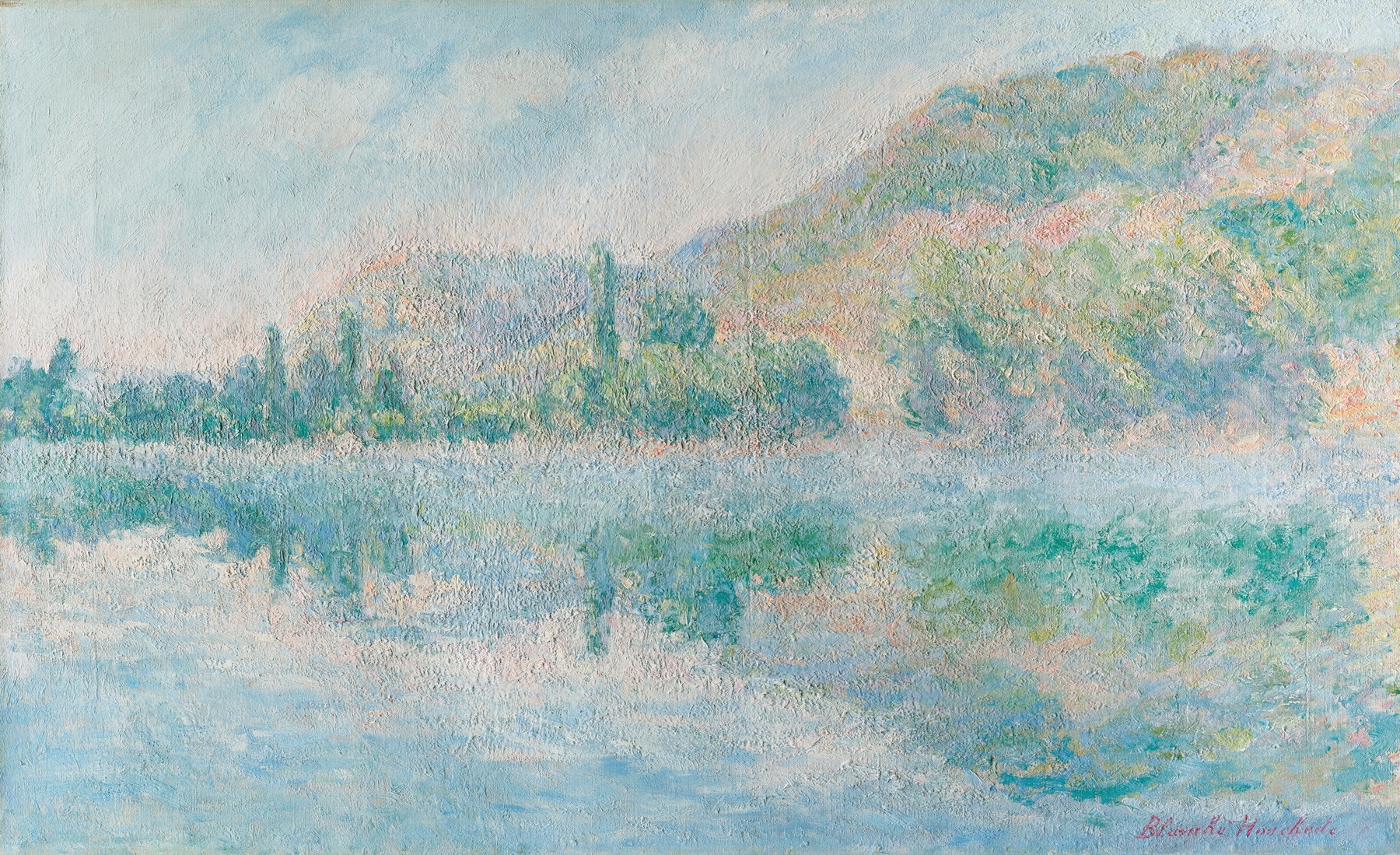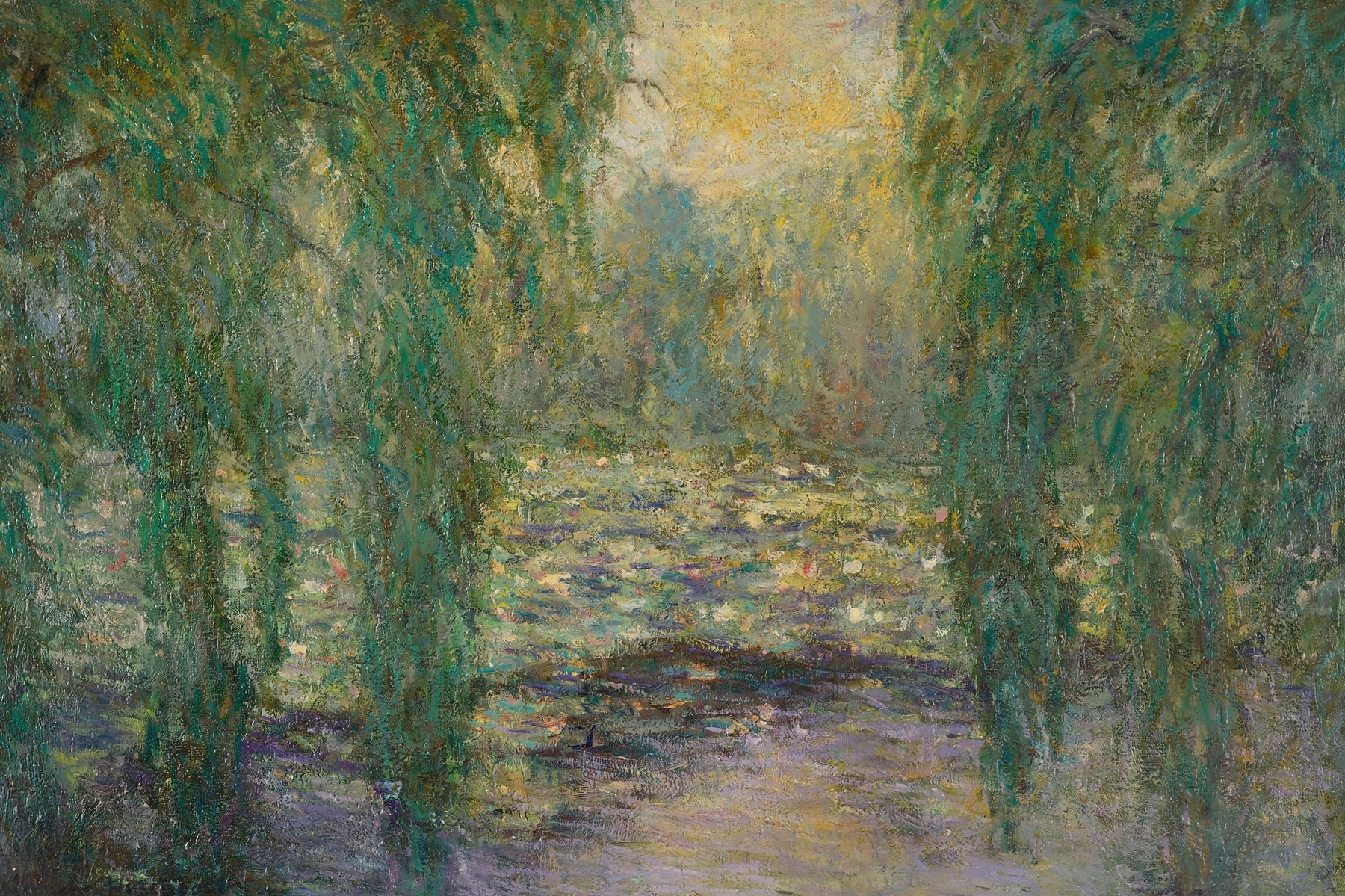
Les Nymphéas — History & Analysis
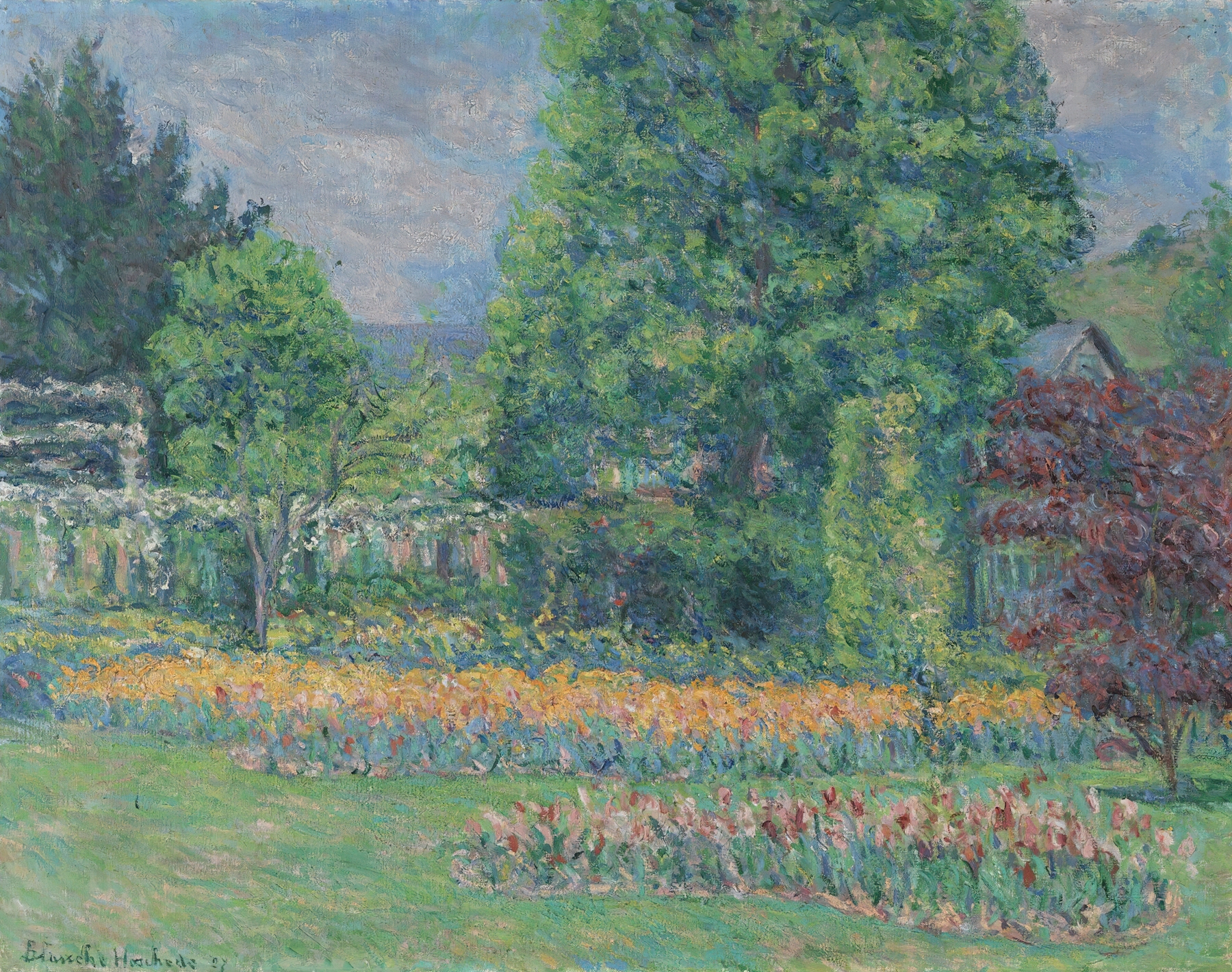
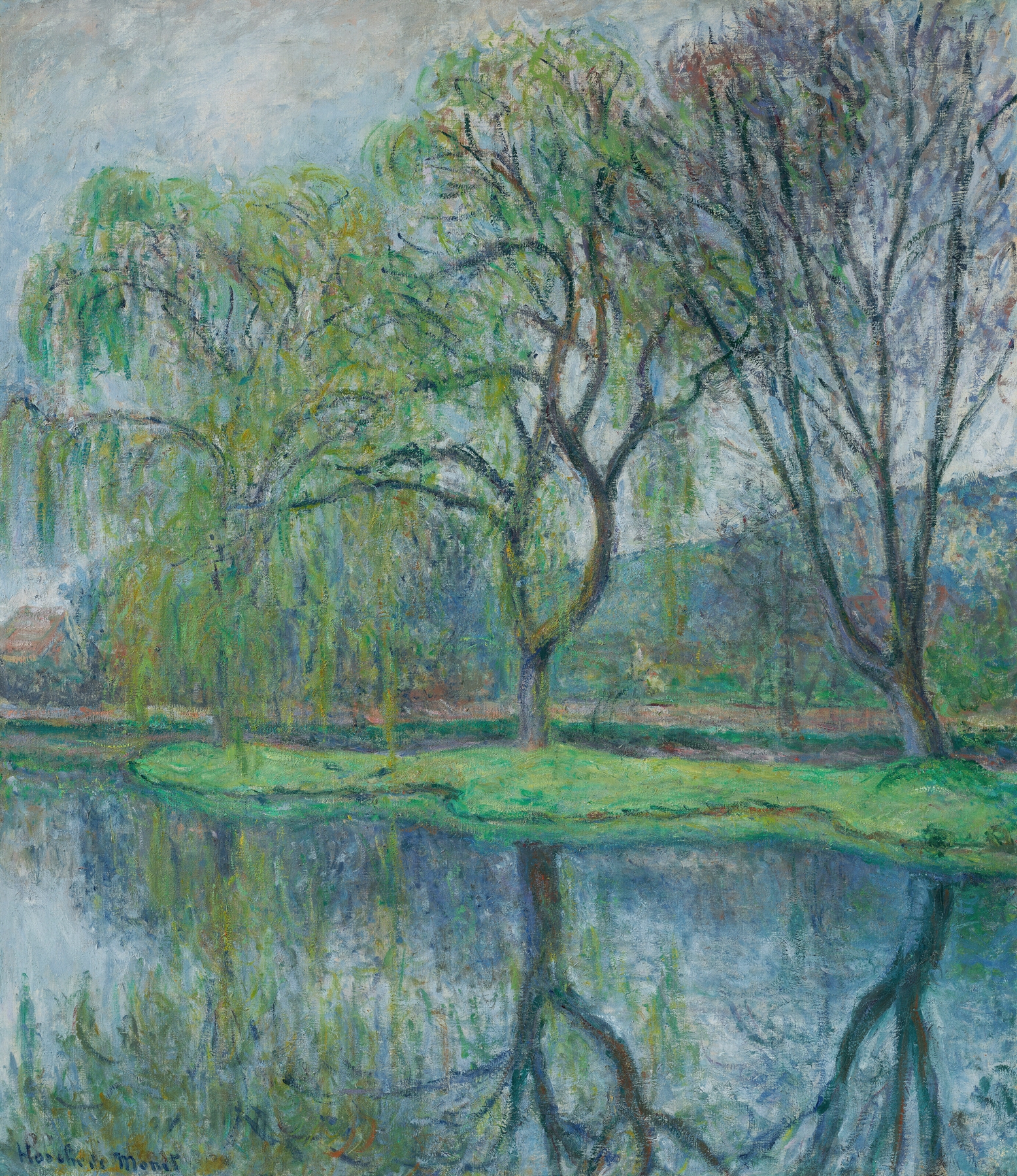
Can paint confess what words never could? In Les Nymphéas, the delicate dance of light reveals a silent dialogue between nature and emotion, each brushstroke resonating like whispers in a sun-drenched garden. Begin your exploration by focusing on the shimmering reflections on the water's surface, where light mingles with color in an ethereal ballet. Notice how the soft hues of pink, blue, and green blend seamlessly into one another, creating a harmonious symphony that draws the eye deeper into this tranquil aquatic realm.
Each lily pad and flower emerges from the canvas with a gentle vibrancy, inviting you to linger on the interplay of form and shadow, a testament to the artist's skill in capturing fleeting moments. As you delve further, you may sense the contrasts at play—between the stillness of the water and the lively bursts of floral color, or the serene composure of the landscape and the underlying current of emotion that surges within the tender brushwork. These nuances evoke a feeling of introspection and peace, suggesting a connection to nature that transcends mere representation. The delicacy of the painted light mirrors the fragility of human experience itself, inviting the viewer to reflect on the ephemeral nature of beauty and time.
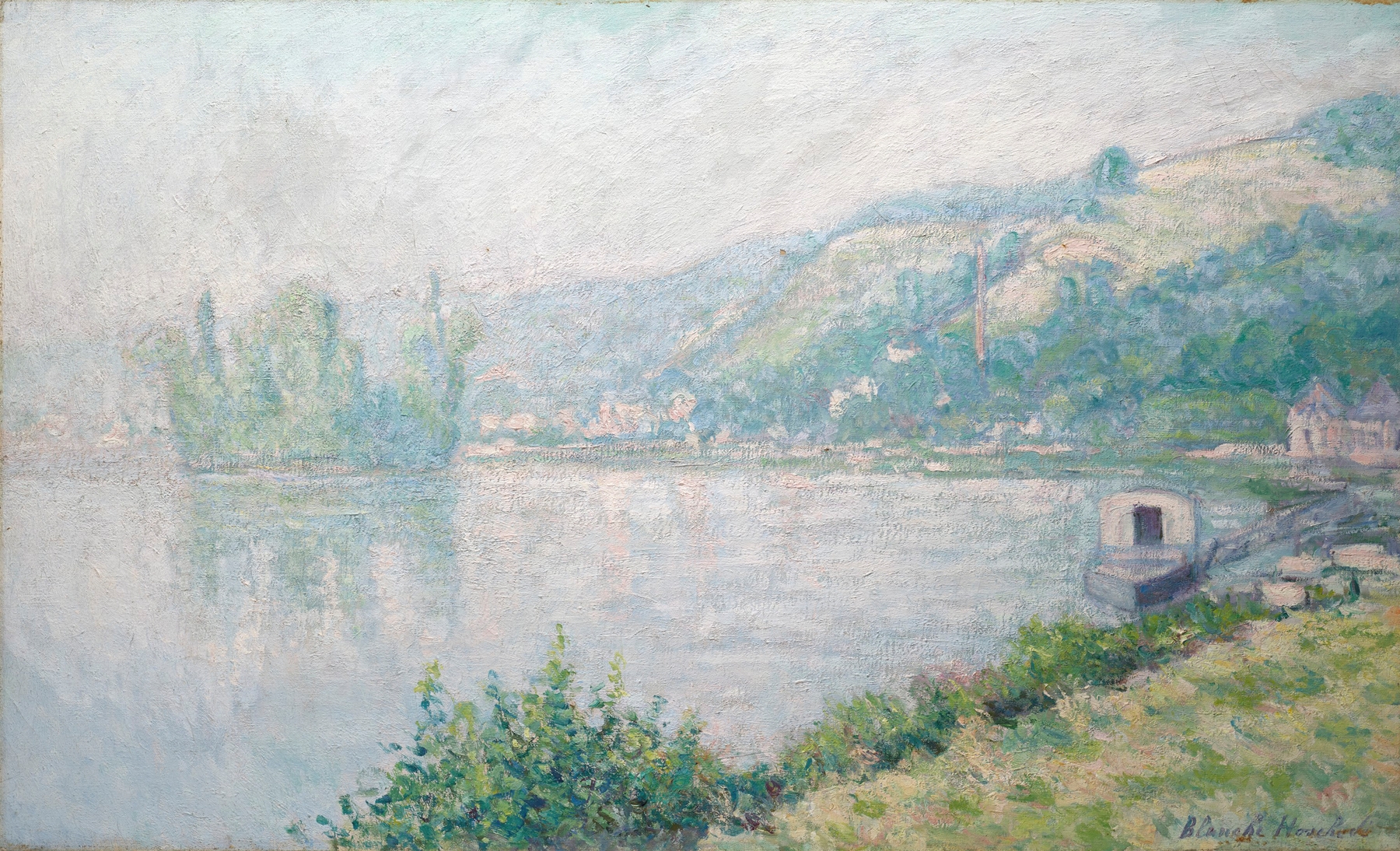
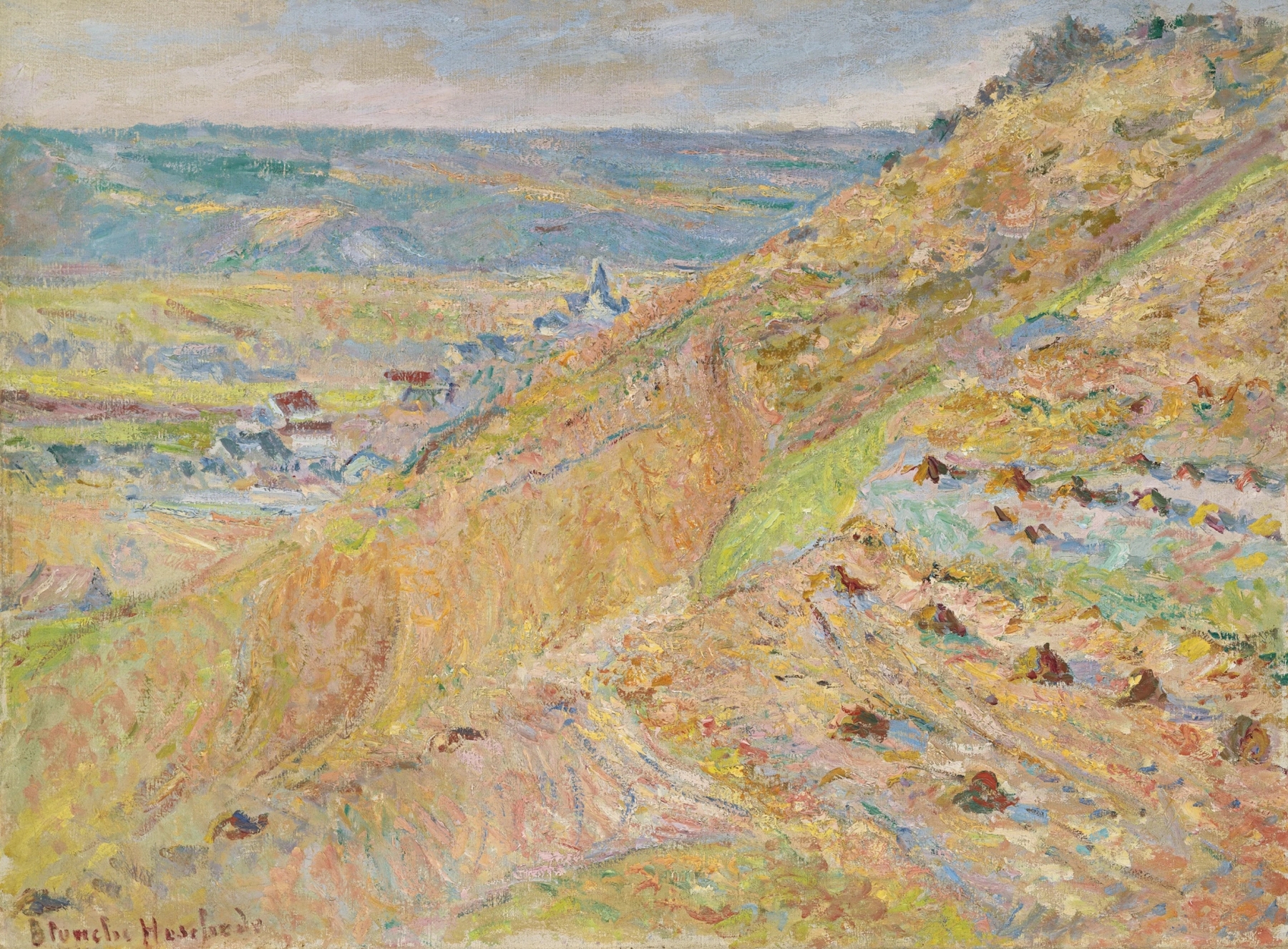
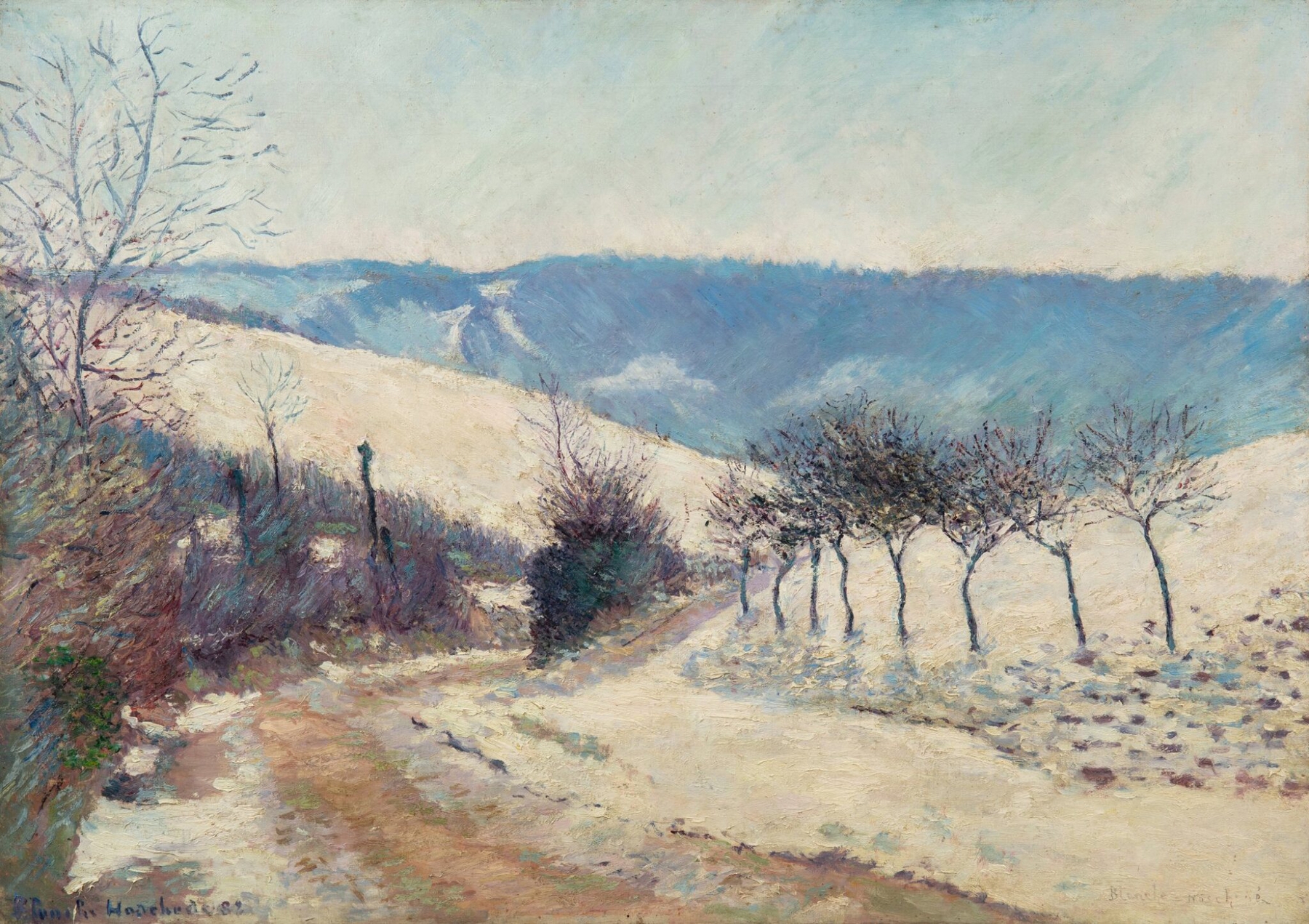
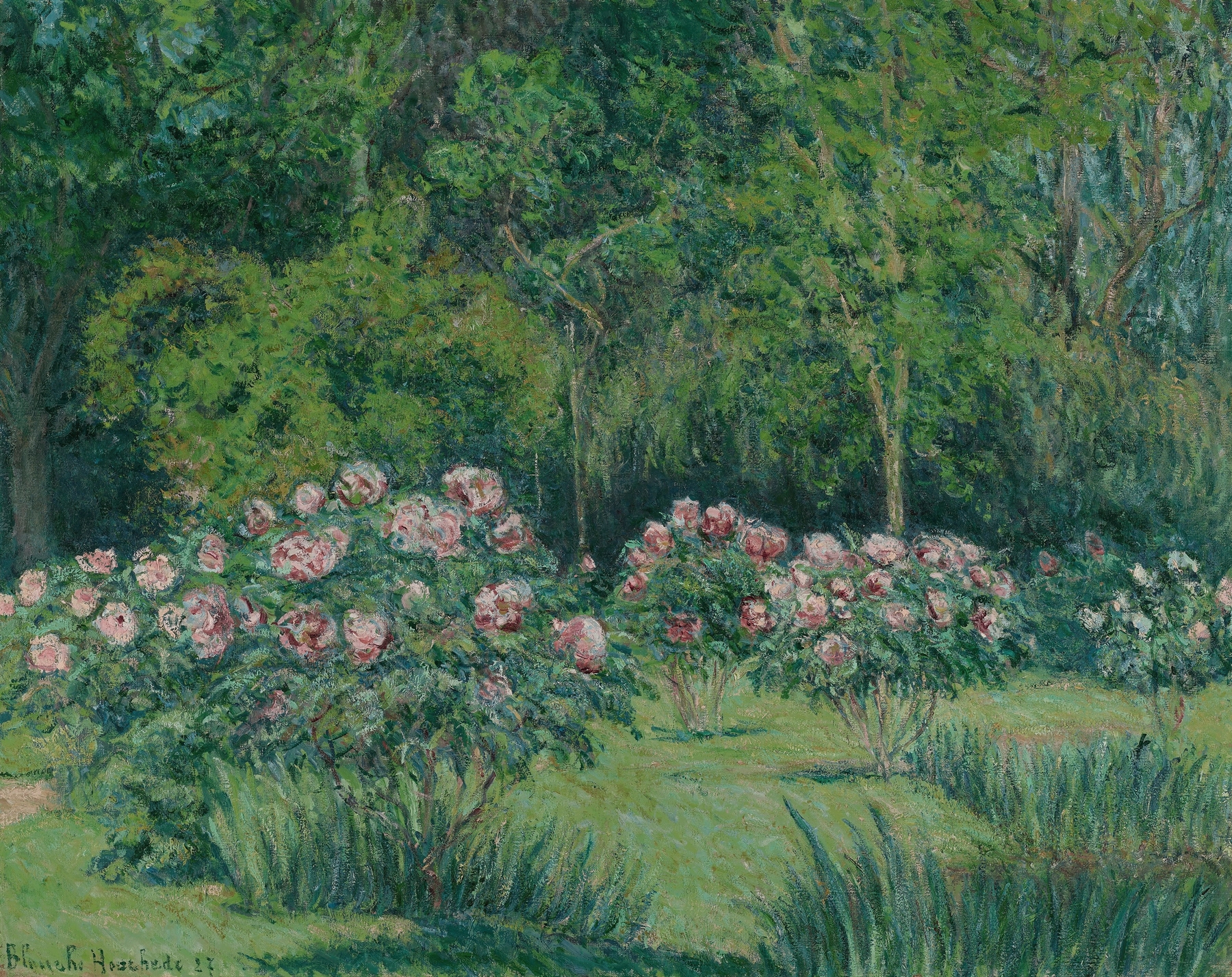
This work emerged during a significant period for its creator, painted in the late 19th century when she was deeply influenced by her experiences alongside Monet. Living in Giverny, she absorbed the innovative techniques of Impressionism, capturing the world through her unique perspective. At this time, the art world was shifting, embracing new ideas that would redefine the boundaries of artistic expression and ultimately laying the groundwork for future generations.