Le jardin à Giverny — History & Analysis
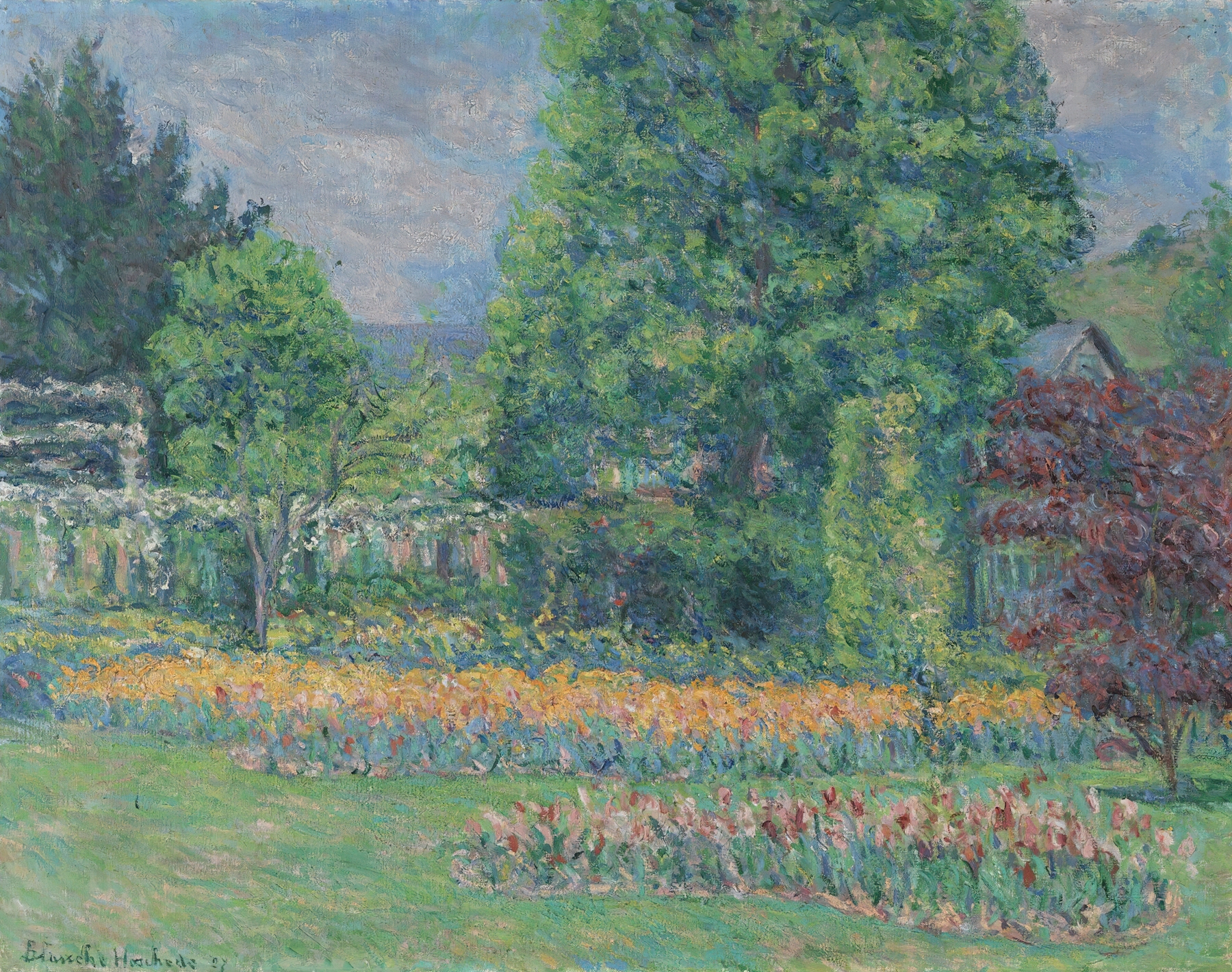
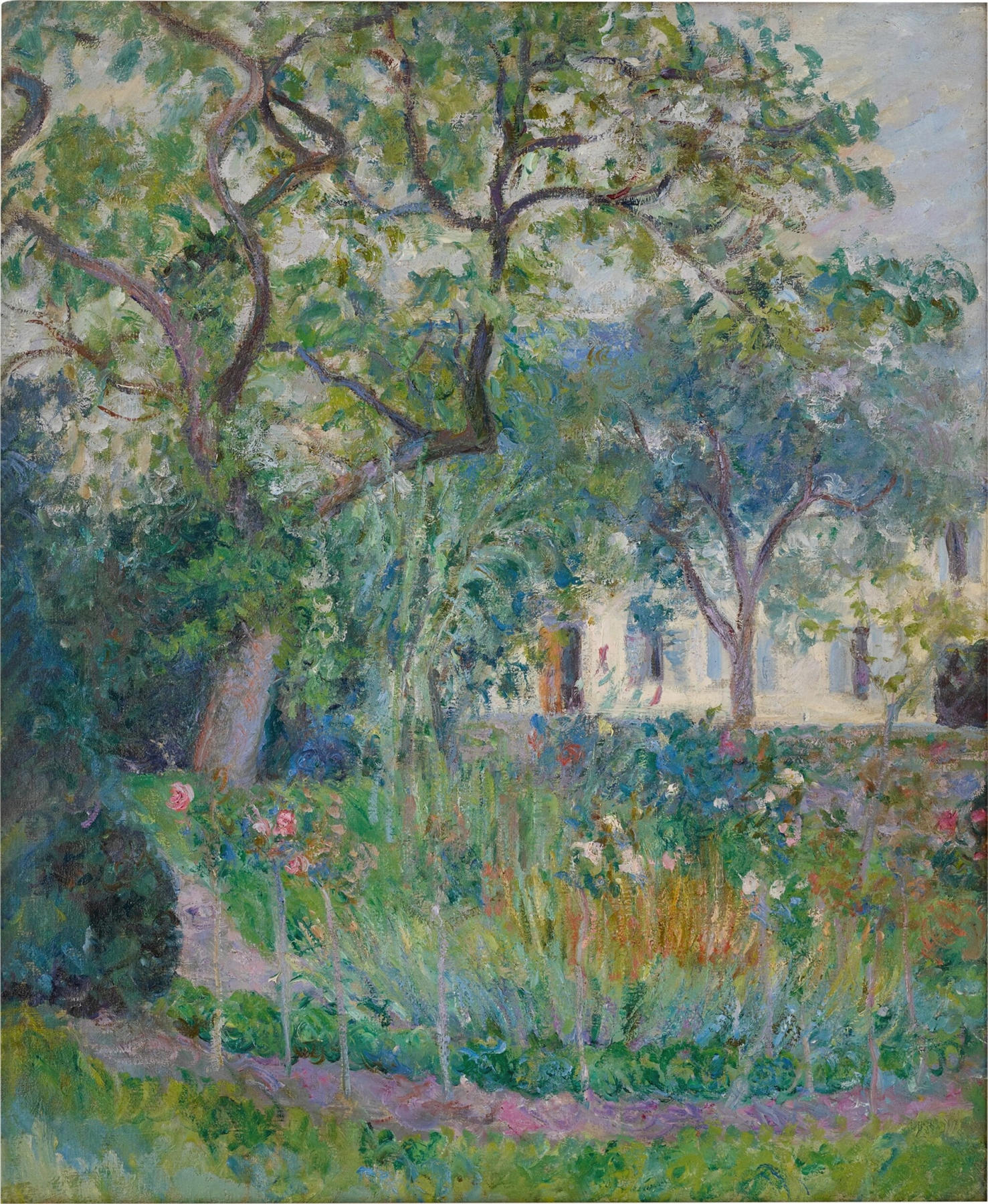
Where does light end, and longing begin? In Le jardin à Giverny, a garden breathes with vibrant hues, a moment ripe with the essence of time itself, captured in delicate strokes. Look to the center of the canvas, where bursts of color draw the eye into a lush tapestry of blossoms. The blossoms appear almost to sway in a gentle breeze, rendered with a soft focus that invites contemplation. Notice how the interplay of light dances across the leaves, creating a mosaic of sun-dappled greens and joyous yellows, while shadowy whispers hint at the passage of day.
The artist's fluid brushwork evokes a sense of movement, a fleeting beauty that feels both immediate and timeless. As you explore the edges, consider the contrast between the vibrant flowers and the slightly muted background. This juxtaposition reflects not only the vibrancy of life but also the underlying melancholy of its impermanence. Each bloom seems to reach for the light, representing dreams and aspirations, yet their ephemeral nature speaks to the transience of existence.
Here, the garden becomes a metaphor for both joy and longing, as the viewer is left reflecting on their own relationship with time and memory. Painted in 1927, during a period of personal loss for the artist, Le jardin à Giverny reflects the deeply emotional landscape of Blanche Hoschedé-Monet’s life. Following the death of her father-in-law, the renowned Claude Monet, she sought solace in the gardens that had inspired them both. This work emerges from a time when the world of art was evolving, yet it remains anchored in the Impressionist tradition, celebrating the beauty of nature even amid life’s inevitable changes.