Burg Kollmitz — History & Analysis
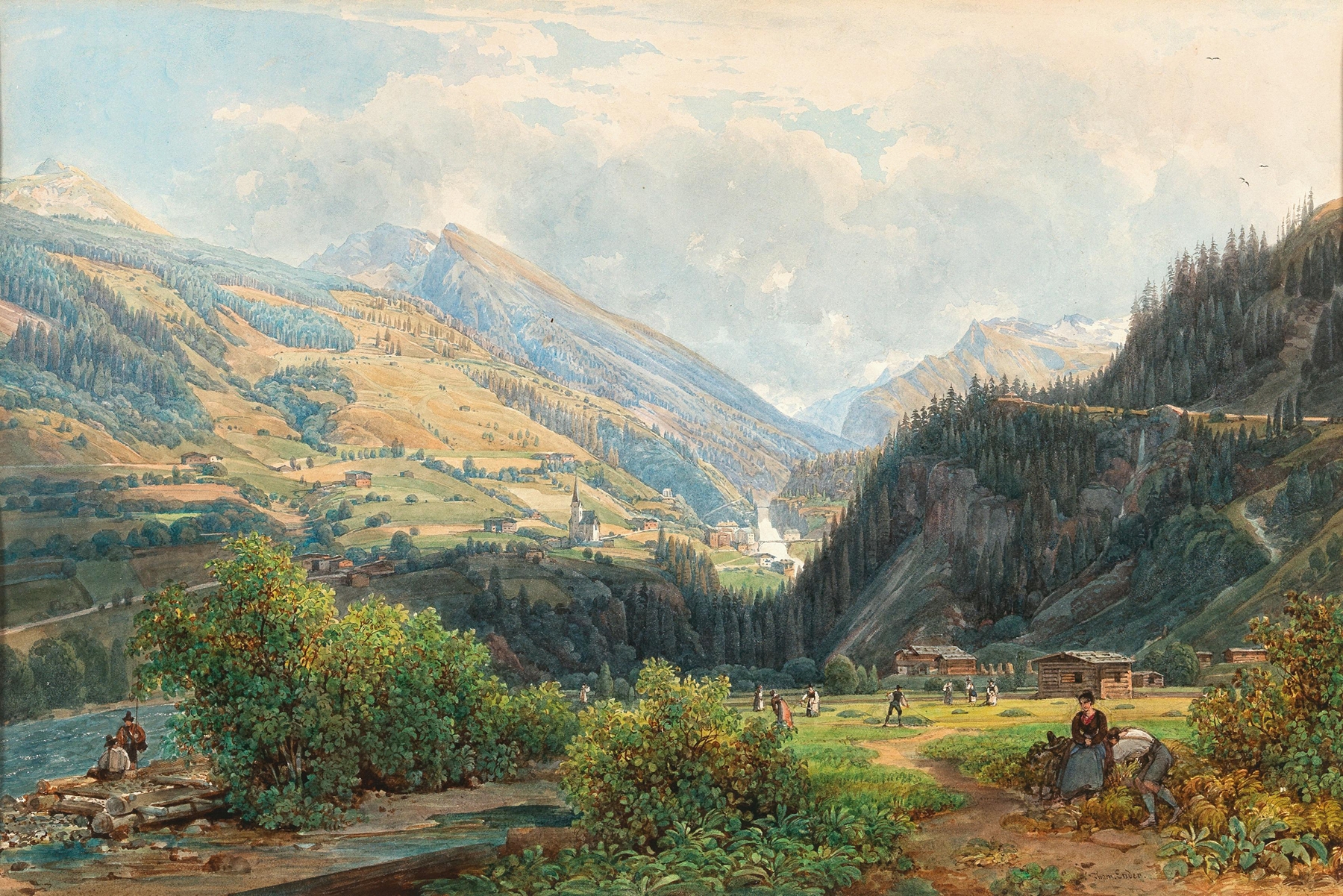
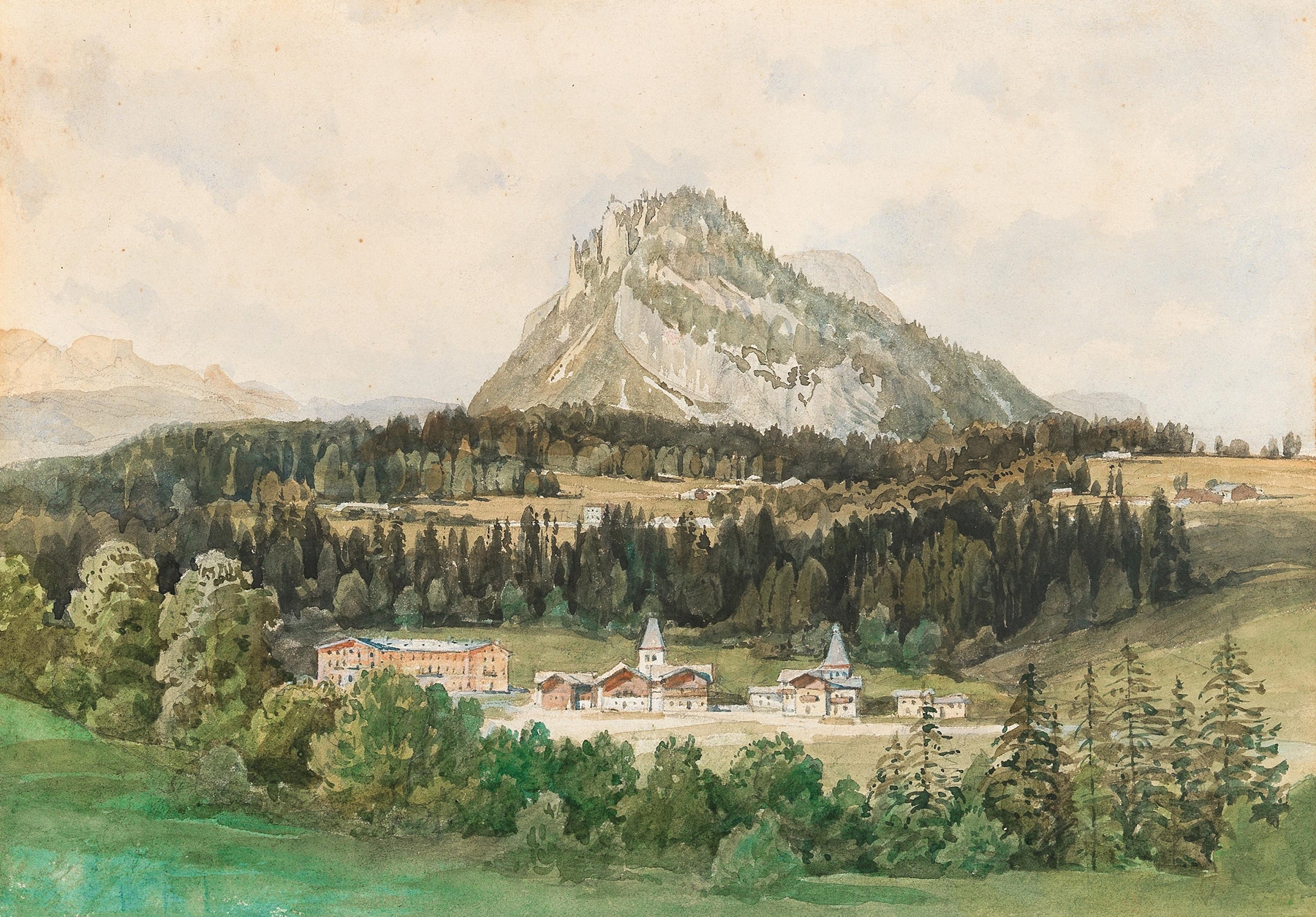
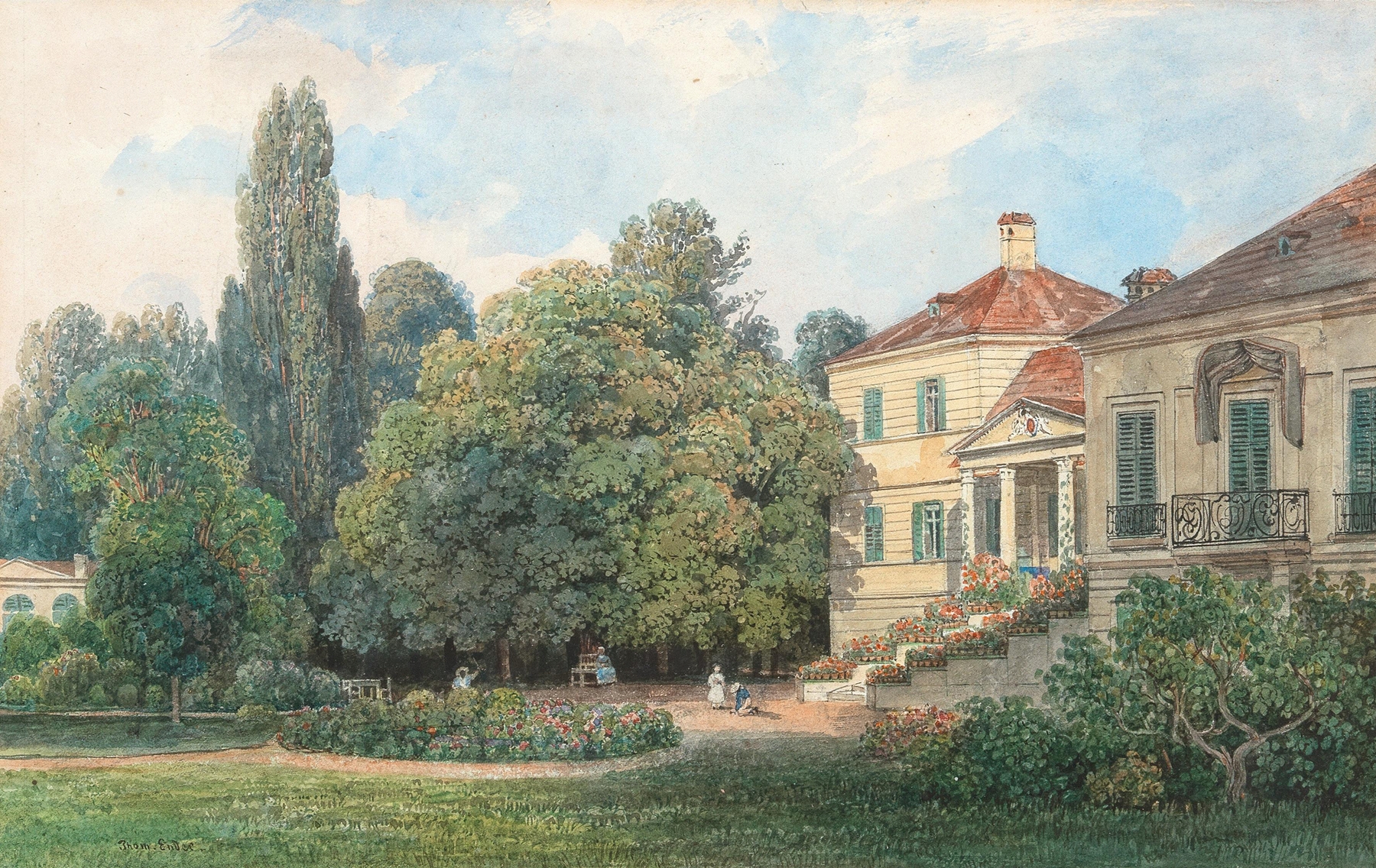
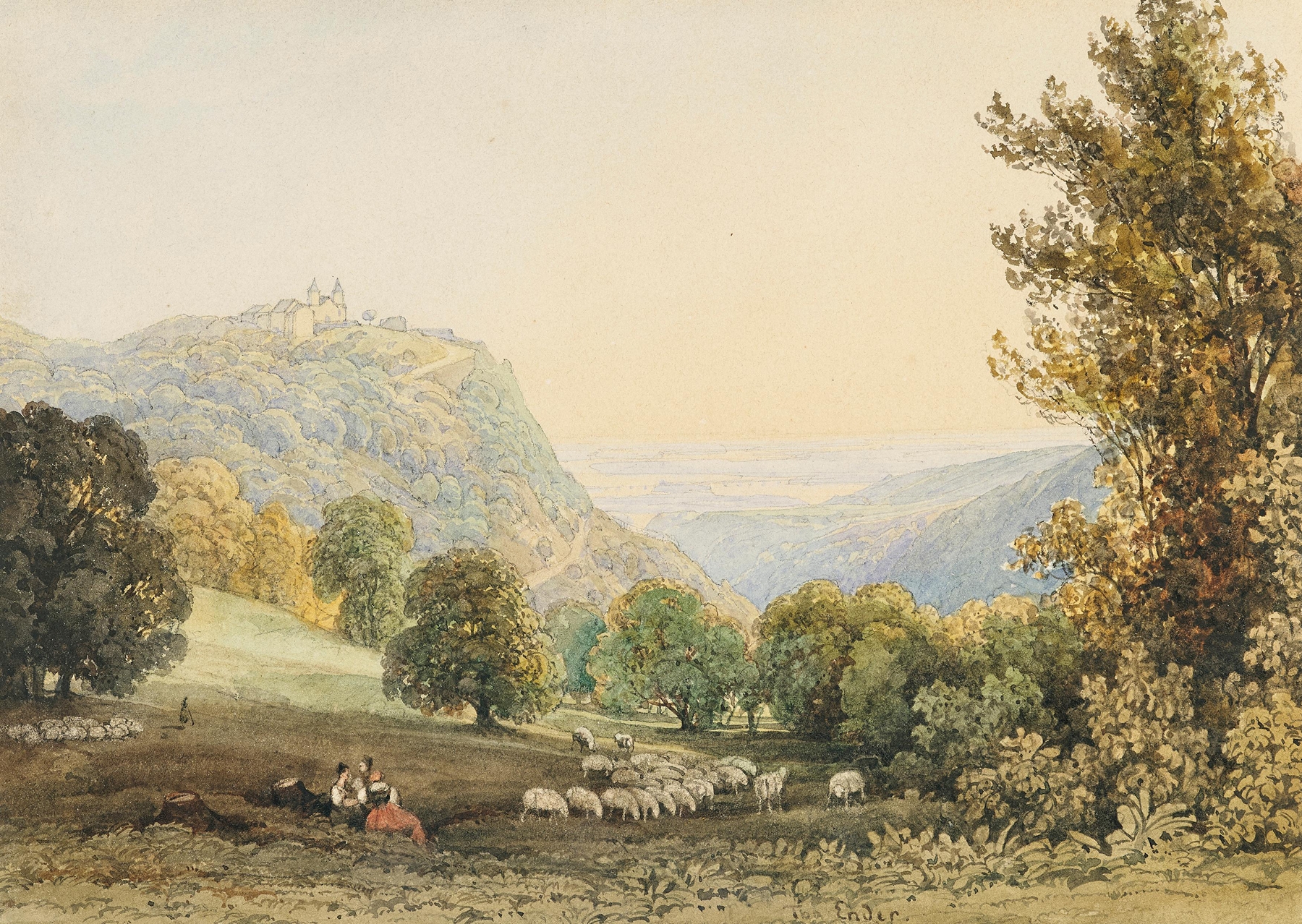
“Between color and silence, truth hides.” In the world of visual art, illusion is not just a technique; it is a revelation waiting to be discovered. Look to the center of the canvas, where the majestic structure stands proudly against a backdrop of rolling hills. The browns and greens blend seamlessly, creating a harmonious landscape that invites the viewer to step closer. Notice the meticulous detail in the stone facade, each chiseled line revealing the hand of its creator, while soft, diffused light bathes the scene, creating an ethereal quality that blurs the boundaries of reality.
As you explore further, subtle contrasts emerge. The solid permanence of the fortress juxtaposes the delicately rendered trees swaying in the breeze, suggesting a dialogue between human permanence and nature's fluidity. The shadows cast by the building lead the eye to hidden corners, encouraging contemplation of what lies beyond the tangible realm. The illusion persists, holding secrets that whisper of history and serenity, recalling the forgotten narratives within those walls.
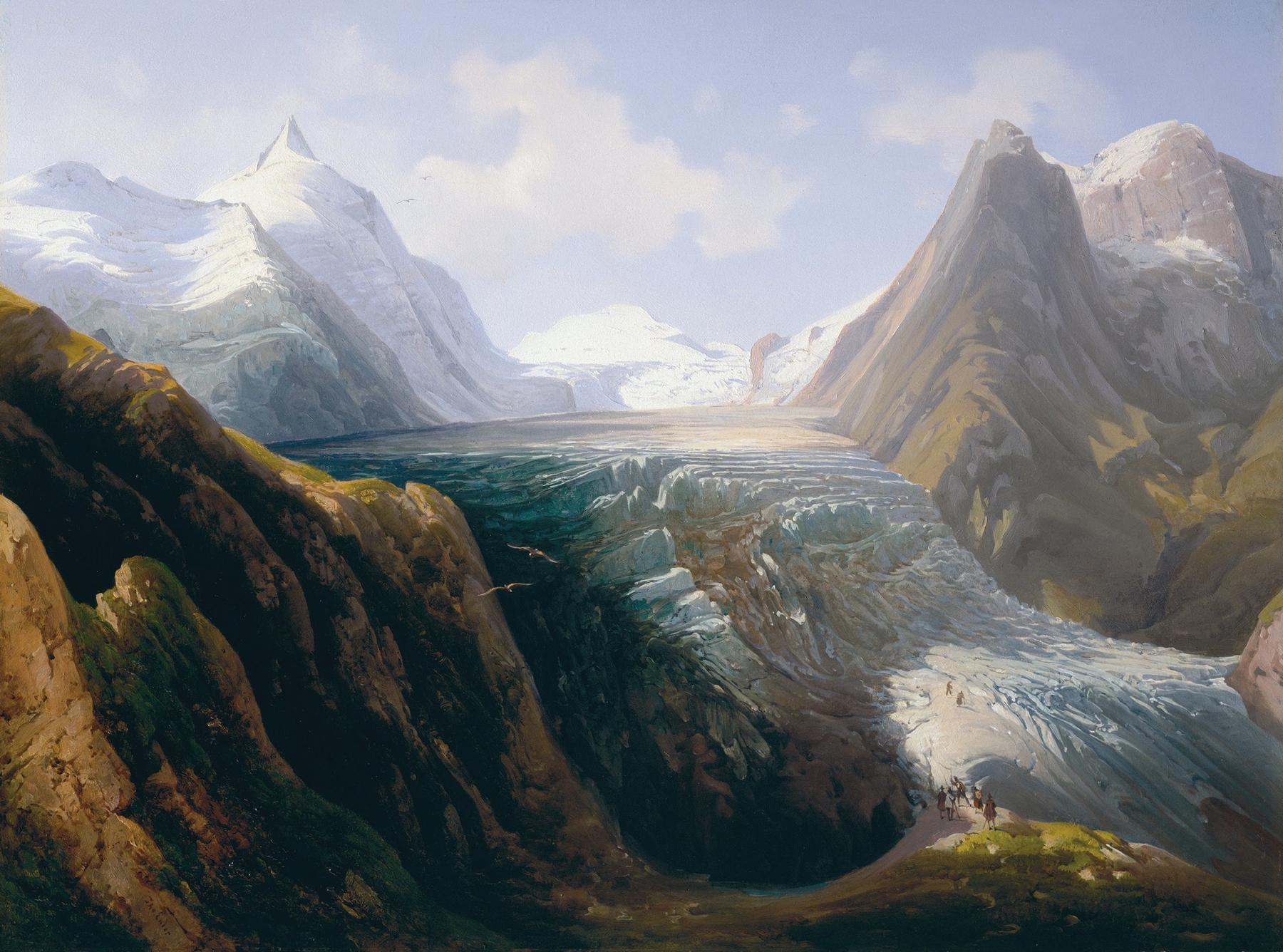
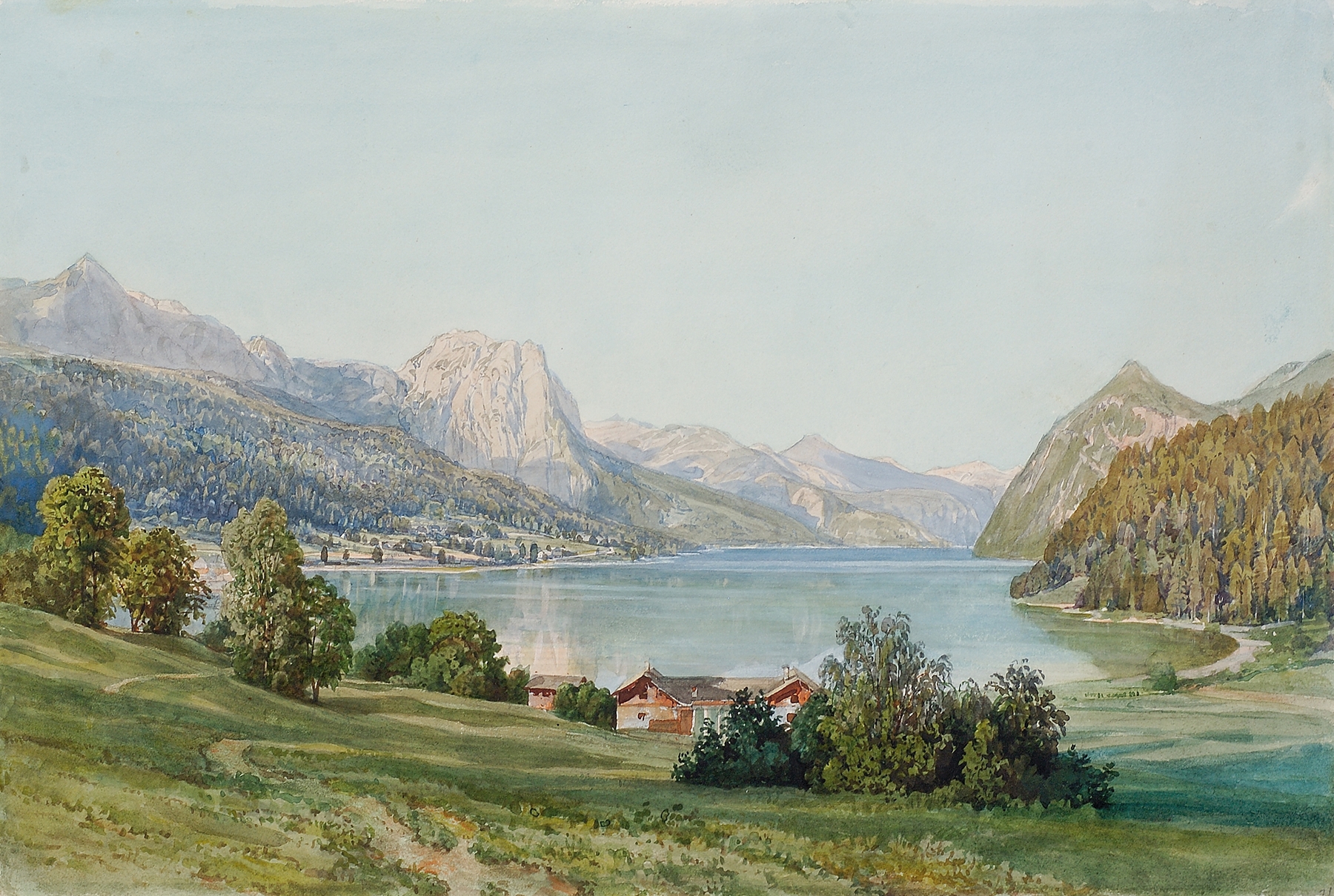
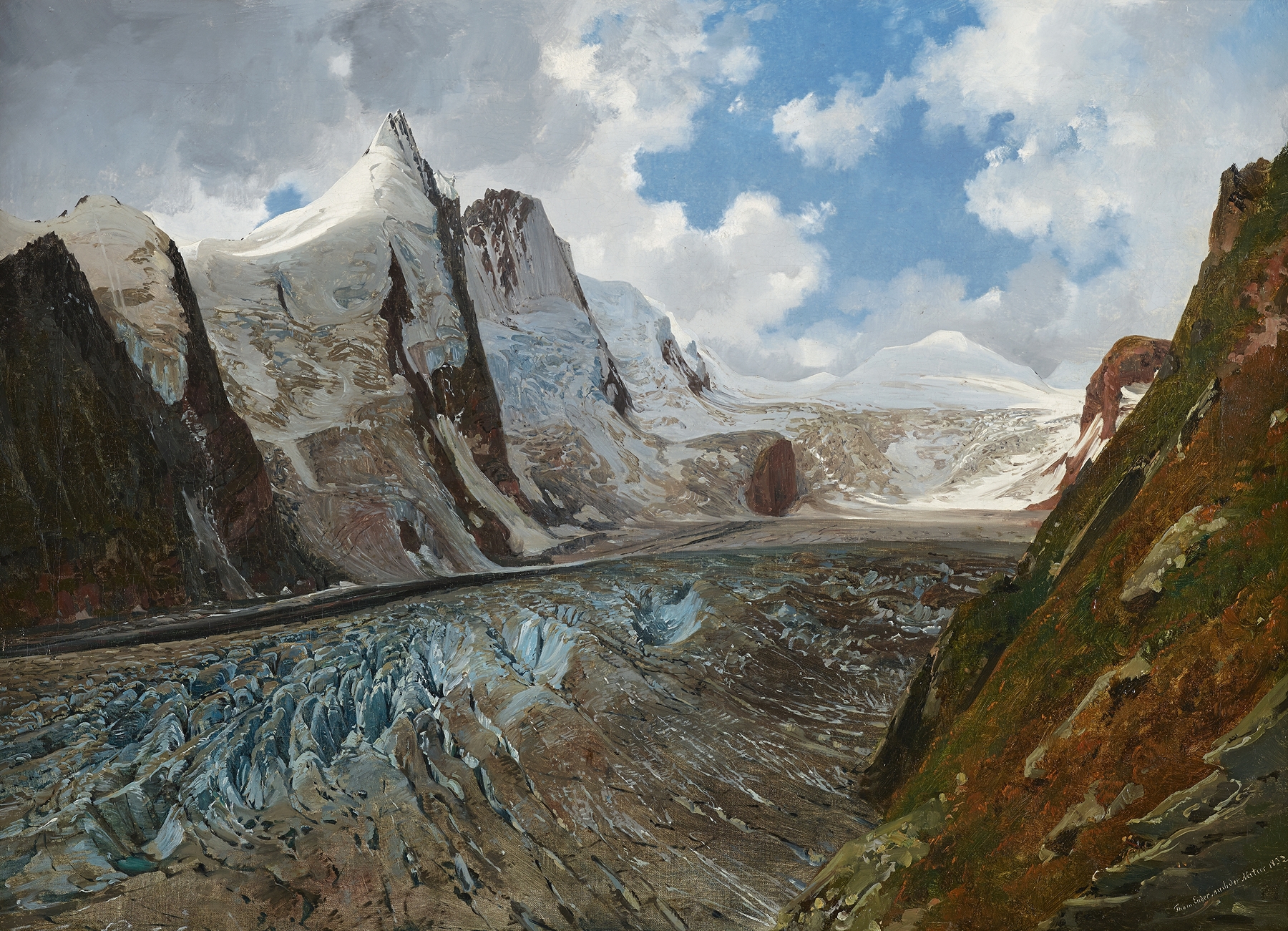
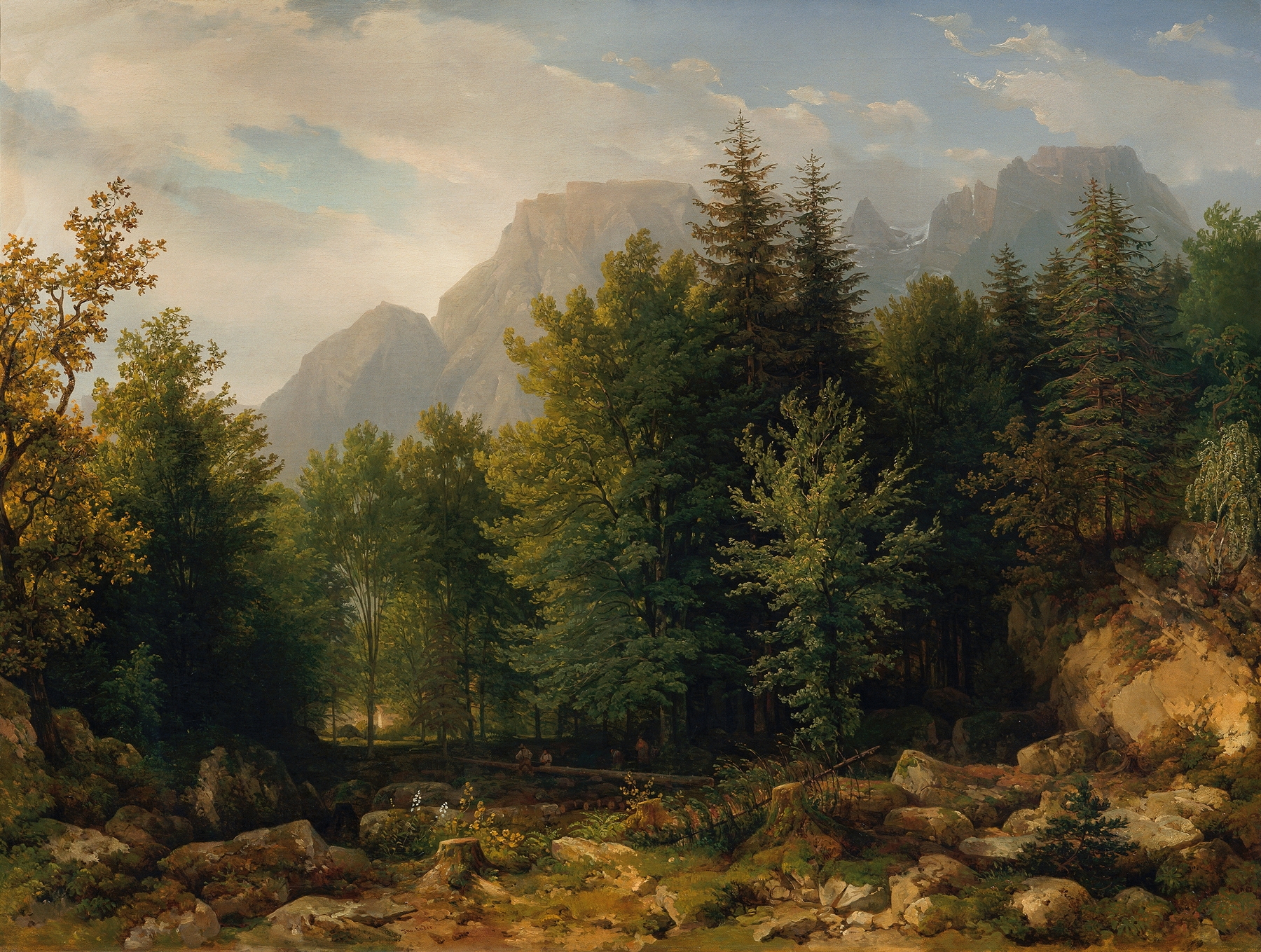
In the early 19th century, Thomas Ender was immersed in the Romantic movement, painting landscapes that echoed both the beauty of the natural world and the grandeur of architectural forms. This period marked his travels in Europe, where he documented scenes that combined realism with an idealized essence. His works reflect a time when artists were increasingly exploring the relationship between nature and civilization, pushing the boundaries of representation and challenging perceptions of truth.