Der Grundlsee in der Steiermark — History & Analysis
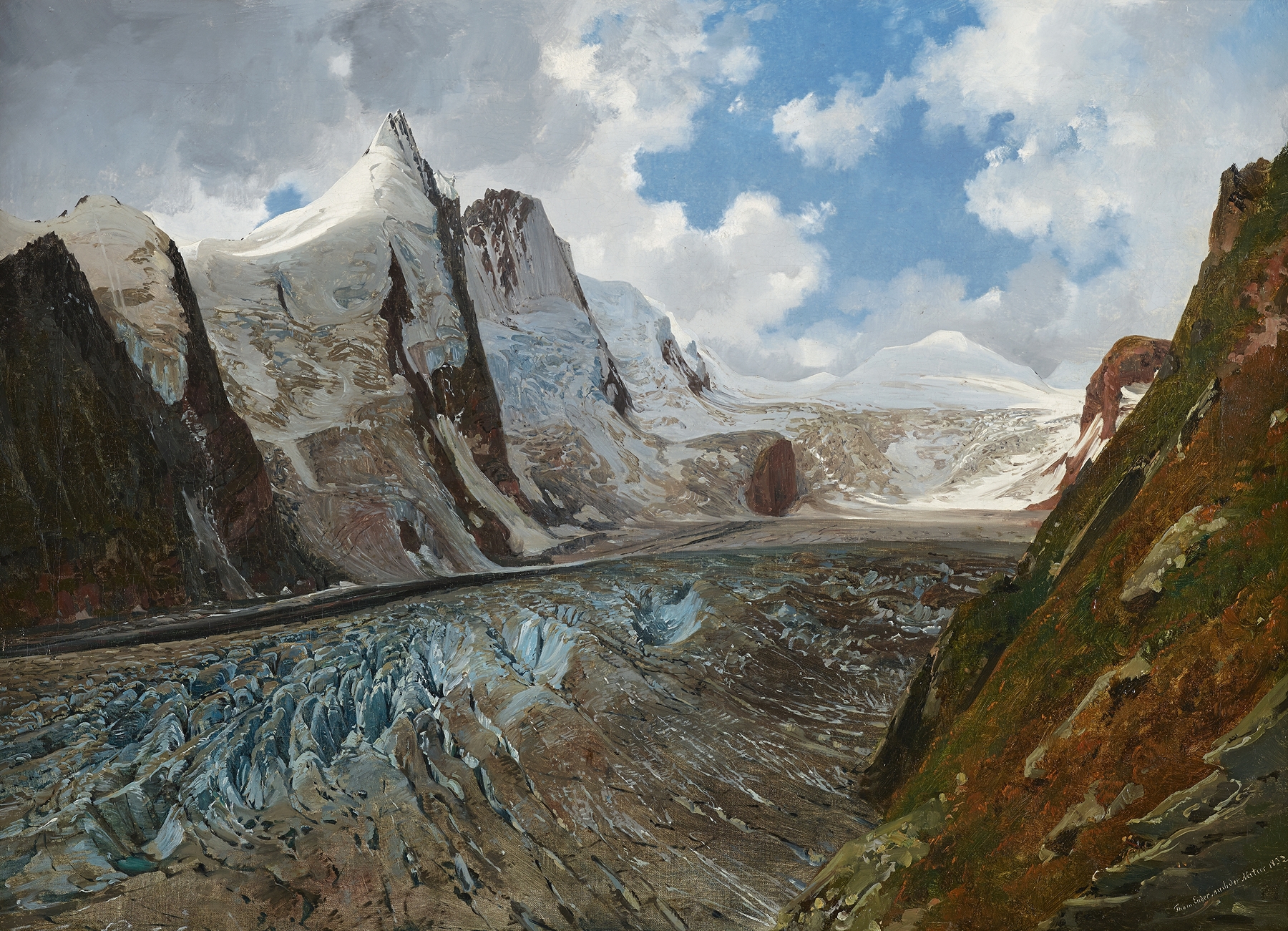
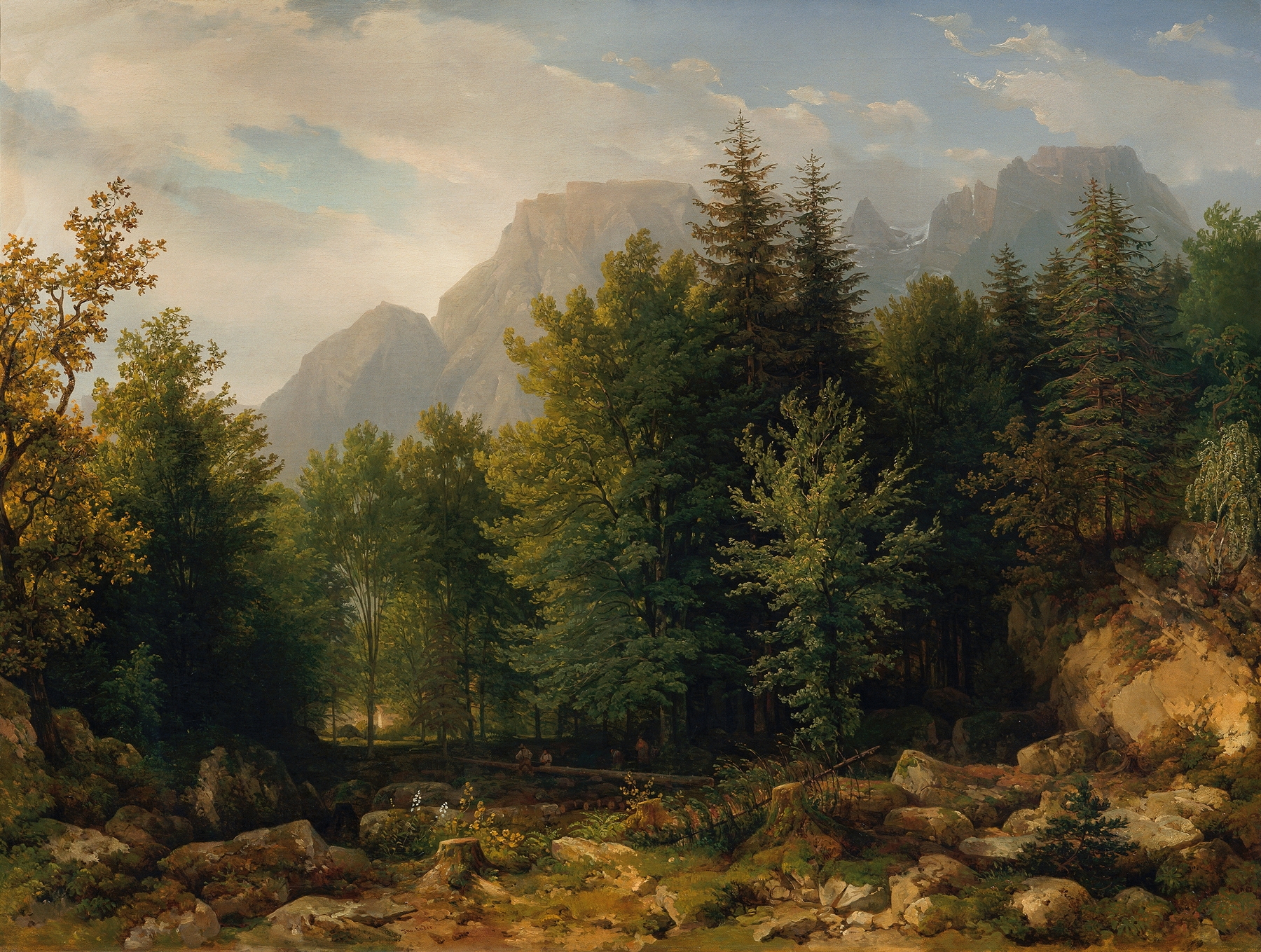
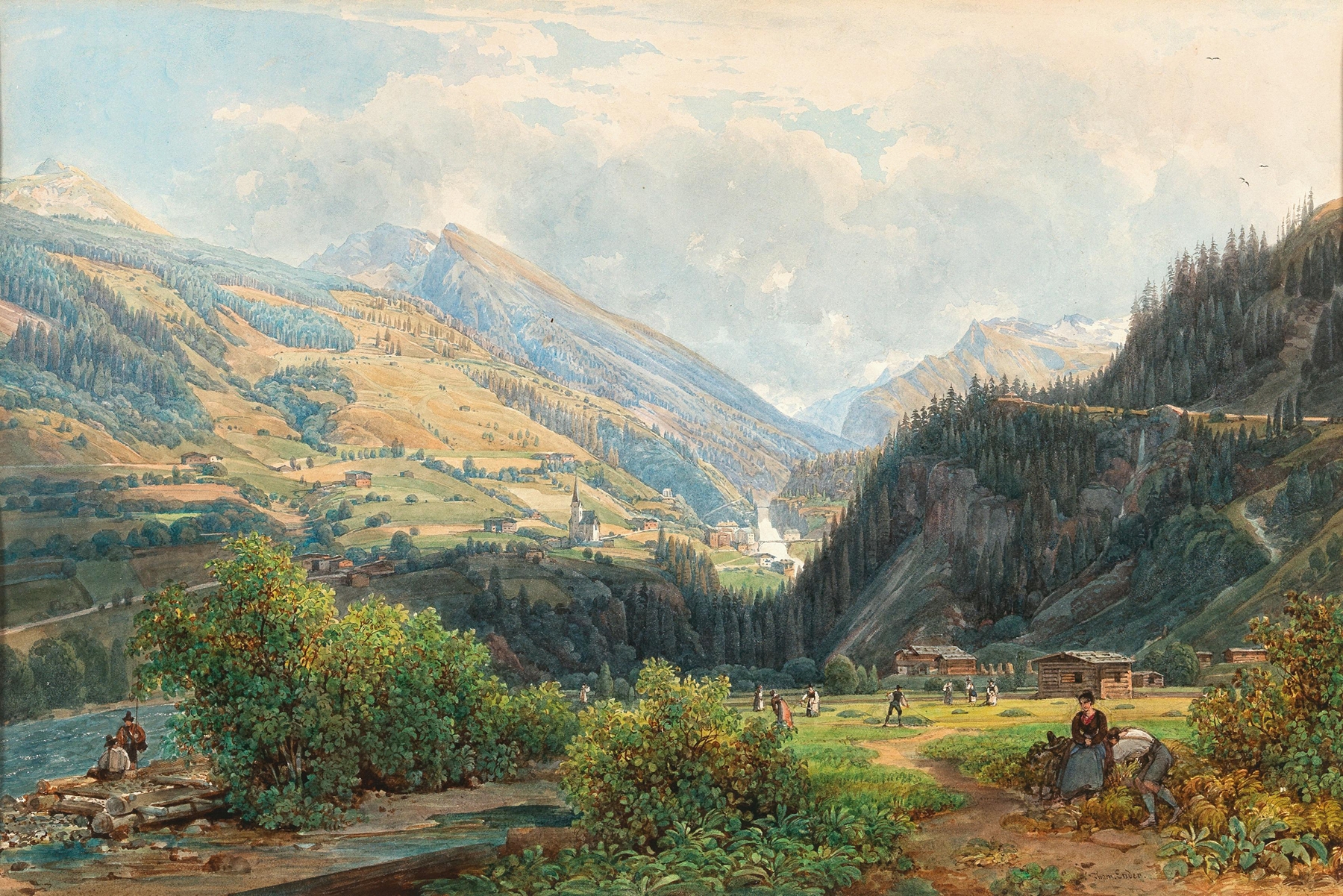
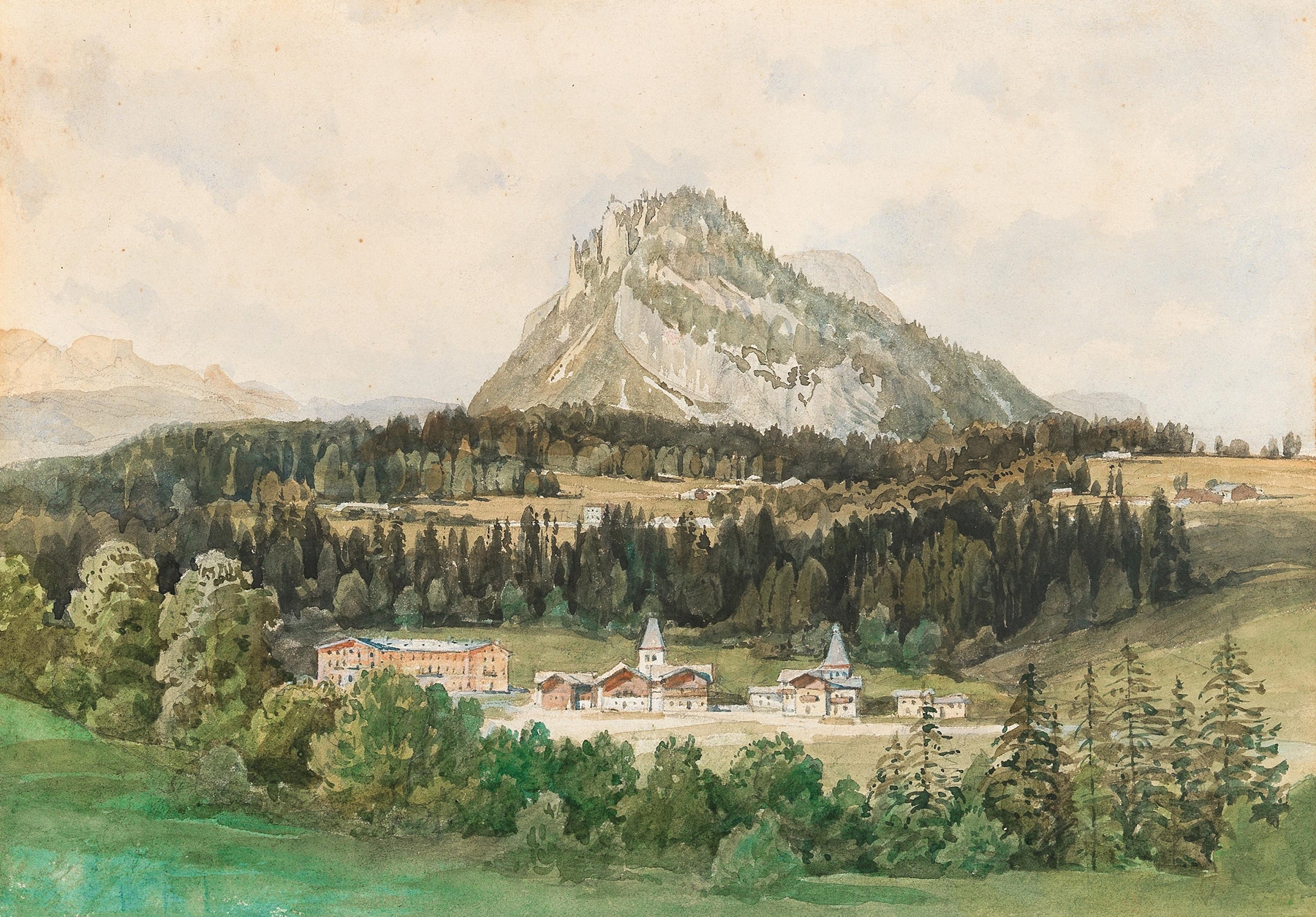
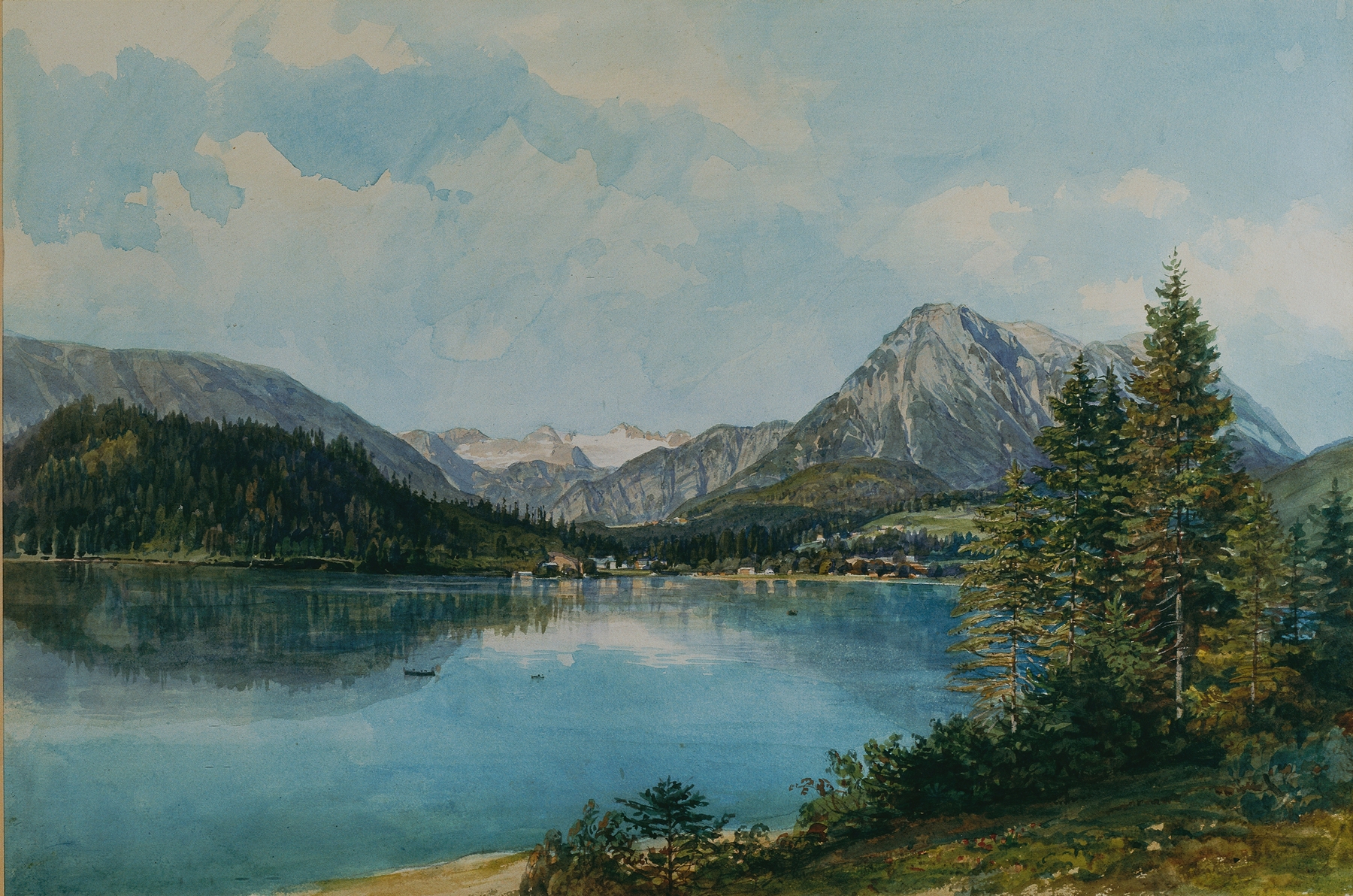
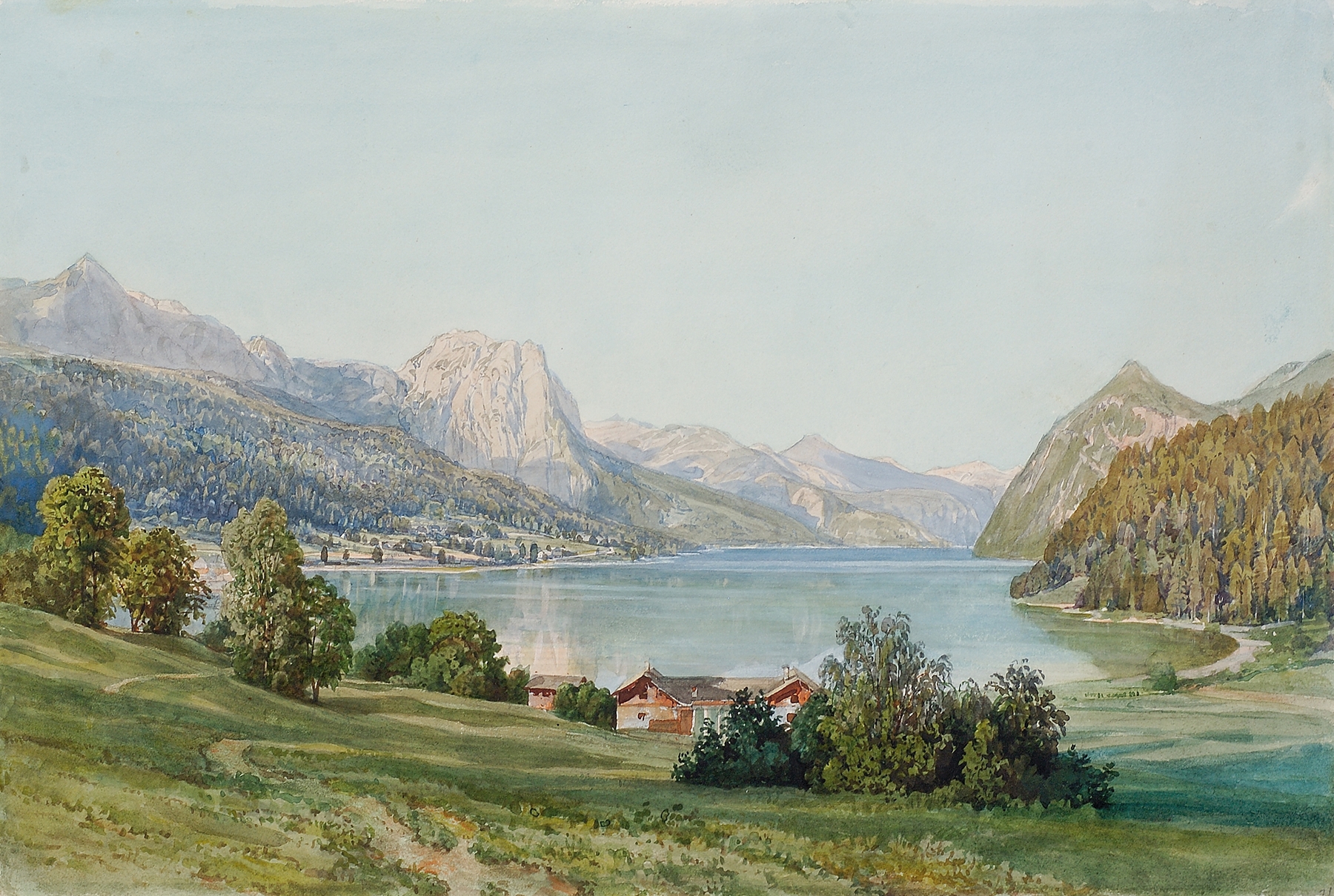
What if beauty was never meant to be finished? In the depths of nature, truth often lies in the incompleteness of a moment, capturing a world that breathes yet remains eternal. Focus on the gentle undulations of the water, where light dances on the surface, creating a shimmering pathway that leads the eye deeper into the landscape. Notice how the mountains cradle the lake, their rugged edges softened by a veil of mist, inviting contemplation.
The artist's palette reveals earthy greens and tranquil blues, blending harmoniously to evoke a sense of peace and serenity, embodying the essence of this tranquil retreat in the Austrian countryside. Yet, the juxtaposition of the still water against the towering peaks speaks to a deeper emotional tension. The calmness of the lake contrasts with the majestic, yet imposing, mountains, suggesting a duality of serenity and grandeur. The delicate brushstrokes reveal not just the physical beauty but also the underlying struggle between nature's tranquility and its formidable power, encouraging reflection on our own relationship with the natural world.
In 1840, while residing in Vienna, the artist captured this moment of stillness against a backdrop of a rapidly industrializing Europe. Amidst the burgeoning Romantic movement, which emphasized emotion and the sublime beauty of nature, he sought to document the landscapes of his homeland with precision and passion. This work, painted during a time of transition in both his life and the broader art world, embodies a longing for connection to nature's raw beauty and enduring truth.