Das Friedhofstor (Friedhof bei Wien) — History & Analysis
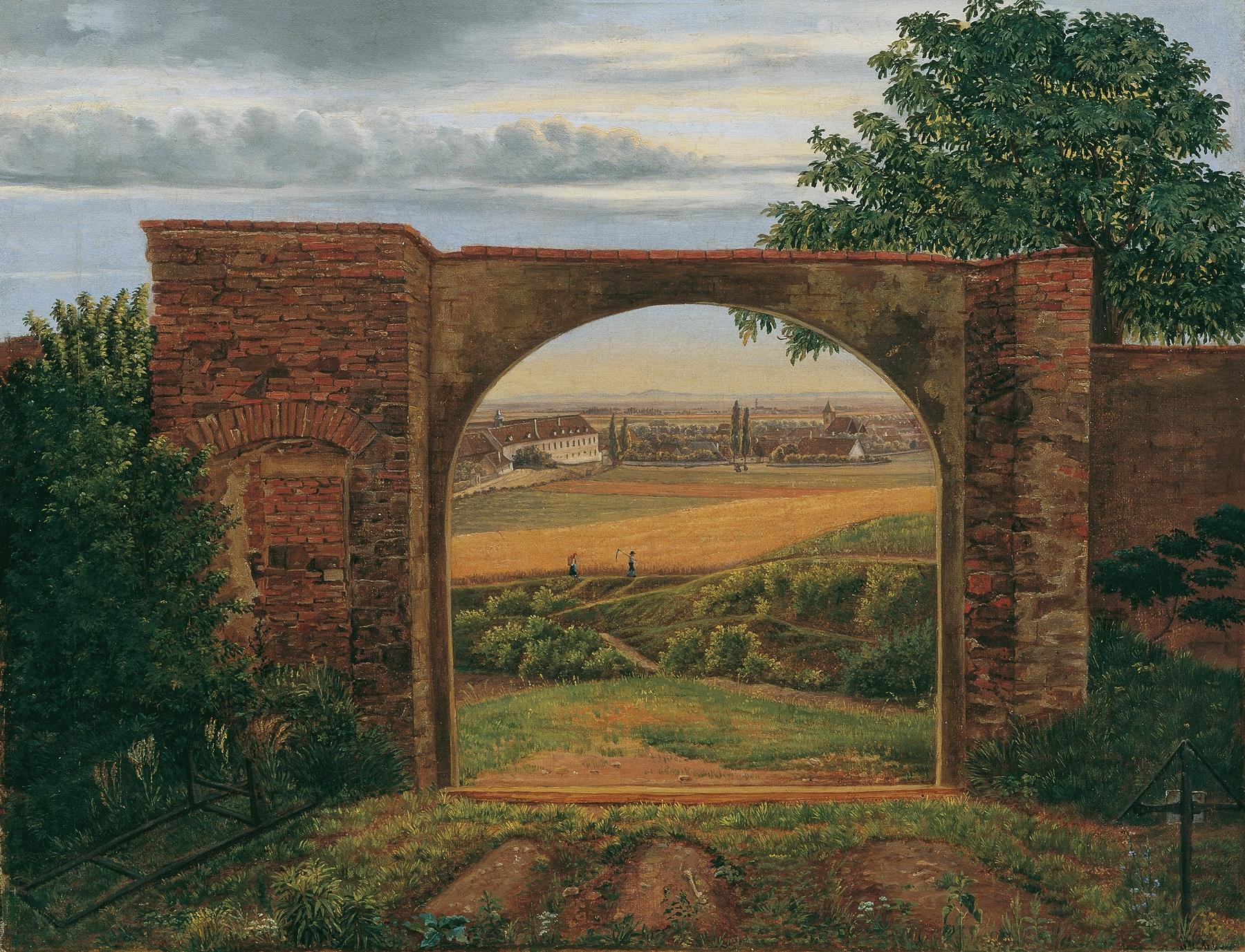
When did color learn to lie? In the interplay of light and shadow, dreams merge with reality, revealing a world that is both vivid and haunting. Focus on the tranquil yet foreboding scene laid out before you. The archway of the cemetery towers in the center, framed by lush trees reaching toward a somber sky. Notice how the muted greens and browns of the foliage contrast with the solemn gray of the stone, evoking a sense of calm yet whispering of loss.
The intricate details of the wrought iron gate, seemingly inviting yet impenetrable, draw the eye, creating a compelling tension between accessibility and exclusion. As you delve deeper, observe the subtle layering of emotions in the brushstrokes. The interplay between light and shadow suggests a moment frozen in time, where the weight of history hangs palpably in the air. The color palette evokes a dreamlike quality, reflective of both life and the passage of time, hinting at the transient nature of existence.
This duality of life and death is encapsulated in the delicate interplay of light that dances upon the gravestones, serving as a reminder that beauty is often intertwined with sorrow. Created in 1820, this piece emerged as Thomas Ender embraced the Romantic movement while living in Vienna. At this time, he was exploring the emotional depths of landscape painting, grappling with themes of memory and mortality, influenced by the artistic currents that sought to connect nature with human experience. The cemetery, as a subject, reflects the societal preoccupation with death and the afterlife, resonating with a culture increasingly aware of its ephemeral nature.