Capture of H.B.M. Frigate Macedonian by U.S. Frigate United States, October 25, 1812 — History & Analysis
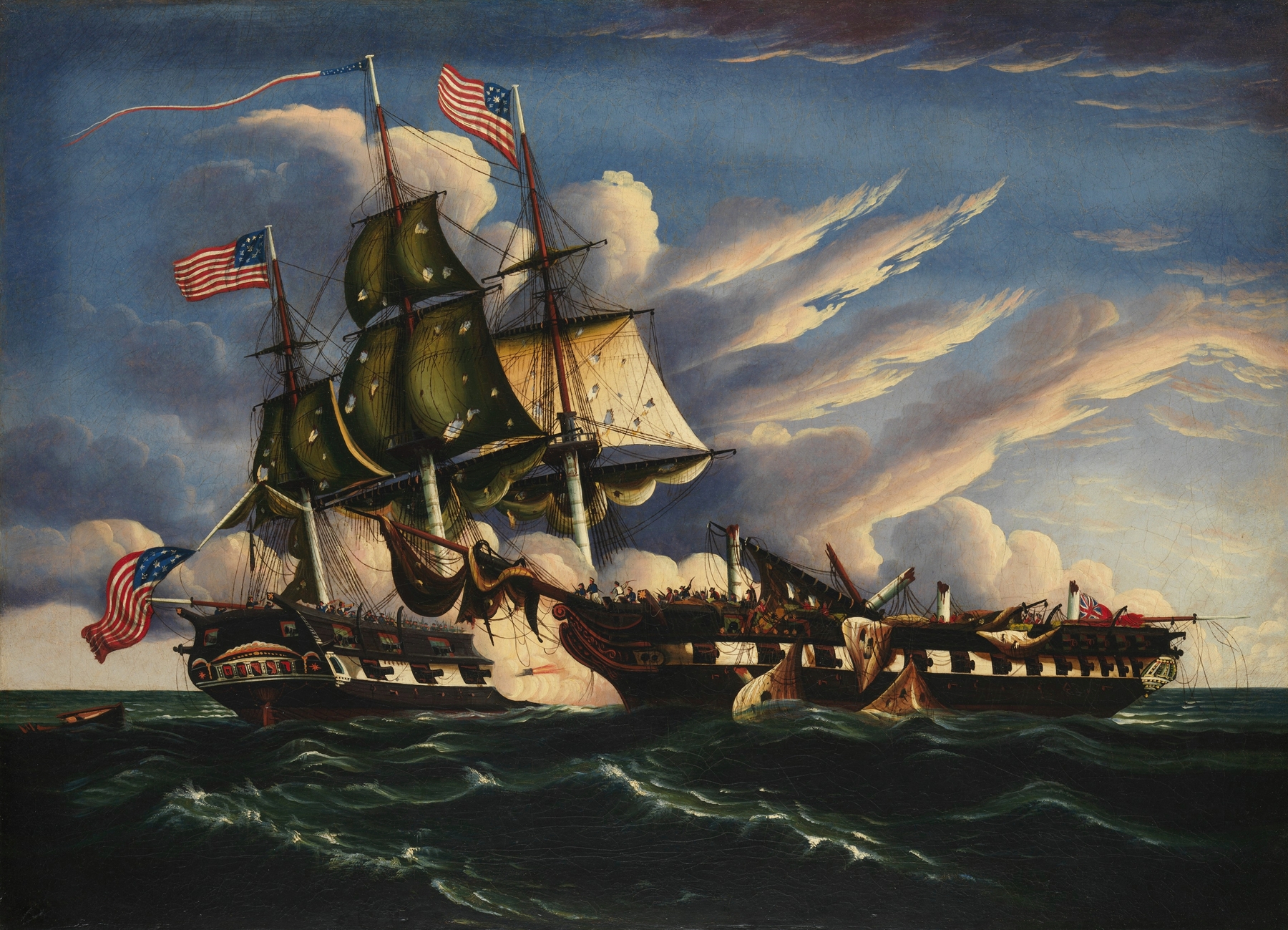
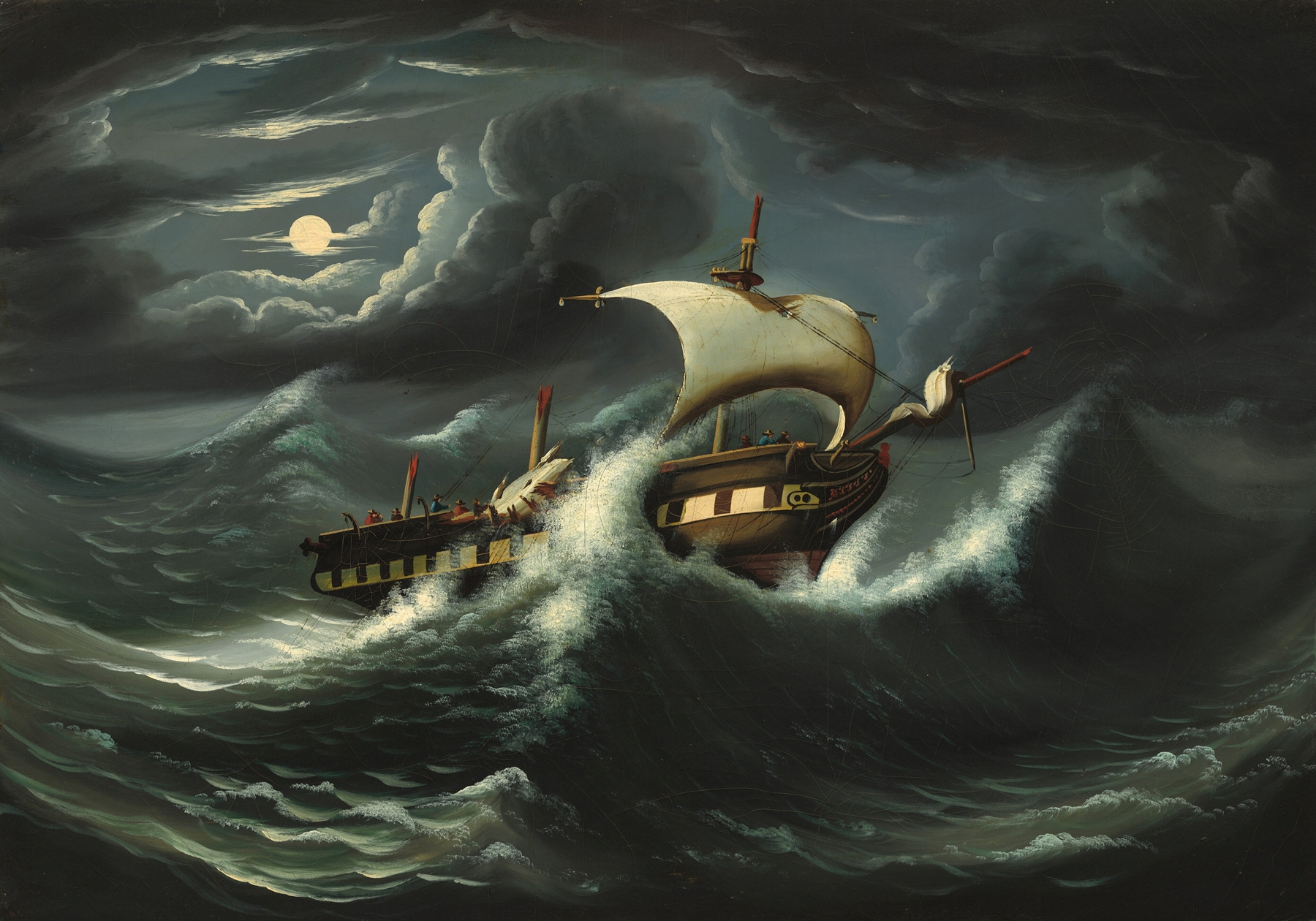
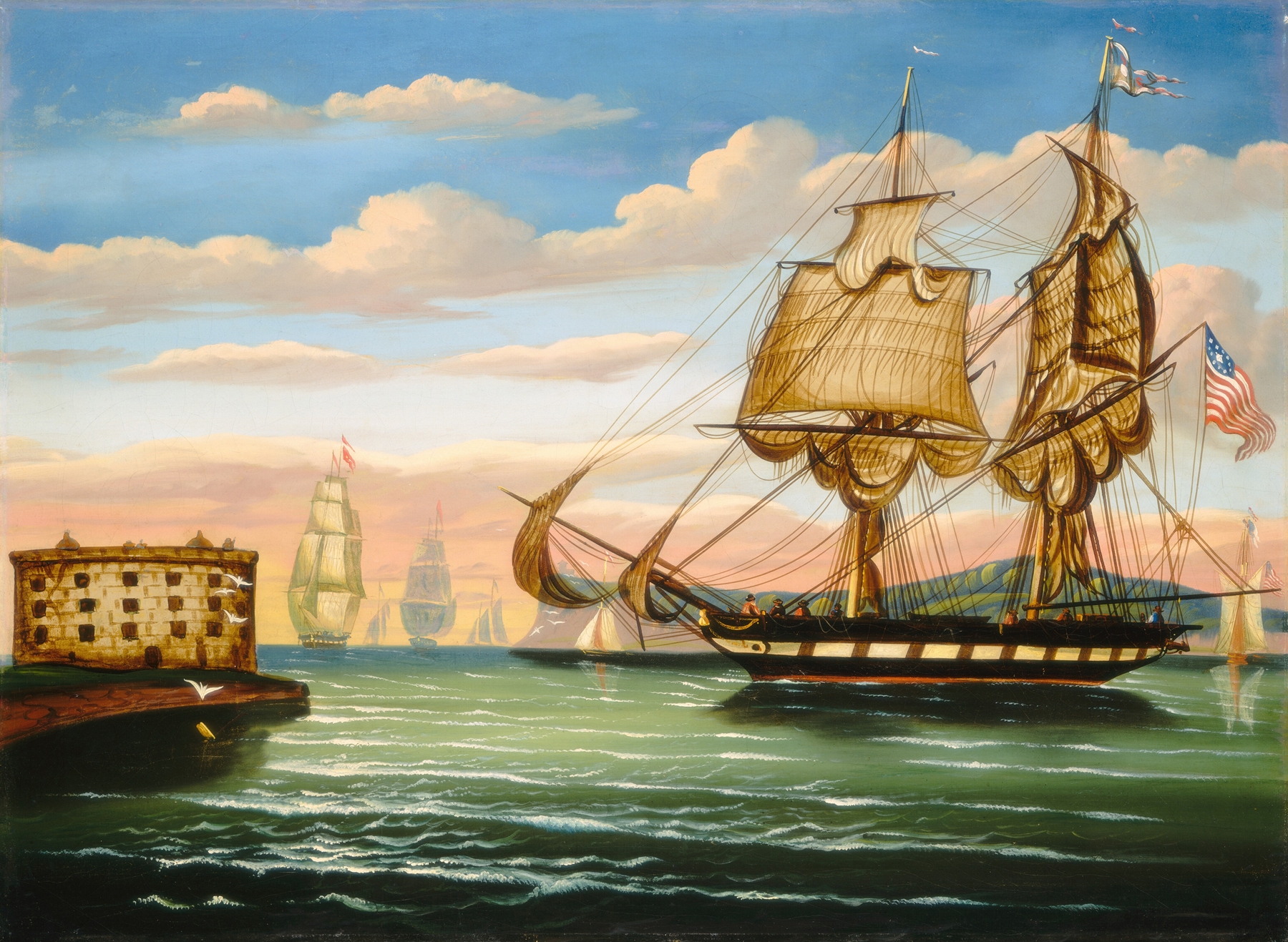
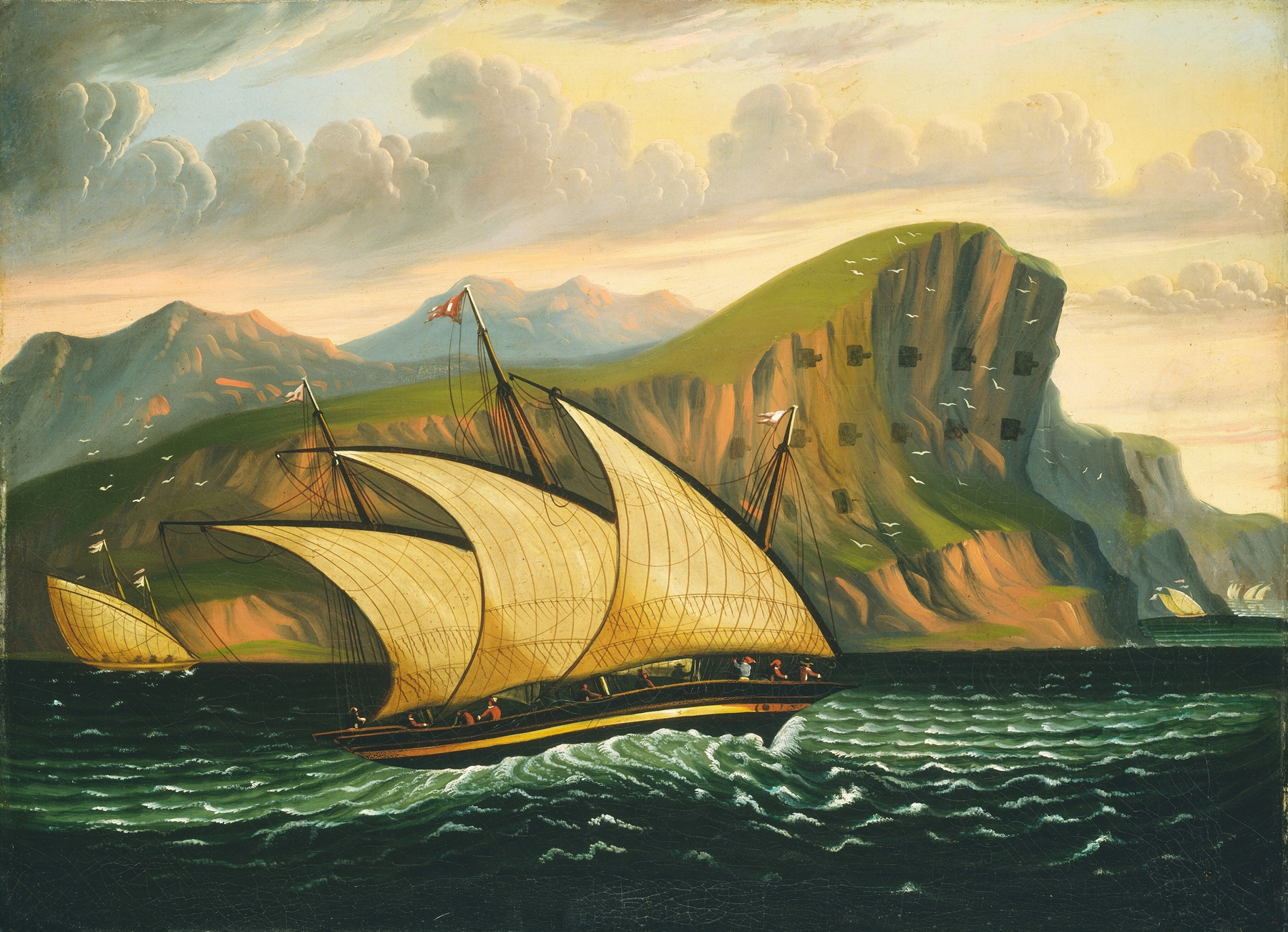
Could a single brushstroke hold eternity? In the chaos of battle, where the pulse of madness intertwines with the clarity of purpose, we find the essence of humanity laid bare on the canvas. Look to the left at the billowing sails, their crisp whites contrasting fiercely against the stormy backdrop. The artist’s deft handling of dramatic light captures the tumultuous energy of the sea, while the jagged waves seem to mirror the chaos of war. Notice how the figures on the ships are rendered with fluid strokes—a dance of motion that draws the eye toward the center where the clash occurs.
The palette is dominated by deep blues and grays, yet flashes of fiery red and soft cream punctuate the tumult, evoking both struggle and vigor. Delve deeper into the tension between the opposing frigates. The juxtaposition of the U.S. frigate, bold and aggressive, against its British counterpart, which appears beleaguered yet defiant, speaks to the complexities of conflict. There lies a sense of pride and fury, underpinned by the uncertainties of fate; the viewer is left to ponder the madness of war, its glory entwined with tragedy.
The tension becomes palpable, like the bracing sea air, and resonates with a sense of inevitable change. In 1852, Thomas Chambers painted this scene during a time when the United States was beginning to forge its identity on the world stage, following a tumultuous War of 1812. This era was marked by nationalistic fervor and artistic exploration, as artists sought to capture the growing narrative of American strength and resolve. Amidst this backdrop, Chambers channeled the tumult of his nation’s past into a dramatic portrayal, aiming to immortalize a pivotal moment in naval history.