View of West Point — History & Analysis
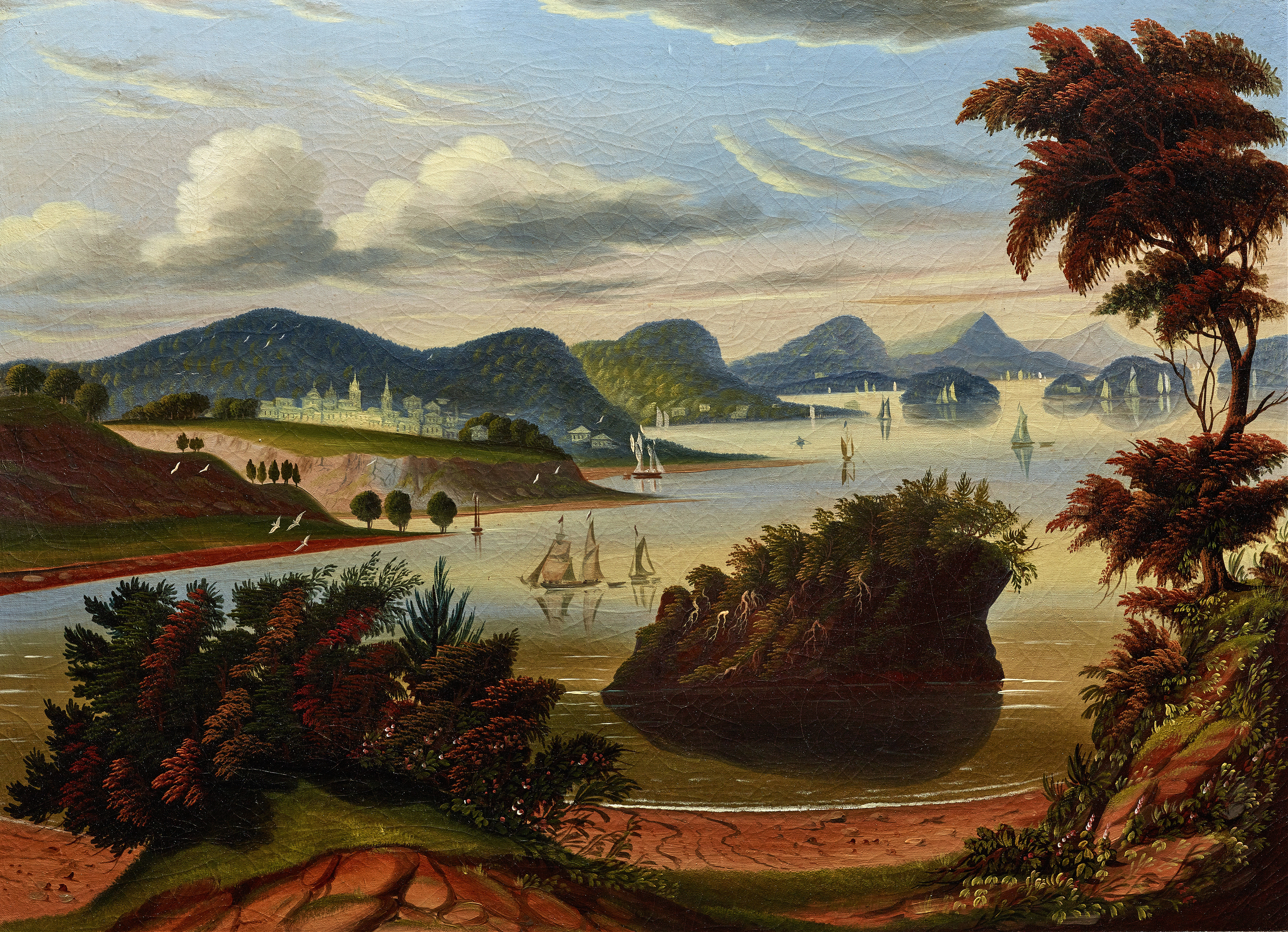
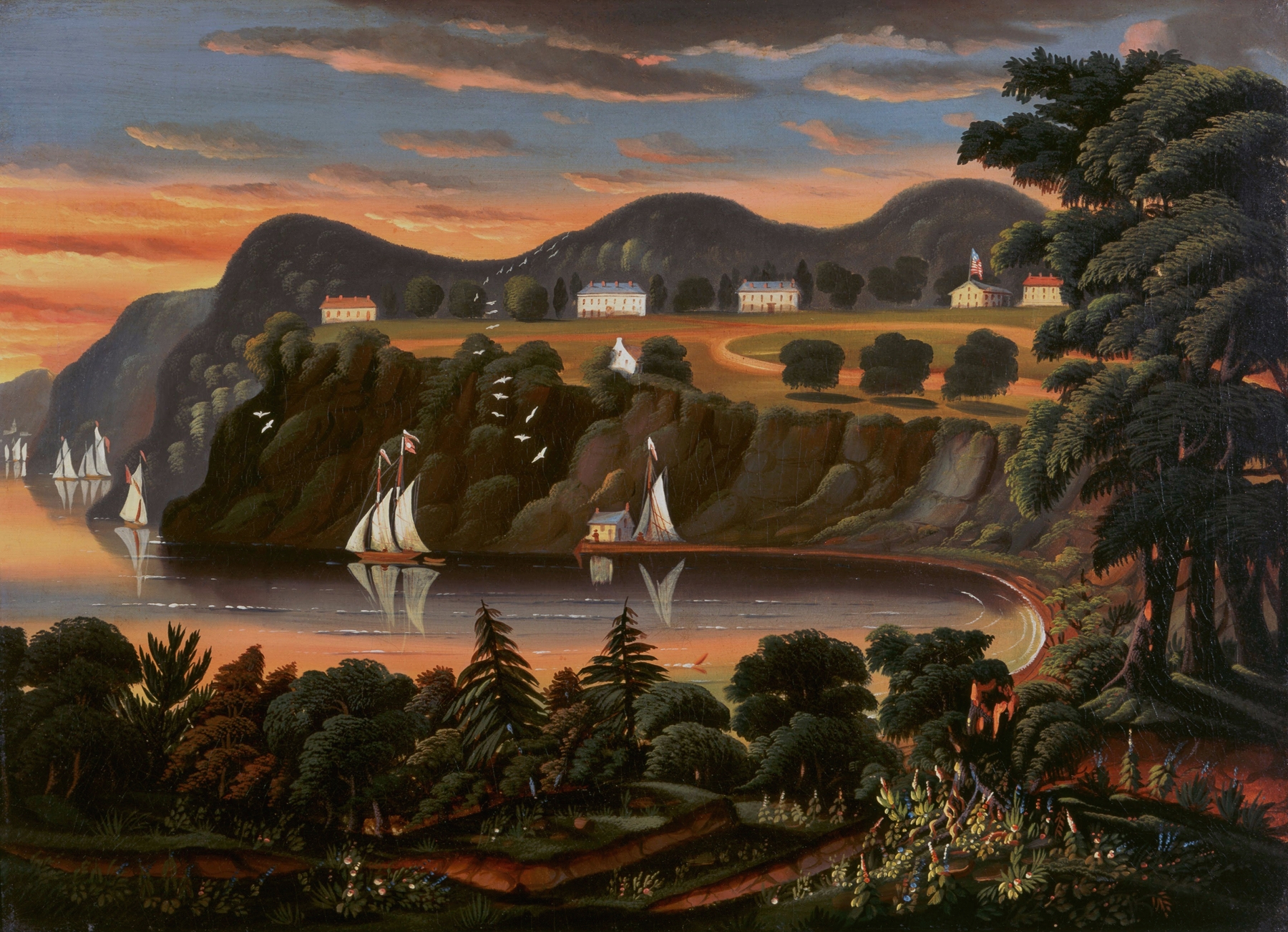
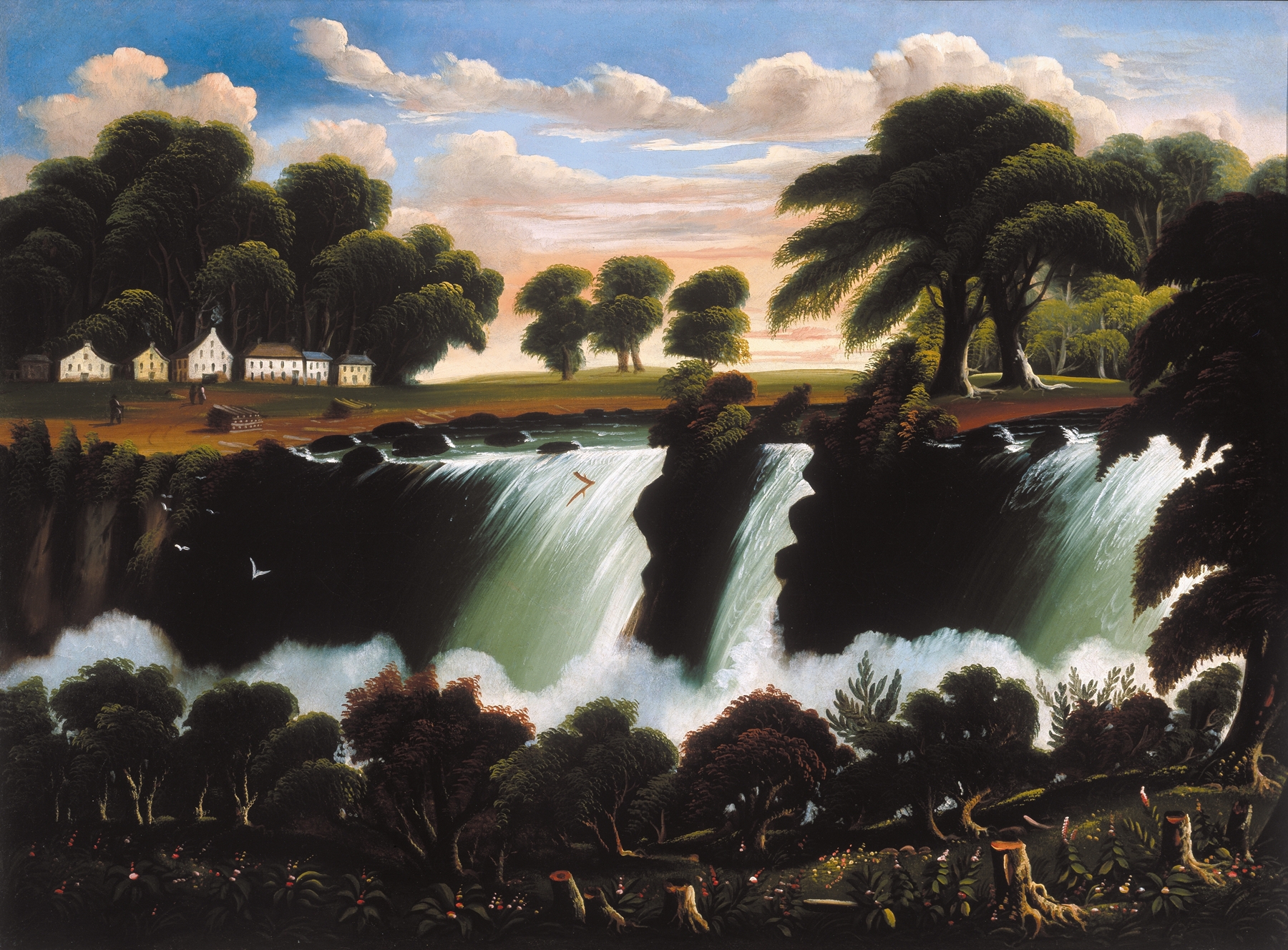
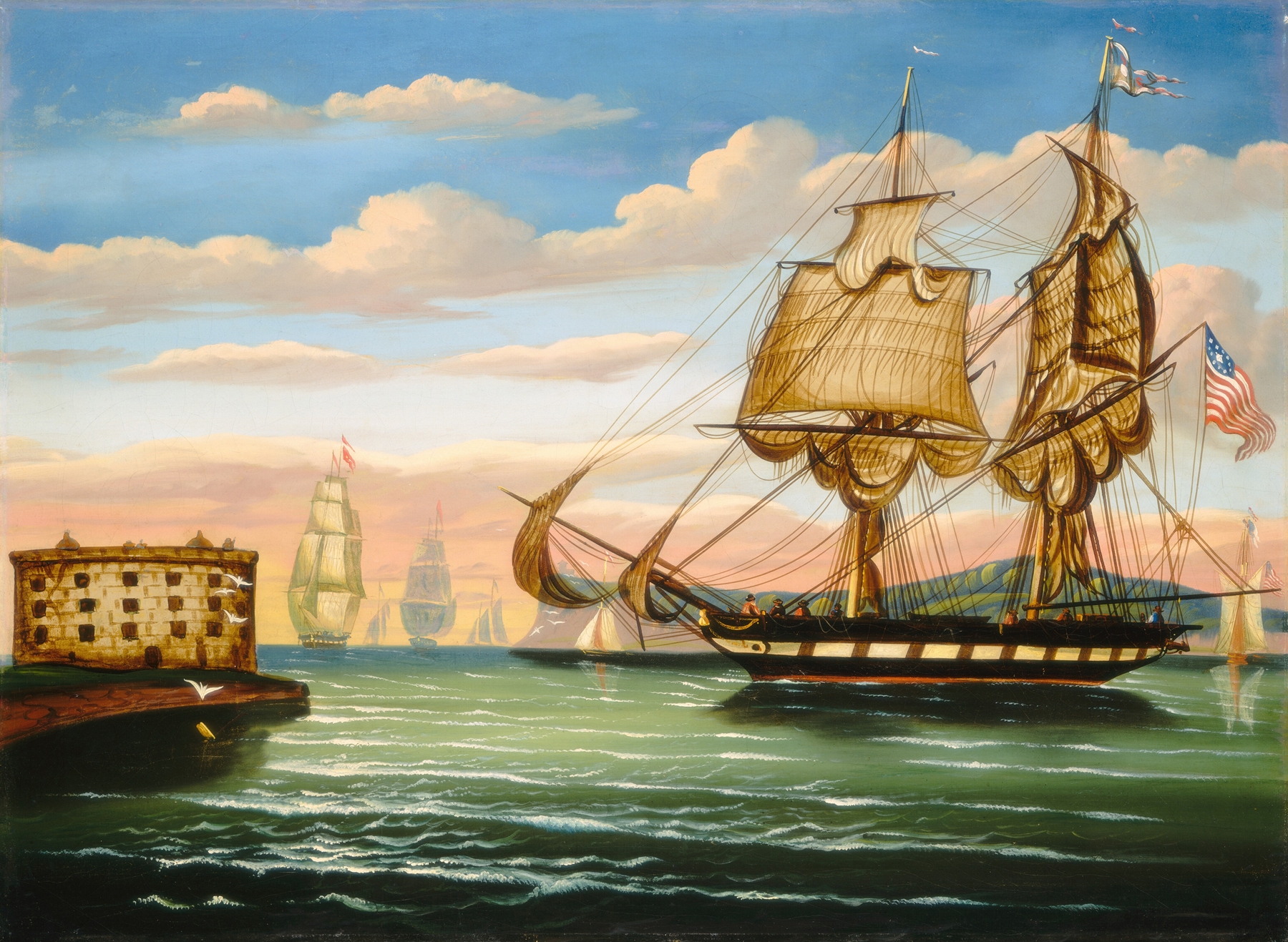
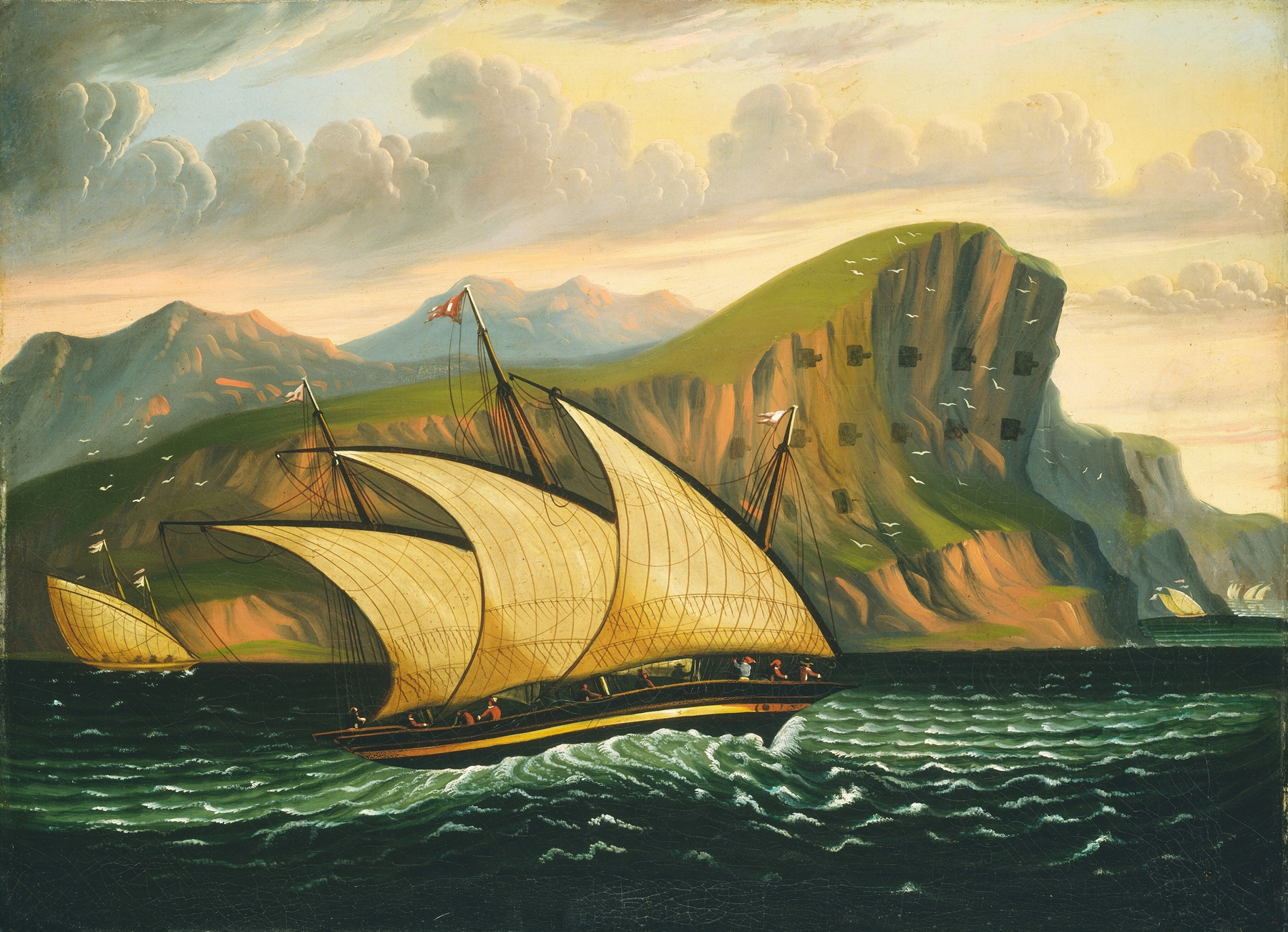
Is this a mirror — or a memory? A stillness envelops the landscape, where the river cradles the shoreline, and the peaks rise like silent sentinels, balancing nature’s grandeur with human endeavor. Focus on the river’s gentle curve as it meanders through the foreground, drawing your eye toward the distant hills. Notice how the soft blues and greens blend seamlessly, creating a tranquil harmony that invites you to pause.
The delicate brushwork captures the fleeting light of day, while the architectural forms in the distance stand resolute, demonstrating a juxtaposition of man’s achievements against the timelessness of nature. Yet, beneath this serene exterior lies a tension between nature’s wildness and human order. The contrasting colors of the sky and the land evoke a sense of nostalgia, hinting at the passage of time. Look closely at the details of the trees, their leaves swirling with life, while the structures, perhaps remnants of a past civilization, remind us of the impermanence of human existence in the face of nature’s enduring beauty.
In the mid-19th century, Chambers painted this work during a period of burgeoning American nationalism and romanticism. Having embraced the natural landscape as a source of inspiration, he sought to capture both the majesty of the land and the spirit of its inhabitants. This painting emerged from a time when artists were increasingly reflecting on the relationship between humanity and the sublime, marking a significant moment in American art history.