Eastport, and Passamaquoddy Bay (View of Hudson Valley) — History & Analysis
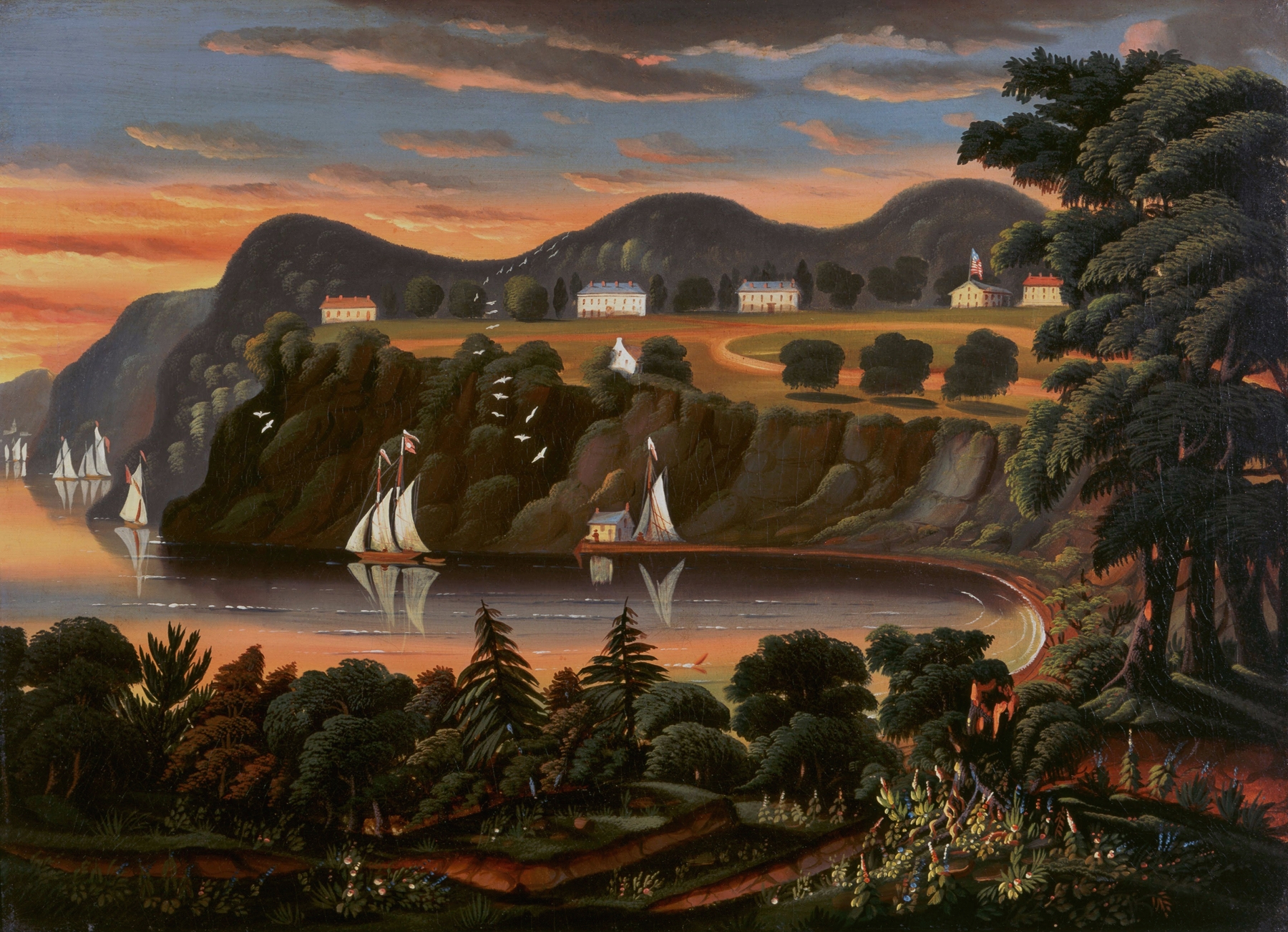
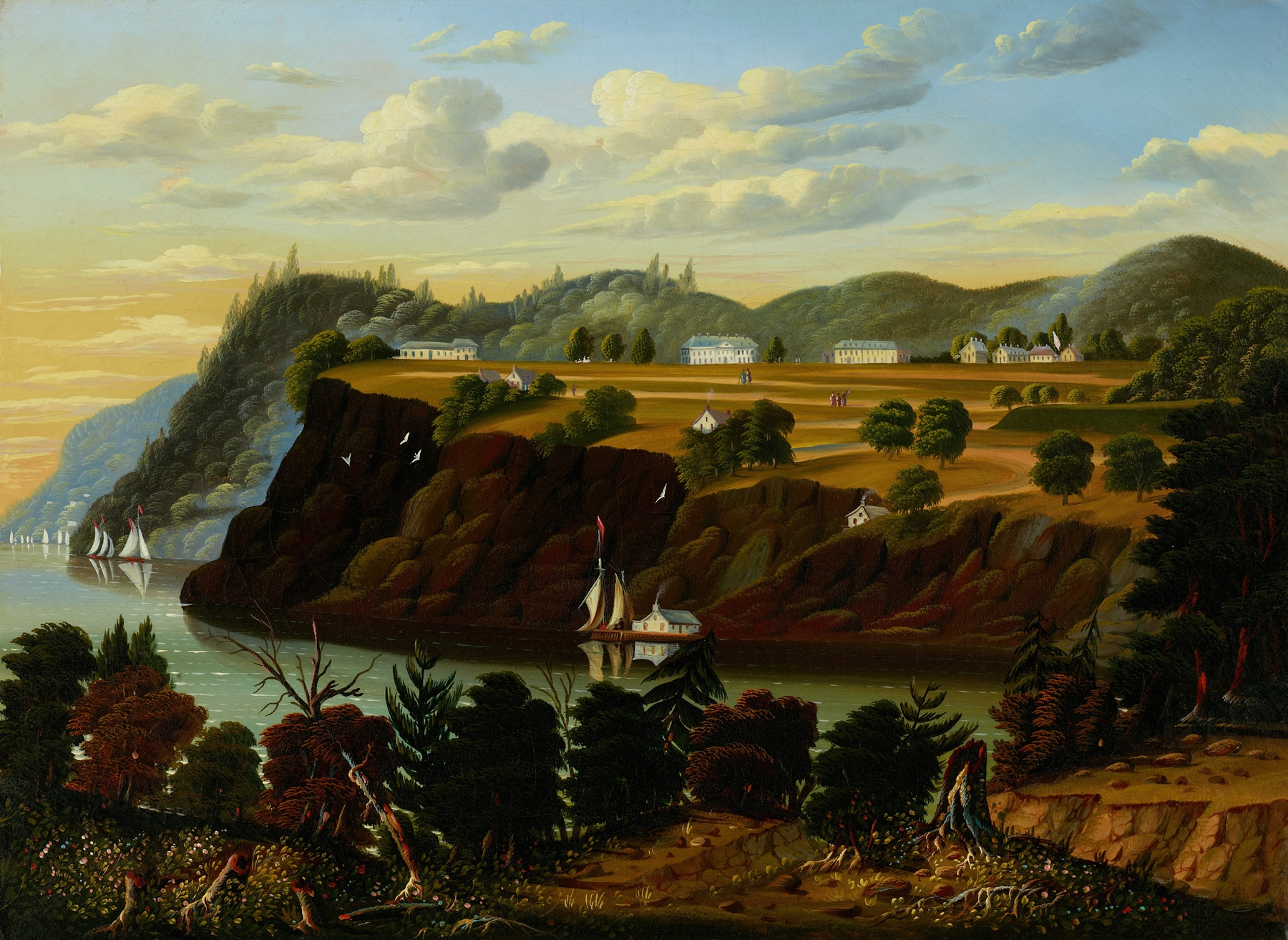
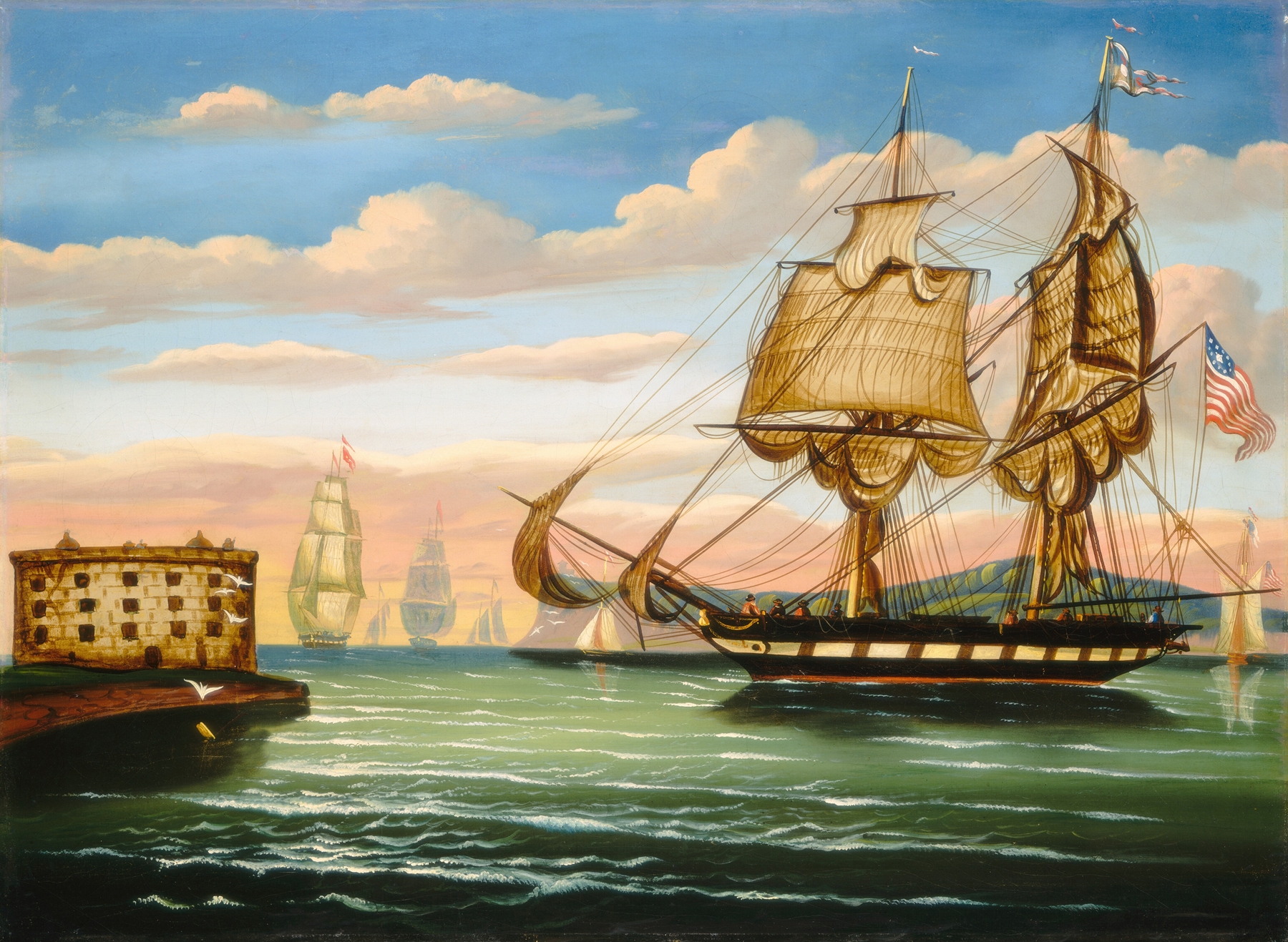
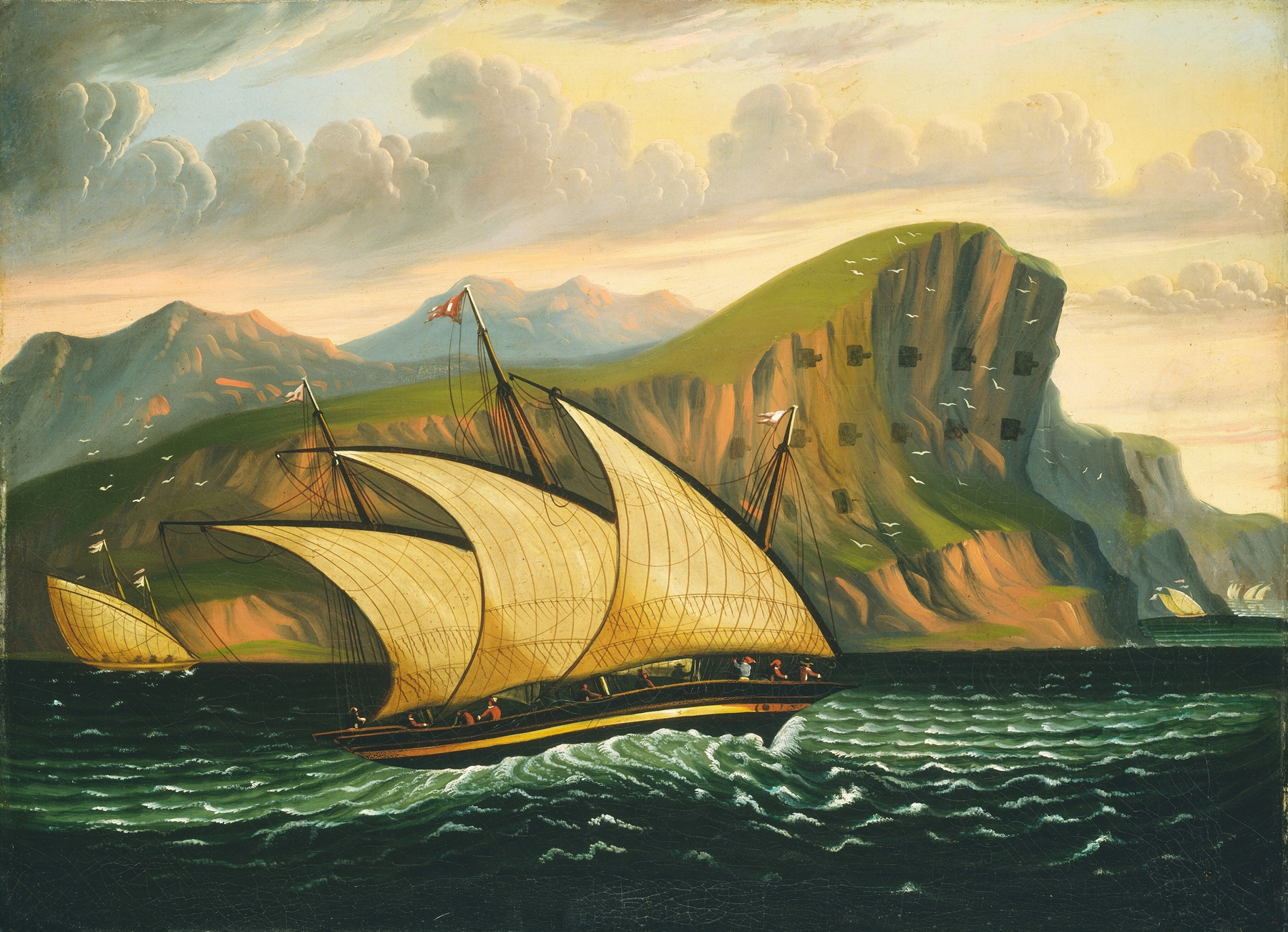
When did color learn to lie? The hues in this landscape whisper secrets, inviting viewers to confront the longing that often accompanies beauty. Look to the left at the shimmering blues and greens that dance across the water, capturing the viewer's eye and drawing them into the serene expanse of Passamaquoddy Bay. Notice how the artist uses light, gently illuminating the clouds overhead, creating a stark contrast against the deepening shadows of the land.
Each brushstroke reveals an intricate balance of detail and abstraction, where the rippling waves seem to beckon forth a story yet untold, while the distant hills stand as silent sentinels in soft pastels. The emotional pull of this piece lies in its subtle contrasts. The warmth of the soft golds and earthy browns intermingle with cooler blues, evoking a sense of nostalgia and yearning for places just out of reach. The idyllic scene speaks to an unfulfilled desire, embracing both tranquility and melancholy, and hinting at the complexities of human connection to nature.
The stillness of the bay contrasts with the vibrant sky, echoing the tension between moments of peace and the restlessness that lies just beneath the surface. Created between 1840 and 1860, this work reflects Thomas Chambers' exploration of American landscapes during a time when the country was expanding westward, and artists were beginning to capture nature's essence as more than just a backdrop. Chambers, influenced by both Romanticism and the emerging Impressionist movement, sought to convey emotional depth through the simplicity of everyday scenes, as he honed his craft amid the growing popularity of landscape painting in America.