Mount Auburn Cemetery — History & Analysis
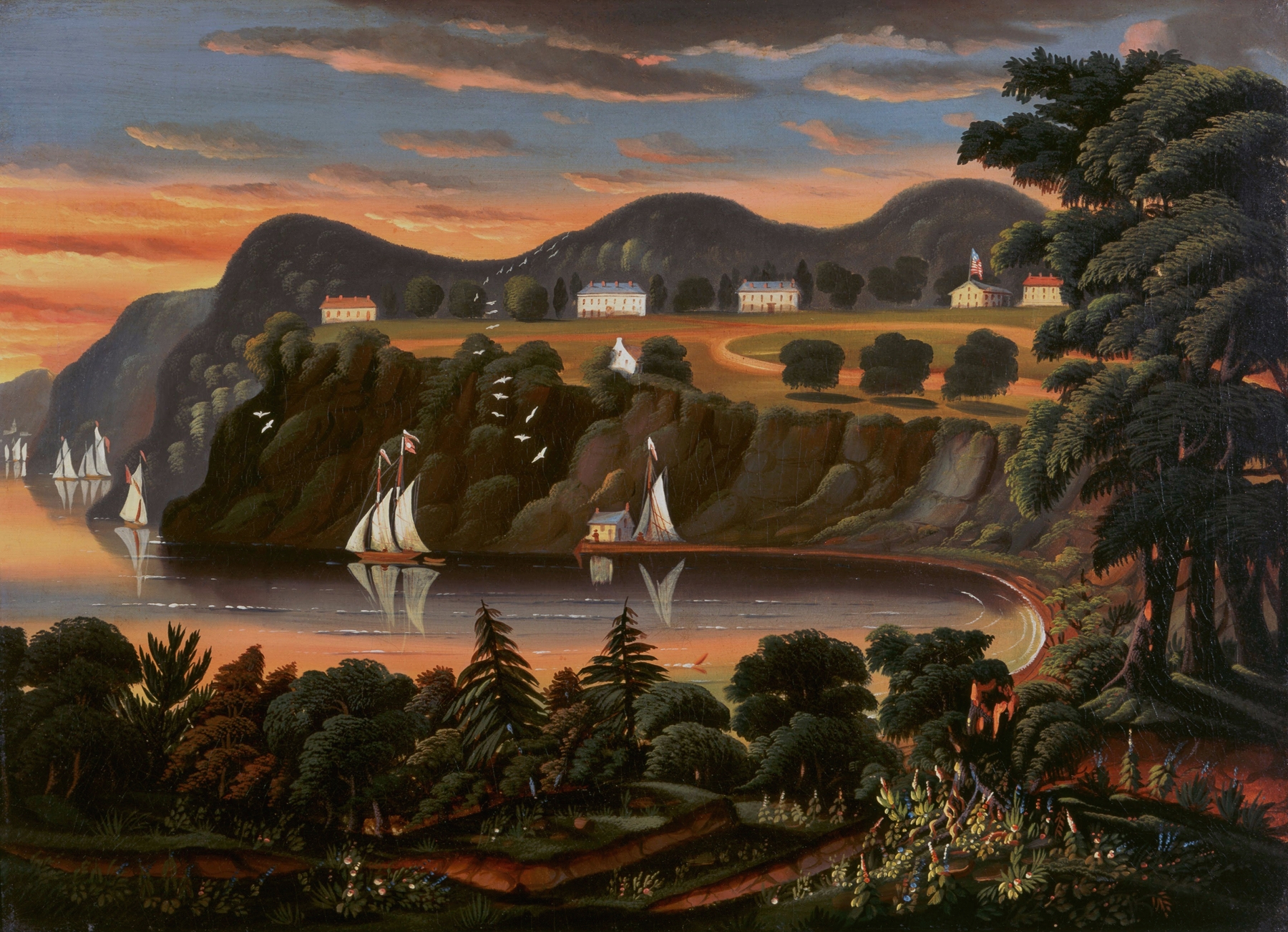
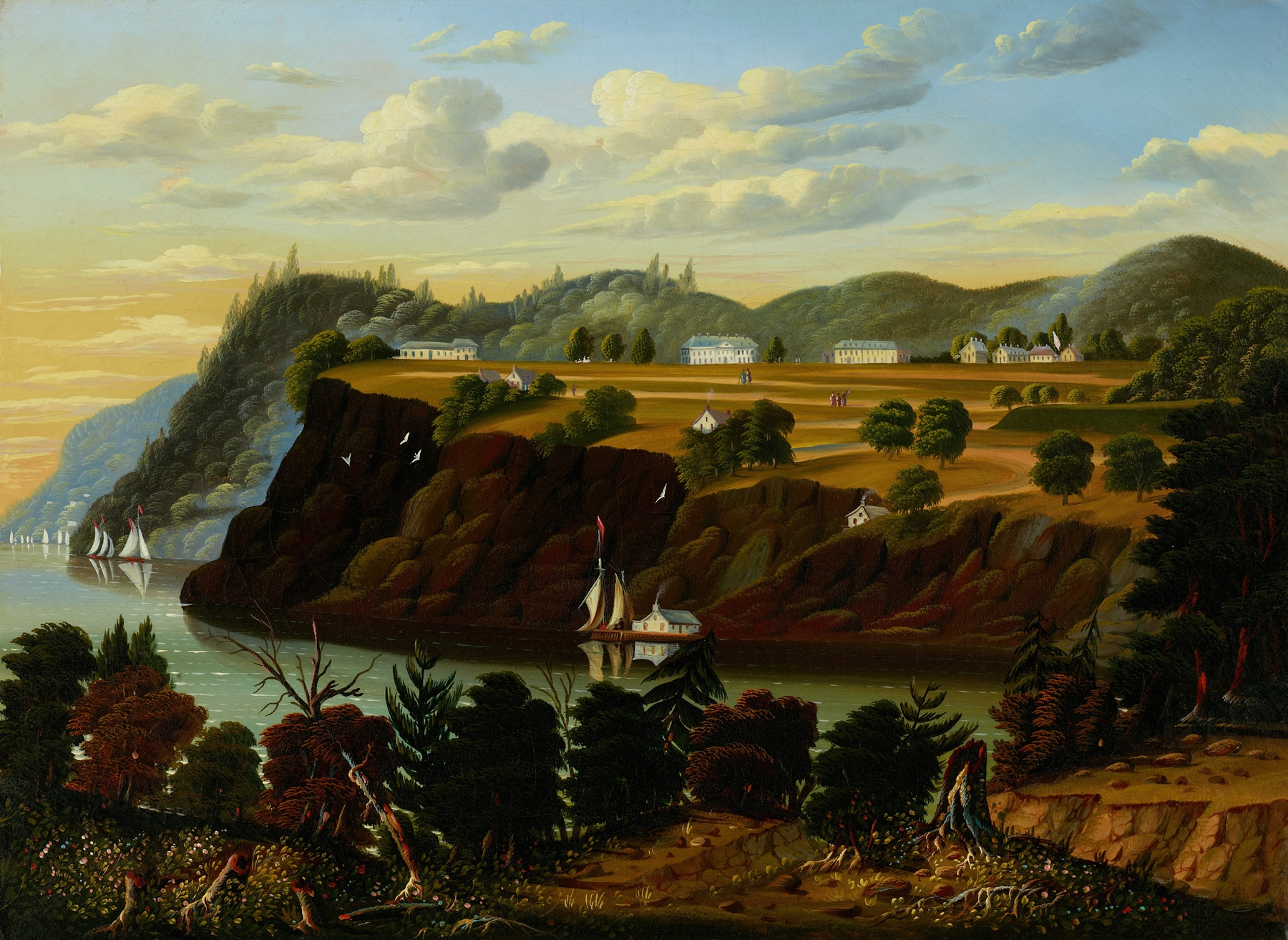
Could beauty survive in a century of chaos? Focus on the subtle interplay of light and shadow in Mount Auburn Cemetery. The soft hues wash over the lush greenery, where delicate tombstones emerge like whispers from the earth, each one telling a silent story. Notice the way the trees arch gracefully overhead, their leaves shimmering as if caught in a gentle breeze, while the winding paths invite the viewer to wander through this serene yet haunting landscape.
Within the composition, the contrast between the vibrant life of nature and the stillness of the resting place speaks volumes. The vibrant greens juxtaposed with the pale grays of the stones create an emotional tension, reflecting the cycle of life and death. Small details, such as the way the light filters through the foliage, evoke a sense of hope, suggesting that even in stillness, beauty can thrive amidst the sadness that permeates.
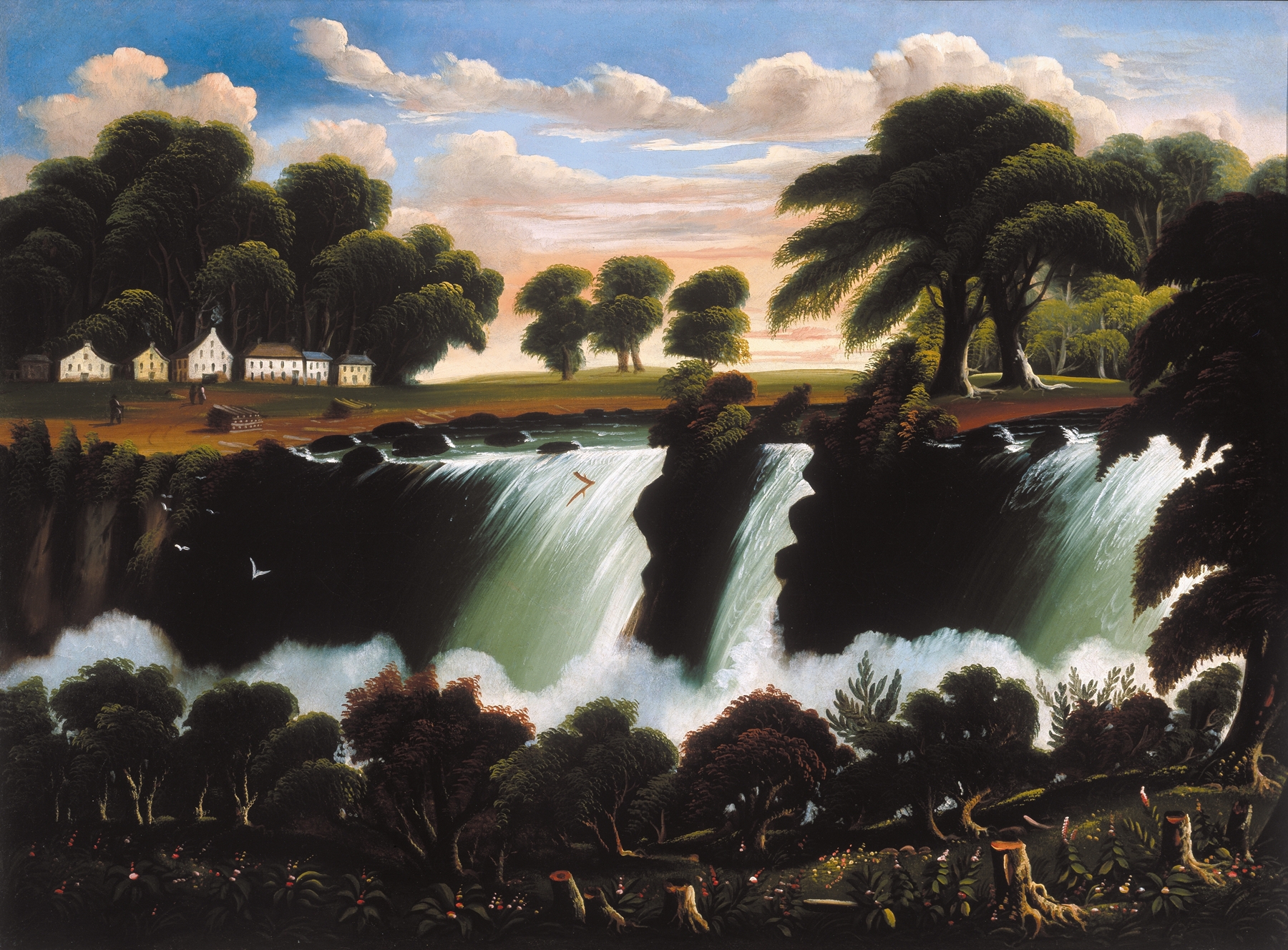
Thomas Chambers painted Mount Auburn Cemetery in the mid-19th century, during a time when America was grappling with profound societal changes. The nation was in the throes of revolution—both politically and artistically—and the Romantic movement was reshaping the landscape of art. Chambers, influenced by this tumultuous backdrop, sought to capture the essence of beauty that existed even in the face of chaos, providing a moment of reflection in an ever-changing world.