Castle by the River — History & Analysis
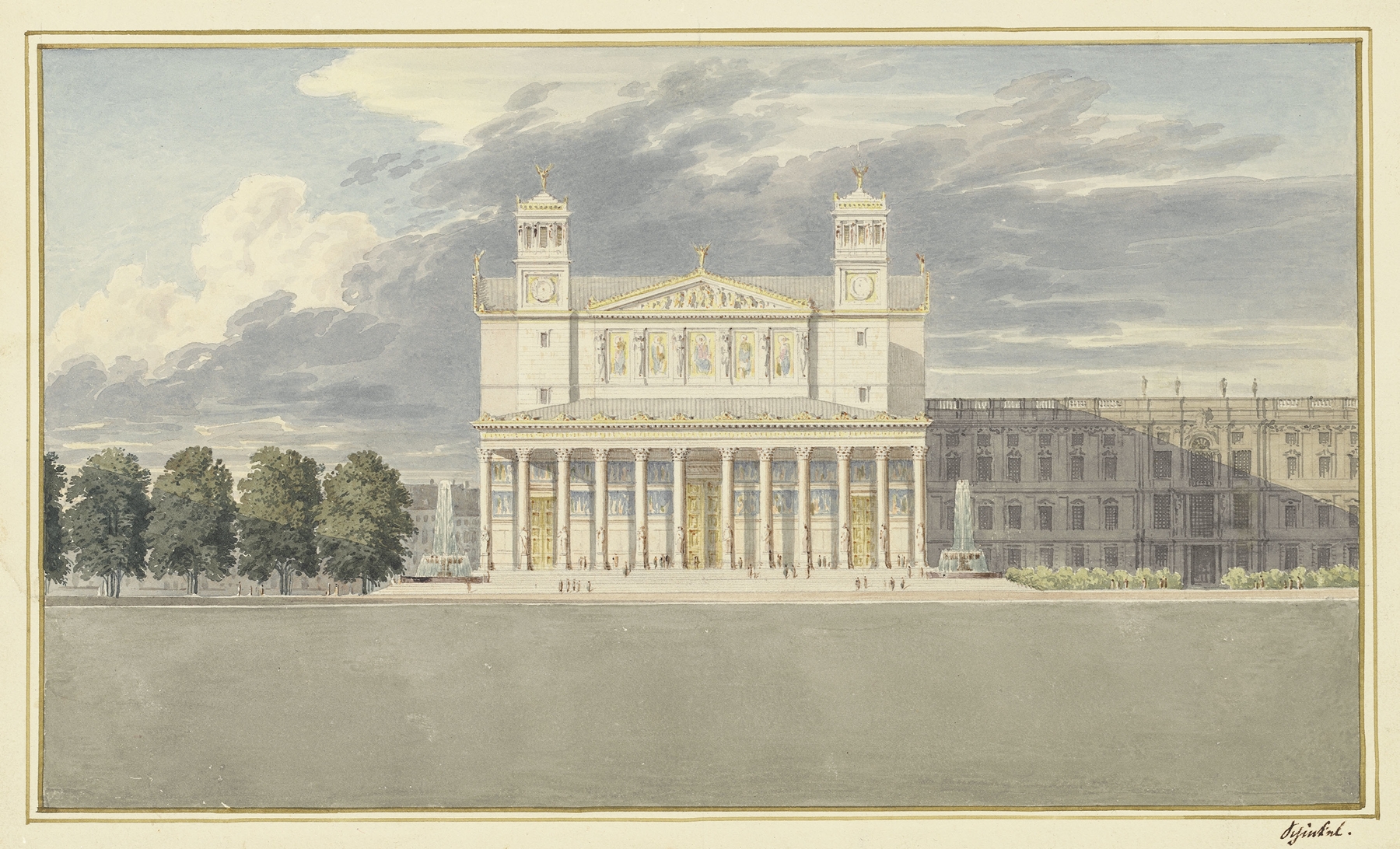
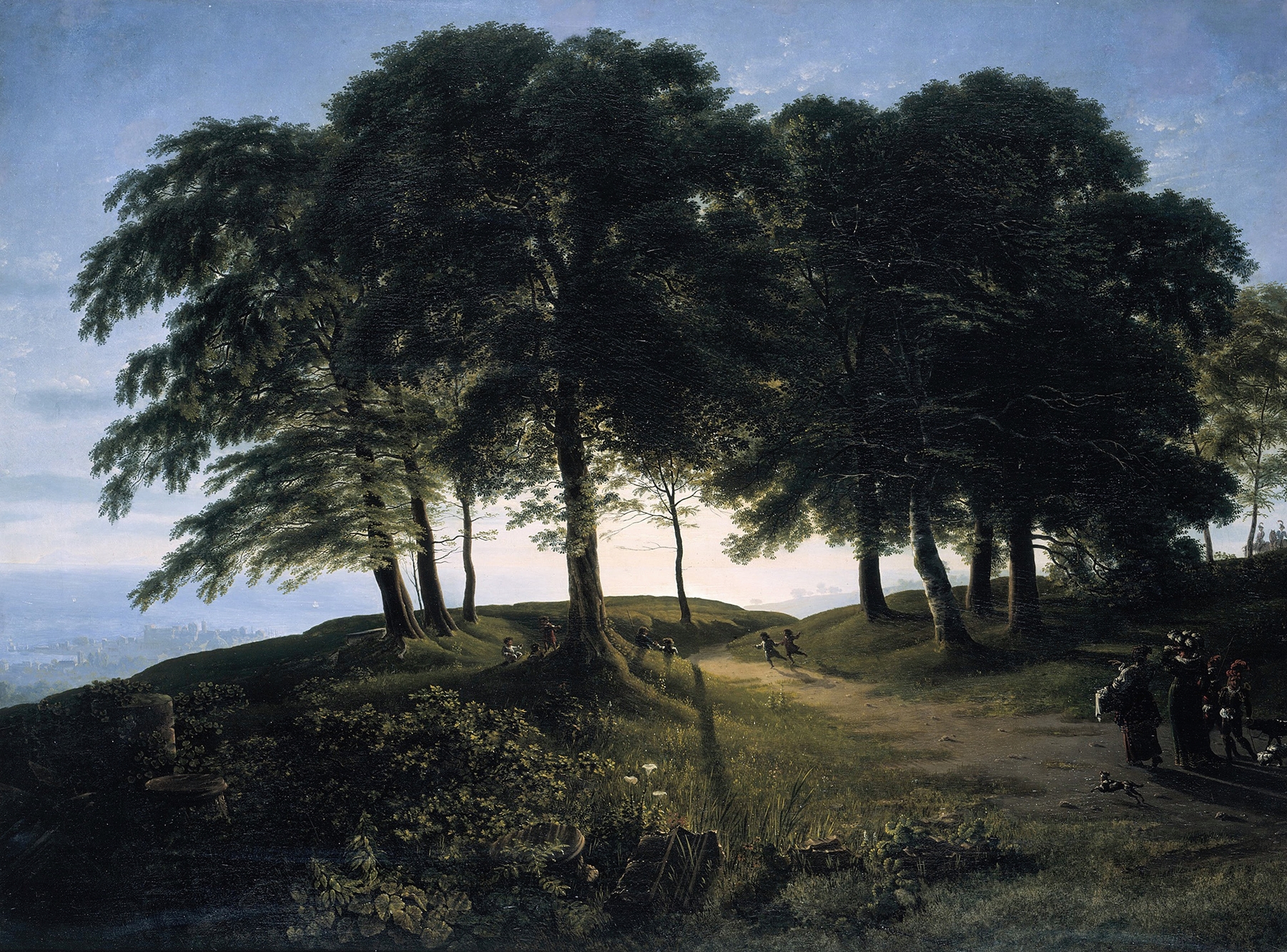
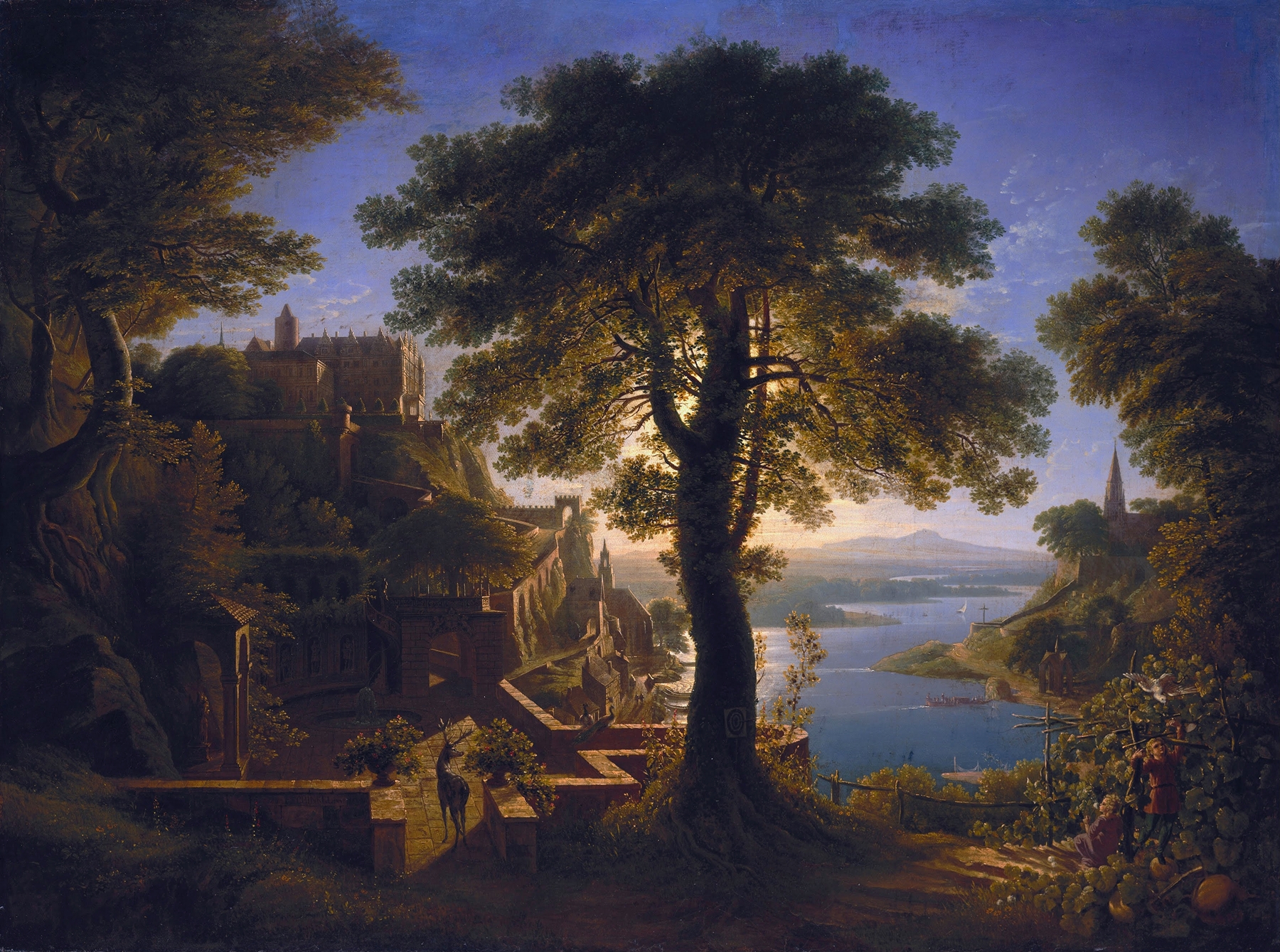
Who listens when art speaks of silence? In the stillness of Castle by the River, destiny unfolds gracefully across the canvas, beckoning the viewer into a world where nature and architecture coexist in a delicate balance. Look to the left at the formidable castle, its spires reaching for the sky, surrounded by lush greenery that breathes life into the composition. Notice how the soft hues of the landscape contrast against the solemn stone, the warm tones of gold and green inviting you to explore the reflections shimmering on the water’s surface.
The artist’s meticulous brushwork elevates texture and dimension, guiding your eyes naturally across the scene as the light dances through the trees, illuminating pathways that seem to whisper untold stories. Beneath the tranquil beauty lies a deeper narrative of isolation and grandeur. The castle, both majestic and lonely, symbolizes human ambition against the vastness of nature, while the placid river suggests a passage of time, flowing steadily yet silently. Each element invites contemplation on the interplay of human creation and the relentless march of nature—an echo of destiny that resonates throughout the work, urging viewers to ponder their own place within this tapestry.
Created in 1820, this piece reflects Schinkel's growing prominence in neoclassical architecture and landscape design during a pivotal moment in German art. At the time, Europe was grappling with the aftermath of the Napoleonic Wars, and the artist sought to evoke a sense of peace and order through his work, harmonizing elements of romanticism with rational design principles. Schinkel's vision in Castle by the River captures the essence of an idealized world, embodying the ambitions and dreams of his era.