The Nave,Apse,and Crossing of a Cathedral for Berlin — History & Analysis
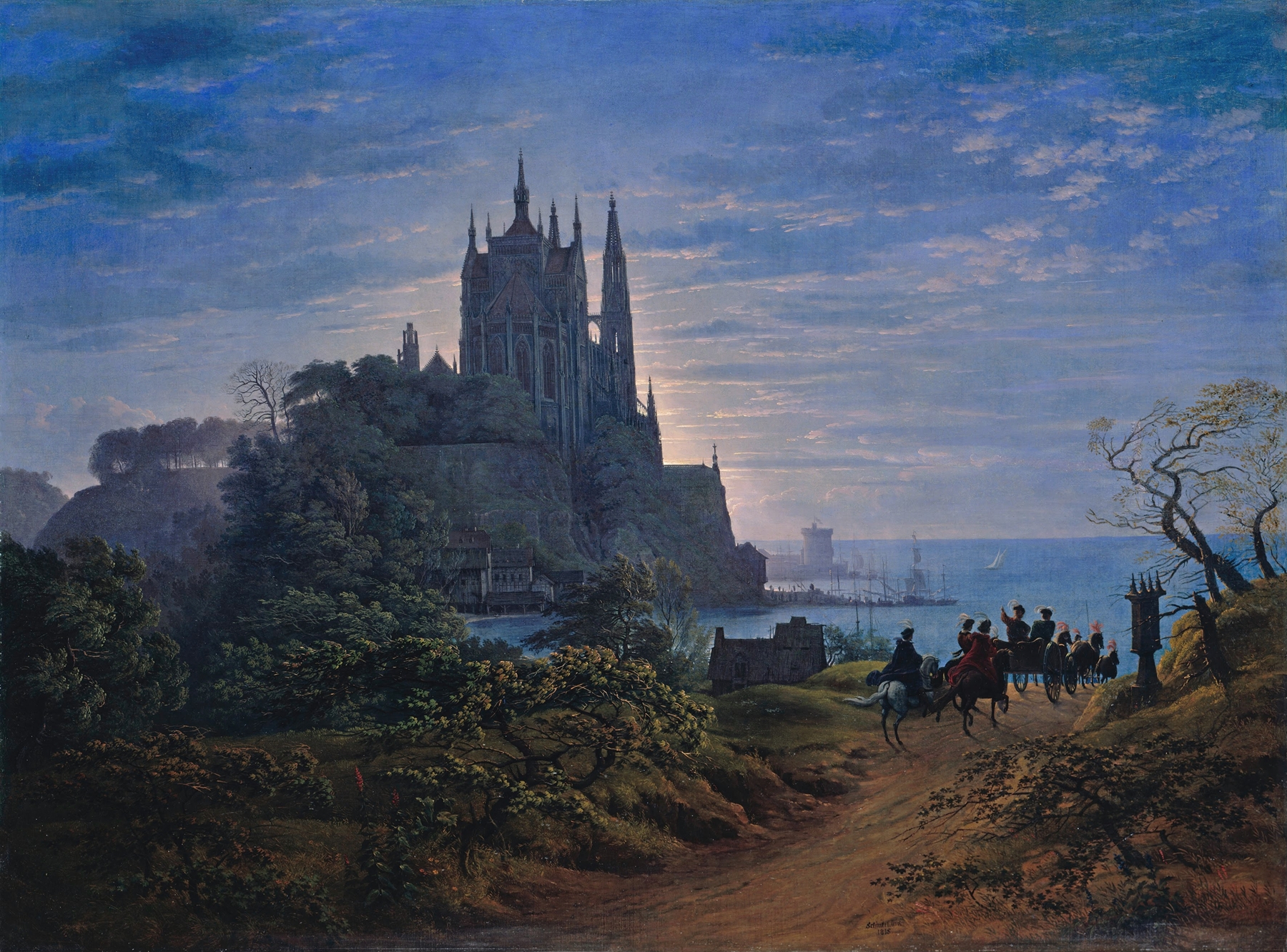
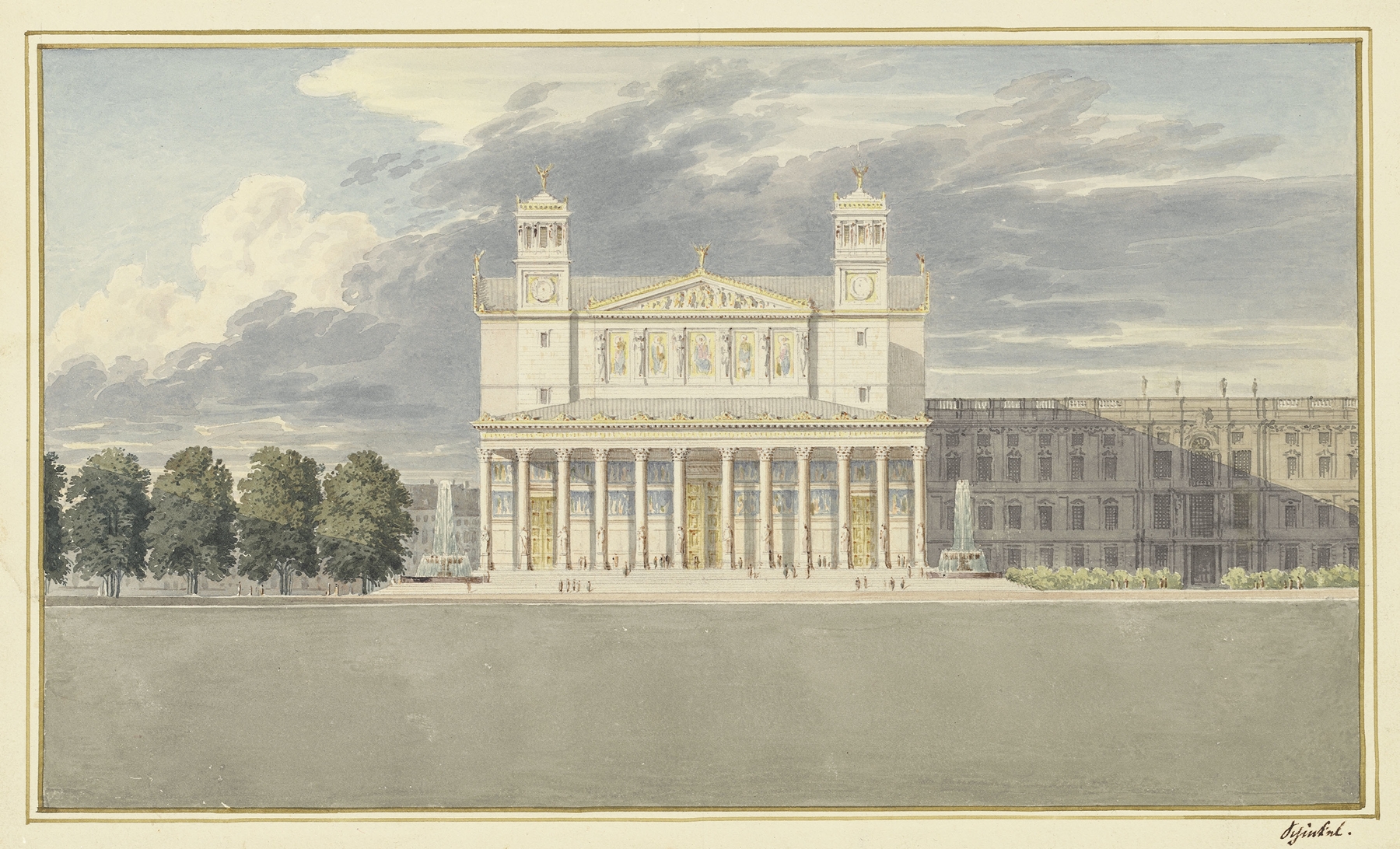
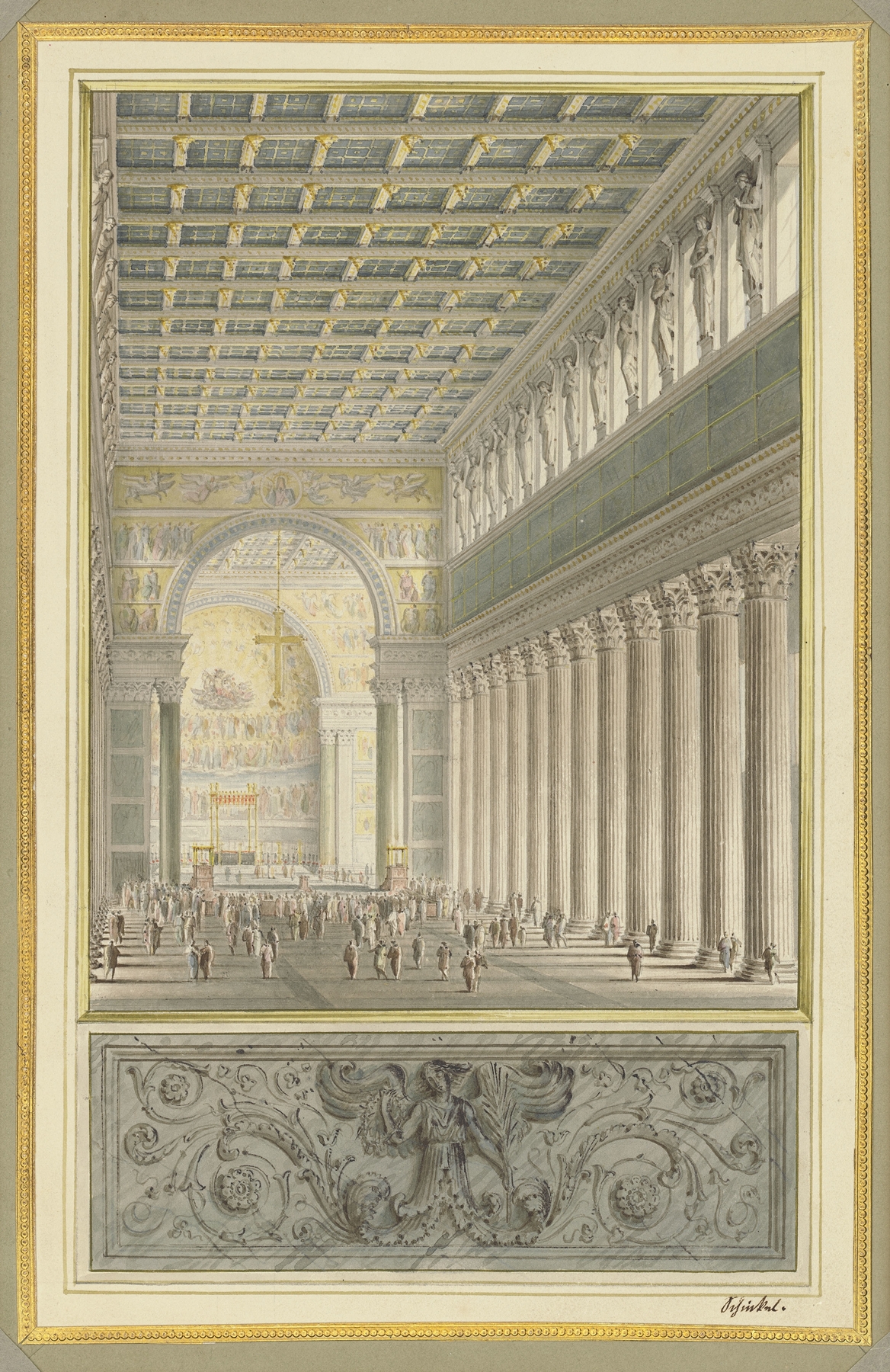
“Every brushstroke is a heartbeat remembered.” The realm of architecture bears witness to the complex relationship between beauty and violence, where grandeur often conceals deeper struggles. Look to the left at the towering arches that rise majestically toward the heavens, their stone surfaces textured and alive, each line echoing the weight of history. Notice how the light cascades through the stained glass, casting vibrant hues onto the cold, hard stone of the nave, imbuing the space with a sense of reverence and melancholy. The meticulous attention to detail invites you to explore every nook, from the intricate patterns of the ceiling to the solemnity of the apse, culminating in a composition that balances awe with contemplation.
Within this architectural vision lies a tension between the sacred and the oppressive. The soaring heights may inspire ecstasy, yet they also evoke a sense of entrapment, reminding us of the violence that often accompanies the creation of such monumental spaces. The interplay between light and shadow hints at the struggles faced by both the creator and the culture that birthed these structures, a duality woven into the very fabric of the work.
Created in 1827, during a time of immense change in Europe, the artist found himself at the center of a burgeoning Romantic movement that sought to reconcile the past with evolving ideals. Living in Berlin, Schinkel was influenced by a city grappling with its identity amidst societal upheaval. In The Nave, Apse, and Crossing of a Cathedral for Berlin, he strived to capture not only an architectural dream but also the underlying tensions of his era, a reflection of both beauty and the violence inherent in its construction.