Gothic Church on a Rock by the Sea — History & Analysis
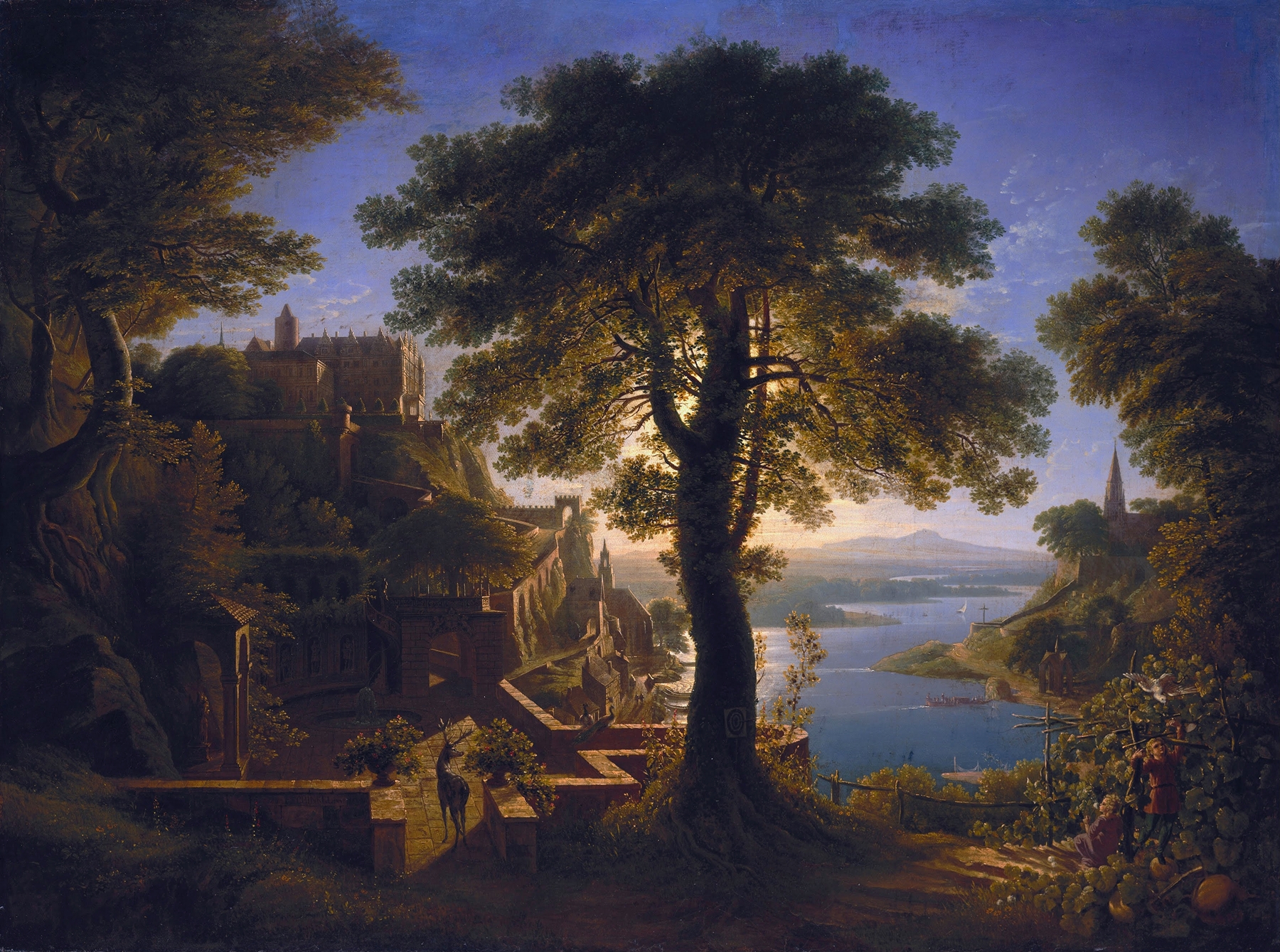
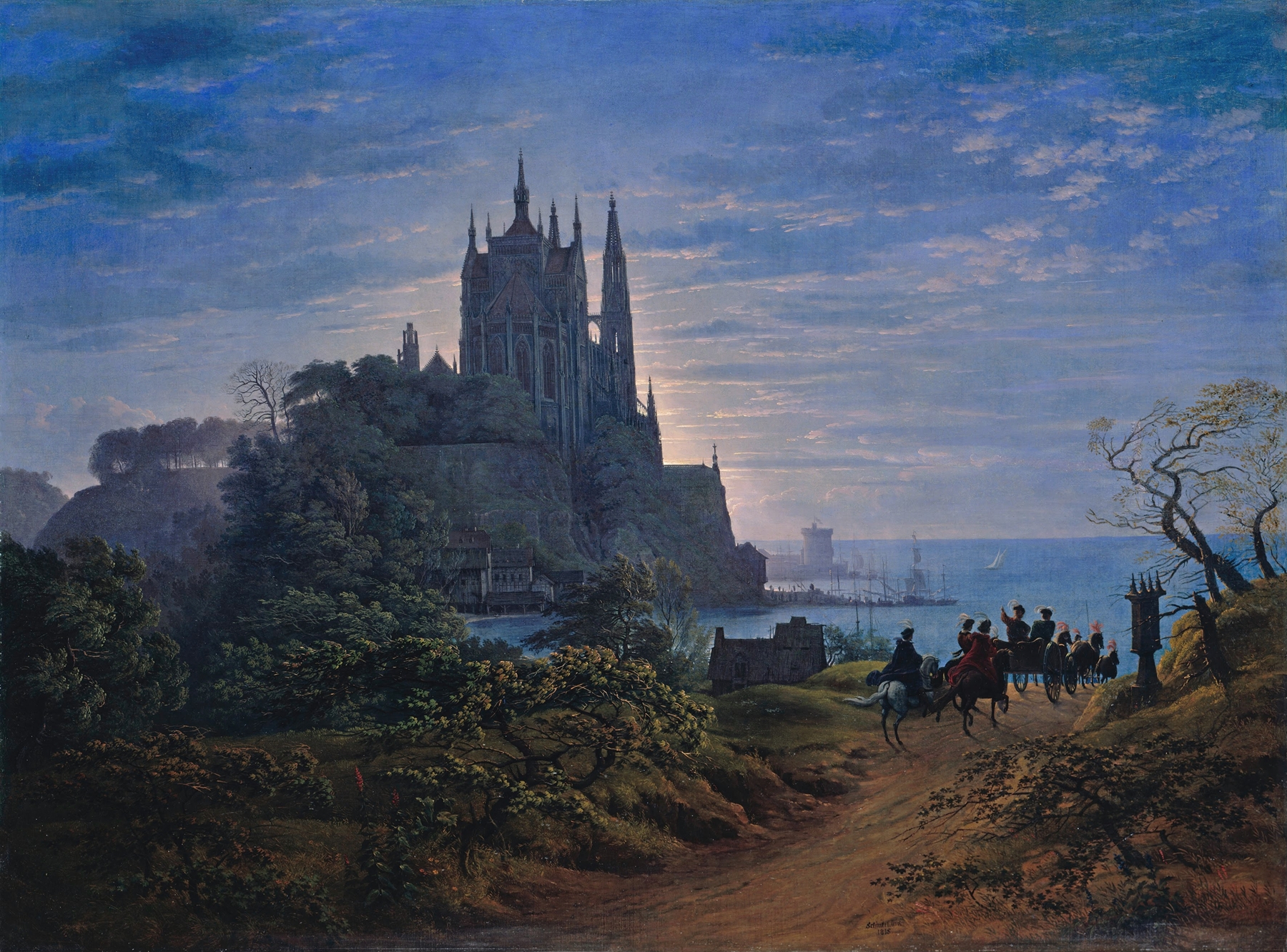
What if beauty was never meant to be finished? In Gothic Church on a Rock by the Sea, the ethereal union of nature and architecture invites us to ponder this question deeply. Look to the left, where the craggy cliffside meets the turbulent waves, creating a dramatic contrast between the solid, manmade structure and the fluidity of the ocean. The church, with its soaring spires and intricate details, seems to emerge as a beacon of hope amidst the chaos of the seascape.
Notice how the light dances across the water, reflecting the shifting hues of a sunset that bathes the scene in warmth, inviting the viewer to linger on the harmony between the sacred and the sublime. The artwork embodies a harmonious tension; the church stands resolute against the tumultuous sea, symbolizing humanity's eternal quest for spirituality in the face of nature’s raw power. The precise gothic elements represent the aspiration for perfection, while the surrounding chaos hints at the impermanence of beauty and existence. The delicate interplay of light and shadow reveals deeper emotional layers, allowing us to sense both awe and vulnerability in the presence of something magnificent yet transient.
In 1815, Karl Friedrich Schinkel painted this work during a time of personal reflection amidst the Romantic movement, which sought to reconnect with nature and the sublime. Living in Prussia, Schinkel was exploring architectural forms that straddled the line between tradition and innovation, influenced by the socio-political shifts in Europe. This painting encapsulates his vision of harmony between human creation and the natural world, a dialogue that resonates through time.