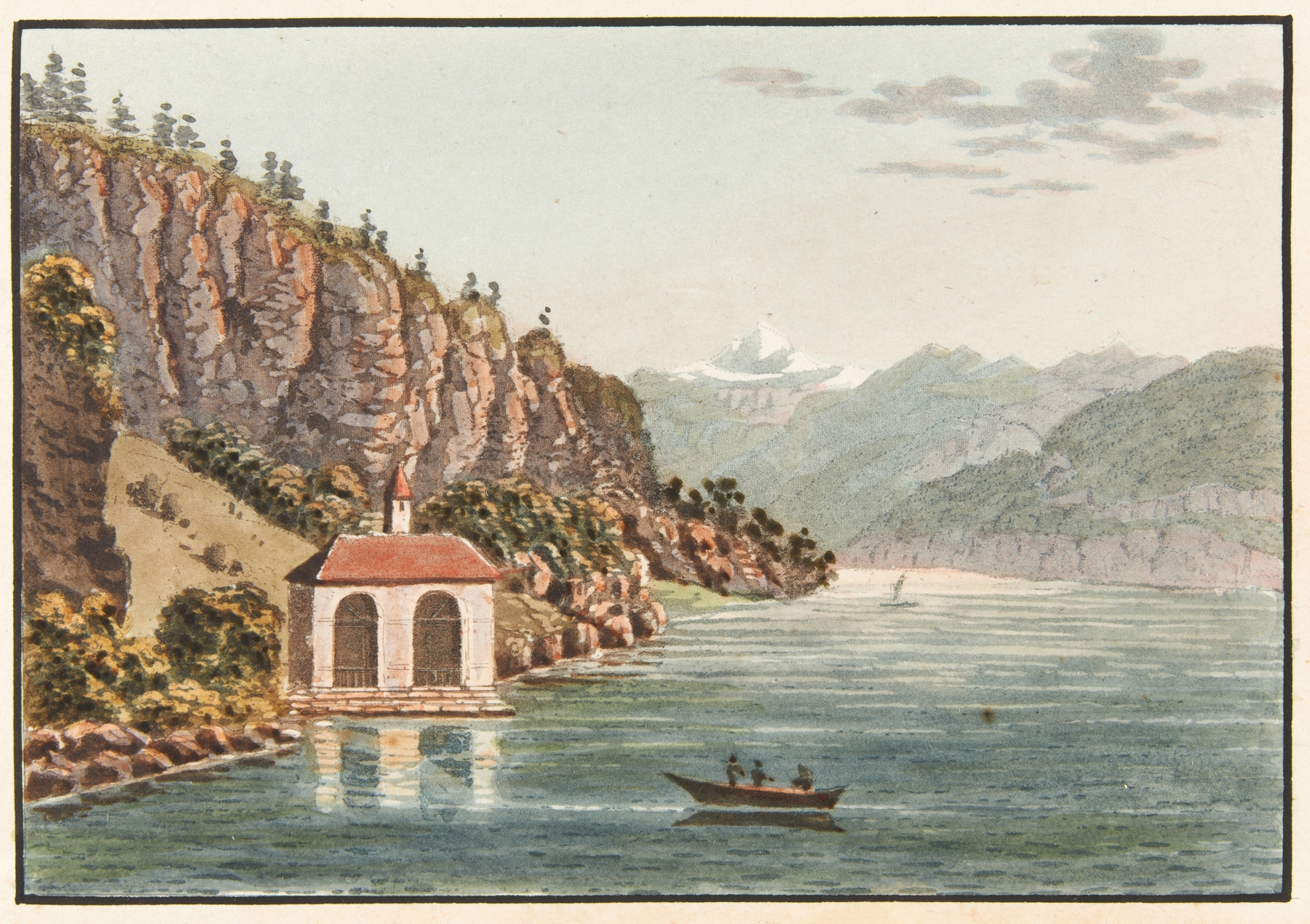
Chapelle de G Tell au lac des quatre Cantons — History & Analysis
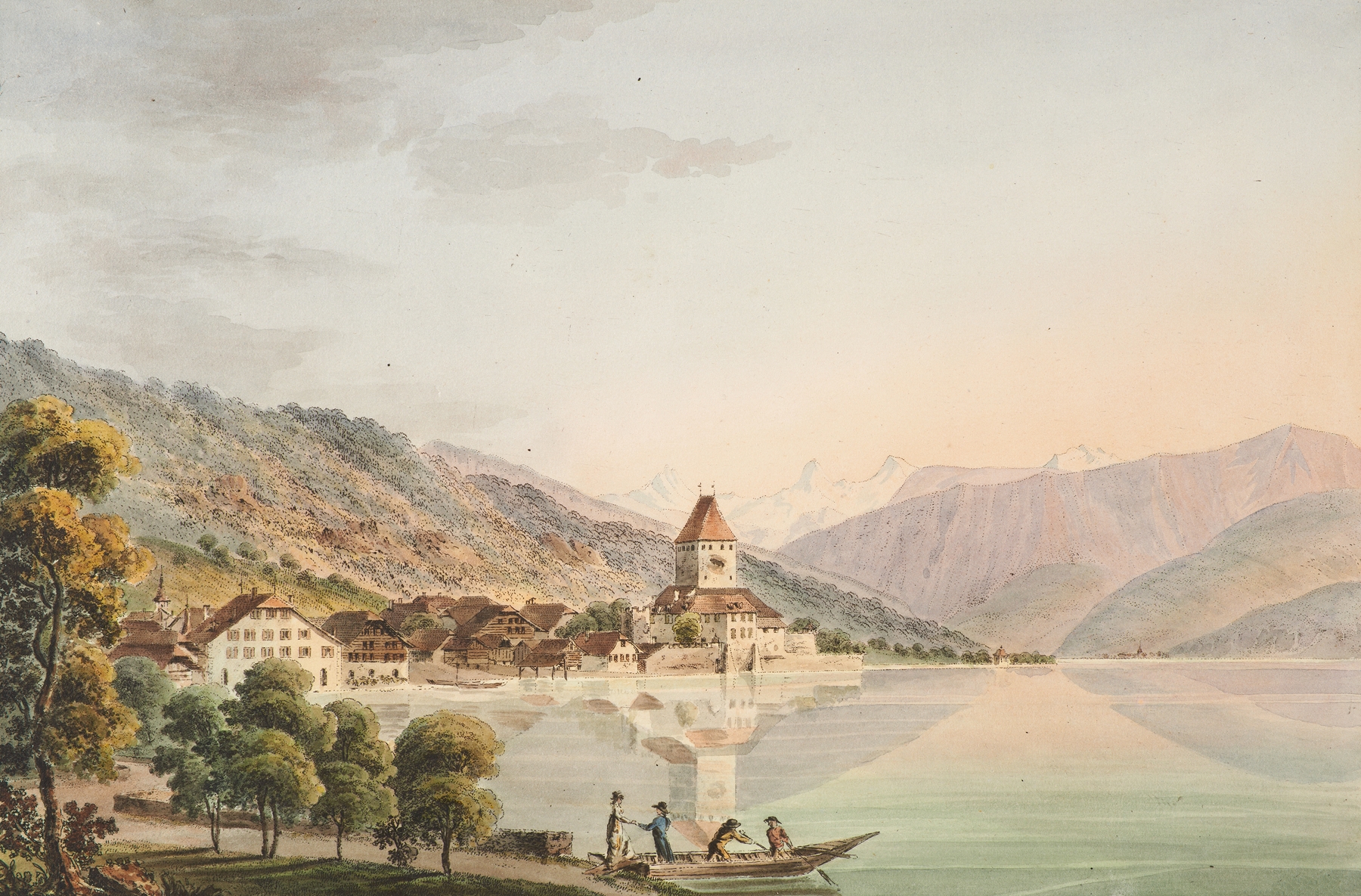
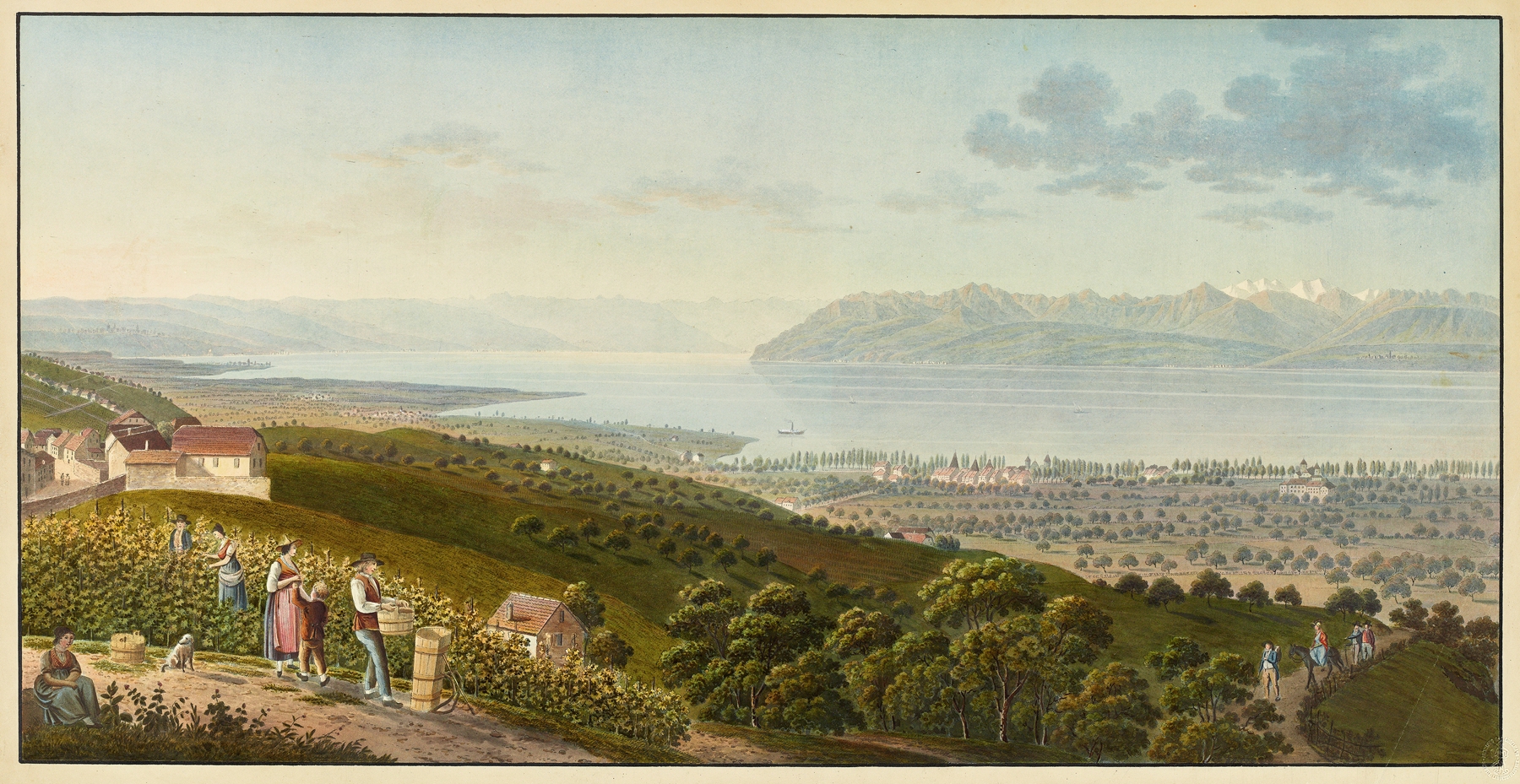
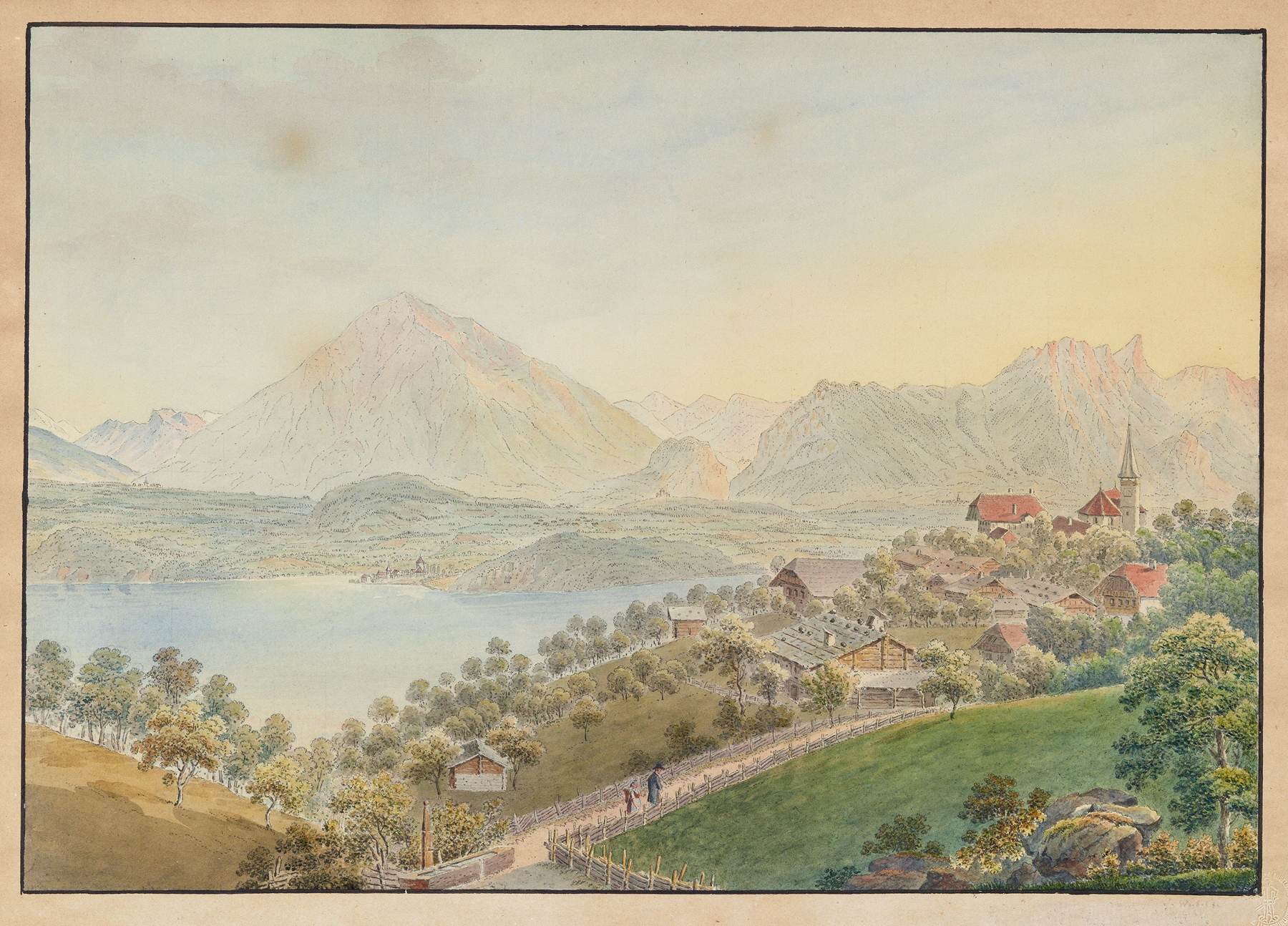
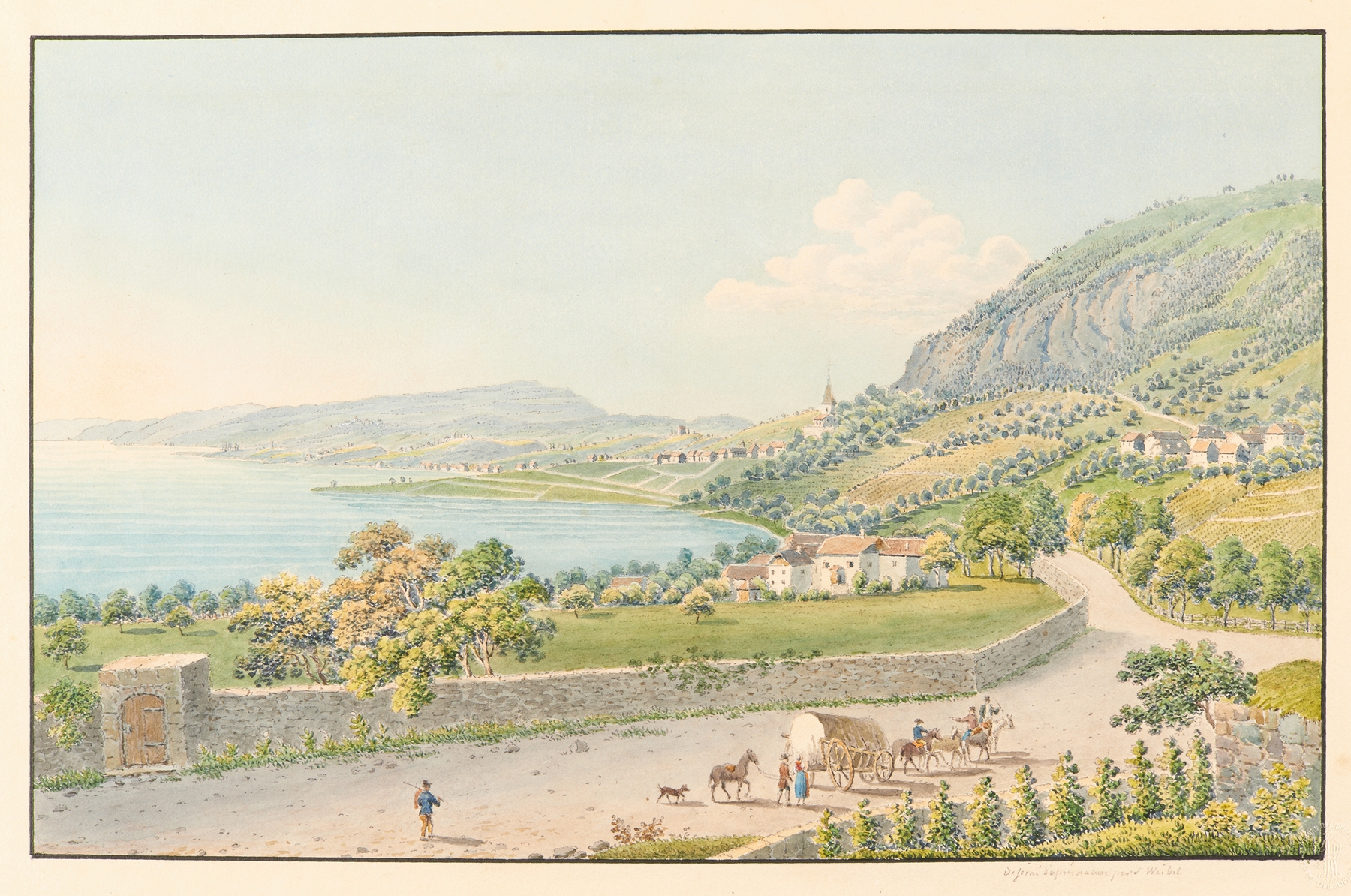
Where does light end, and longing begin? This question lingers over the delicate interplay of illumination and shadow in the work before us, inviting introspection and emotion. Focus on the luminous reflections dancing upon the water's surface, where the gentle undulations create a mesmerizing illusion of movement. Notice how the chapel, nestled among the verdant landscape, is bathed in an ethereal glow, as if it exists in a realm untouched by time. The soft blues and greens of the natural surroundings are contrasted with the vivid whites of the architectural details, enhancing the sense of serenity and spiritual contemplation. As you delve deeper, consider the subtle tension between the idyllic setting and the architectural formality of the chapel. Here lies a juxtaposition of nature's wild beauty and human intention. The viewer may sense a deep yearning encapsulated in the serene composition, a longing for connection with the divine that transcends the scene itself. The reflections on the water evoke a feeling of transience, suggesting the fleeting nature of both beauty and faith. Jakob Samuel Weibel created this work during a period when romanticism and nationalism were shaping artistic expression across Europe. His time in Switzerland, amidst breathtaking landscapes, inspired him to capture not only the external reality but also the emotional resonance of place. The work embodies a moment of introspection, reflecting both the personal and collective longing for rootedness in a world of constant change.