Vûe du Chateau d’Oberhofen au Lac de Thoune — History & Analysis
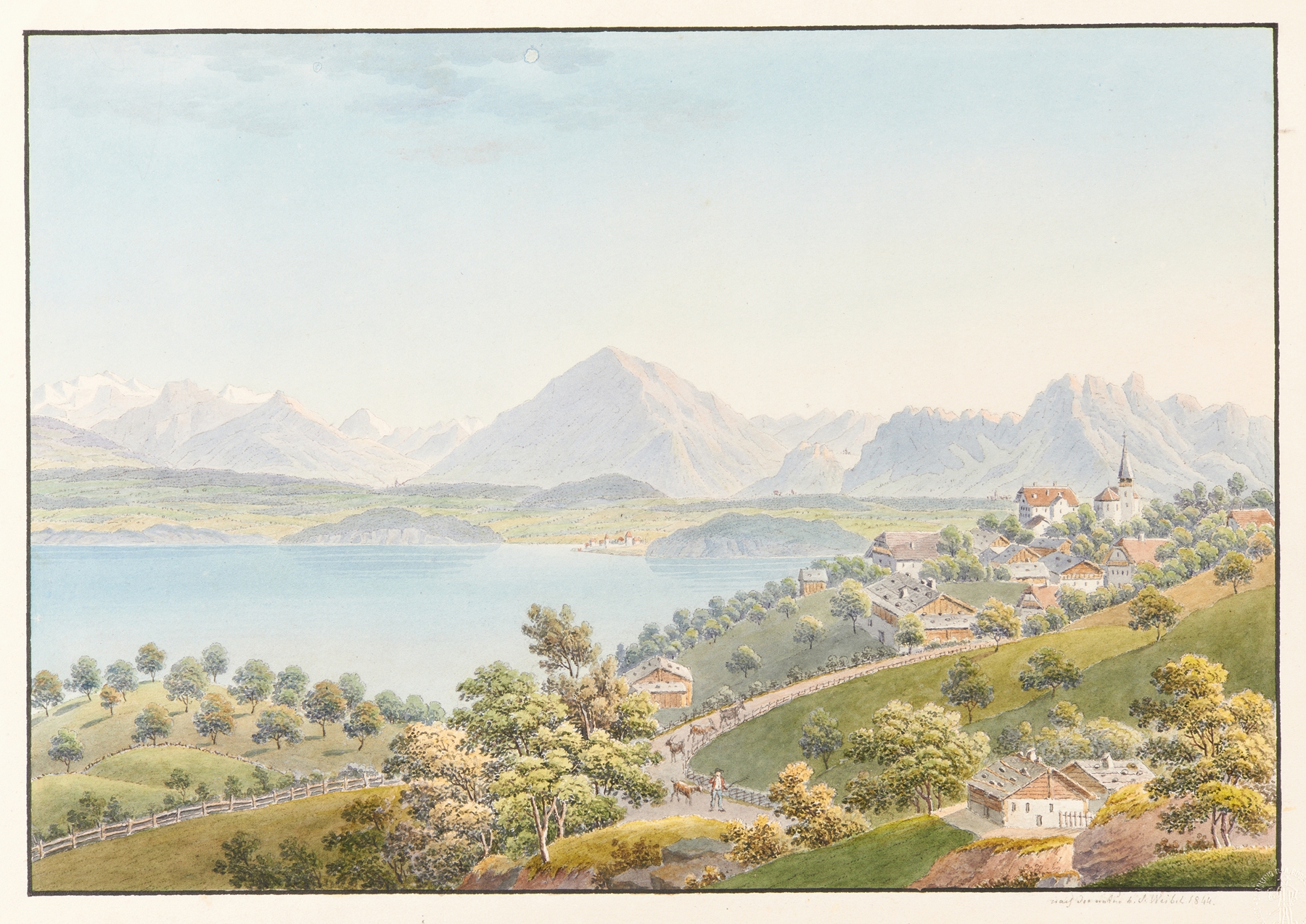
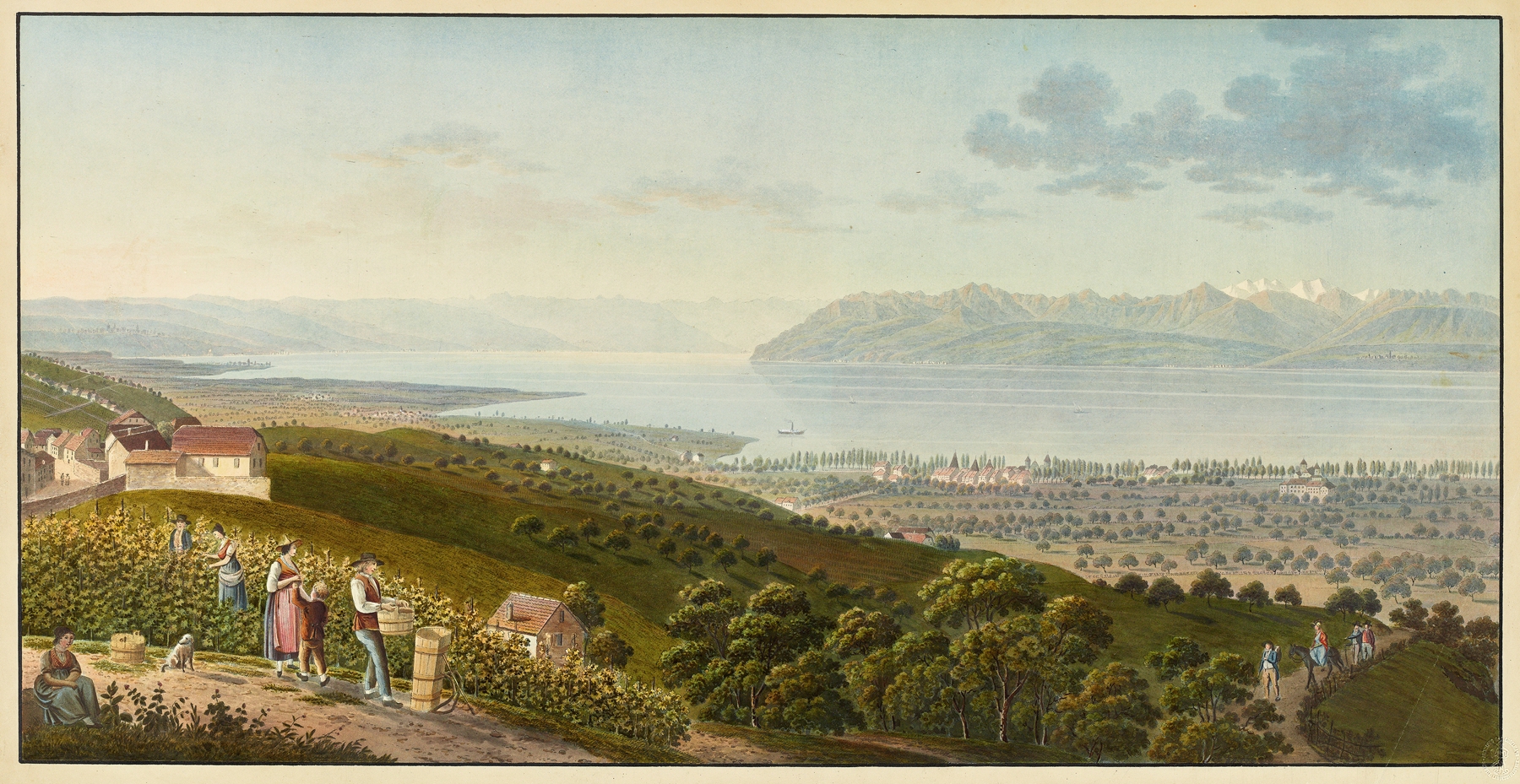
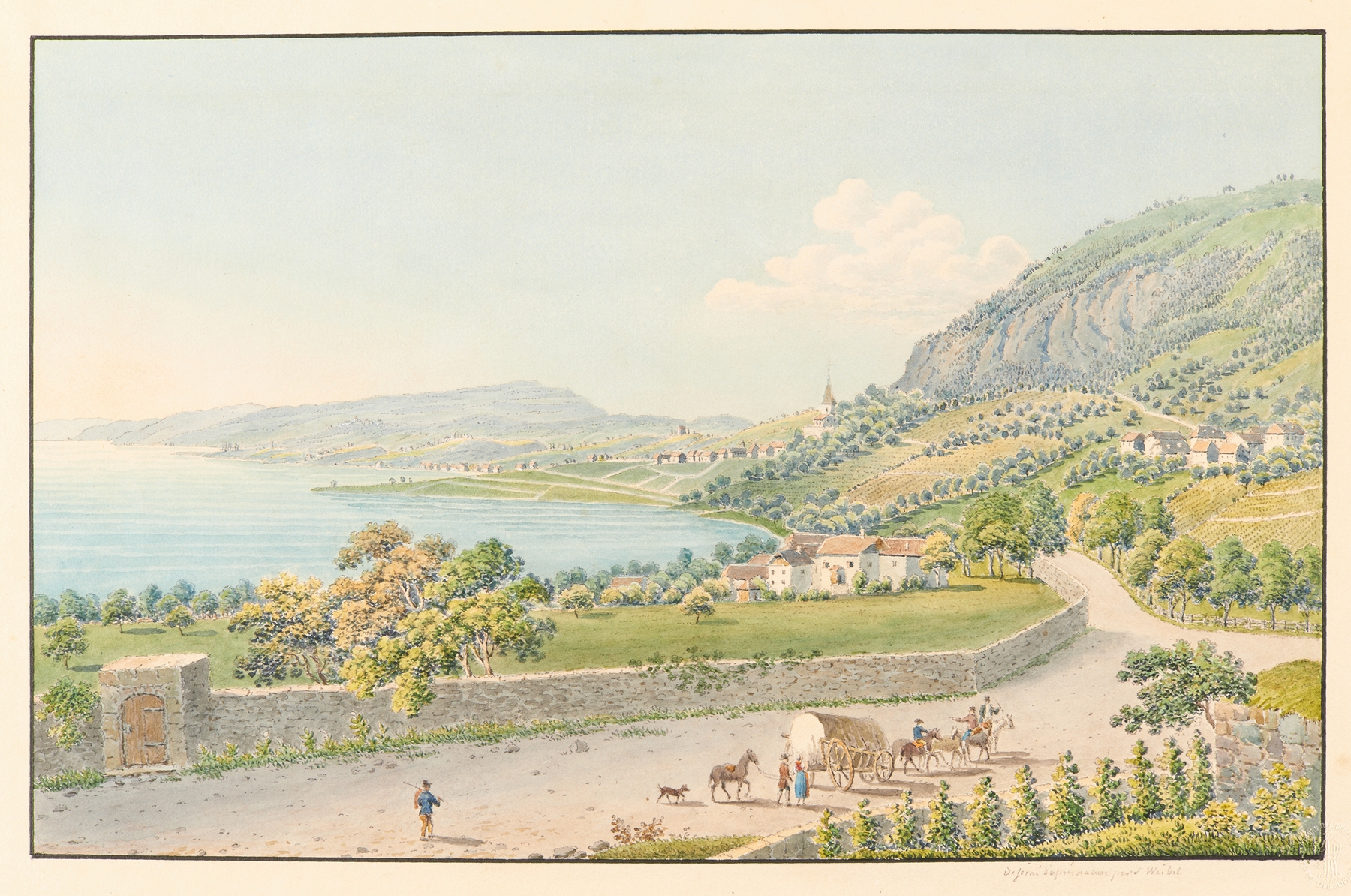
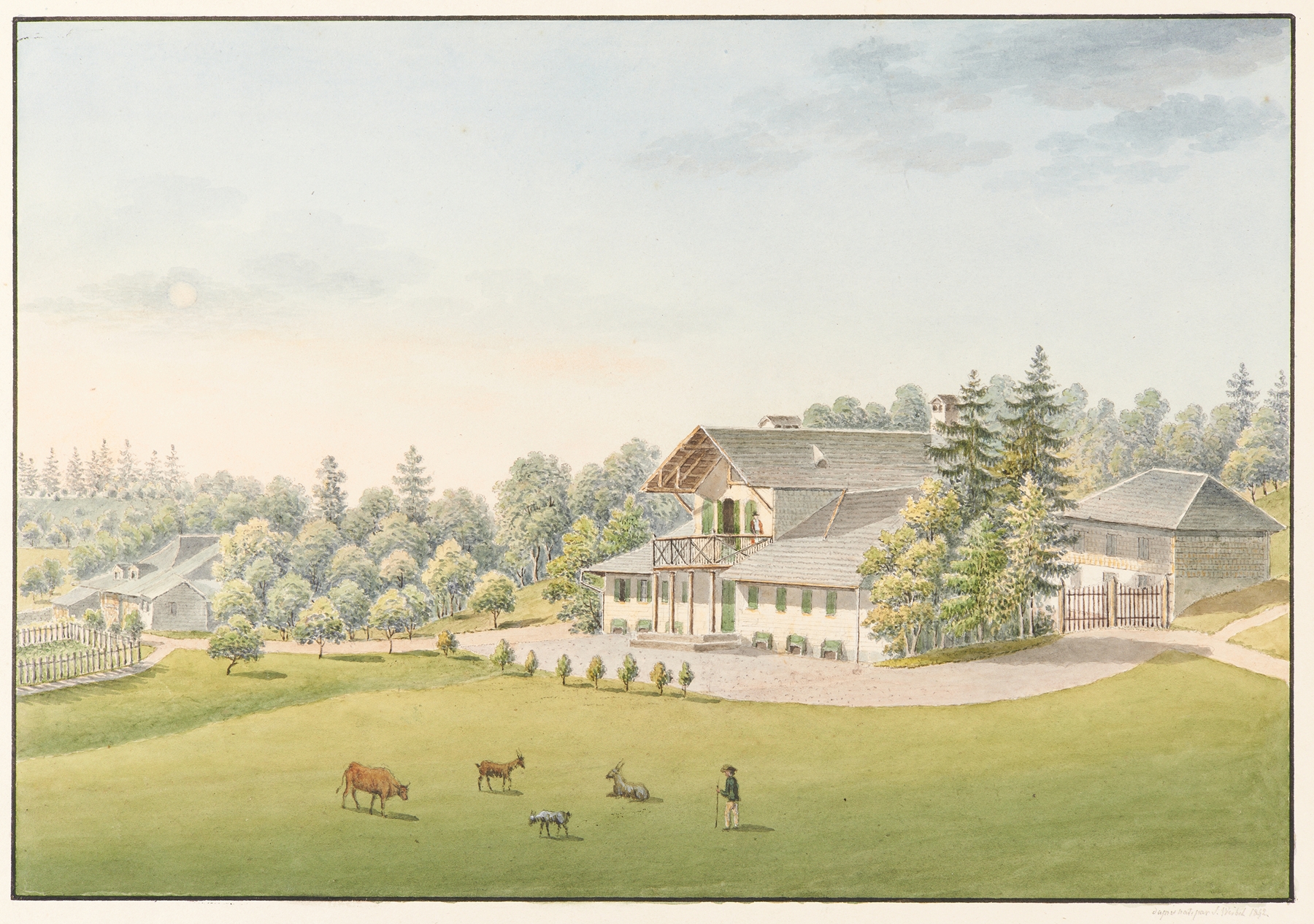
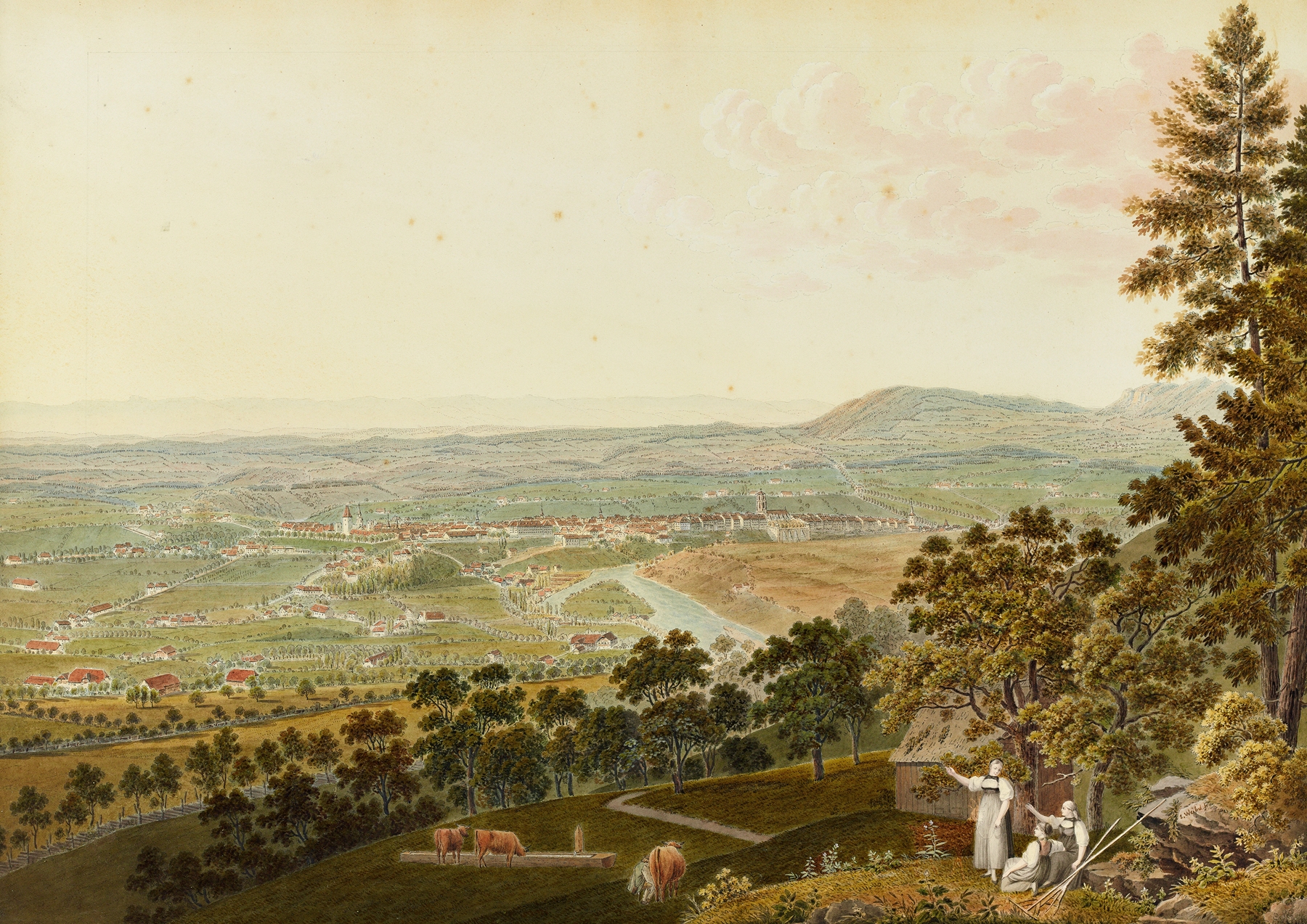
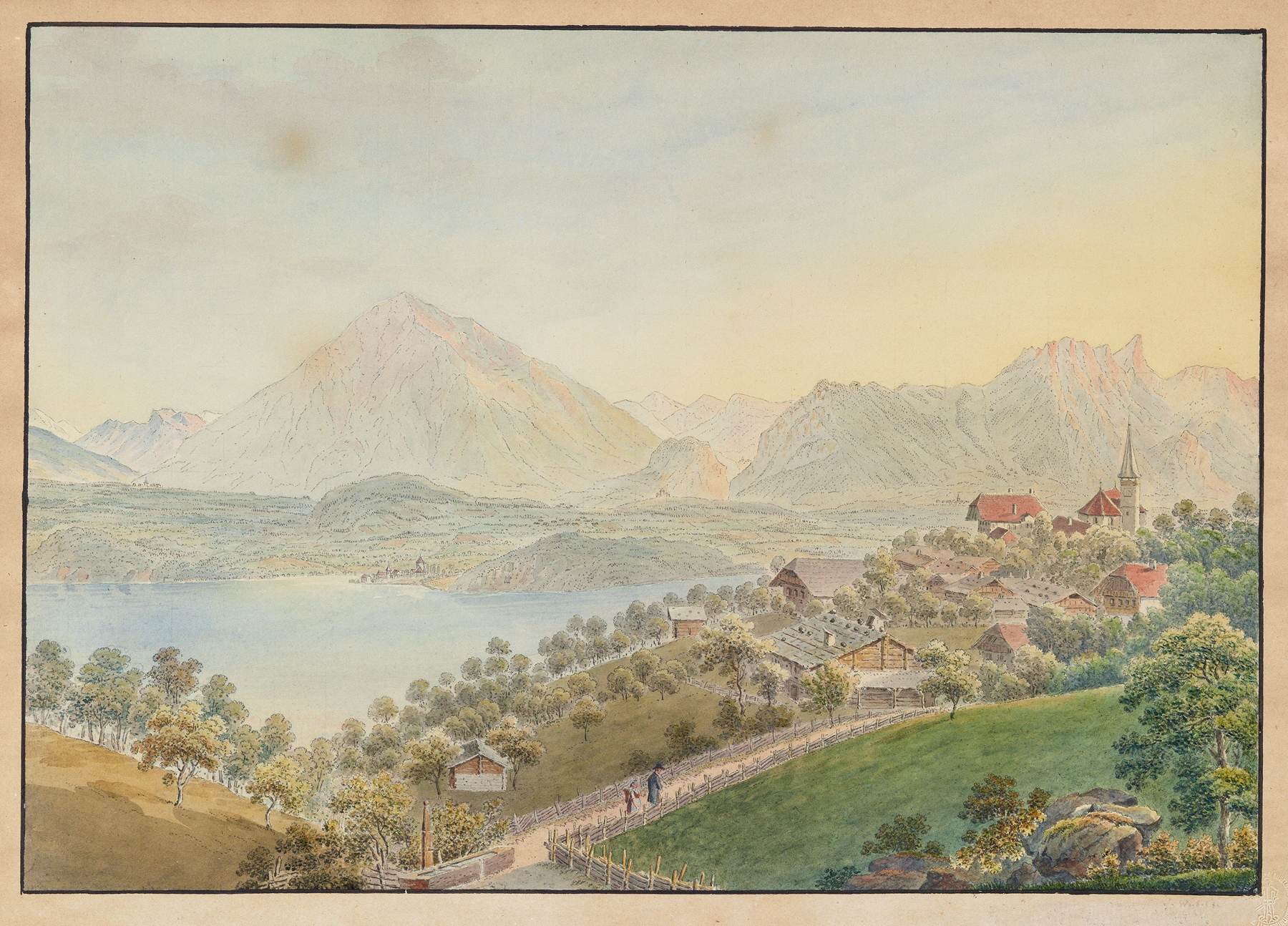
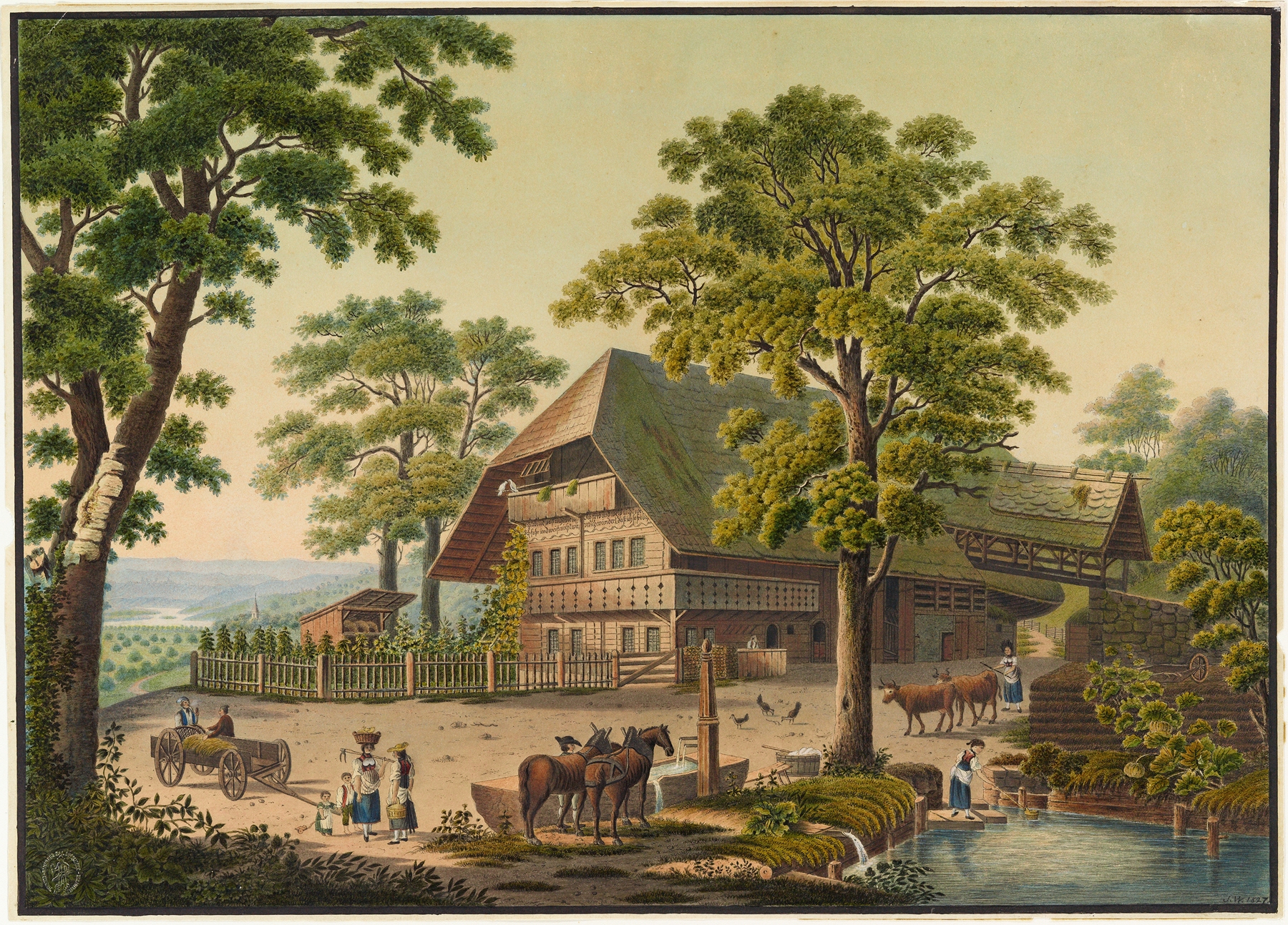
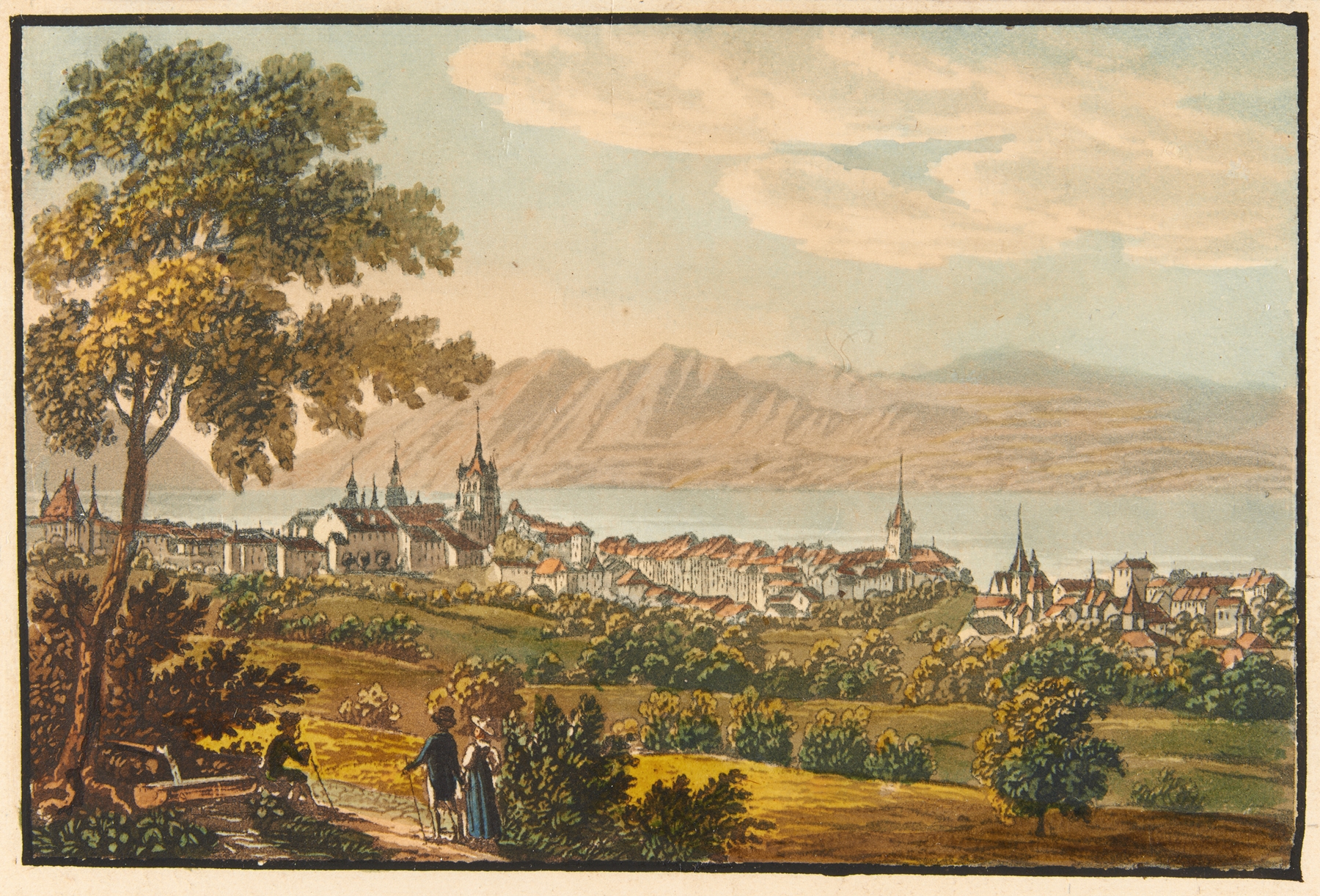
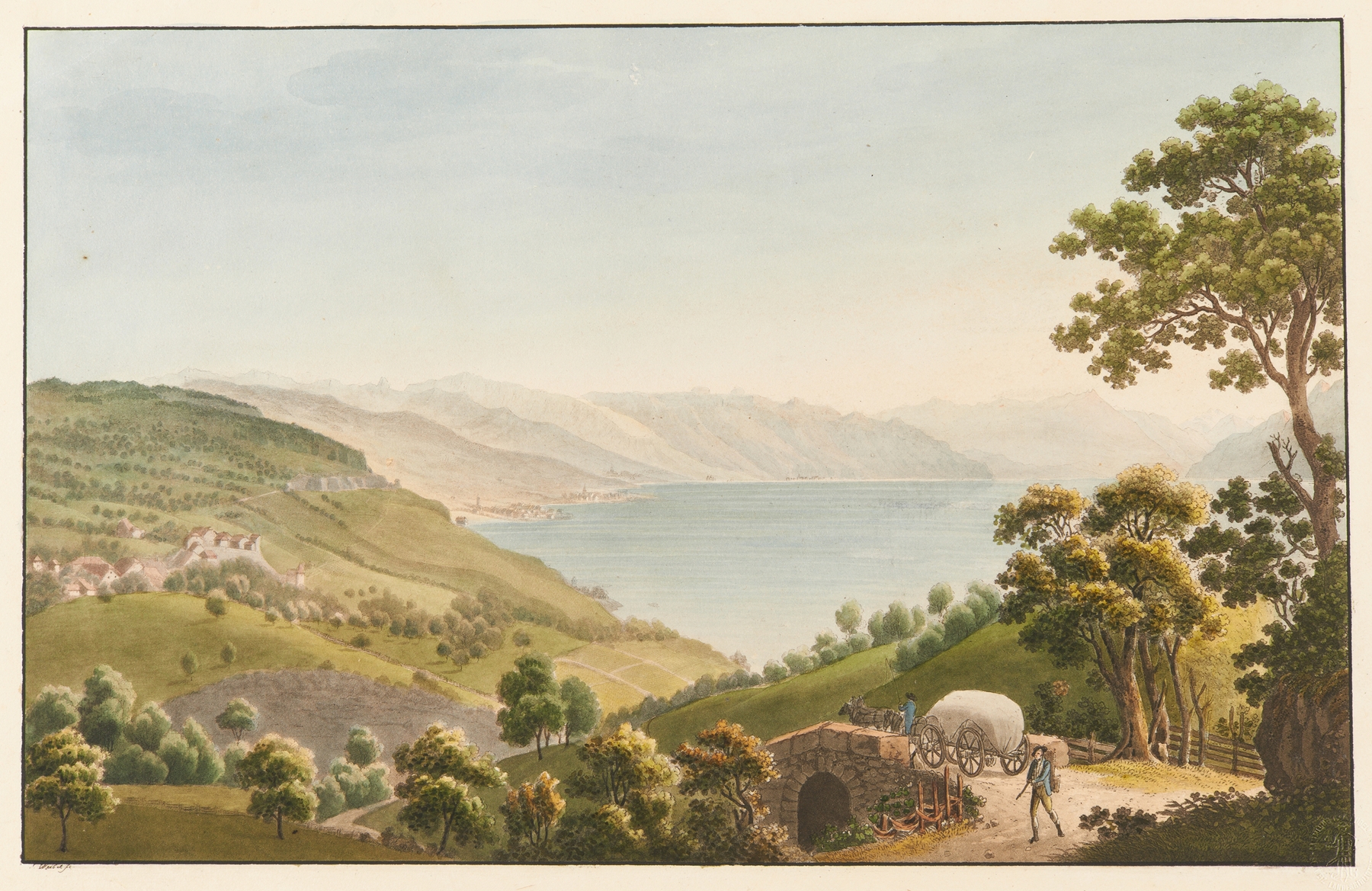
What if beauty was never meant to be finished? In that fleeting moment of ecstasy, one can taste eternity, suspended between the brushstrokes of nature and art. Focus on the vibrant blues and greens that dance together in the shimmering waters of the lake. Notice how the delicate brushwork captures the nuances of light filtering through the trees, imparting a sense of life that is both tranquil and invigorating.
The castle, perched elegantly on the shore, draws the eye with its majestic silhouette against the idyllic backdrop, inviting your gaze to explore the harmony of architecture with nature’s embrace. As you delve deeper, consider the contrasts at play. The stability of the chateau is juxtaposed with the fluidity of the lake, symbolizing permanence against the ephemeral. The ripples on the water whisper secrets of time, while the verdant foliage hints at renewal and growth, intertwining the themes of decay and rebirth.
Each element in the composition serves as a reminder of the delicate balance that defines existence, encouraging reflection on our own relationships with beauty and time. Created during a period in which Romanticism flourished, this work emerged from the hand of Weibel, likely in the late 19th century. Living in a time of great transformation in the Swiss landscape, he sought to encapsulate the profound emotional experiences evoked by nature. His renderings of the Swiss countryside resonated with a growing appreciation for the sublime, capturing both the serenity of the lake and the grandeur of human craftsmanship, reflecting a world in awe of its own beauty.