Vue des environs de Montreux et de Clarens — History & Analysis
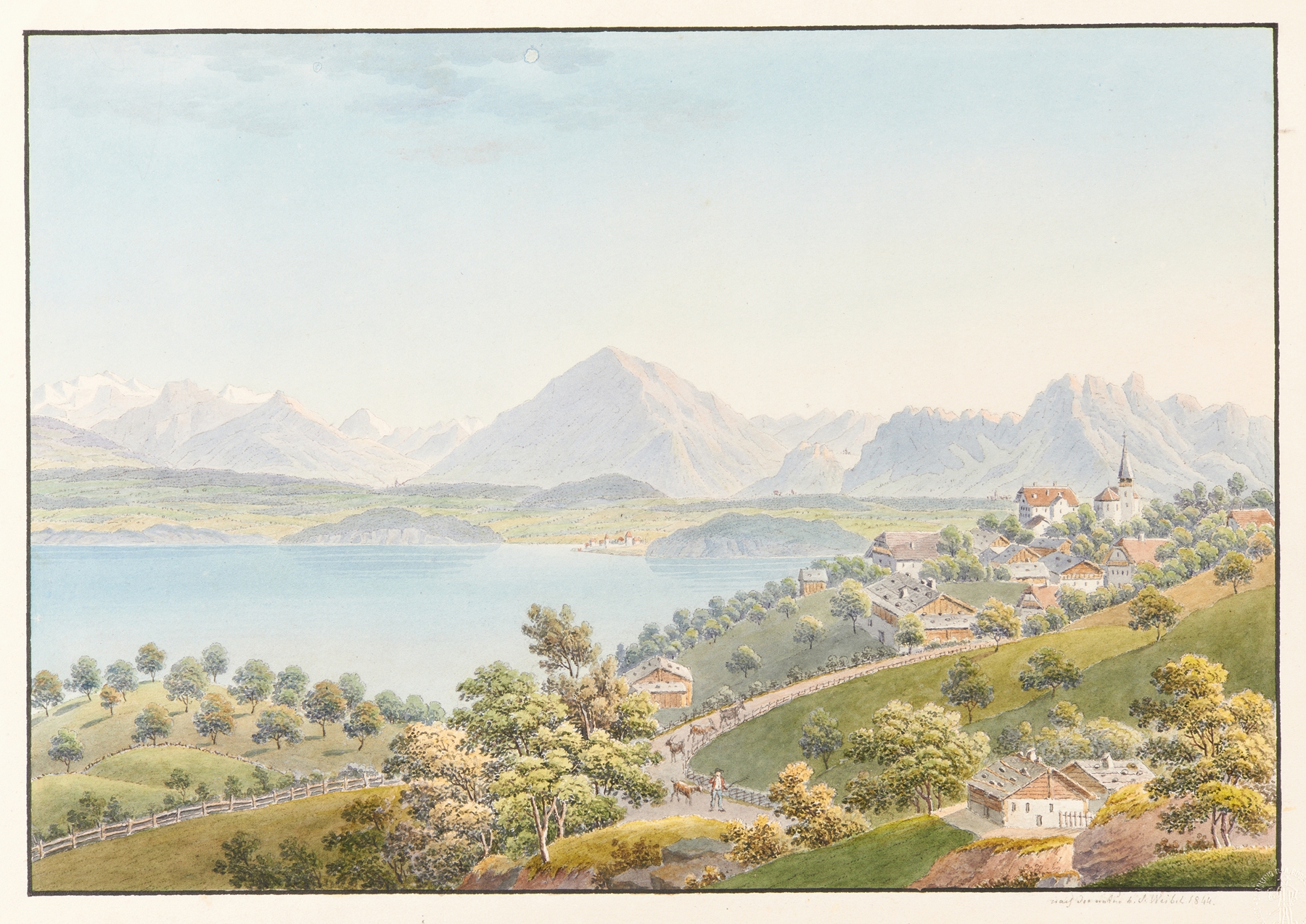
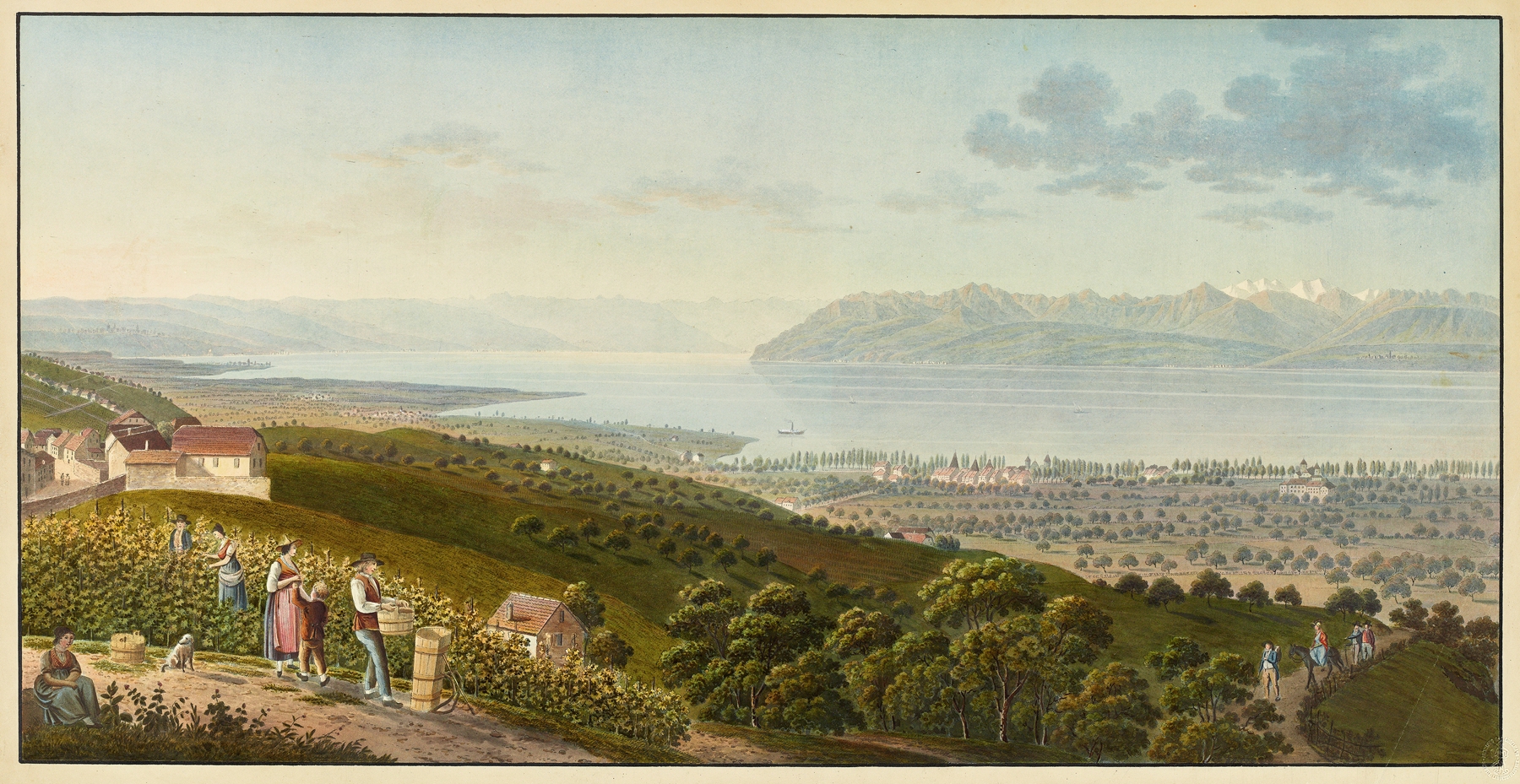
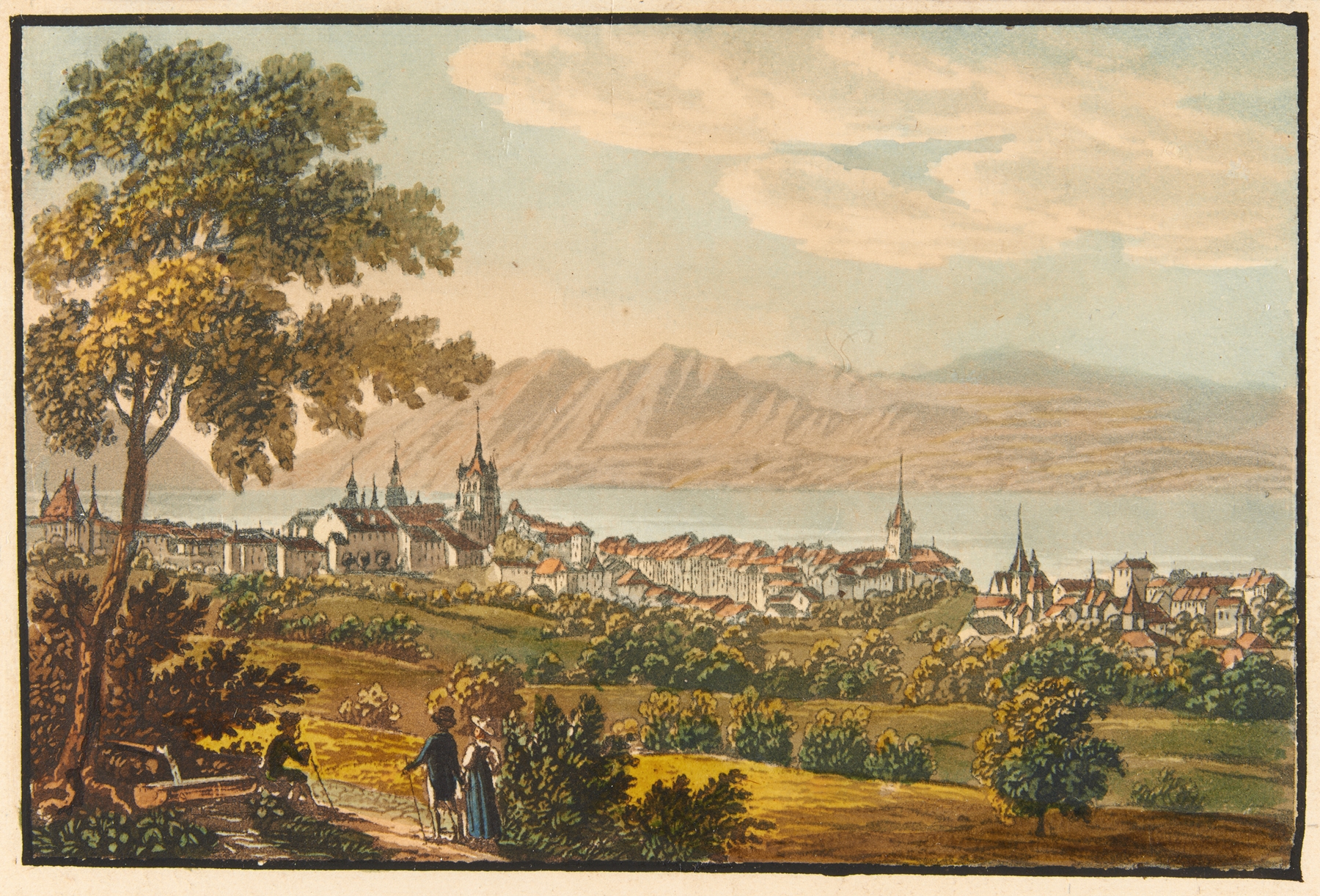
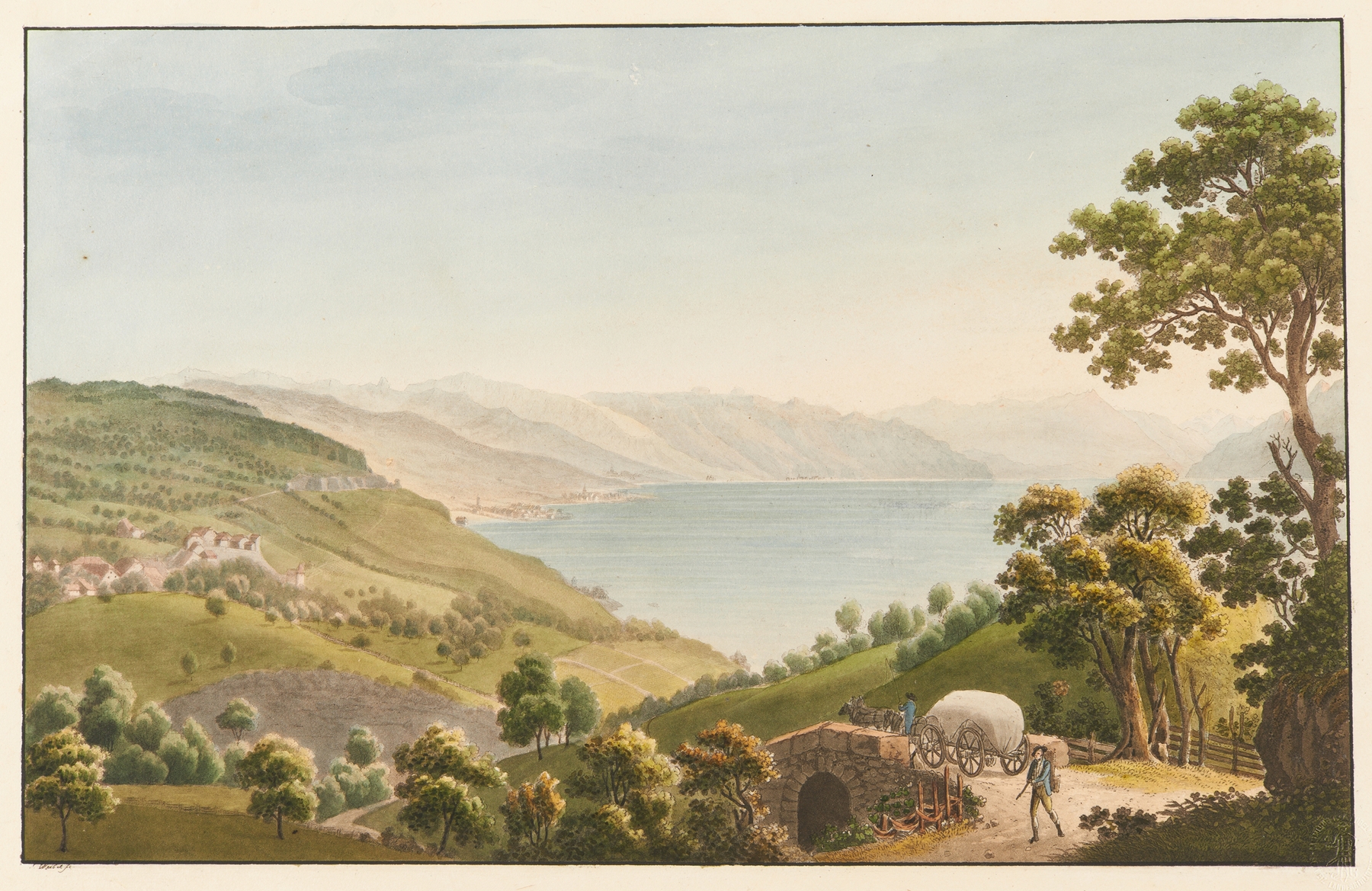
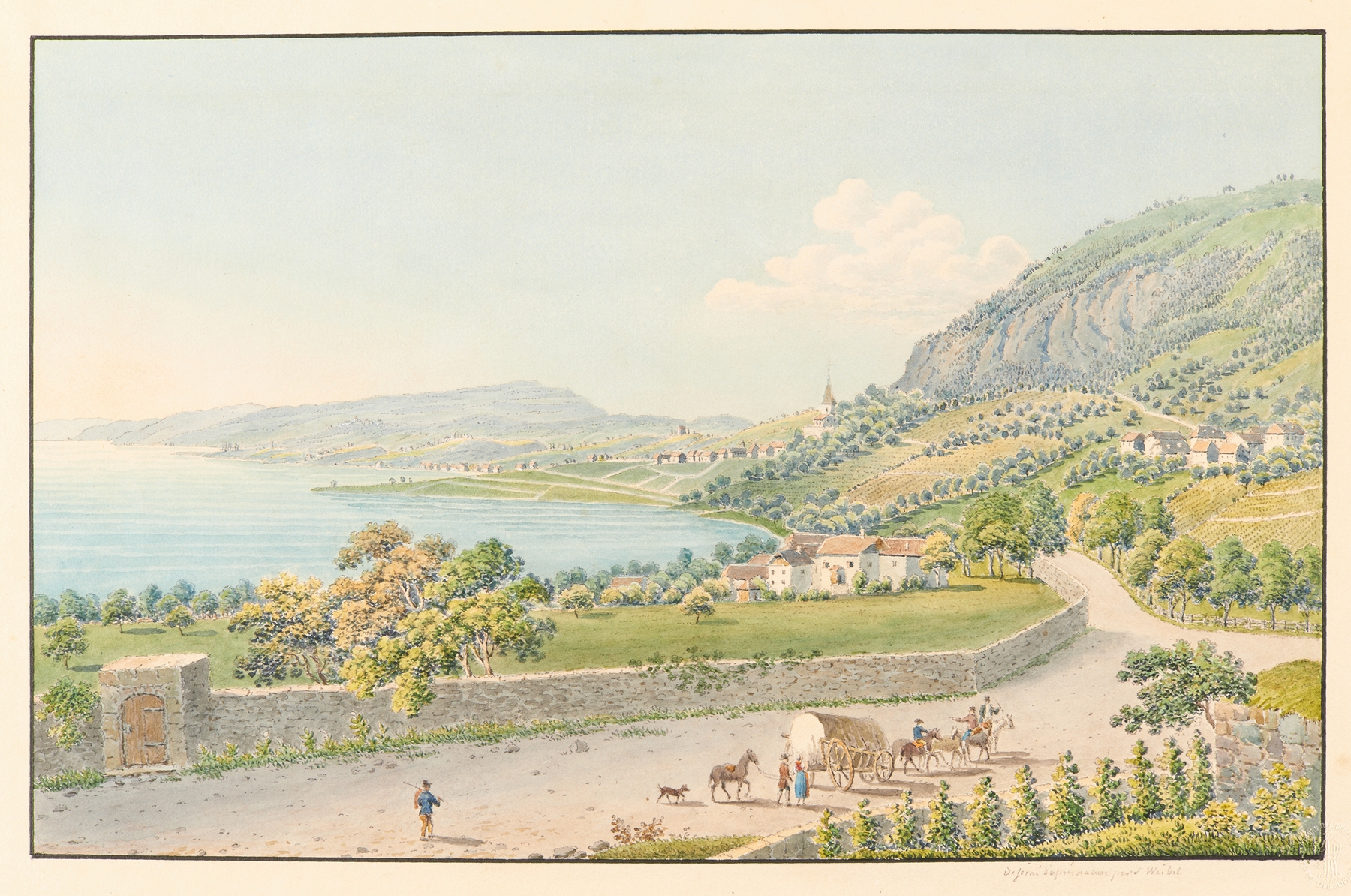
Could beauty survive in a century of chaos? In an age where tumult reigns, the serene landscapes created by those like Weibel become revelations of hope, beckoning us to pause and reflect. Look towards the sweeping expanse in the background, where the gentle contours of the mountains meet the still waters below. Notice how the artist employs a delicate palette of blues and greens, inviting tranquility. The soft brushstrokes create a hazy atmosphere that blurs the line between reality and dream. As your gaze wanders, the intricate details of the foliage in the foreground come into focus, drawing you into the lush vibrancy of the scene, alive with the subtle whispers of nature. A contrast lies at the heart of this work — the peacefulness of the landscape juxtaposed with the chaotic backdrop of the time. The tranquility of Montreux and Clarens hints at a world untouched by unrest, a sanctuary amidst the storm. Hidden details, such as the quiet presence of a single boat on the water, serve as reminders of human fragility and the fleeting moments of calm that life offers. Each painted layer reveals a deeper longing for connection, both to nature and to one another. In his lifetime, Weibel created this piece during a period marked by significant social and political upheaval. The exact date remains unclear, but it aligns with the 19th century's challenging transitions across Europe. A time when artists often sought solace in landscapes, his work reflects a desire to escape into beauty, even as the world around him teetered on the brink of despair.