Lausanne Ville capitale du Canton de Vaud — History & Analysis
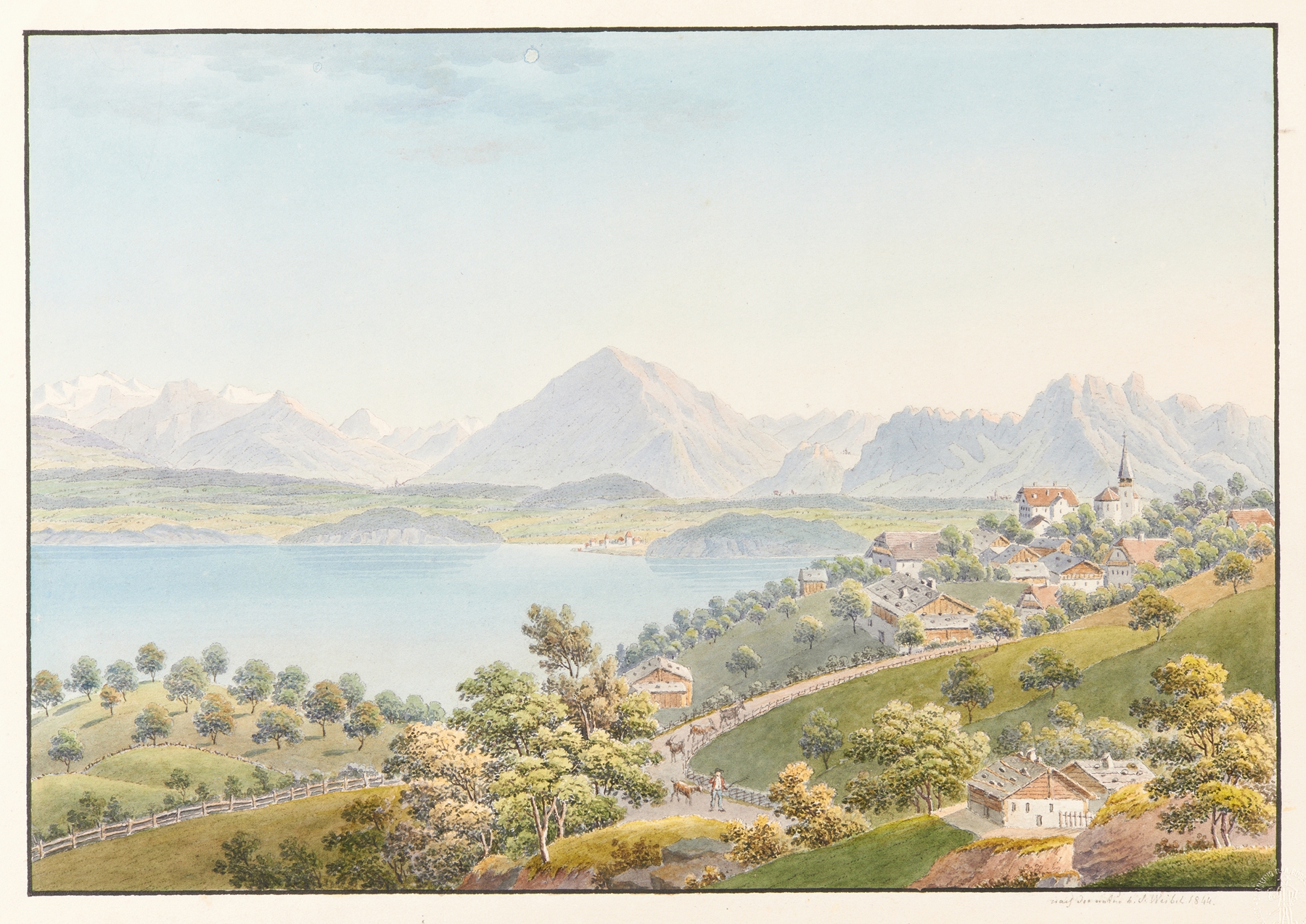
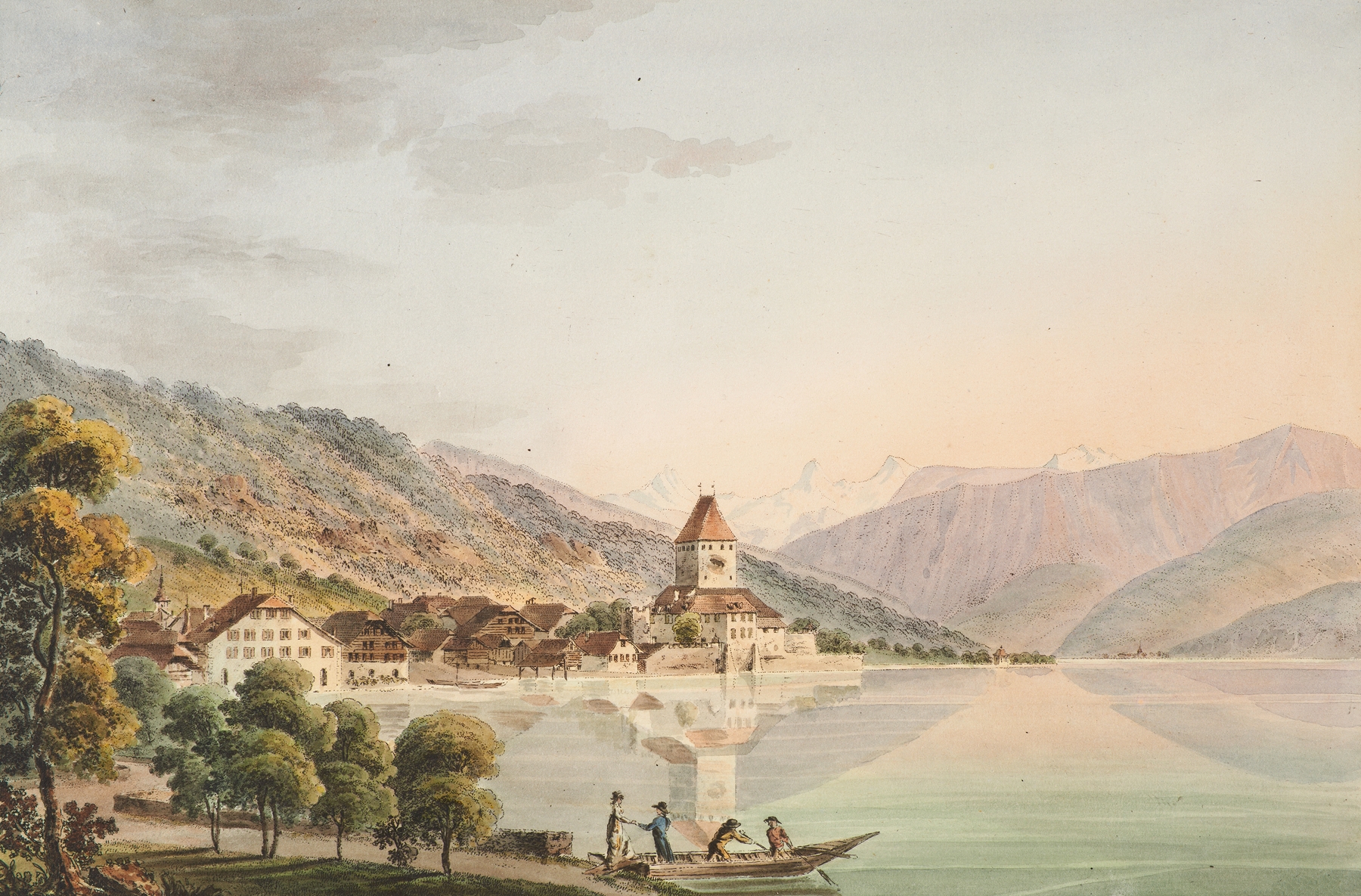
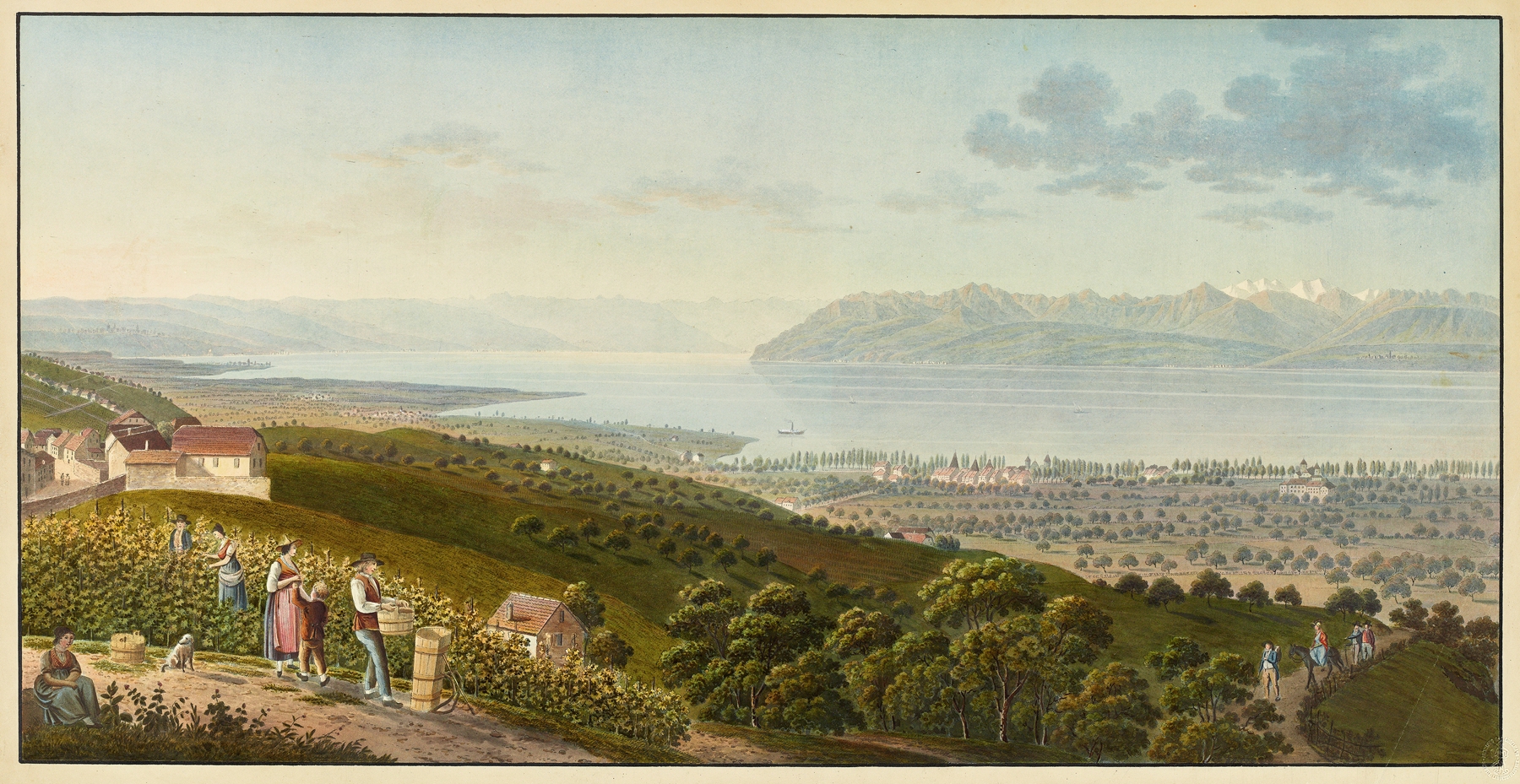
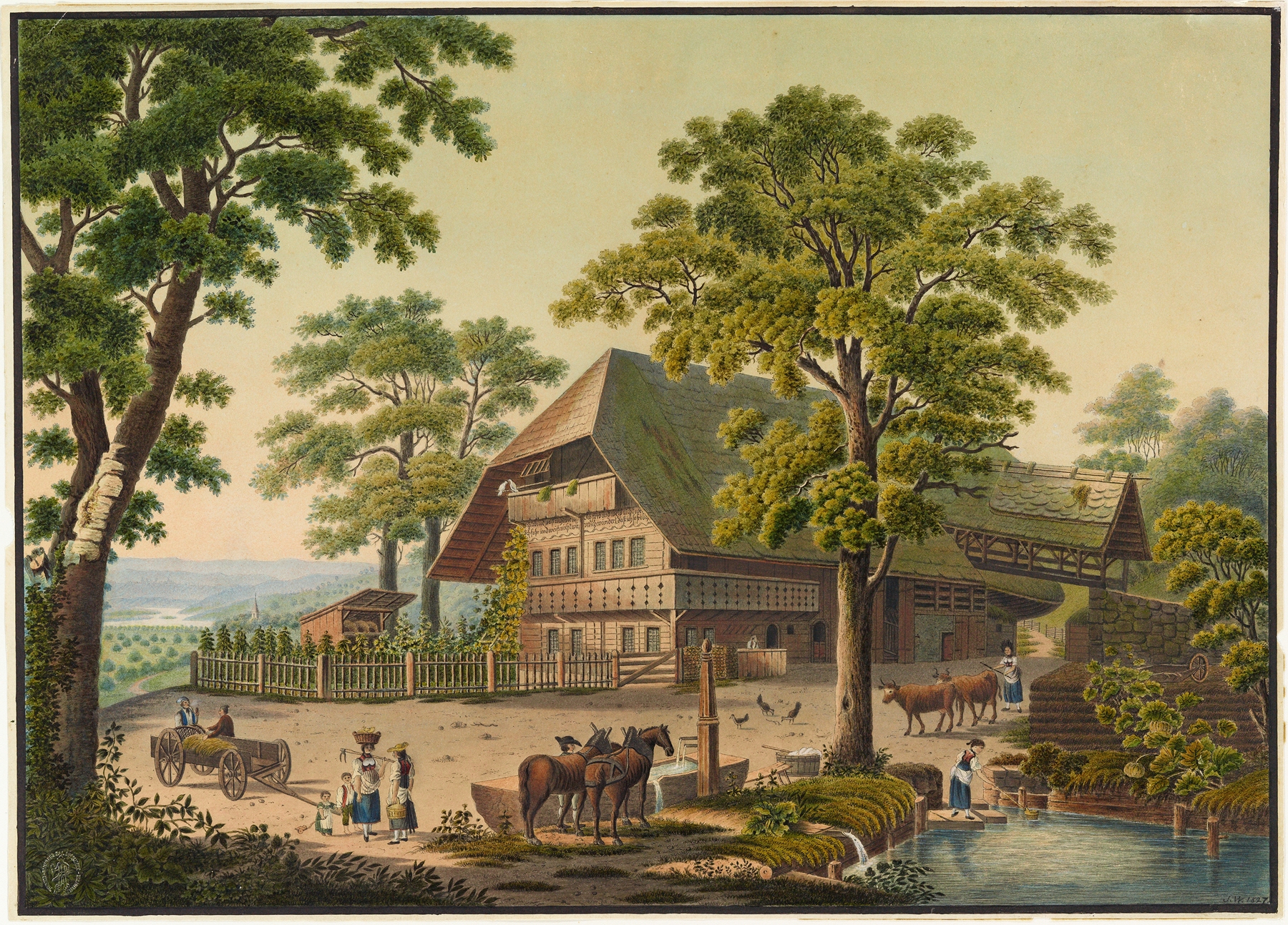
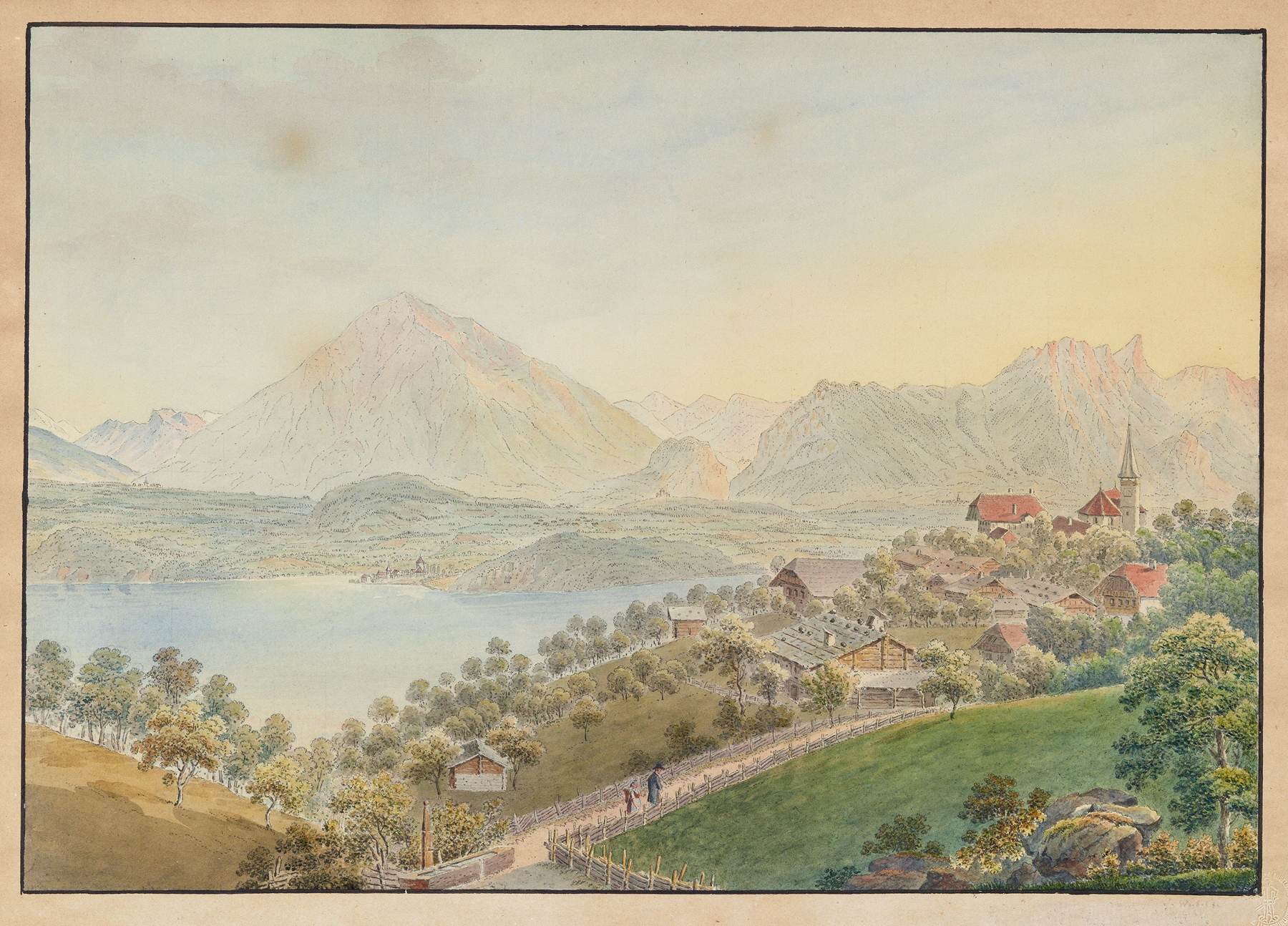
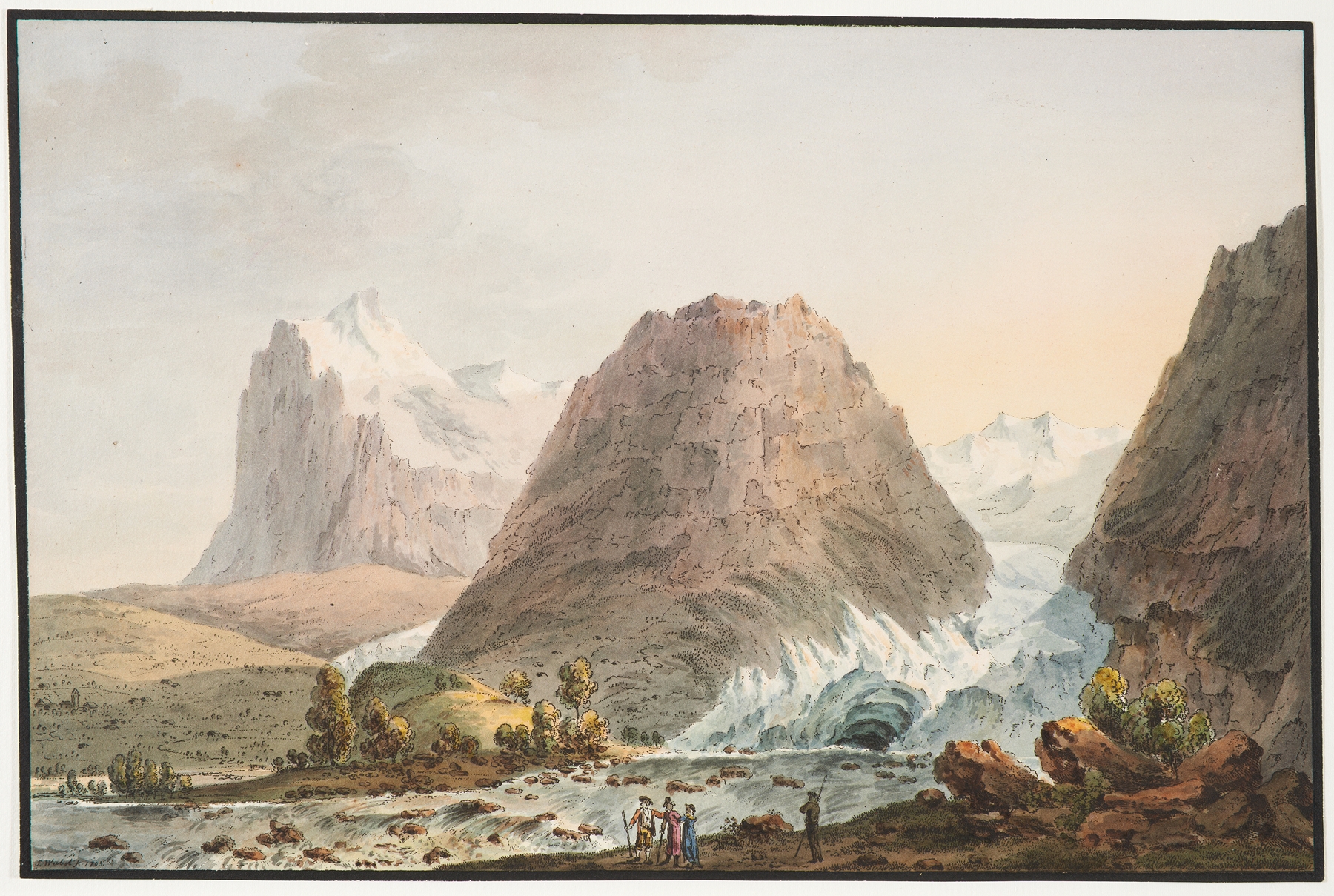
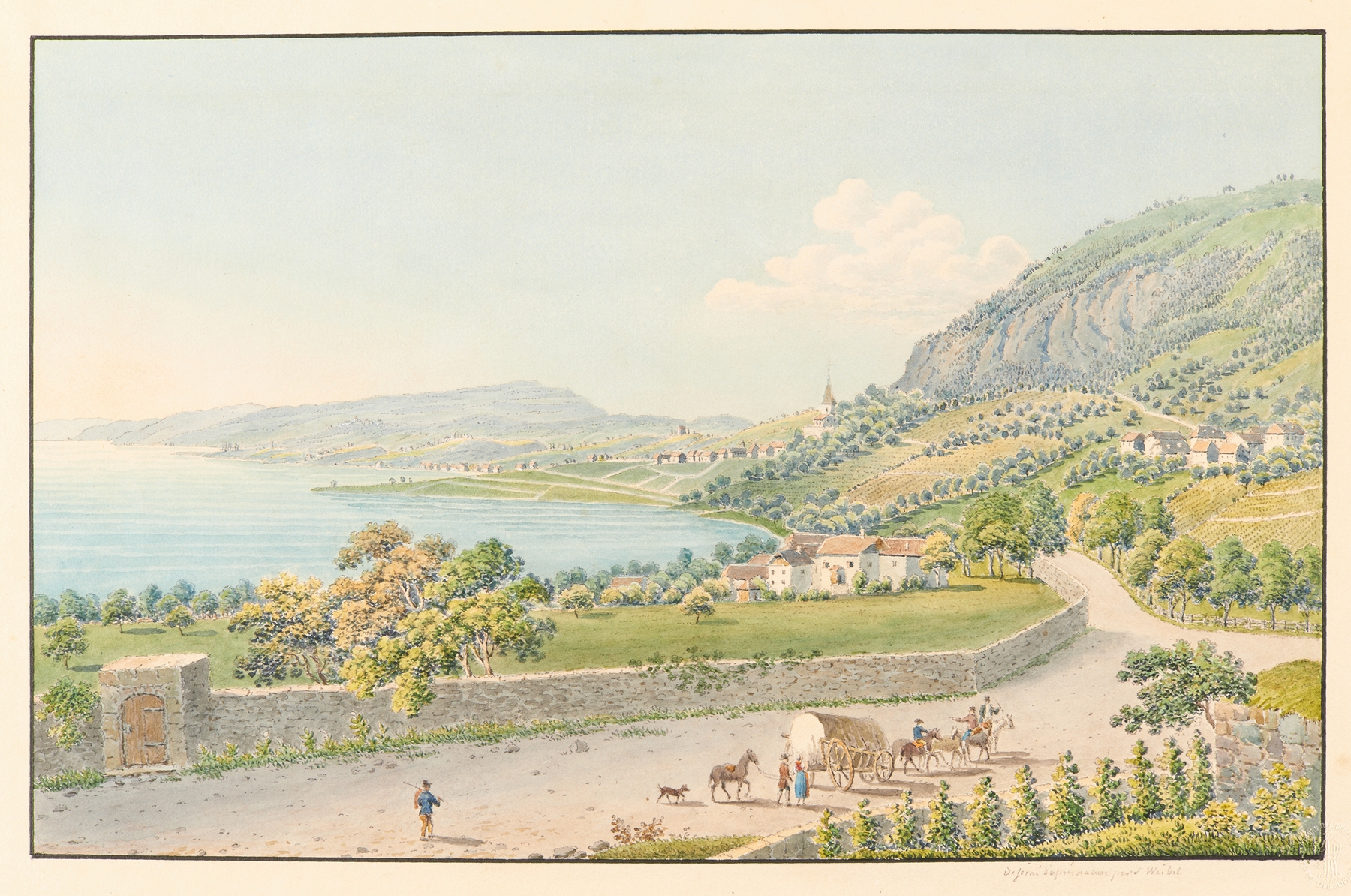
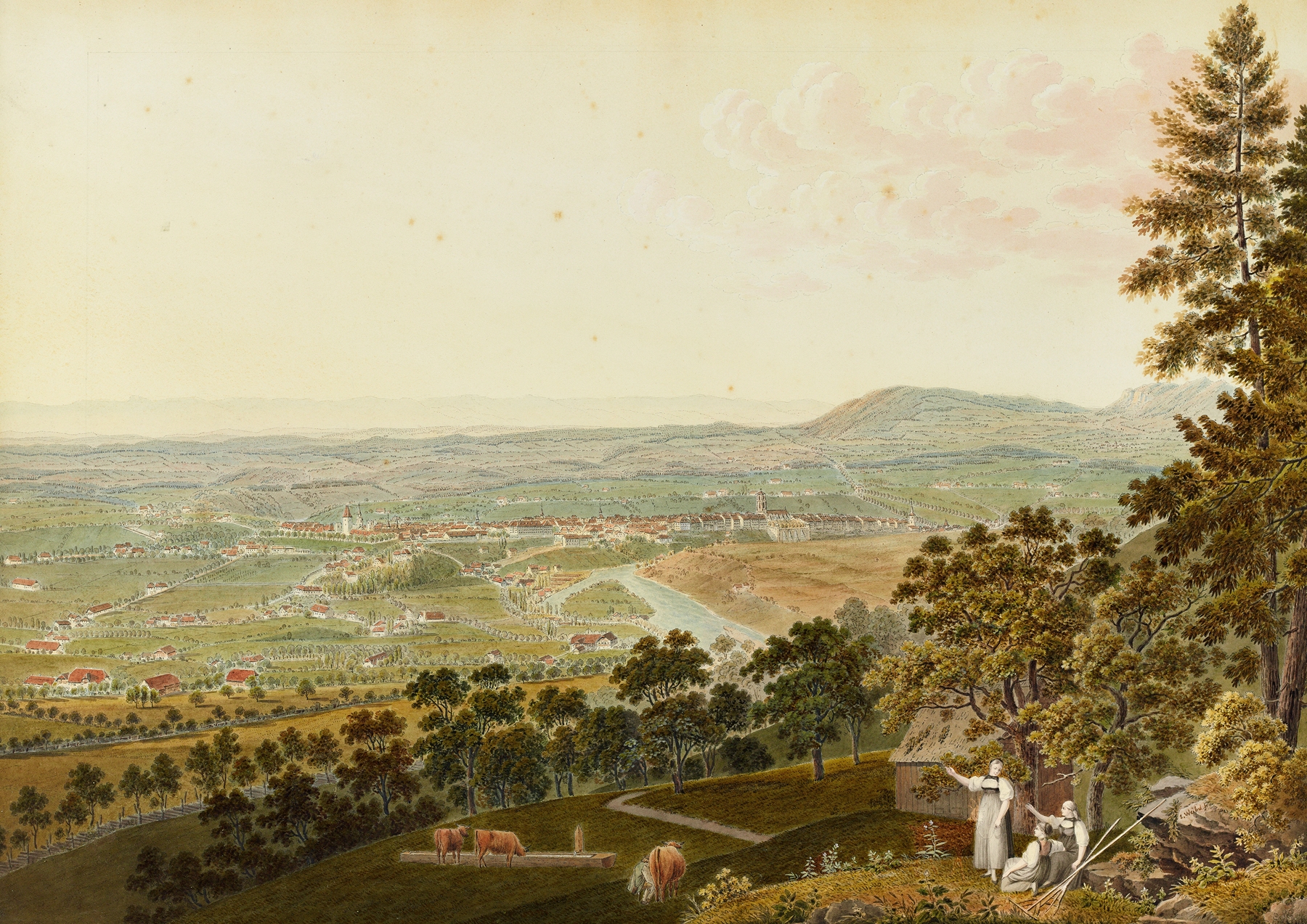
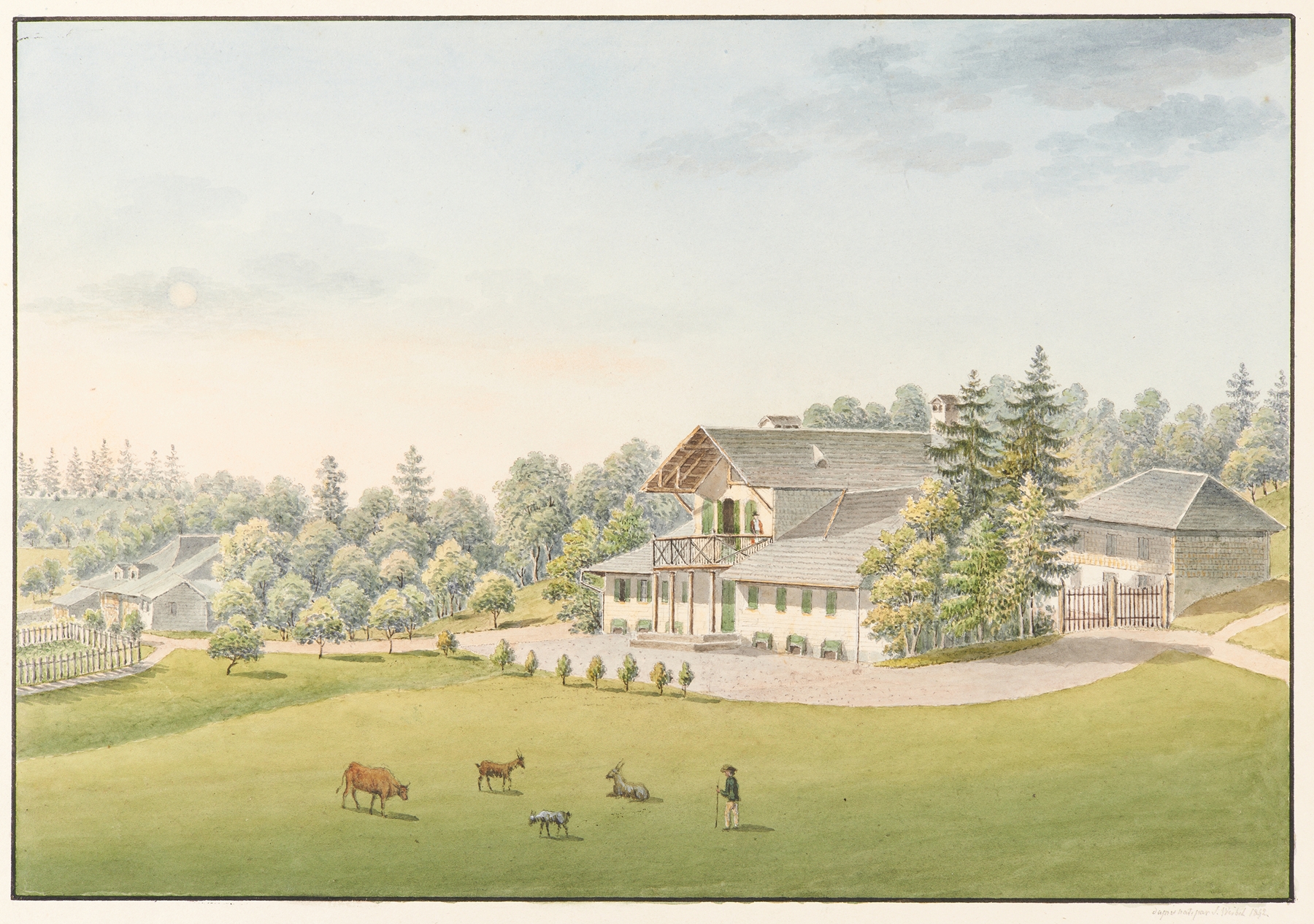
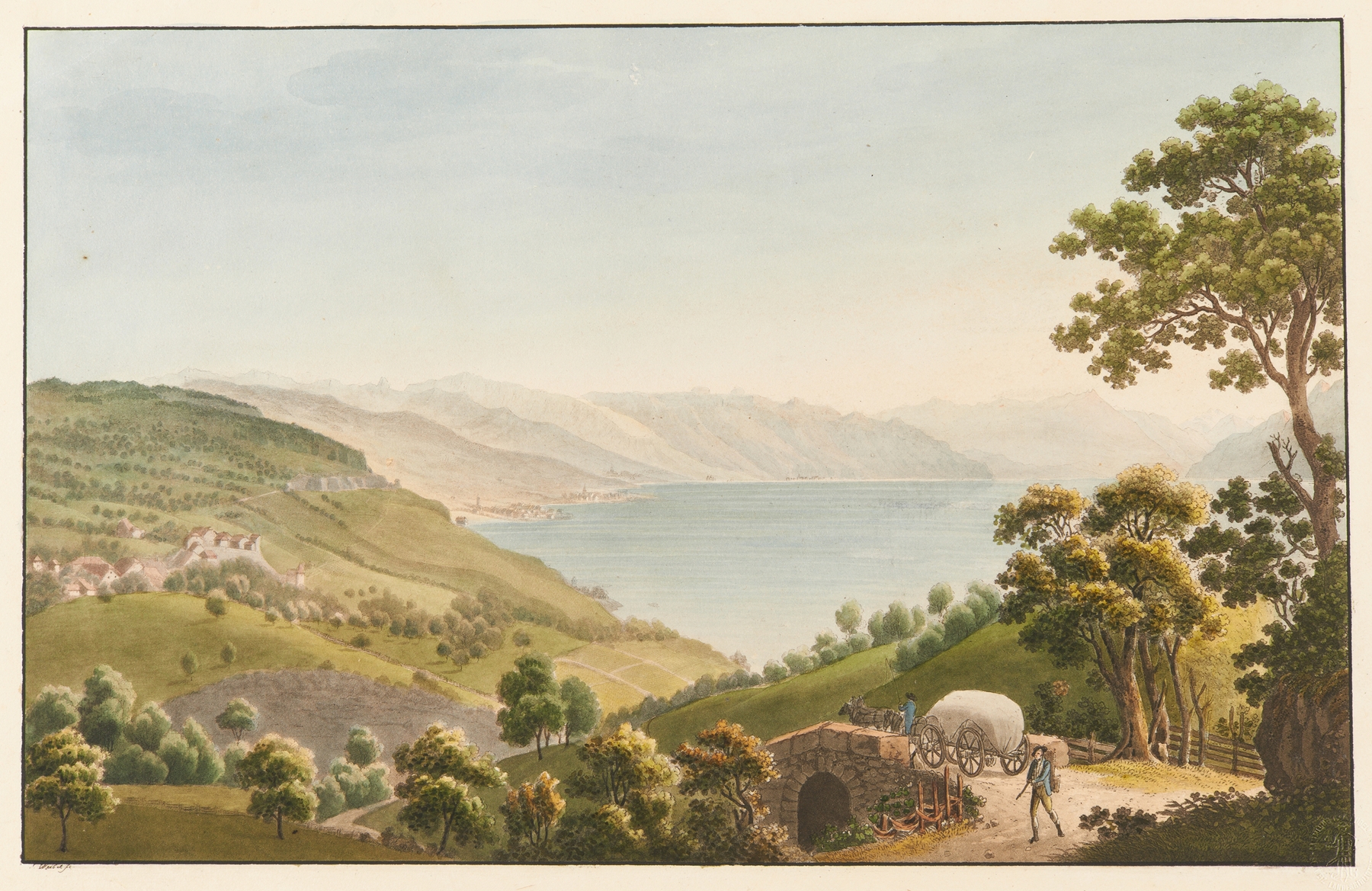
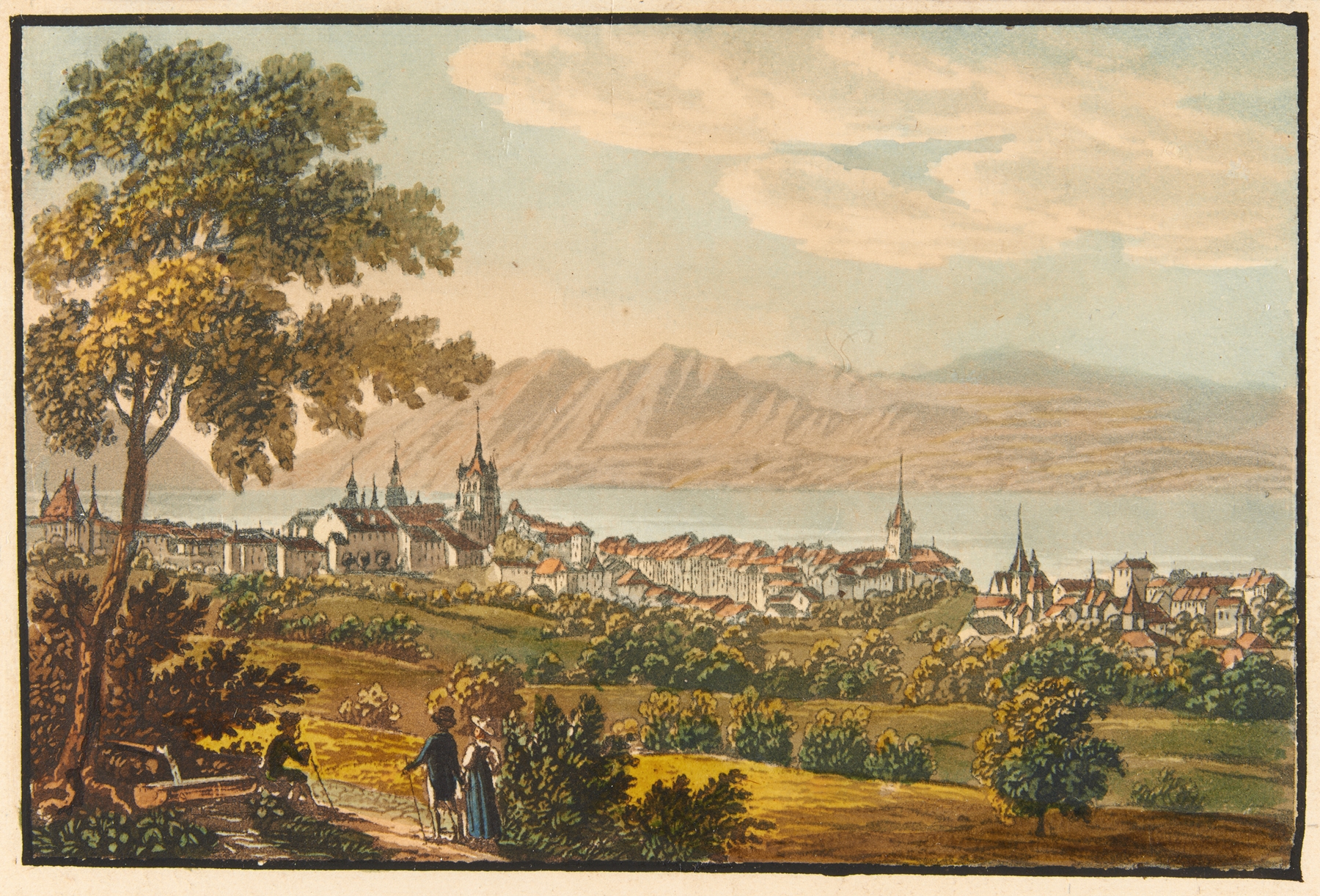
“Between color and silence, truth hides.” In the symphony of hues, faith whispers through the layers of paint and shadow, inviting us to embark on a journey of introspection. Focus on the swirling blues and greens that dominate the composition, drawing your gaze to the vibrant landscapes and architectural forms emerging from the depths. Notice the delicate interplay of light that dances upon the surfaces, highlighting both the warmth of the buildings and the coolness of the sky. The artist's meticulous brushwork captures the essence of a city, breathing life into streets and structures often overlooked, while subtle gradations of color evoke a sense of depth and atmosphere. Within the canvas lies a dialogue between chaos and harmony. The fragmented forms suggest the complexities of urban life, yet they coexist within a tranquil palette that speaks to the collective spirit of the place. Look closely at the tiny figures sparsely scattered throughout; they reflect the isolation found in the bustle of life, hinting at a deeper yearning for connection amidst the clamor. This tension between the vibrant city and the individual souls within it echoes the universal search for faith and belonging. Jakob Samuel Weibel painted this work during a period marked by a surge of artistic exploration in the 19th century. Living in Switzerland, he was influenced by the Romantic movement, which emphasized emotion and individual experience, urging artists to capture the essence of their surroundings. In a time of political and social change, his portrayal of Lausanne speaks not only to the beauty of its architecture but also to the enduring human spirit searching for meaning amidst the noise of modernity.