Church of Santa Maria della Febbre,Rome — History & Analysis
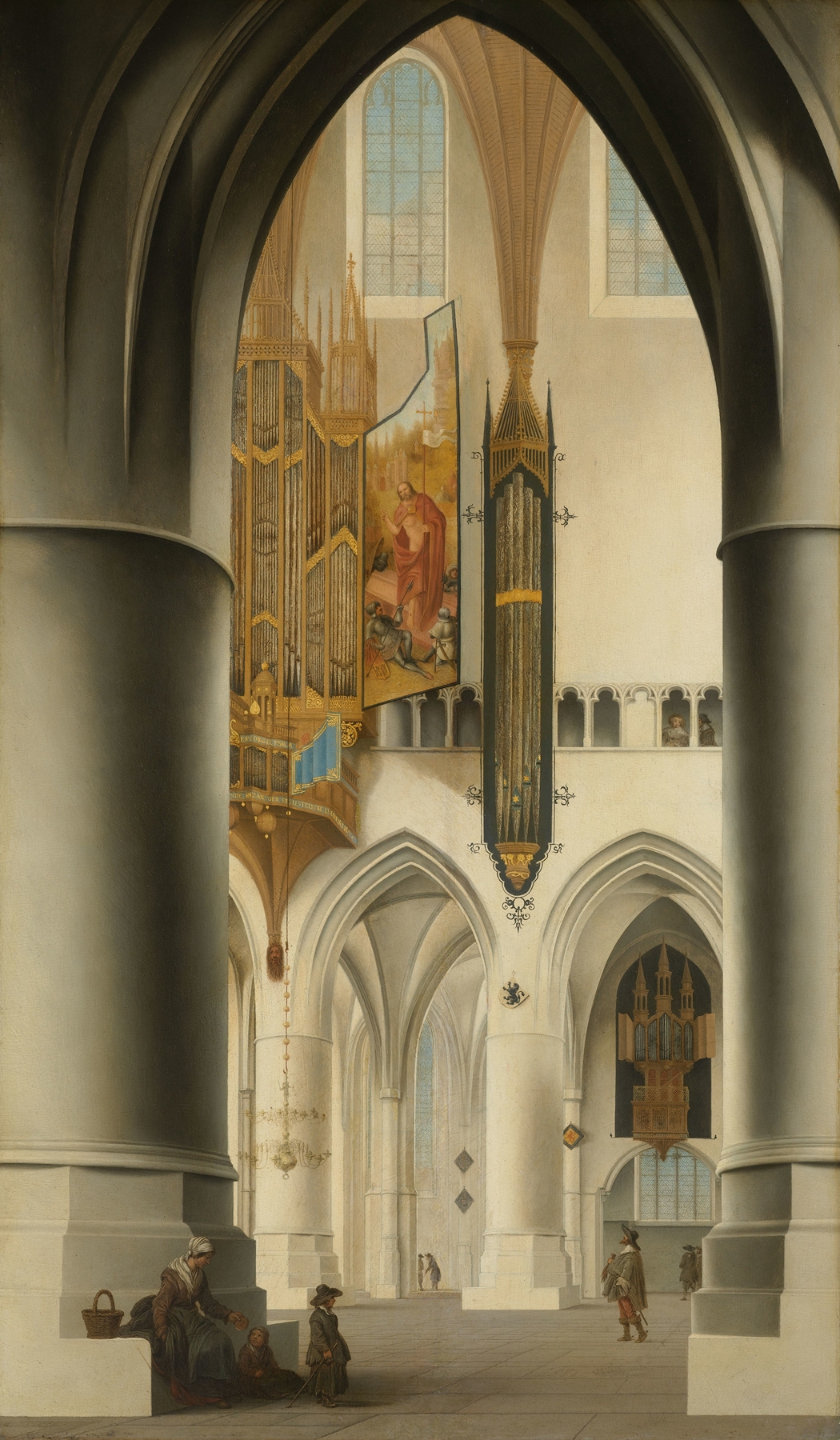
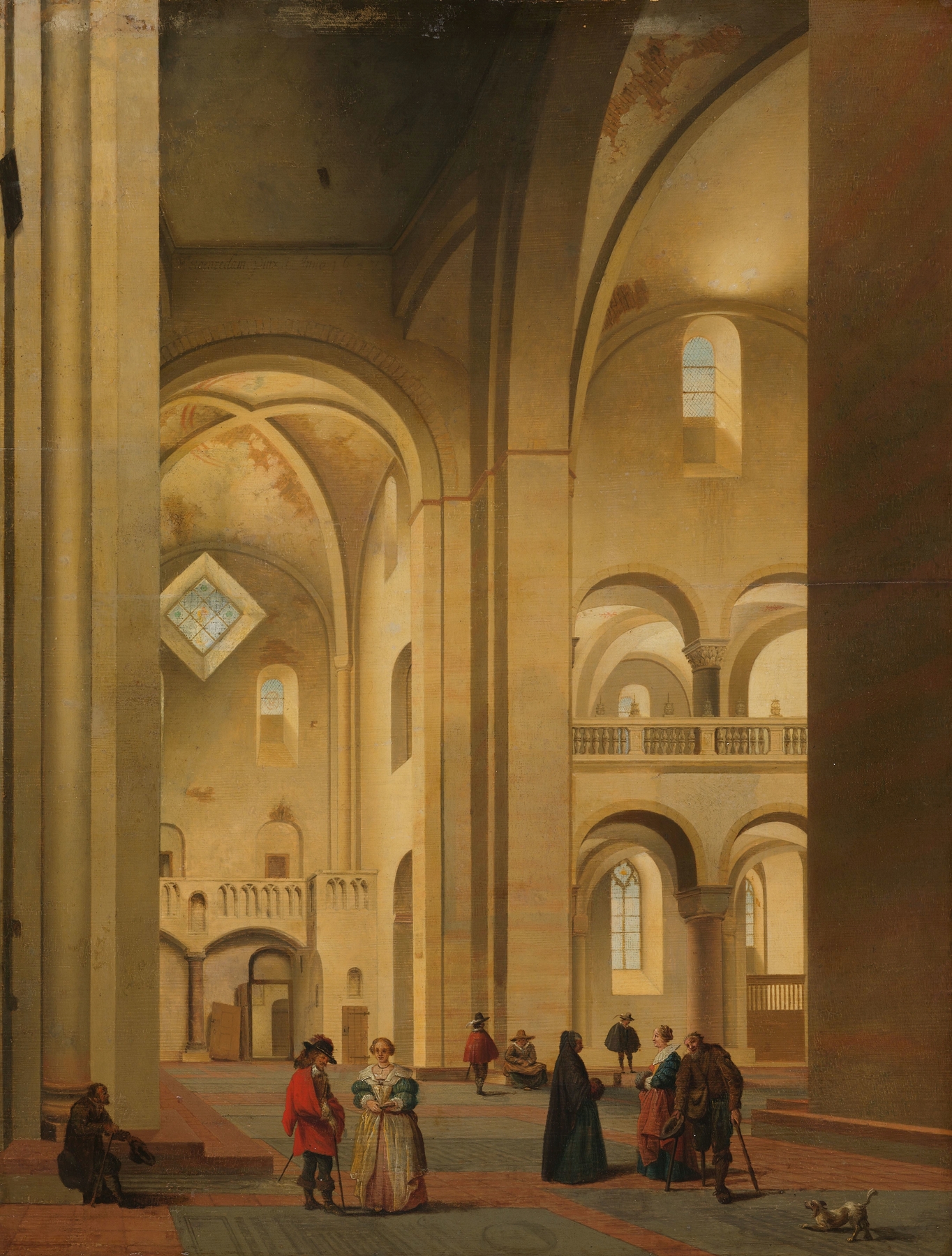
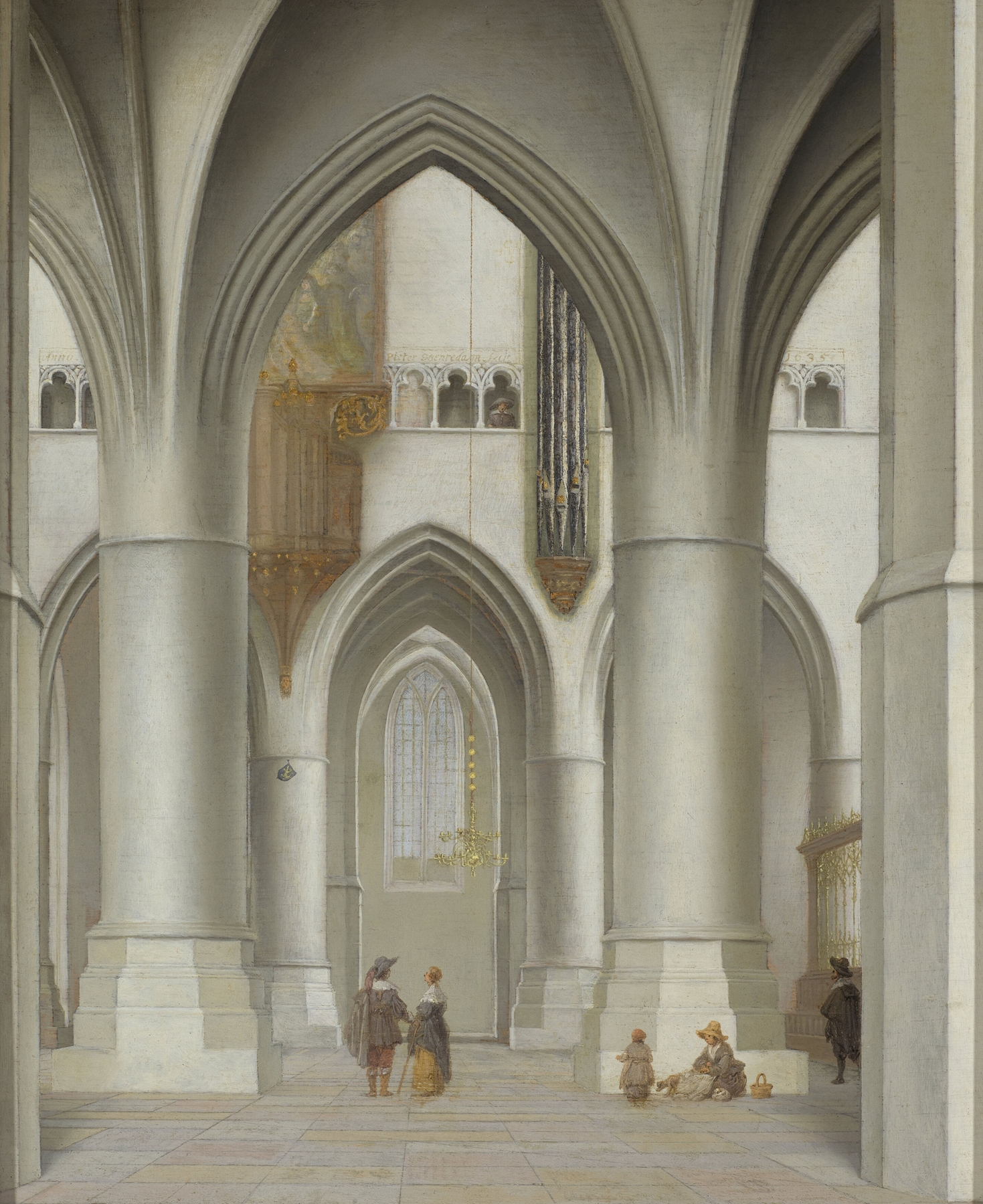
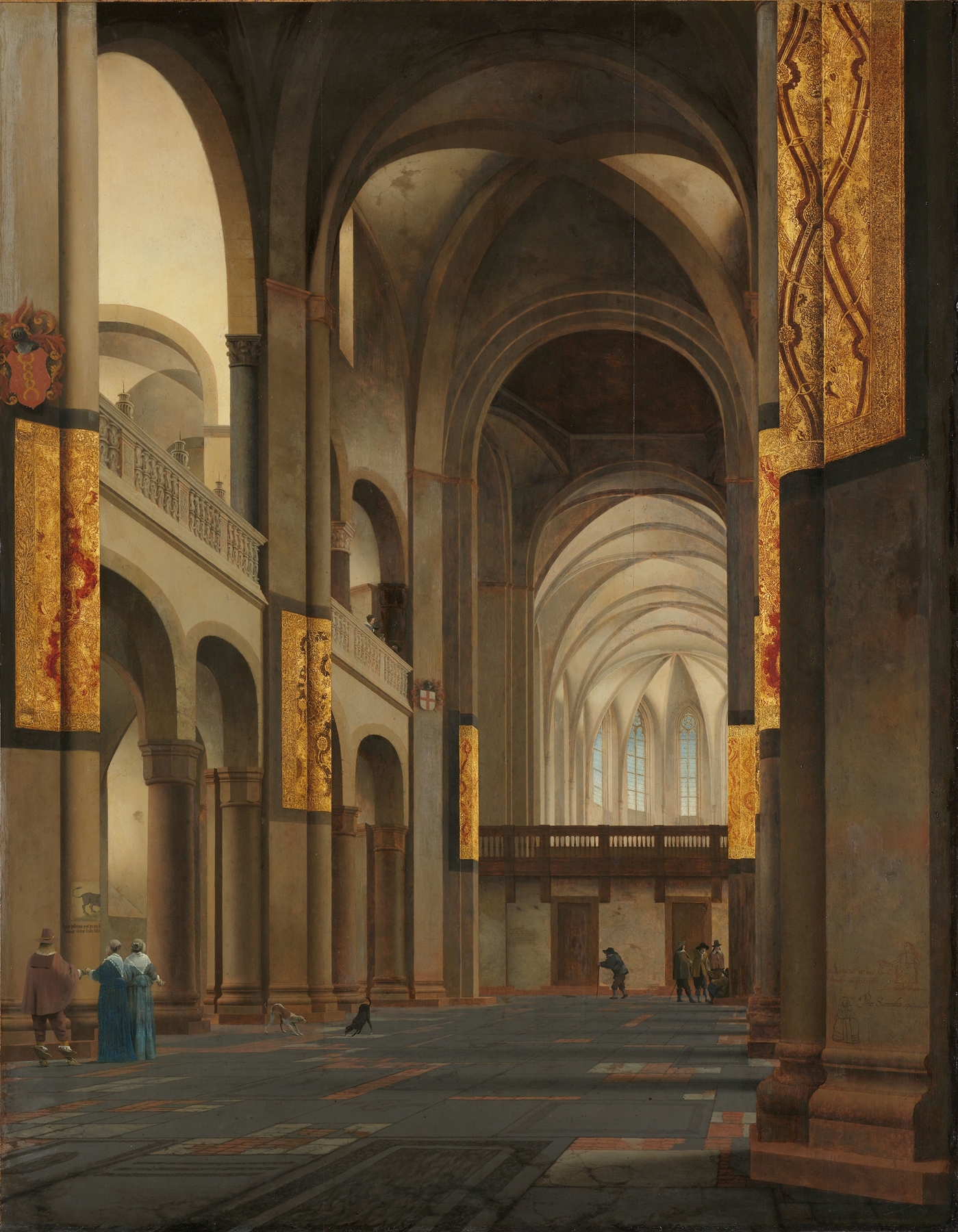
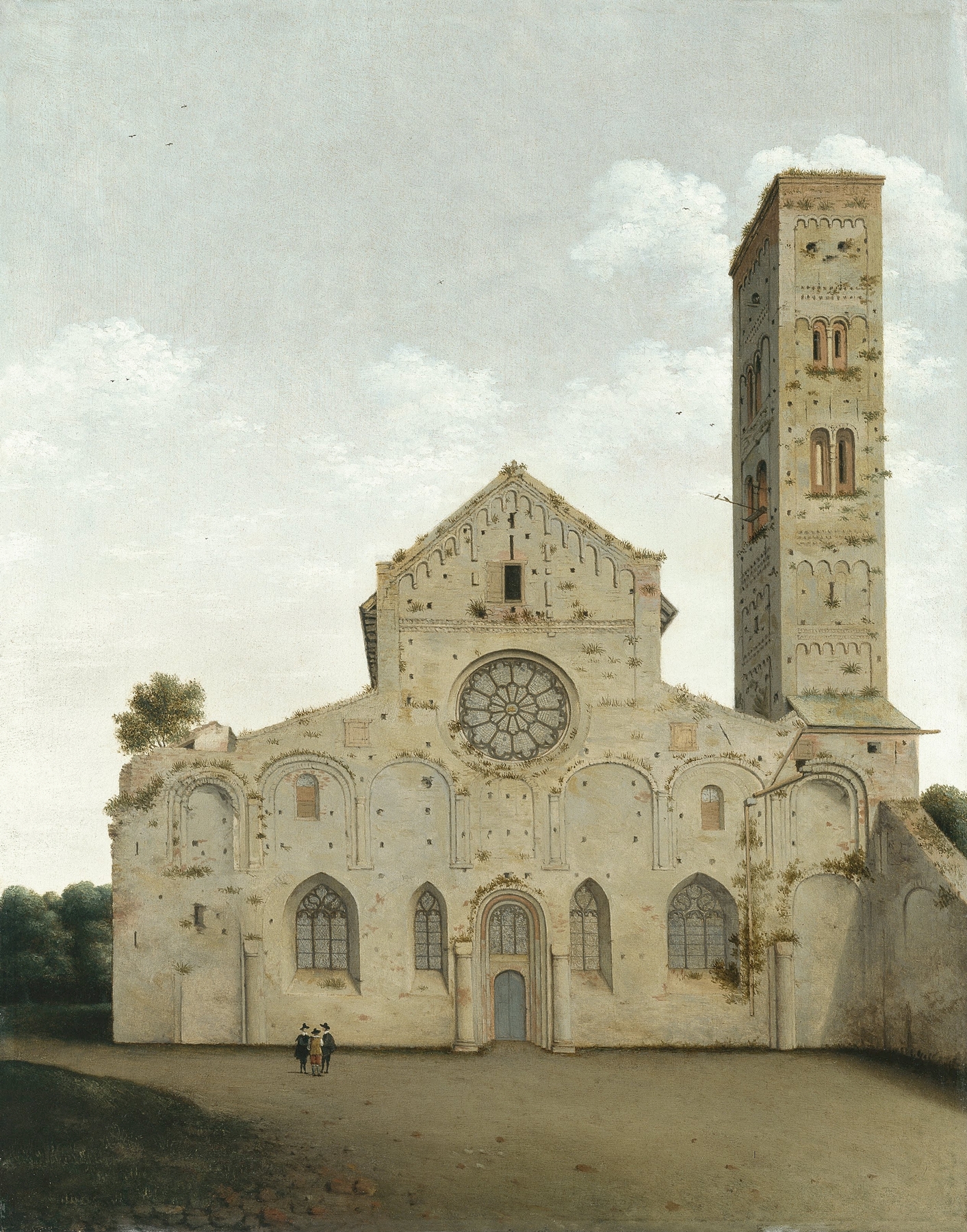
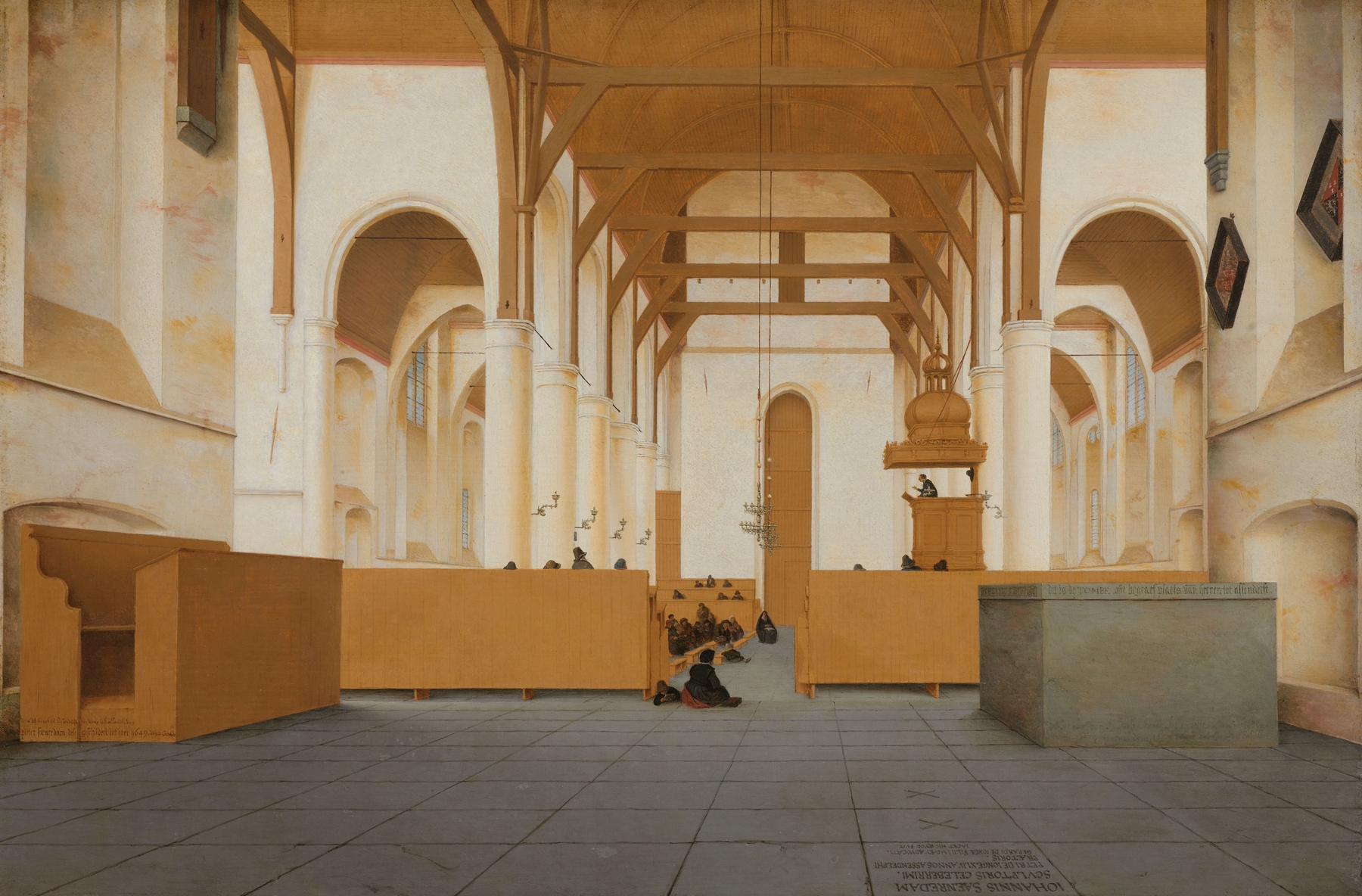
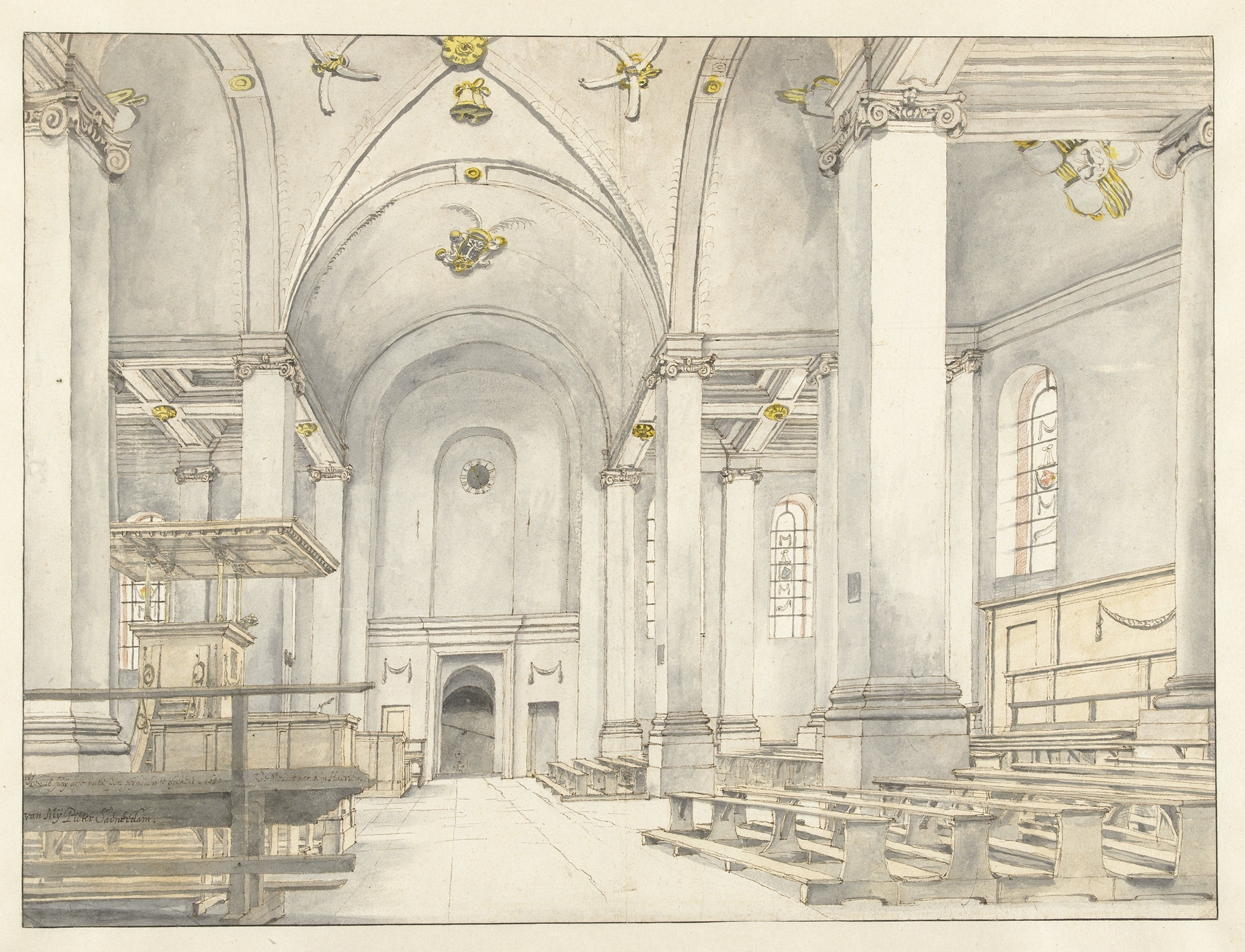
Can paint confess what words never could? In the stillness of Church of Santa Maria della Febbre, the truth unfolds quietly, inviting viewers to ponder the sacred and the sublime. Look to the center, where the soaring arches draw your gaze upwards, leading your eye to the ethereal light filtering through the stained glass. This luminous glow bathes the interior in soft hues, creating an almost divine atmosphere. Notice how the meticulous detail in the stonework contrasts with the fluidity of light, revealing a masterful balance between precision and spirituality.
Saenredam’s careful composition reflects not just the architecture but also the essence of worship itself. Delve deeper into the silent conversations held in this sacred space. The juxtaposition of shadows and illumination suggests an ongoing dialogue between the earthly and the heavenly. Small figures, almost ghostly in their stillness, remind us of the congregation’s devotion—each individual lost in their thoughts, yet bound together by common faith.
The painting captures a moment that transcends time, inviting us to reflect on our own search for truth amid life’s complexities. In 1629, Saenredam painted this work amidst a resurgence of interest in architectural representation and perspective in Dutch art. Residing in Haarlem, he focused on capturing the purity of religious spaces, driven by the tensions of the Reformation that influenced both his life and the wider artistic community. This painting stands as a testament to an evolving faith and the power of visual storytelling in an era of profound change.