Clearing Weather at Awazu (Awazu no Seiran) — History & Analysis
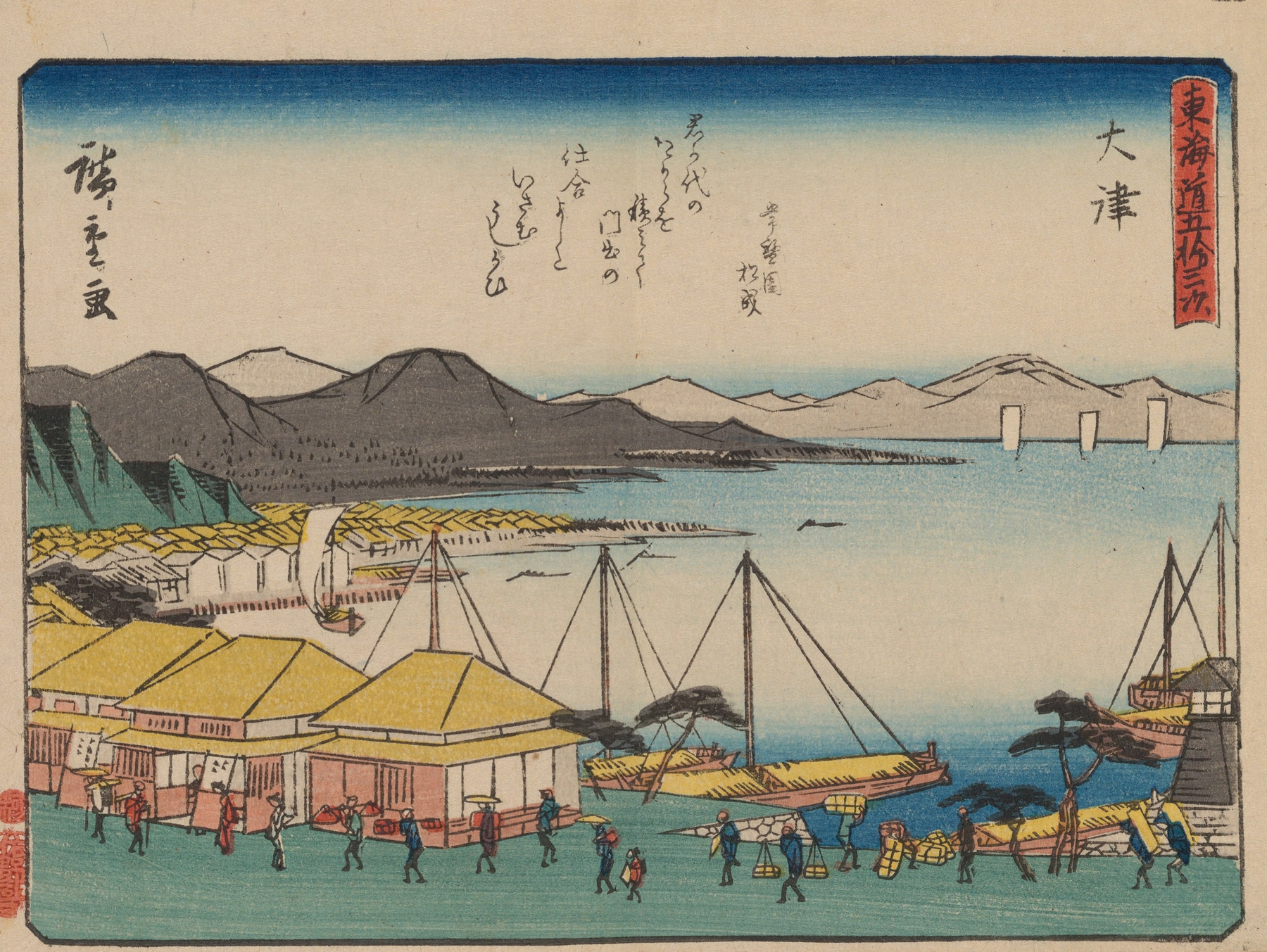
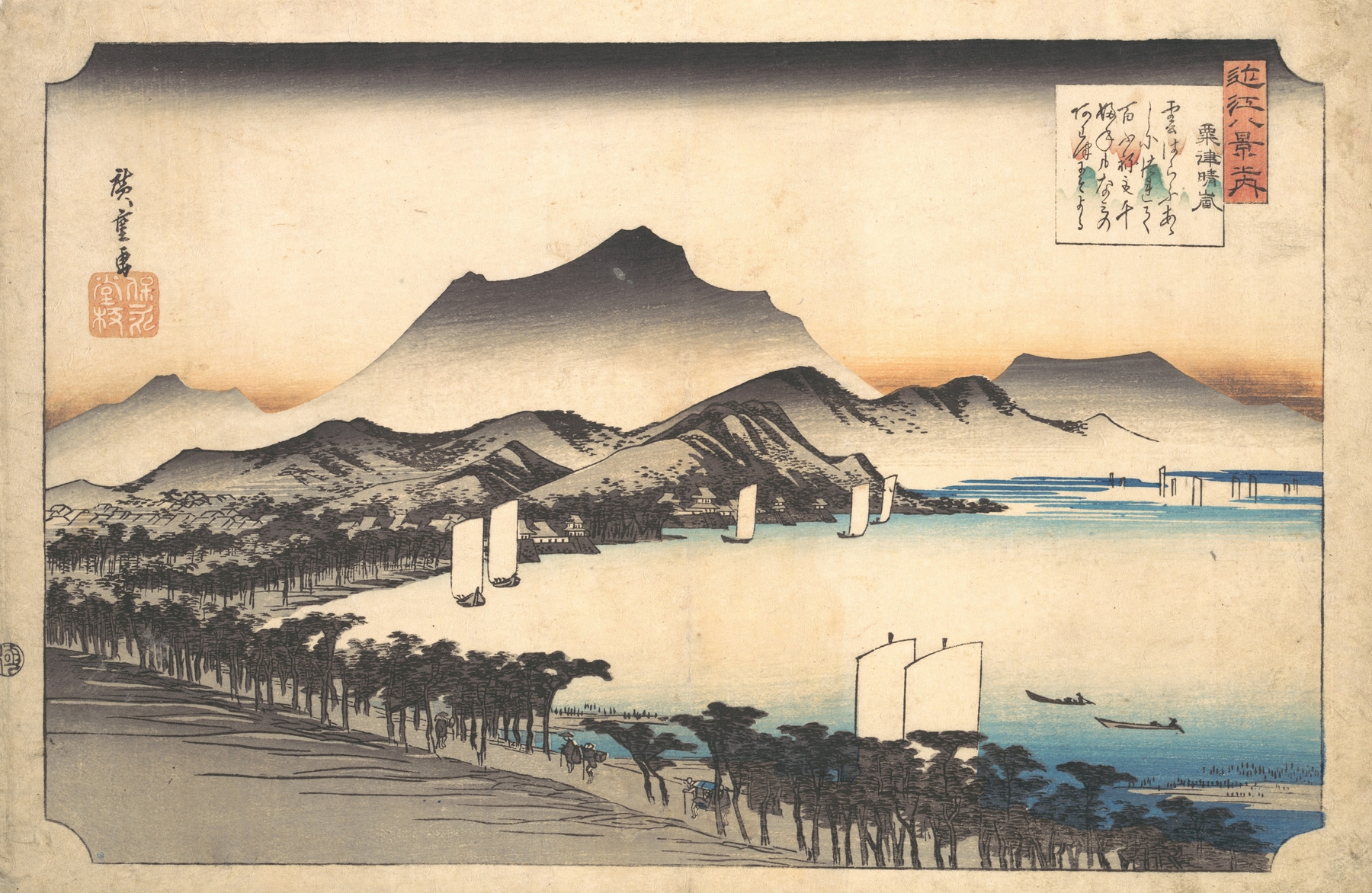
Who listens when art speaks of silence? In Clearing Weather at Awazu, the whispered conversations between nature and the viewer beckon, inviting a moment of awakening in a tranquil landscape. Look to the serene horizon where soft blues and grays blend seamlessly, suggesting the remnants of a rain-soaked sky. The delicate brushwork captures the subtle shifts in light as clouds part, illuminating patches of golden land below. Notice how the meticulously painted trees, their branches swaying lightly, create a gentle frame for the scene, guiding the viewer's eye toward the distant mountains rising like sentinels in the background.
Within this artwork lies a subtle tension between calm and change. The clearing sky symbolizes hope and renewal, while the lingering clouds echo the memories of a recent storm. Each choice of color and line serves to balance serenity with movement, instilling a sense of temporal beauty that strives to manifest the fleeting nature of moments. The juxtaposition of the bold mountains against the ephemeral atmosphere enhances the feeling of a world on the brink of transformation.
Utagawa Hiroshige painted Clearing Weather at Awazu in 1835, during a period of artistic flourishing in Japan known as the Edo period. He was deeply influenced by the ukiyo-e movement, which celebrated landscapes and the beauty of everyday life. At this time, Hiroshige was emerging as a master printmaker, crafting images that would resonate not only in Japan but also inspire Western artists decades later. The tranquility found in this work reflects both his personal vision and the evolving cultural landscape of his era.