Cloud Study (Early Evening) — History & Analysis
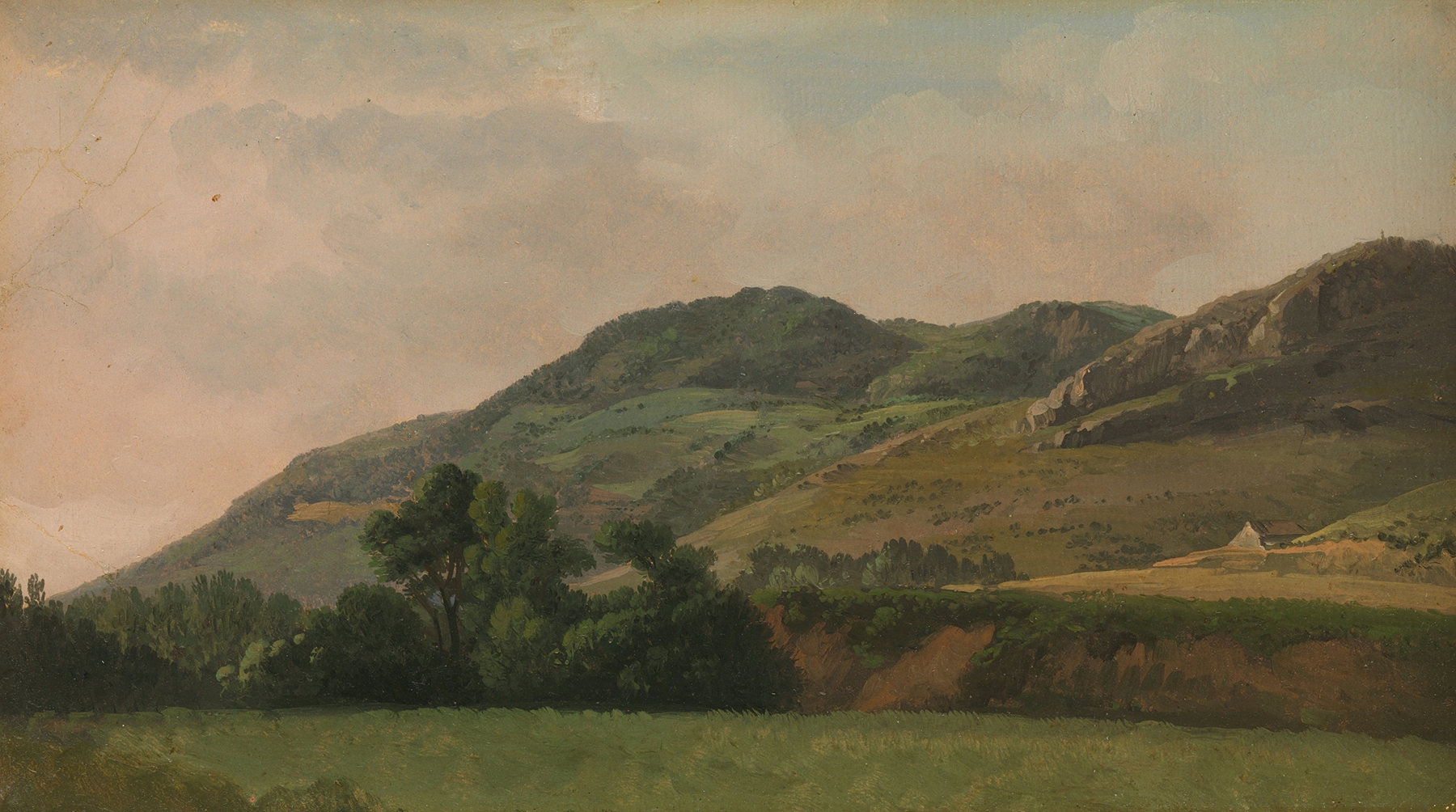
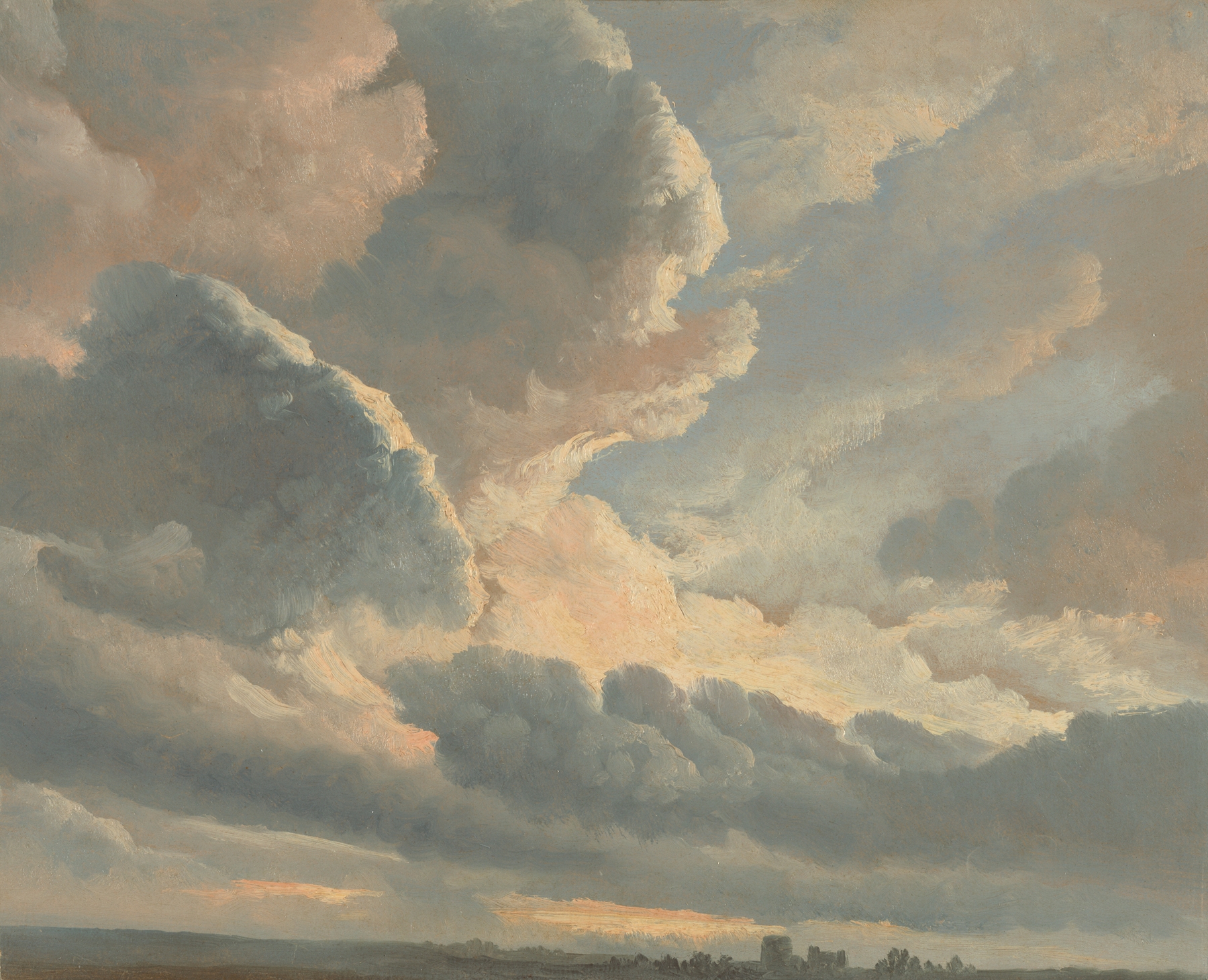
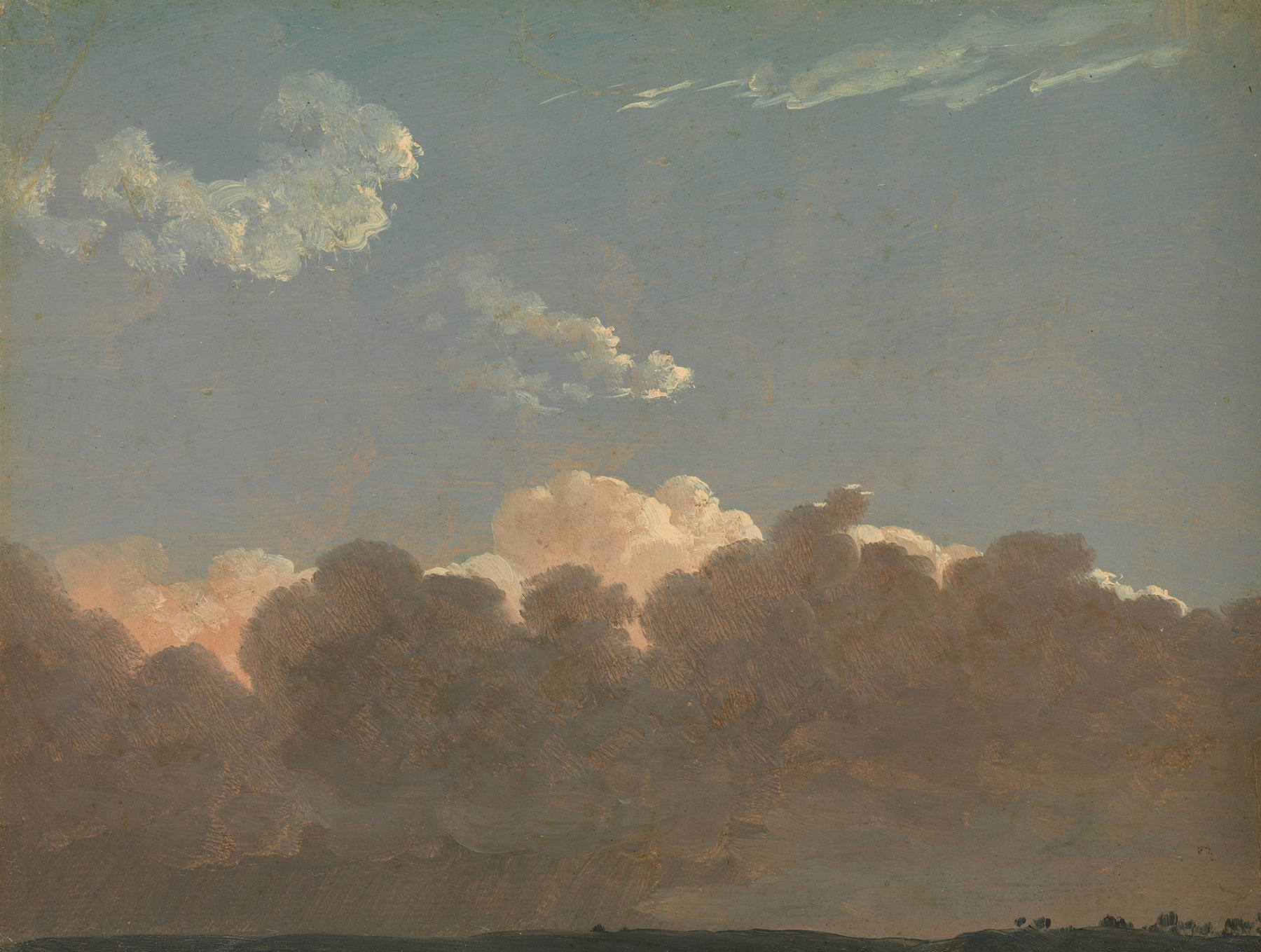
When did color learn to lie? In a world painted with the hues of innocence, the sky becomes a character that whispers secrets and spins tales. Look to the top left, where soft shades of pink and lavender meld into deeper blues, creating a serene gradient that captures the transition of day to twilight. The clouds, with their feathery, delicate forms, dance across the canvas, suggesting movement and change.
Notice how the light plays through the billowy shapes, hinting at the fleeting nature of time and evoking a sense of tranquility amidst the impending darkness. Beneath this celestial spectacle lies an undercurrent of melancholy. The innocent hues evoke nostalgia, while the gathering shadows hint at the inevitability of night, suggesting a longing for the brightness of day. The artistry lies not only in the clouds themselves but in the emotional tension that arises from their fleeting beauty—a reminder of the innocence lost to the passage of time.
Created between 1786 and 1806, this work emerged during a period of personal complexity for Simon Denis, as he worked in a shifting landscape of neoclassical ideals and burgeoning romanticism. The late 18th century was marked by a sweeping interest in the natural world and emotional expression in art, which influenced Denis to explore atmospheric effects and evoke deep sentiments through his painting. In this serene study of evening clouds, he captured not just a moment, but an essence, reflecting the delicate balance between innocence and the inexorable march of time.