Clouds after Storm — History & Analysis
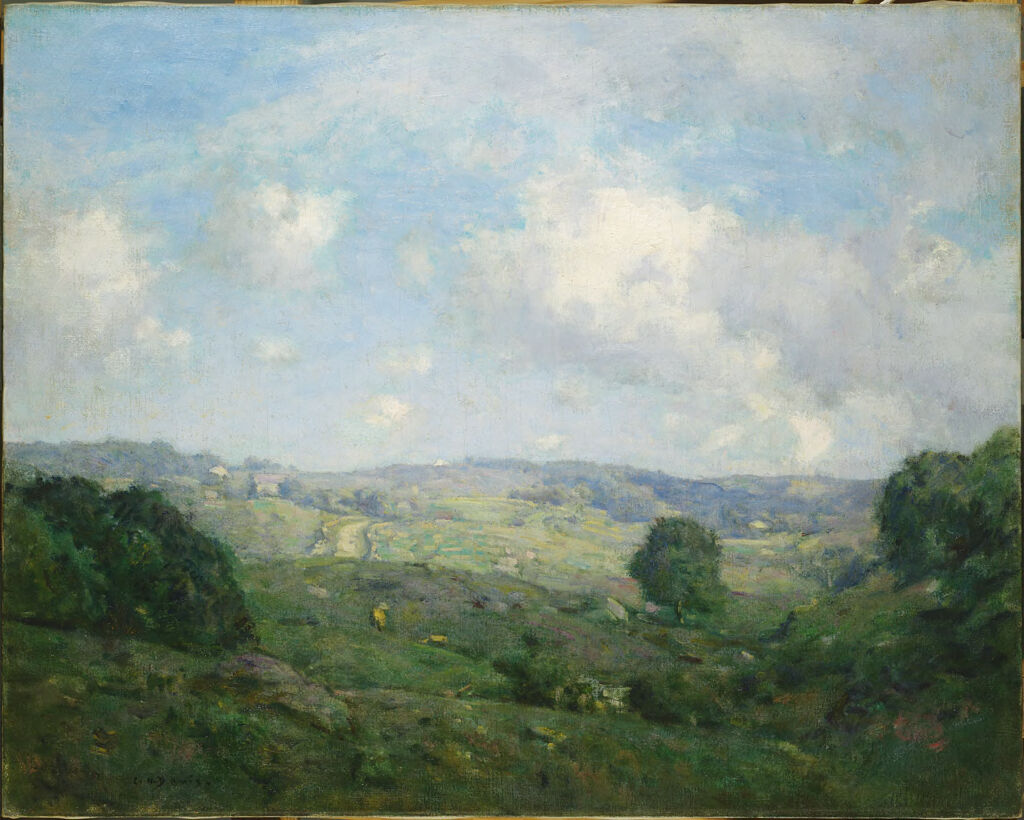
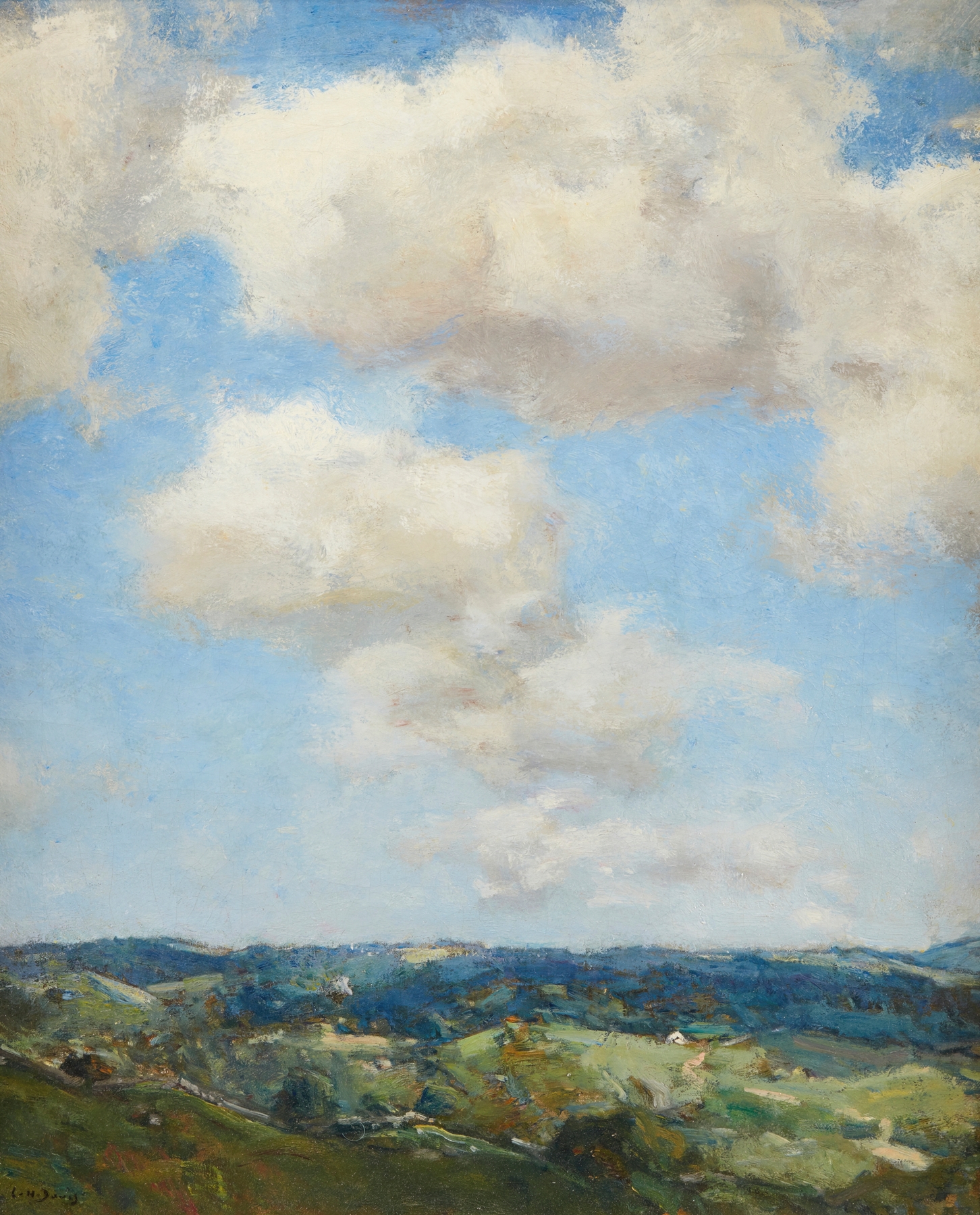
Could a single brushstroke hold eternity? In Clouds after Storm, the ethereal quality of light and color invites viewers to ponder the vastness of nature and the fleeting moments that shape our experience of it. Focus first on the dynamic interplay of blues and whites that dominate the canvas, as they swirl and merge into one another. Notice how the artist masterfully captures the aftermath of the storm — the tumultuous clouds reflecting a sense of both chaos and serenity. The textured strokes create depth and movement, drawing the eye toward the luminous patches that suggest the sun's shy return.
Here, the layered application of paint draws you in, inviting contemplation. Delve deeper into the contrasts that reside in this piece. The darkened, brooding clouds at the top evoke a sense of tension and turmoil, while the soft, glowing light beneath them symbolizes hope and renewal. This emotional push and pull mirrors the cycle of nature itself, reflecting the way turmoil can lead to clarity.
Additionally, the absence of human figures amplifies the feeling of solitude, allowing the viewer to feel both small and connected to the greater universe. In 1900, Clouds after Storm emerged from the creative mind of Charles Harold Davis during a time of transition in American art. While the country was becoming increasingly industrialized, Davis sought solace in landscapes, portraying the profound beauty of nature. This period saw artists beginning to explore impressionistic techniques, and Davis’s work stands as a testament to the power of light and color in evoking emotion and transcendence in a rapidly changing world.