Rural Landscape — History & Analysis
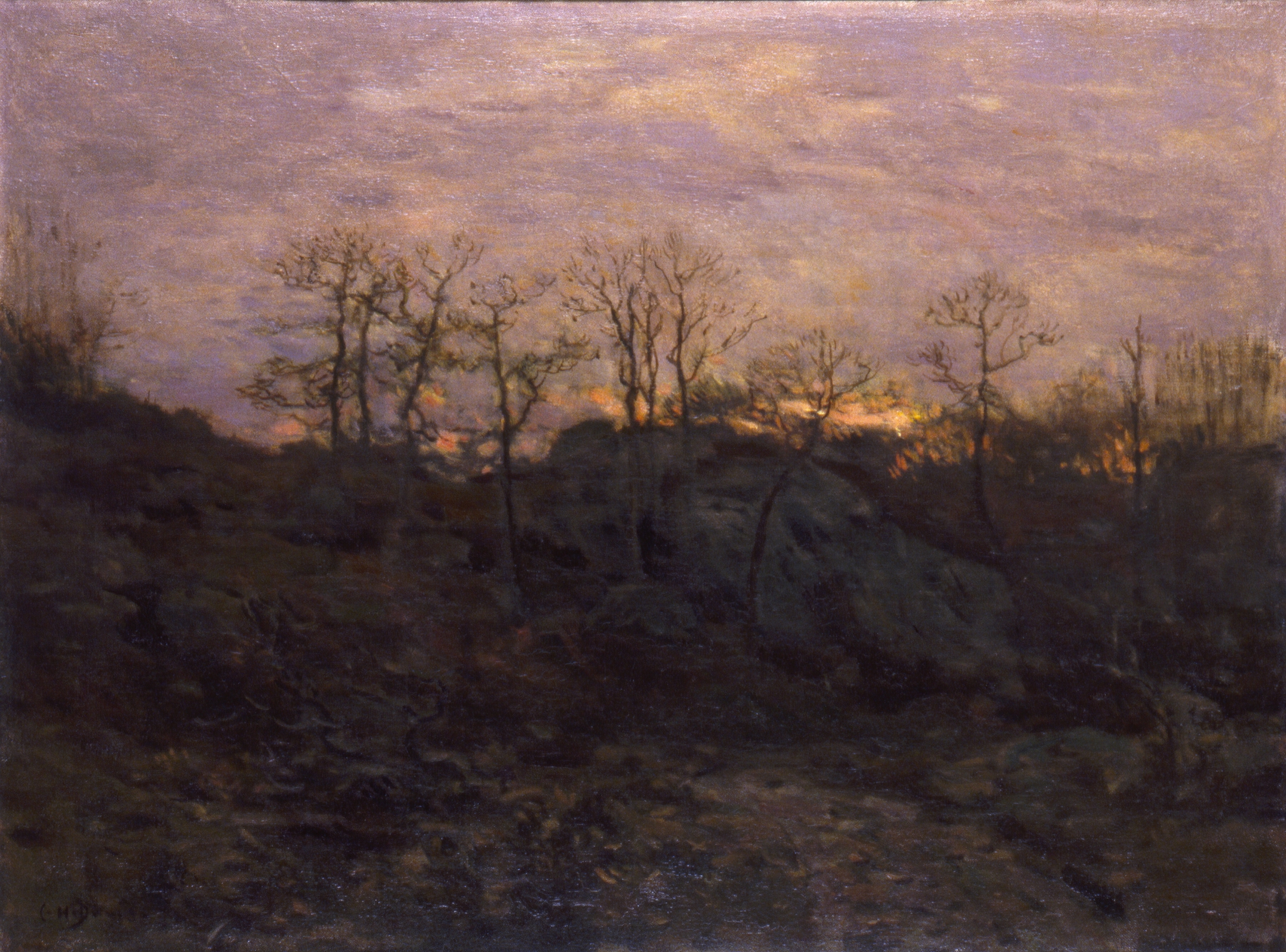
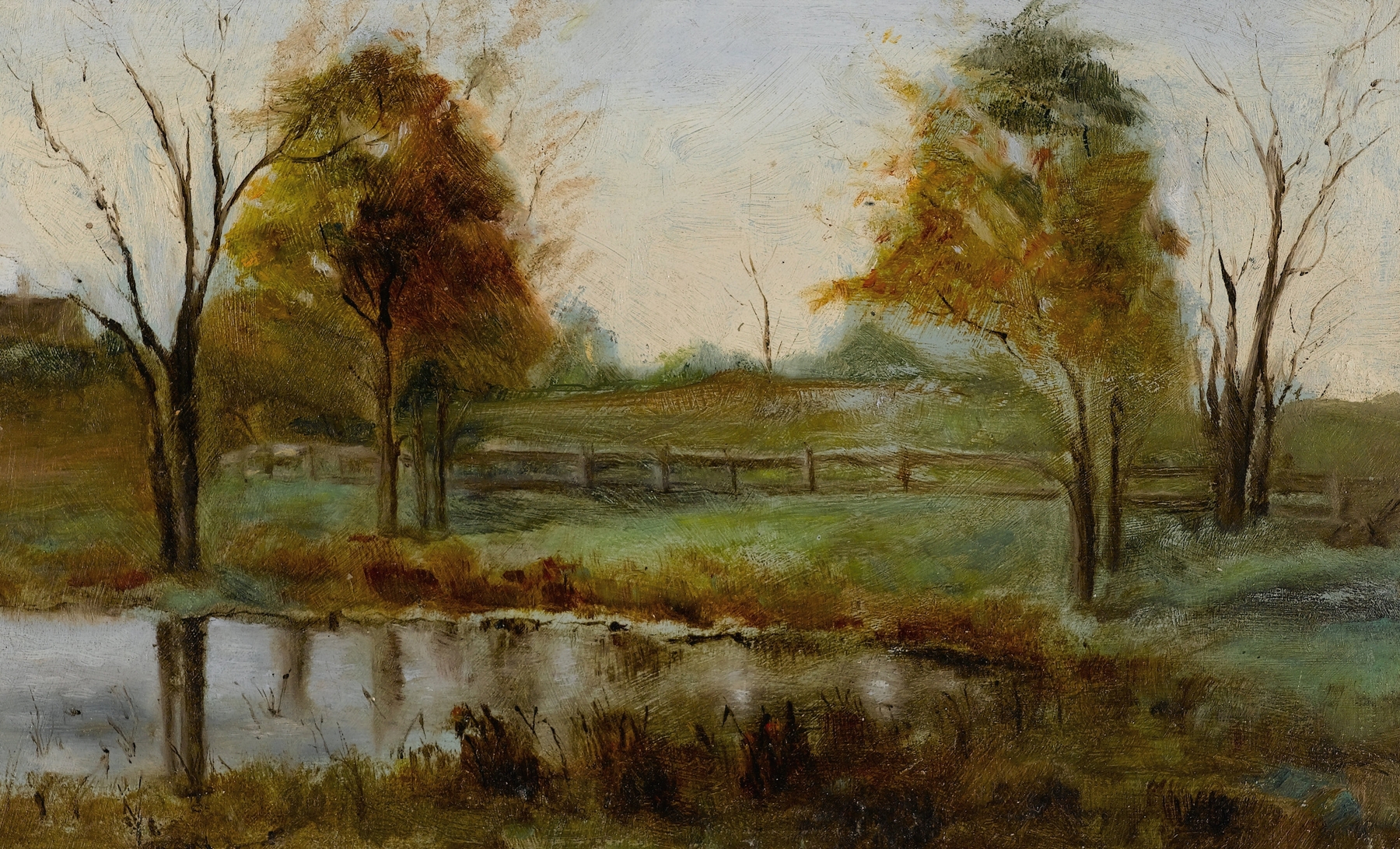
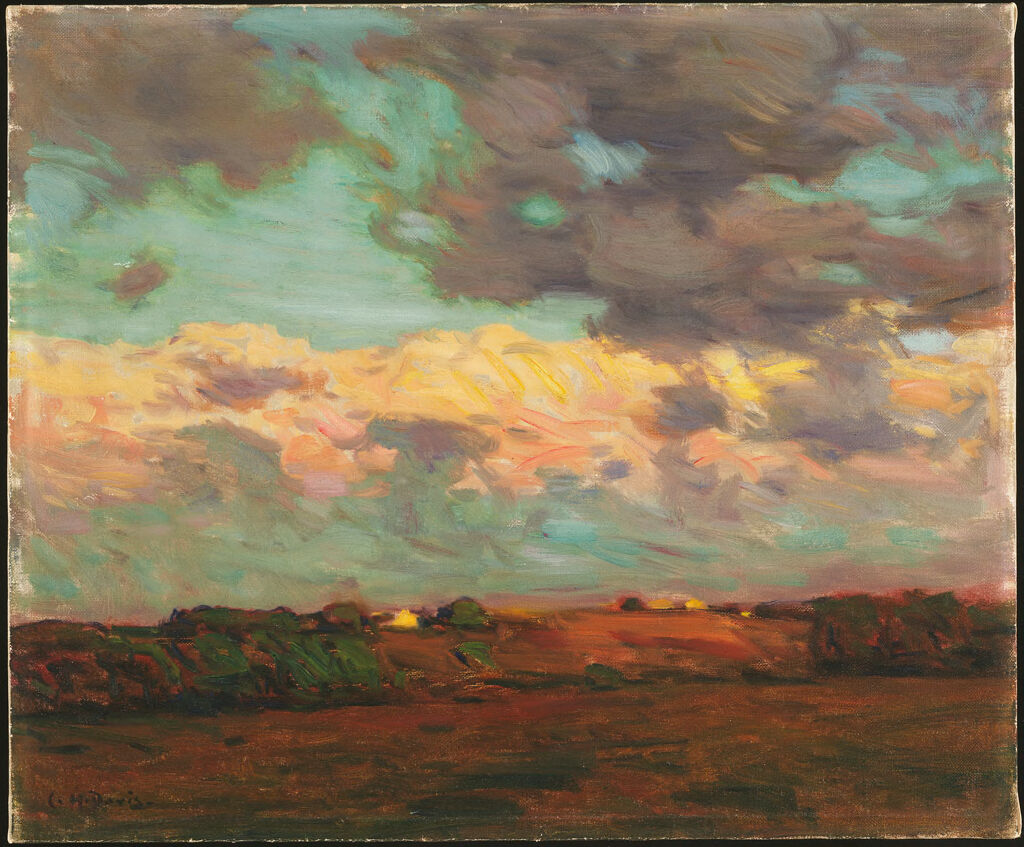
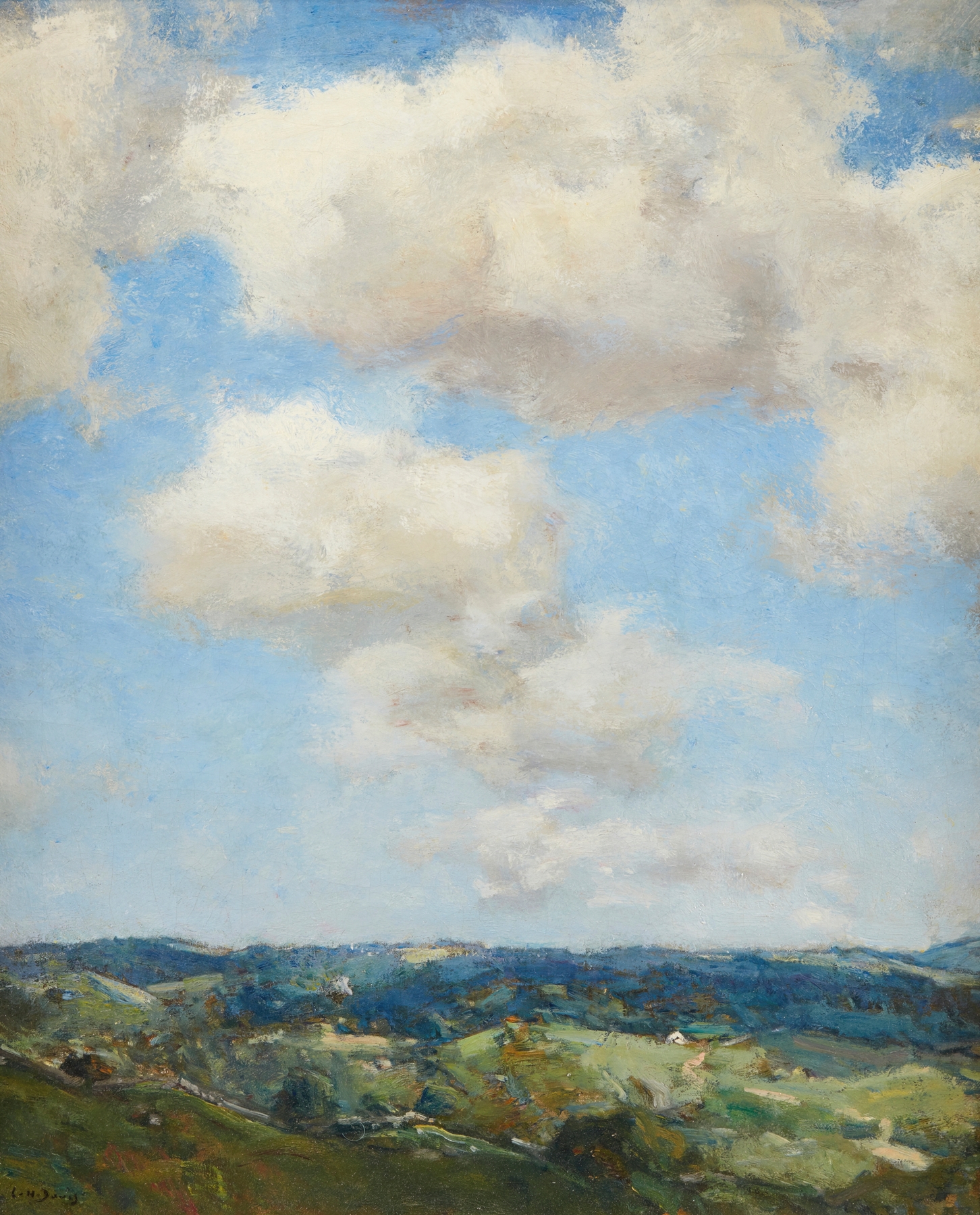
“Every silence here is a confession.” In a world ever consumed by the ticking clock, the quiet of a rural landscape holds secrets that time cannot erase. Here, nature stands as both witness and participant, each element whispering stories of moments both fleeting and eternal. Look to the left at the gentle curve of the hills, where the emerald greens and earthy browns blend harmoniously. The sunlight filters through soft clouds, casting a warm glow that brings life to the scene. Notice how the brushwork creates textures in the trees, their leaves seemingly rustling in an unseen breeze, while the foreground invites you to wander through the lush grass.
The horizon stretches wide, suggesting freedom and vastness, yet subtly anchored by the delicate details that draw your gaze deeper into the tranquil landscape. Beneath the serene surface, an undercurrent of nostalgia pulses. The interplay of light and shadow signifies the passage of time, where each moment feels sacred yet ephemeral. The rich colors evoke a sense of warmth and familiarity, while the isolated structure in the distance hints at human presence, inviting contemplation on our relationship with nature. There’s a tension between the stability of the land and the transience of our experiences within it, echoing the inevitable rhythm of life.
In 1905, the artist was immersing himself in the intricacies of American realism, painting from his studio in New York. This was a time of great change, with urbanization reshaping landscapes and lifestyles across the nation. Davis sought to capture the beauty and simplicity of rural life, a stark contrast to the burgeoning industrial world around him. His commitment to portraying the tranquil essence of nature reflected both his artistic vision and a deeper longing for connection with the past.