Lake Gardner — History & Analysis
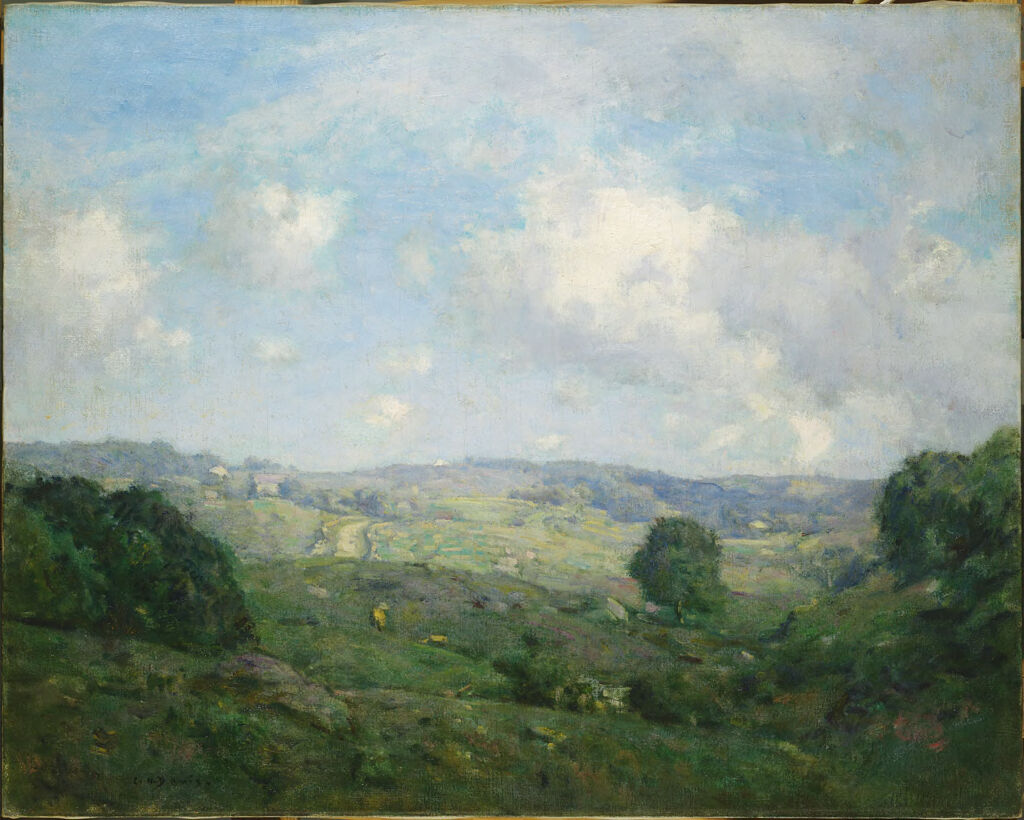
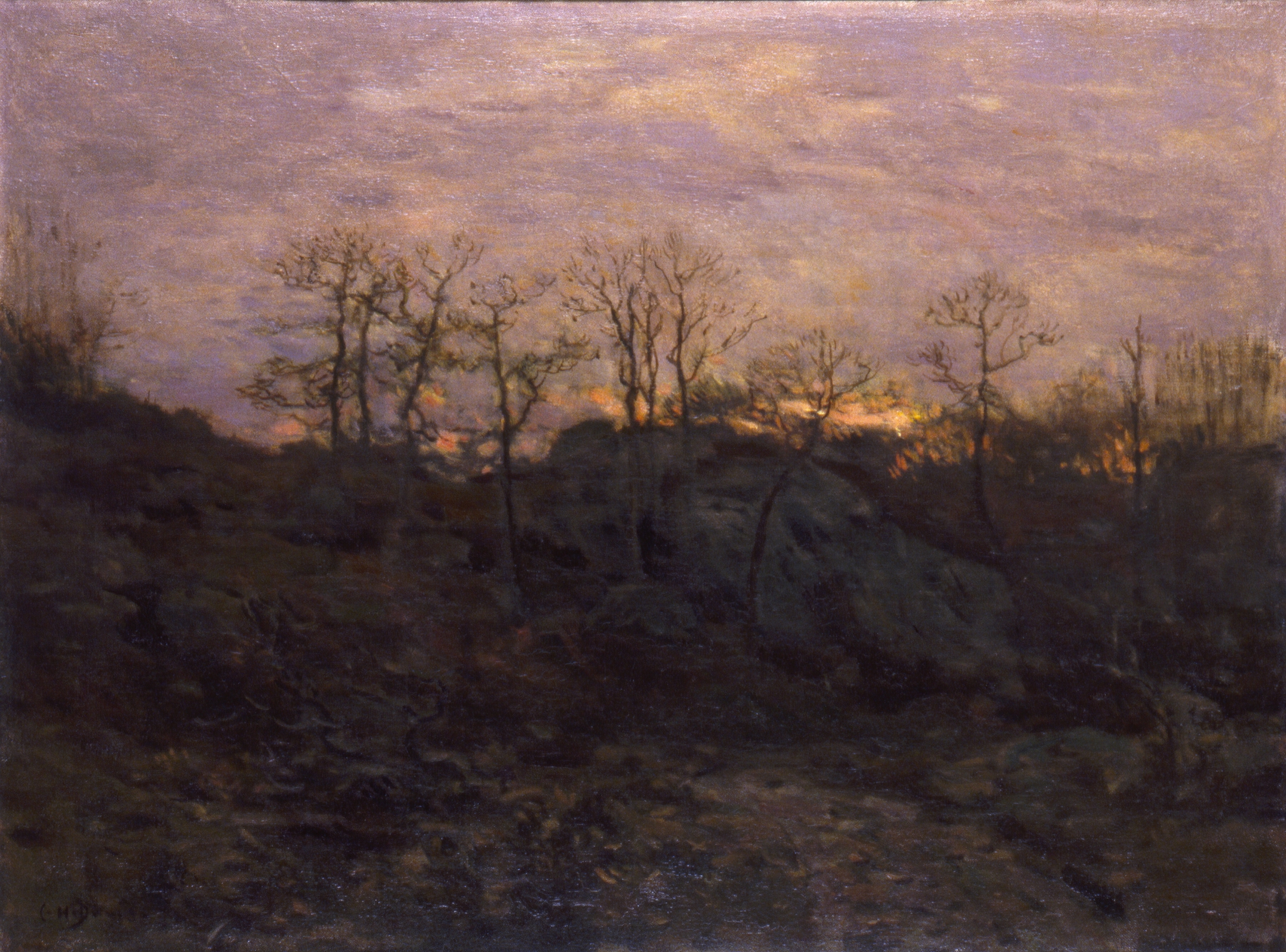
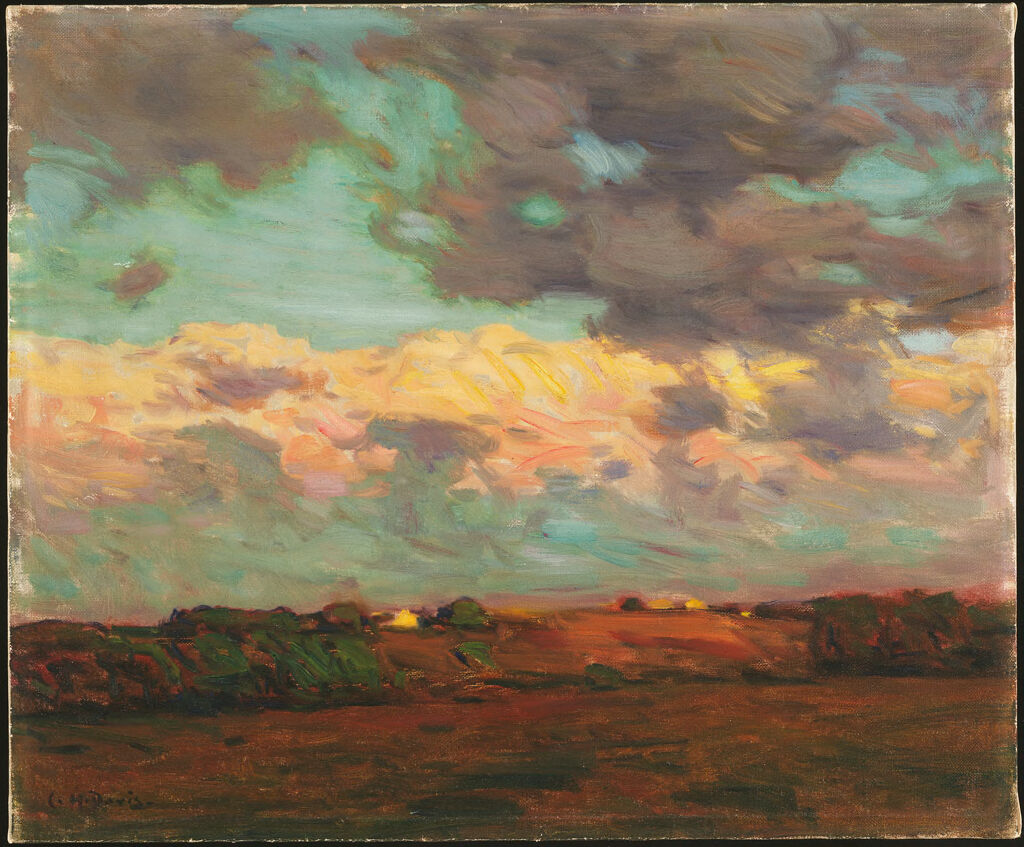
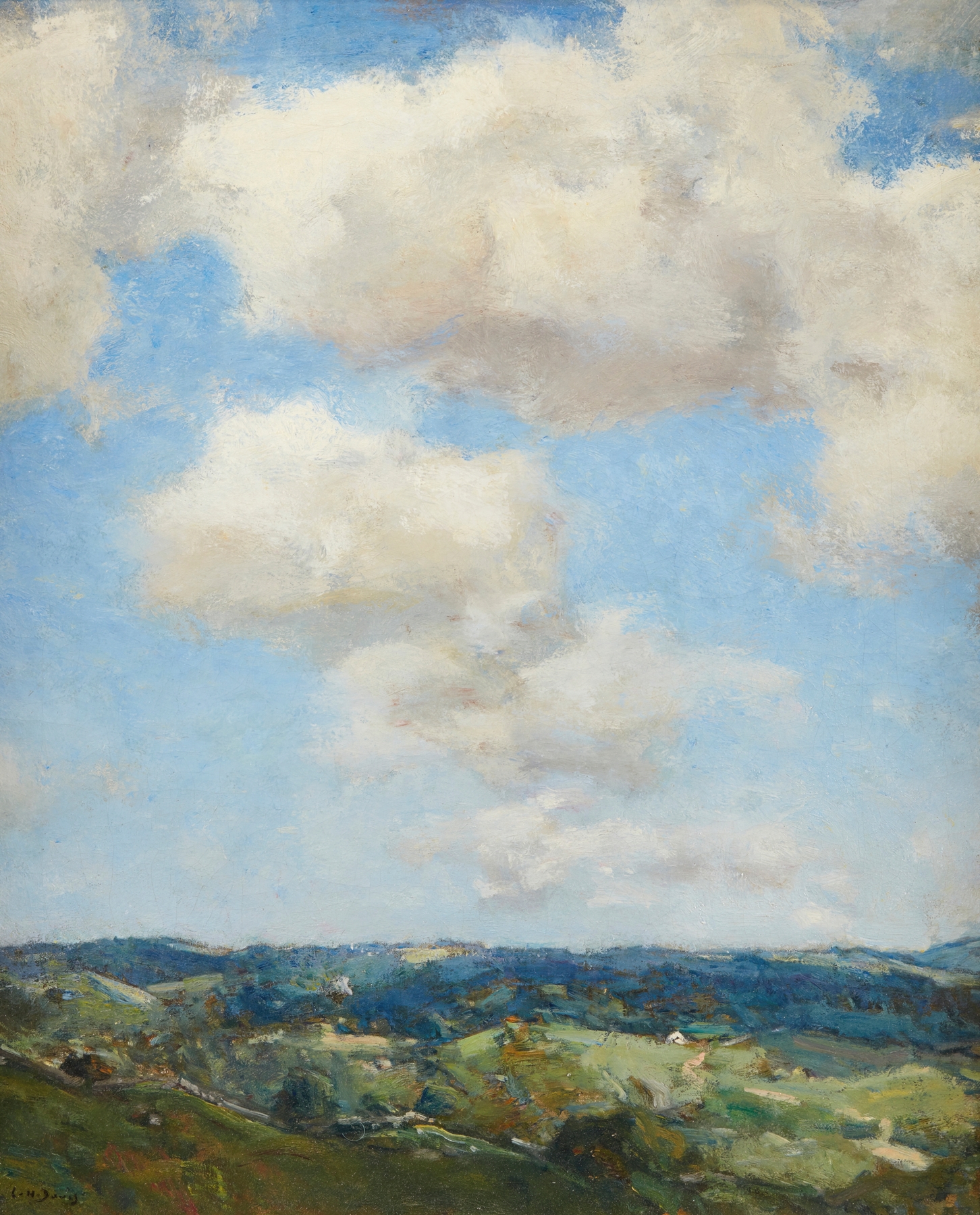
Can beauty exist without sorrow? In Lake Gardner, the delicate interplay of light and water beckons the viewer to ponder the fragile balance between innocence and the inevitability of loss. Look to the left at the gentle slope where the lush greenery meets the serene lake, the vibrant hues of emerald and turquoise blending seamlessly. The soft caress of sunlight dances upon the water's surface, a shimmering mirror reflecting the pastel sky.
The artist employs soft brushstrokes, creating a sense of tranquility while subtly indicating movement through the ripples, inviting the viewer to feel the coolness of the water and the warmth of the sun. Yet beneath this idyllic scene lies a deeper narrative. The contrast between the serene waters and the craggy rocks at the shoreline hints at the tension between peace and disruption. The striking juxtaposition of light and shadow reveals the fleeting nature of beauty, as the ephemeral moment captured signifies both the joy of existence and the ache of what will inevitably fade.
Each element whispers of innocence, forever intertwined with an undercurrent of melancholy. Charles Harold Davis painted Lake Gardner in 1878, a period marked by burgeoning American Impressionism. During this time, artists sought to capture fleeting moments and the effects of light in their surroundings. Davis, based in New York, was influenced by the artistic currents of the day, channeling his experiences into this tranquil landscape, reflecting both the aesthetic trends of his contemporaries and a personal yearning for beauty amidst life’s sorrows.