Coucher De Soleil À Venise — History & Analysis
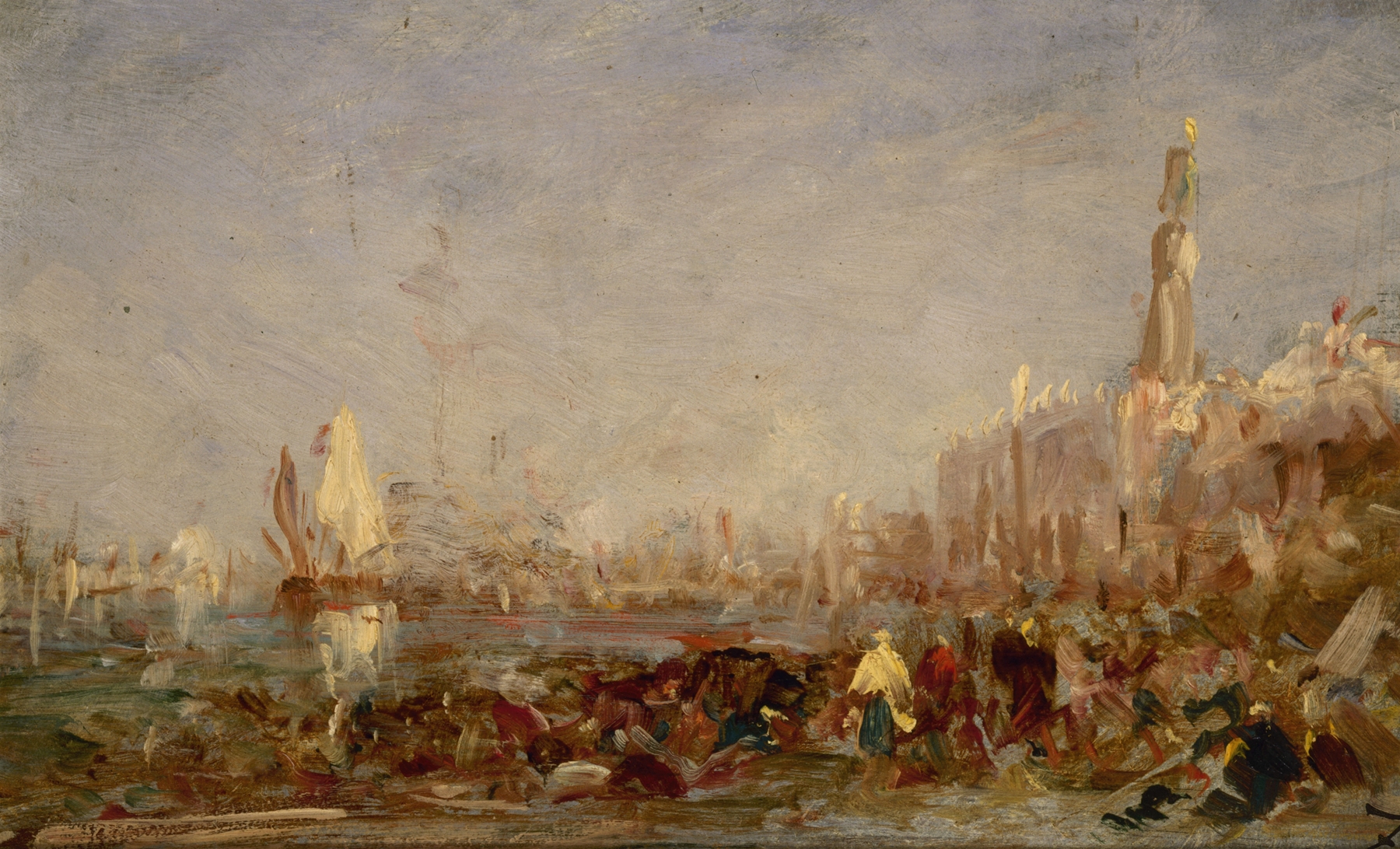
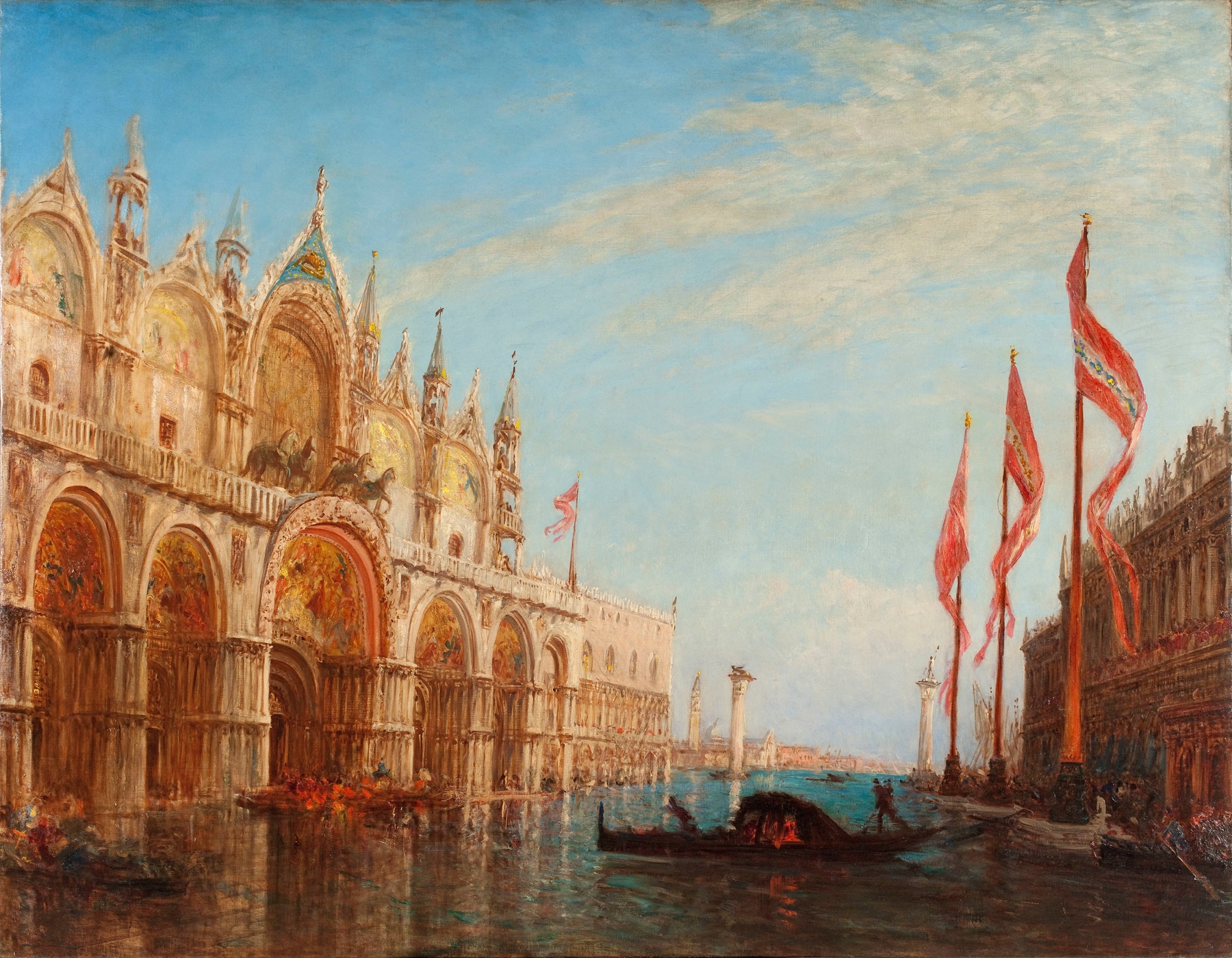
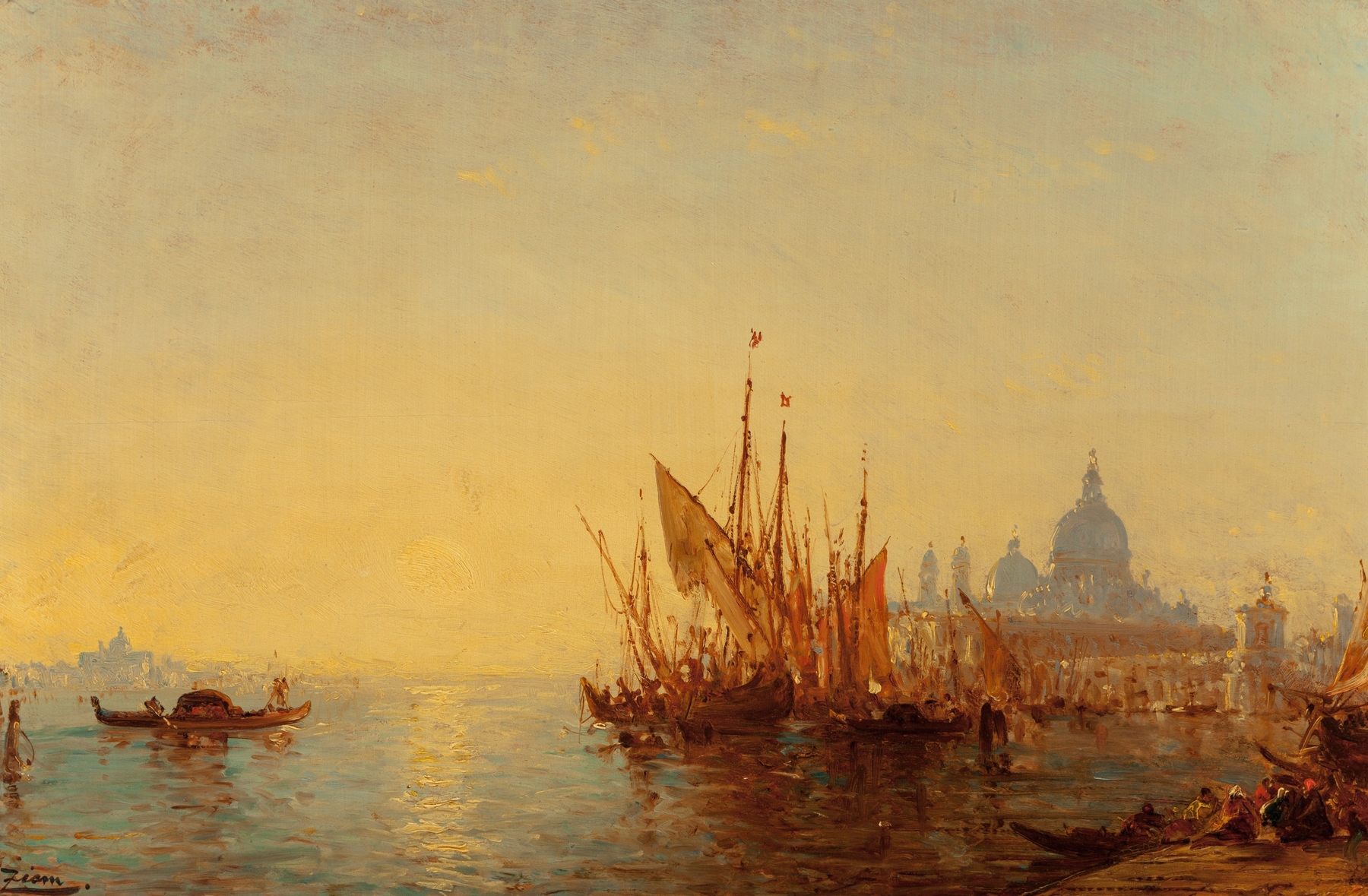
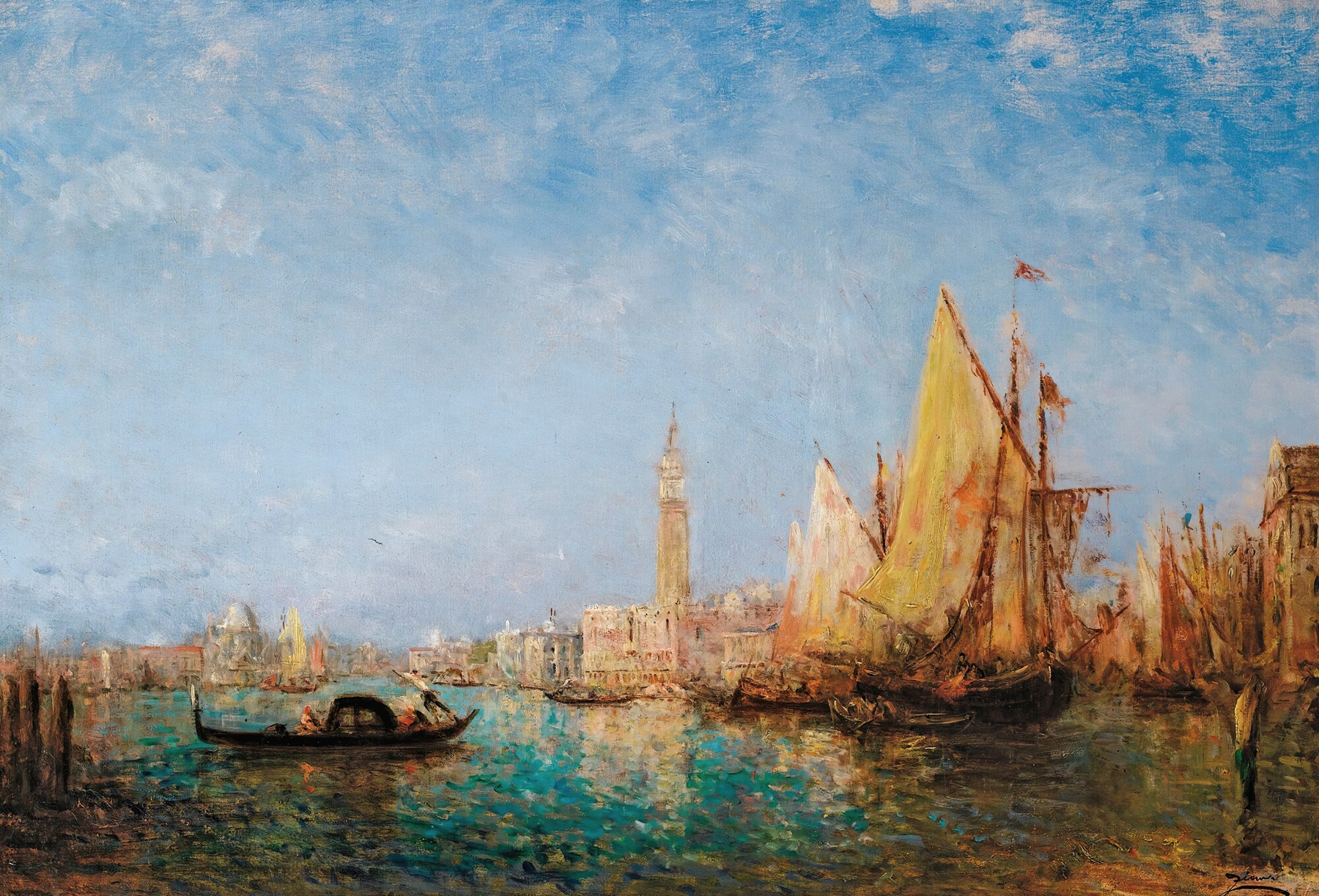
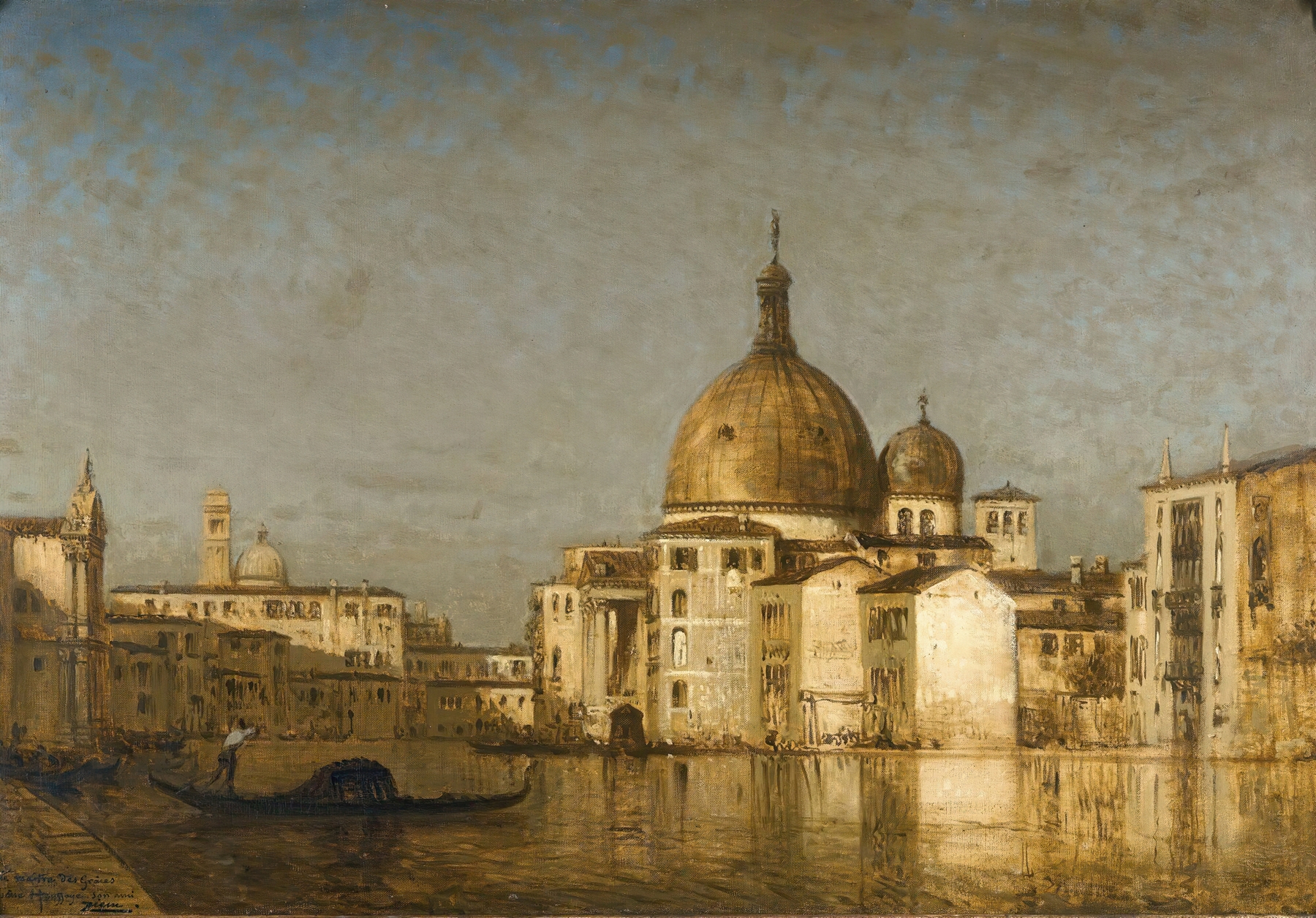
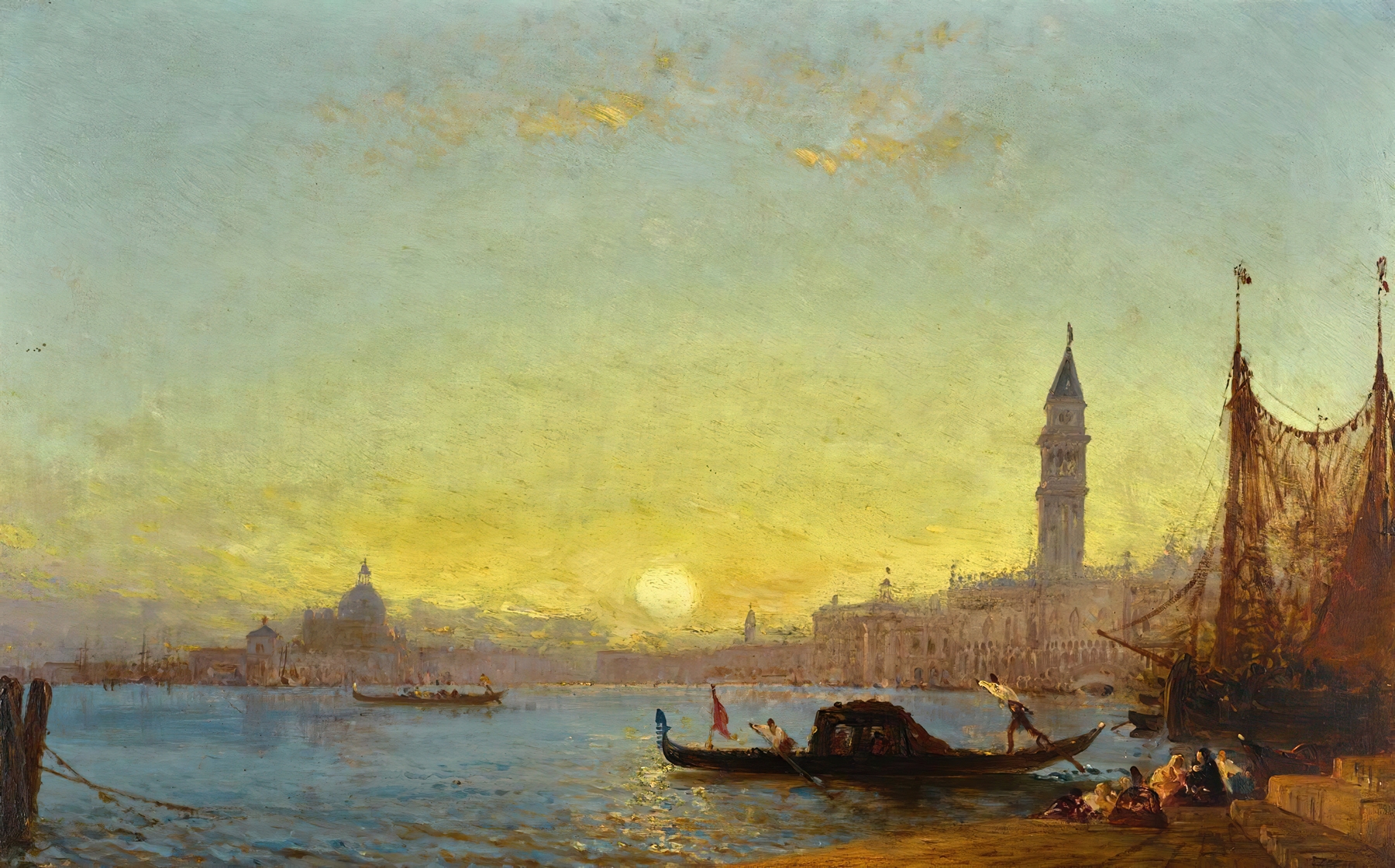
“To paint is to remember what time wants us to forget.” In the glowing embrace of twilight, beneath the whisper of the Venetian sky, a deep yearning stirs, suspended between moments lost and those yet to come. Look to the horizon, where the sun dips into the shimmering waters of the lagoon, casting a fiery palette of oranges and pinks over the tranquil scene. The reflections dance delicately on the surface, mirroring the sky's brilliance. Notice how the light captures the soft contours of the city’s iconic architecture, both inviting and melancholic, as they meld into shadows.
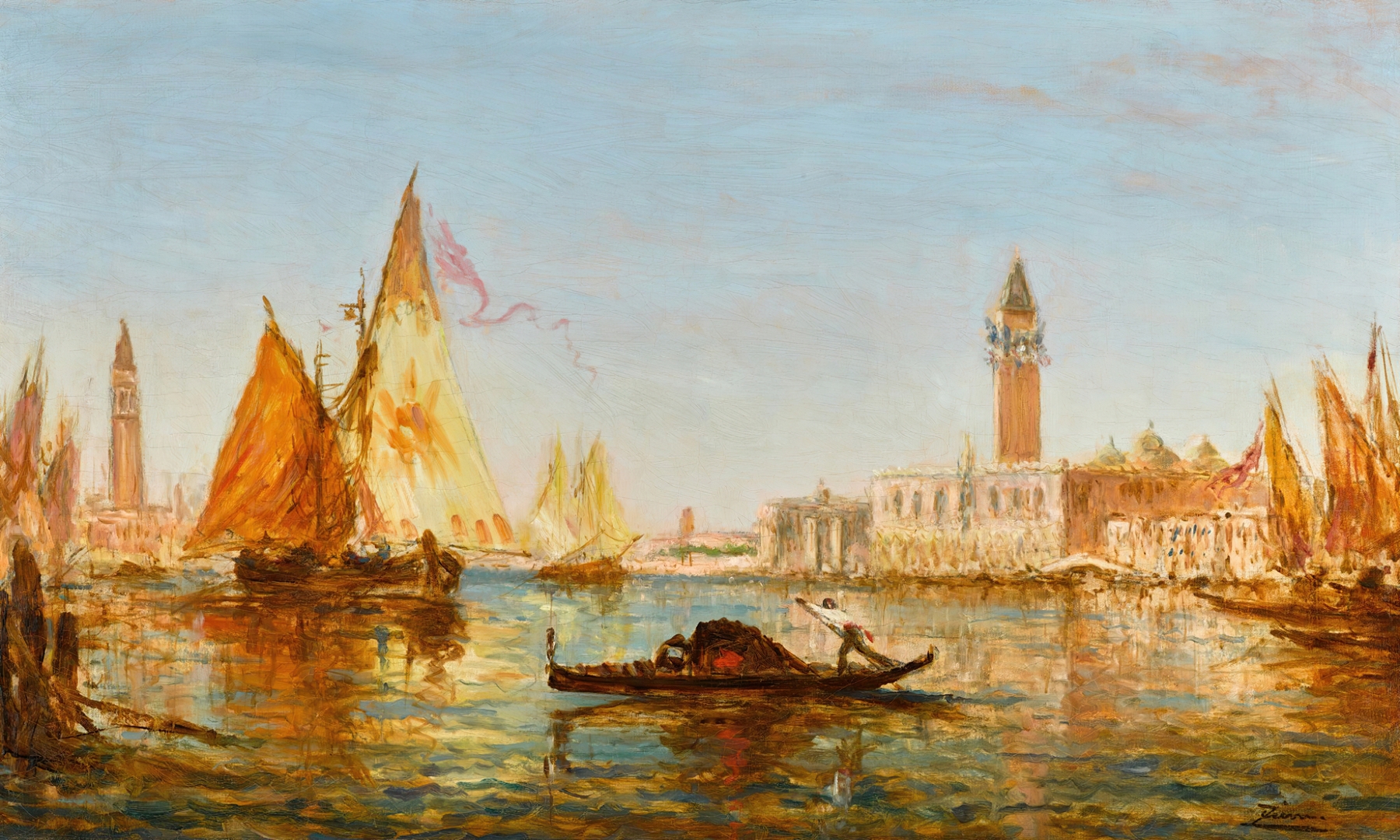
The brushwork is fluid yet deliberate, immersing the viewer in an ethereal landscape that blurs the boundaries of reality. The artwork reveals a tension between the vibrancy of life and the inevitability of time’s passage. The rich colors evoke a sense of nostalgia, hinting at memories intertwined with the fleeting nature of beauty. Hidden within the layered strokes are the stories of countless souls who walked these cobbled streets, suggesting that each sunset is a reminder of both the splendor and transience of existence.
This duality creates an emotional resonance that invites introspection, urging viewers to confront their own moments of longing. Félix Ziem painted this work during a period in which he embraced the luminous qualities of the Venetian landscape, likely in the late 19th century. At that time, he was establishing himself as a prominent landscape artist, capturing the romance of Venice amidst the broader context of Impressionism’s rise. His experiences in this vibrant city, filled with artistic inspiration and personal exploration, profoundly influenced his innovative approach to color and light, making works like this a testament to his vision.