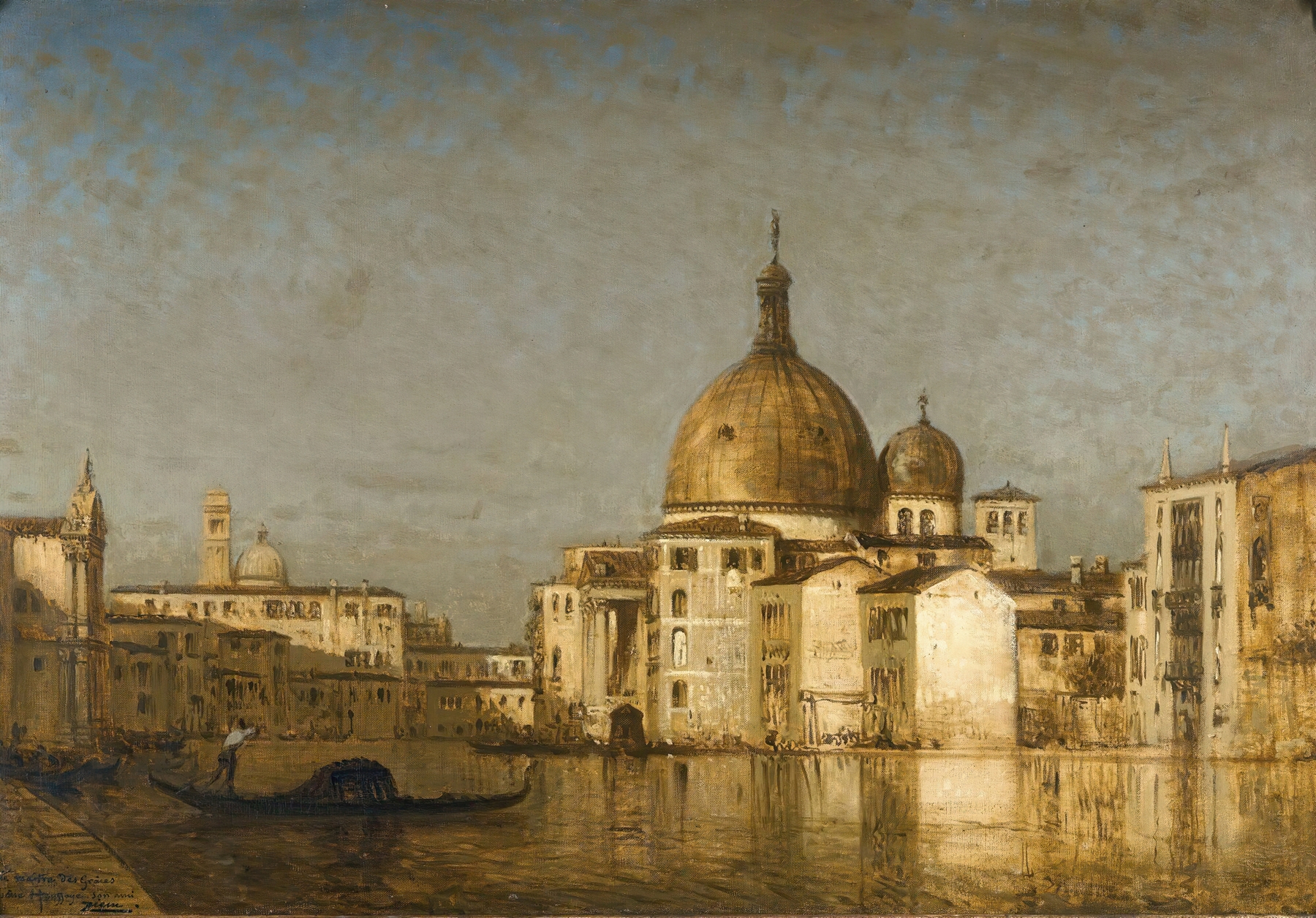
San Simeone Piccolo Au-Delà Du Grand Canal, Venis — History & Analysis
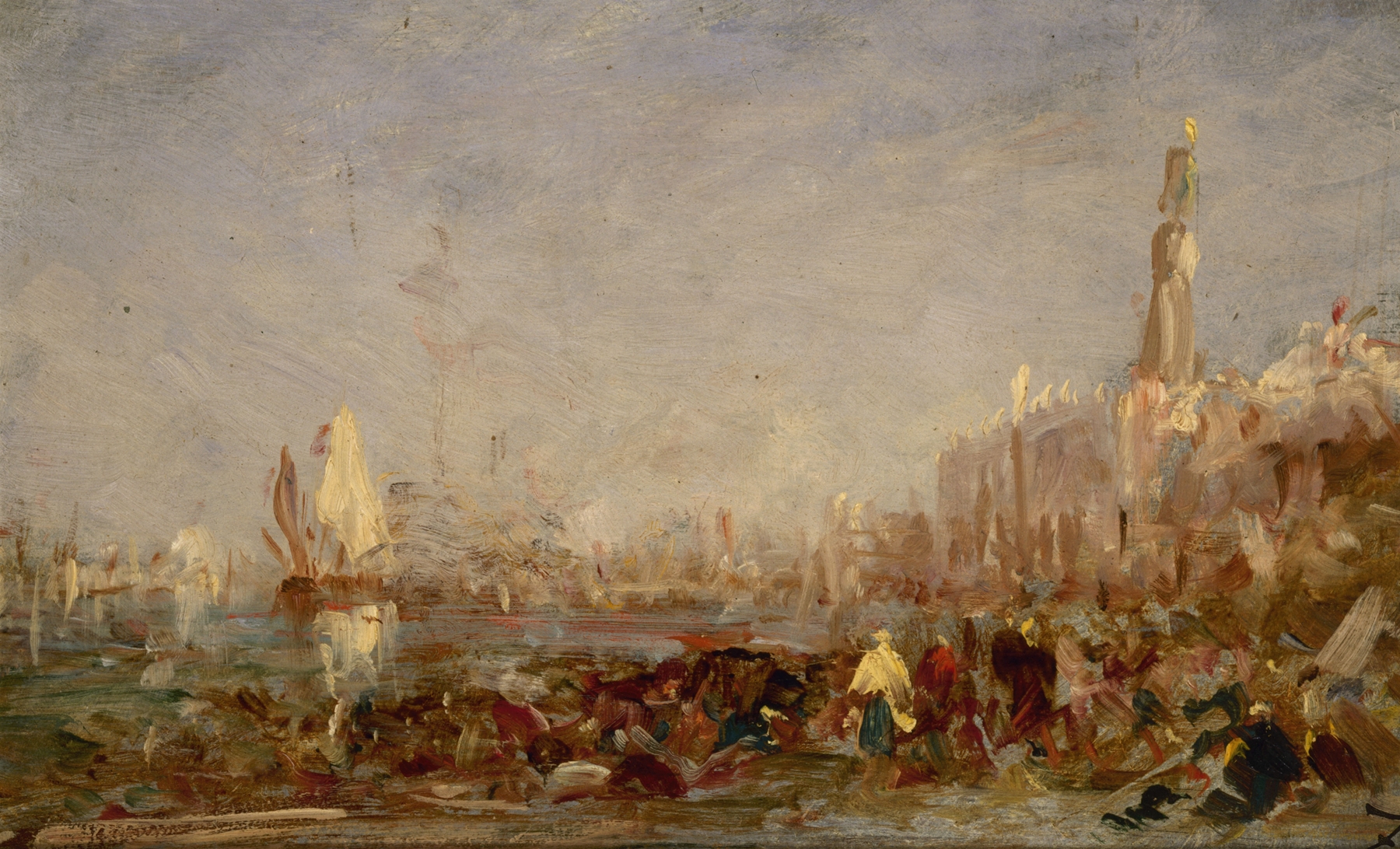
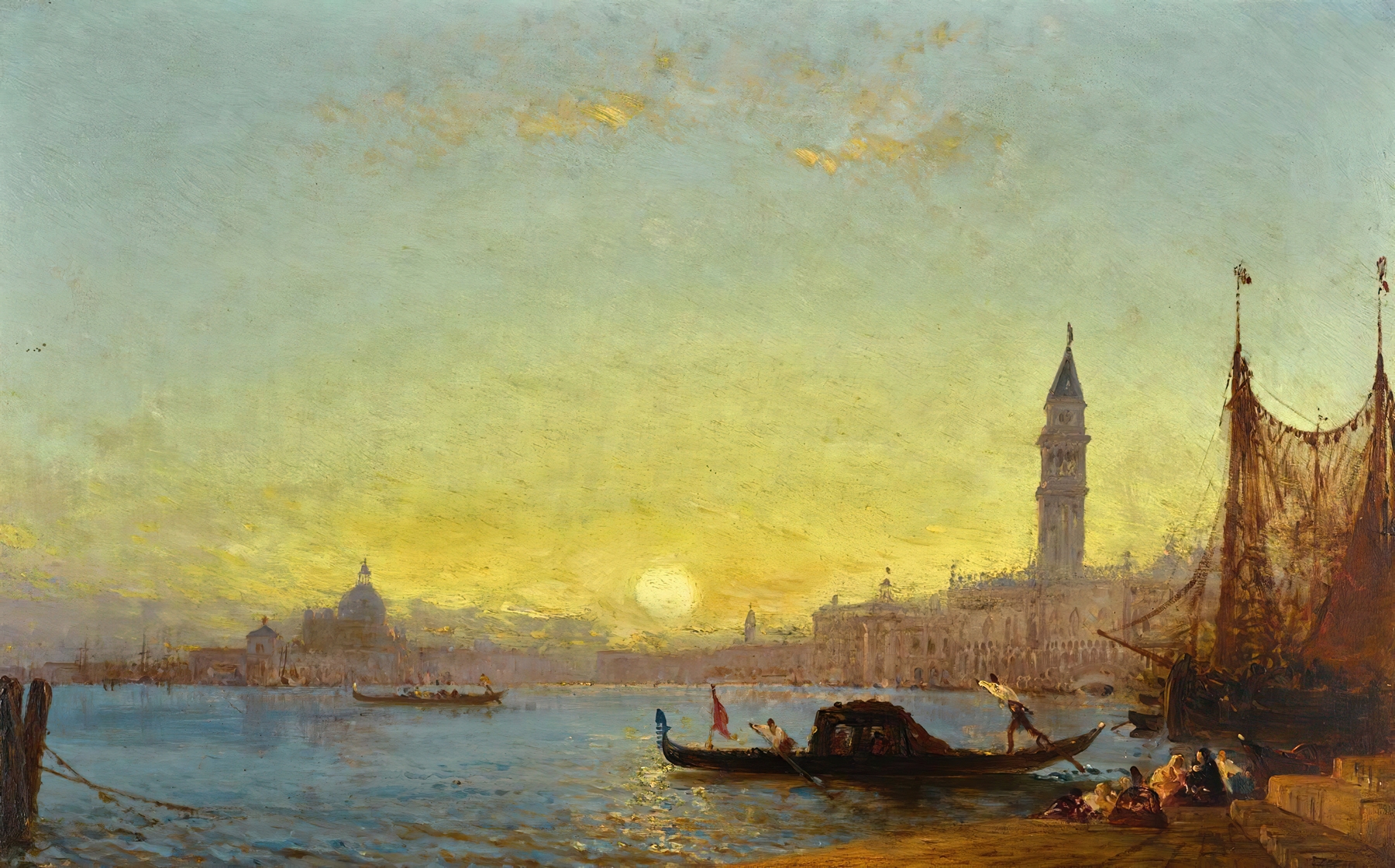
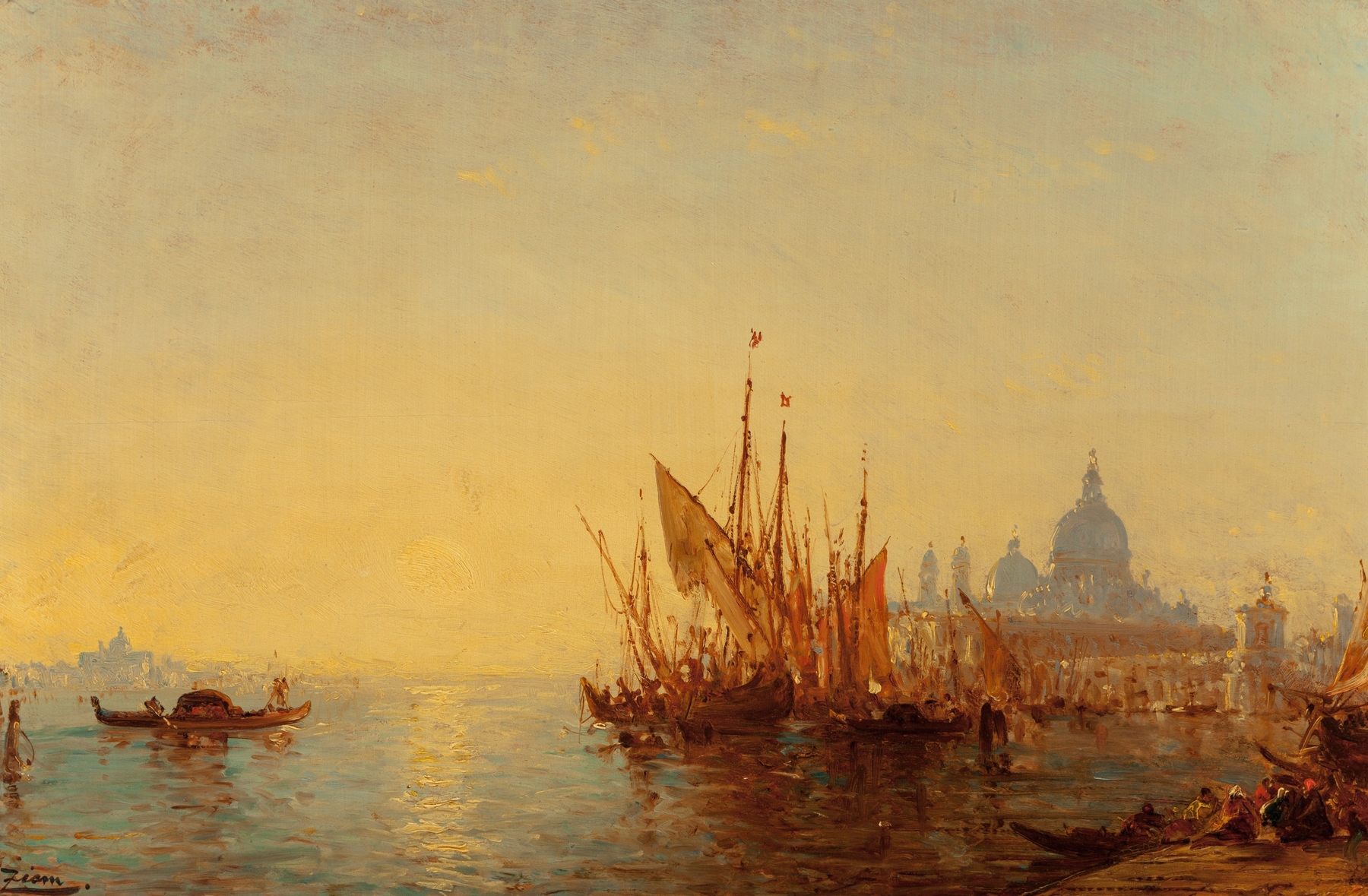
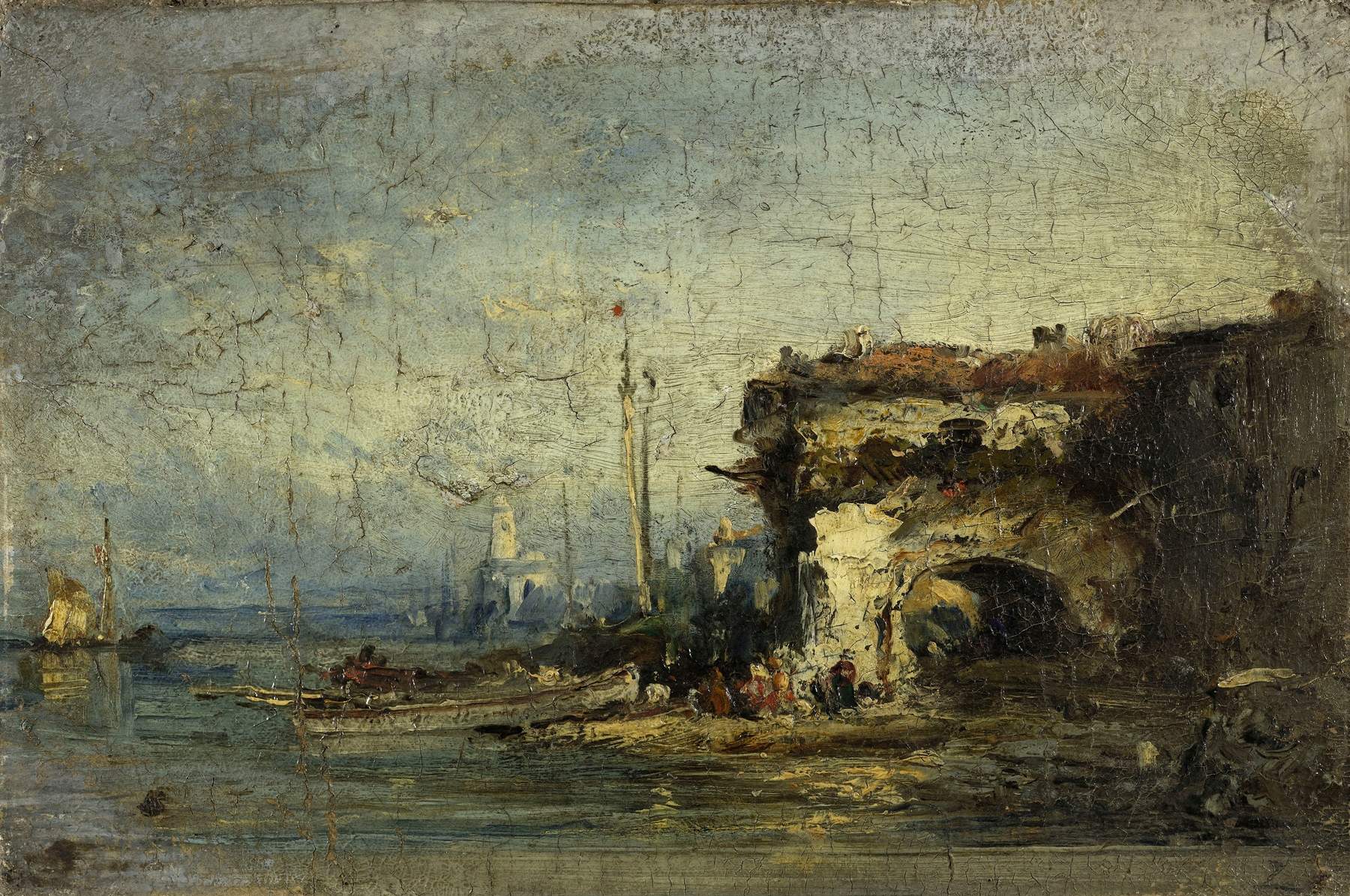
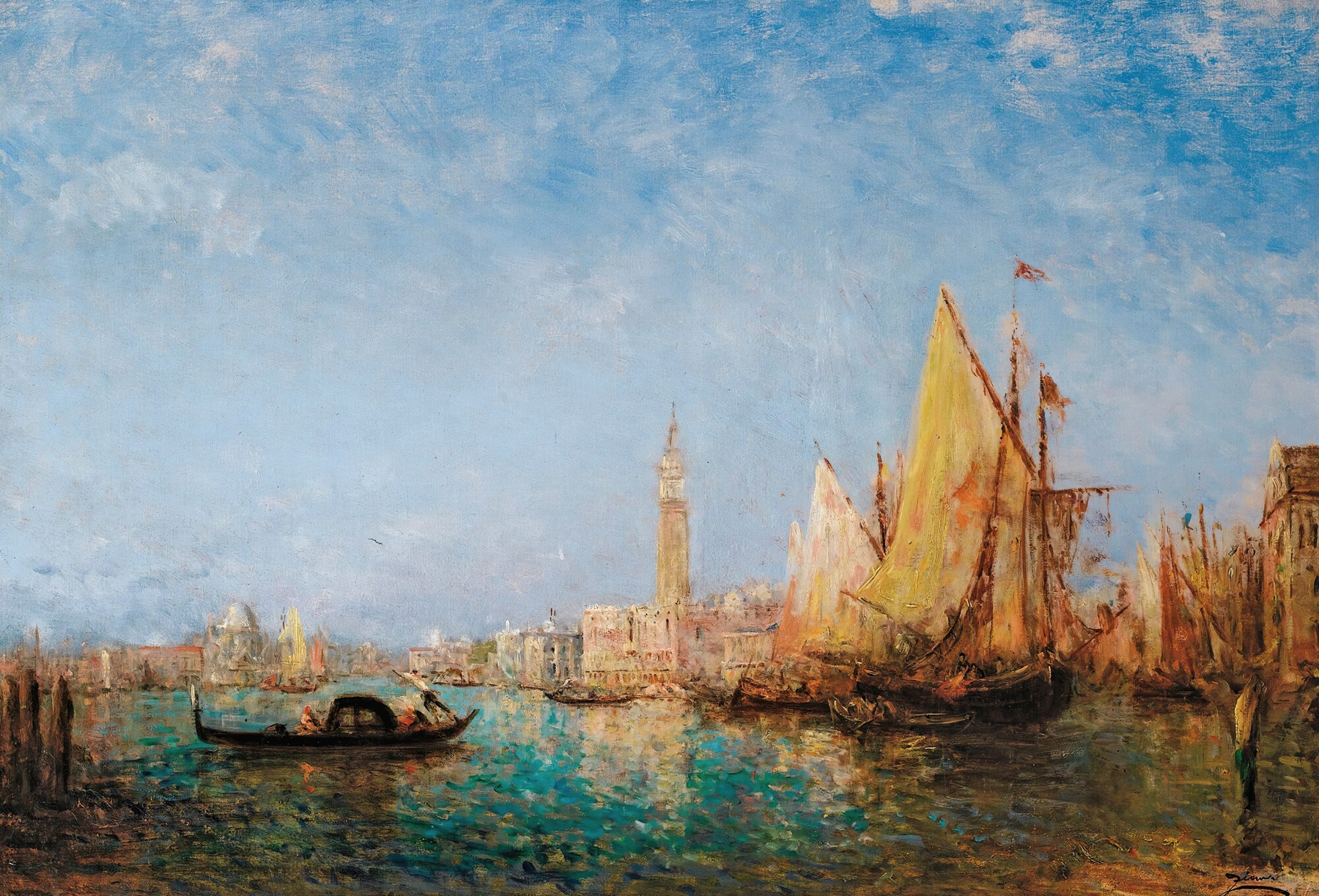
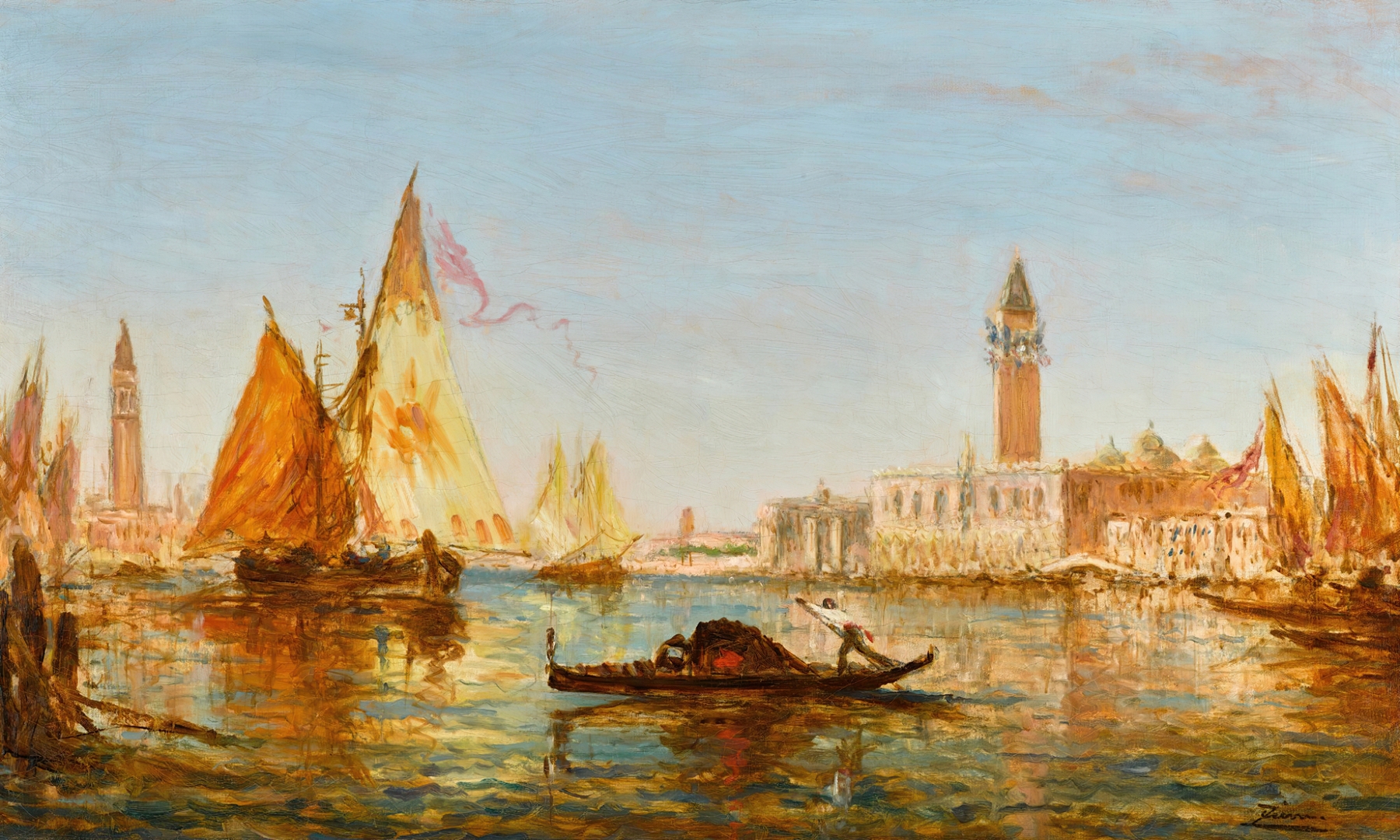
“The canvas doesn’t lie — it simply waits.” In the hushed stillness of a once-vibrant city, the echoes of laughter and the trampling of feet drift like distant memories, weighed down by the heaviness of loss. Here, in this captured moment, time feels suspended, and the heart lingers in the spaces between what was and what remains. Look to the right at the gentle curve of the canal, where the soft blues and greens blend harmoniously, leading the eye toward the iconic dome of San Simeone Piccolo. Notice how the light illuminates the building’s façade, casting a serene glow that contrasts with the deeper shadows of the water below.
The delicate brushwork captures the rippling surface, mirroring the serenity and melancholy of the scene, while a muted palette evokes a sense of nostalgia for what has faded. Beneath the surface simplicity lies a complex interplay of emotion and memory. The juxtaposition of the tranquil structure against the fluid movement of the water speaks to the transience of life and the impermanence of beauty. The absence of figures magnifies the sense of solitude, inviting viewers to ponder the stories untold, the echoes of life that have long since receded from the vibrant canal.
Each stroke tells of a city once bustling, now resting in gentle silence, inviting reflection on the inevitability of change. Félix Ziem painted this piece during a period when the art world was shifting, embracing new styles and ideas. While the exact date remains uncertain, it’s believed to have been created in the mid-to-late 19th century, a time when the artist was captivated by the enchanting landscapes of Venice. Amidst the rise of Impressionism, Ziem found his voice in capturing the atmospheric qualities of his surroundings, evoking both beauty and melancholy in a city steeped in history and loss.