Une Rue À Florence — History & Analysis
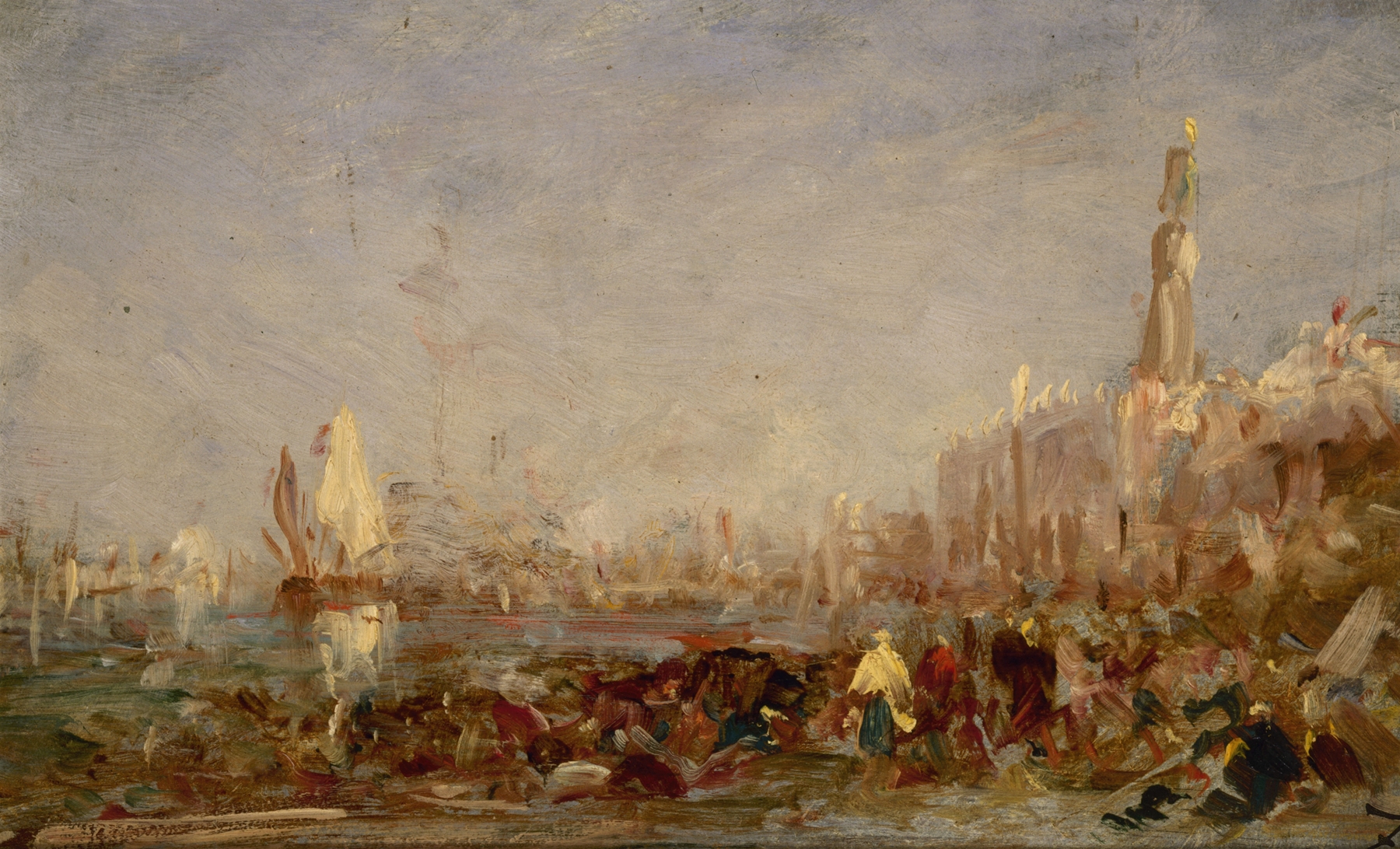
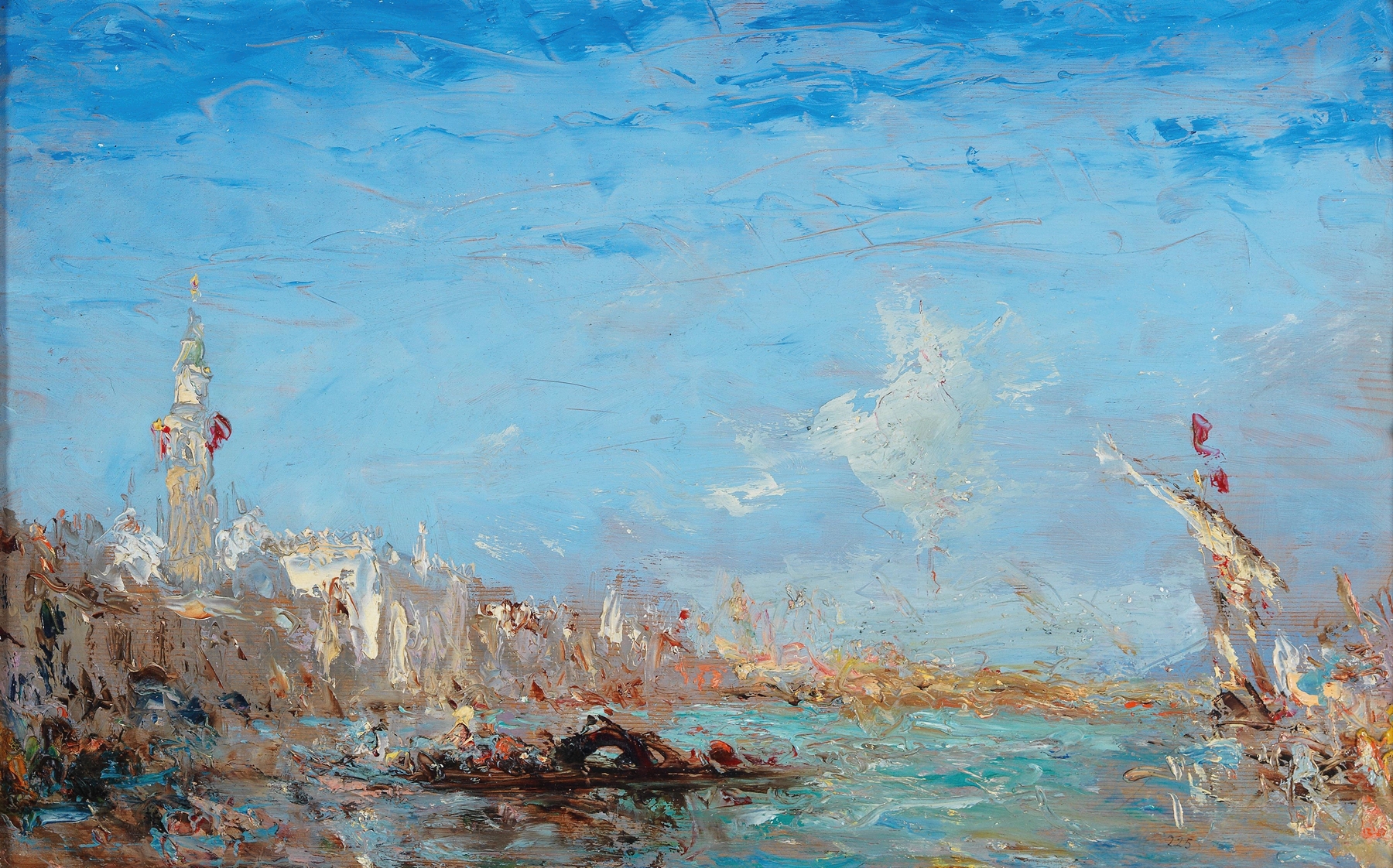
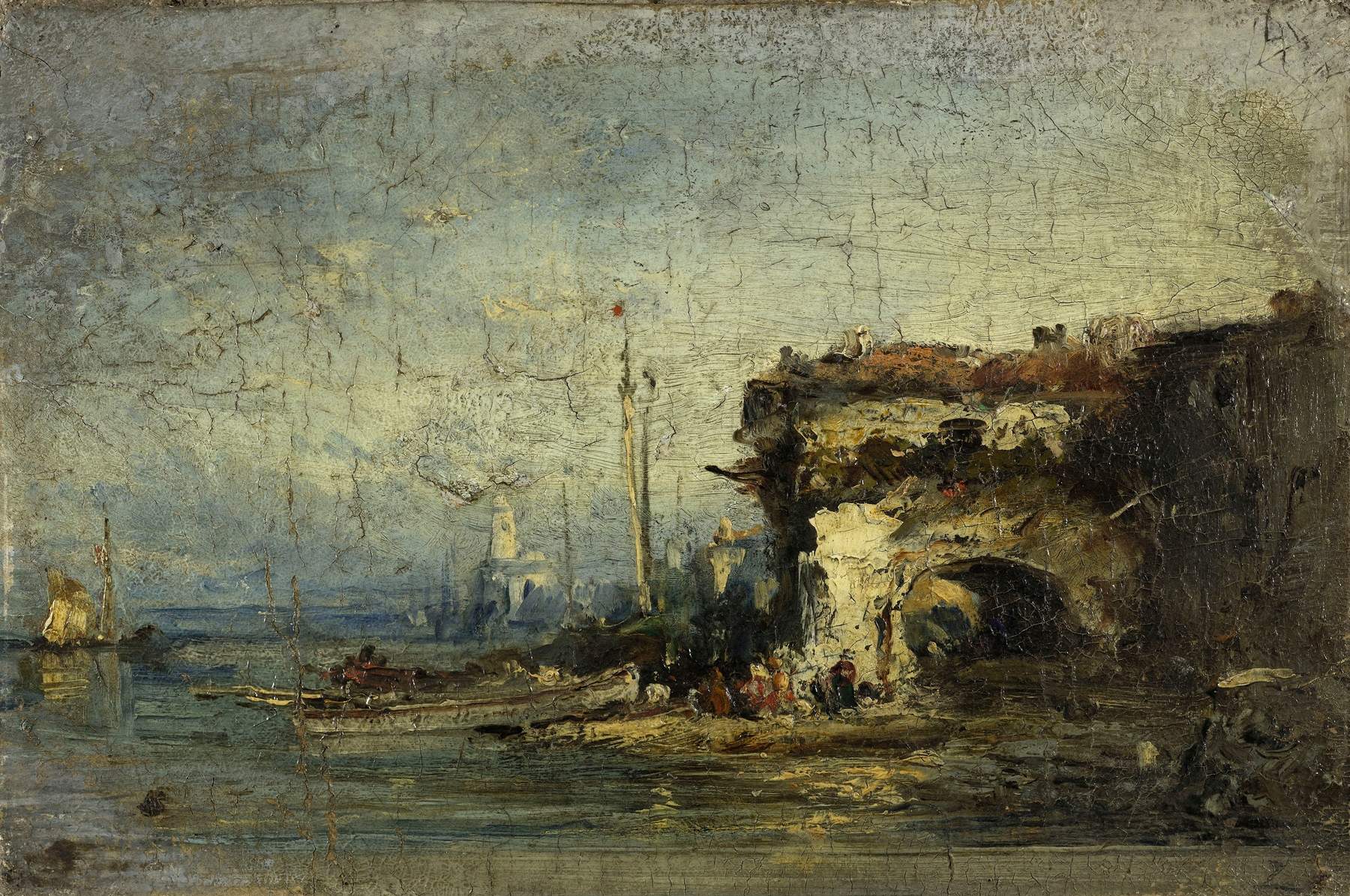
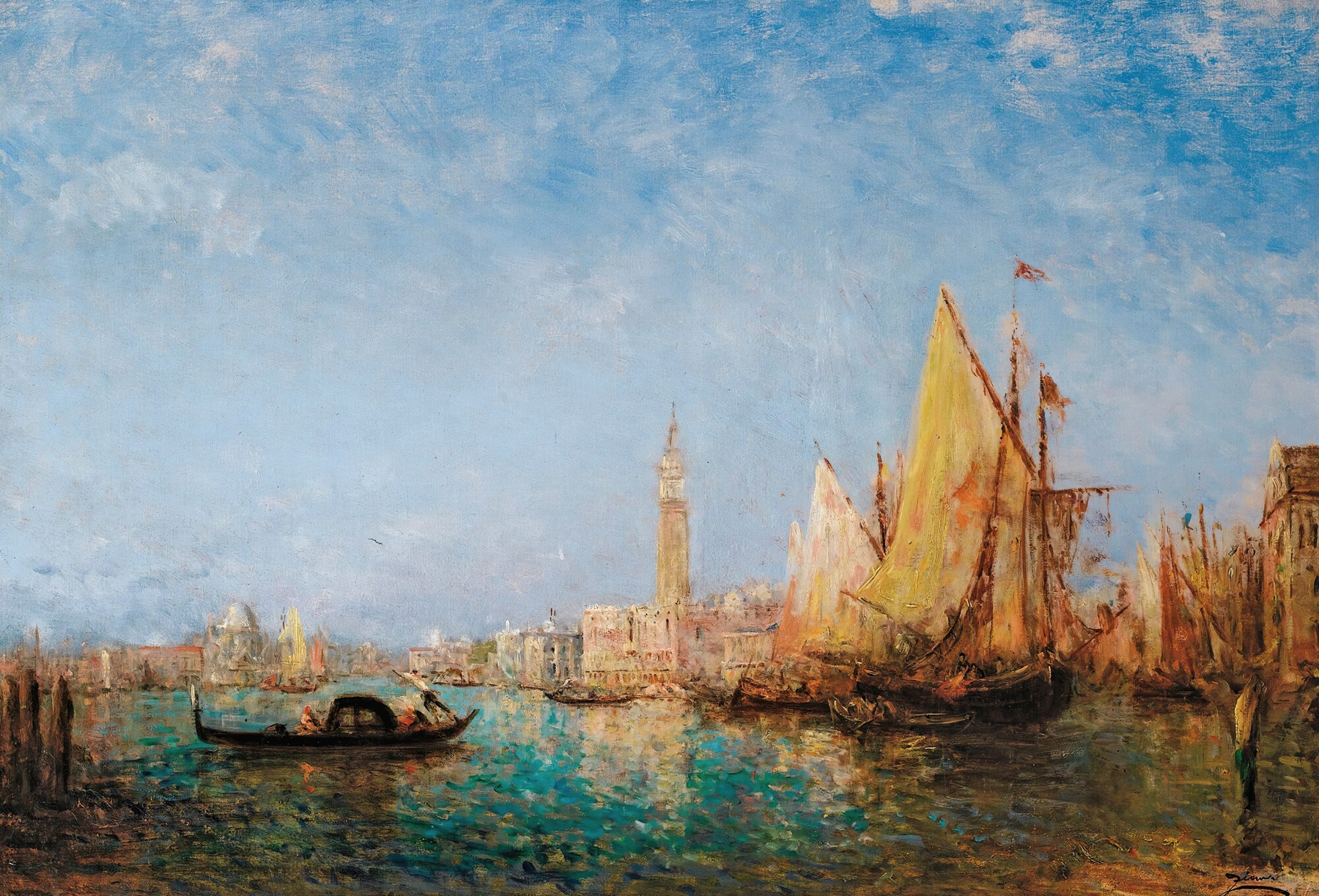
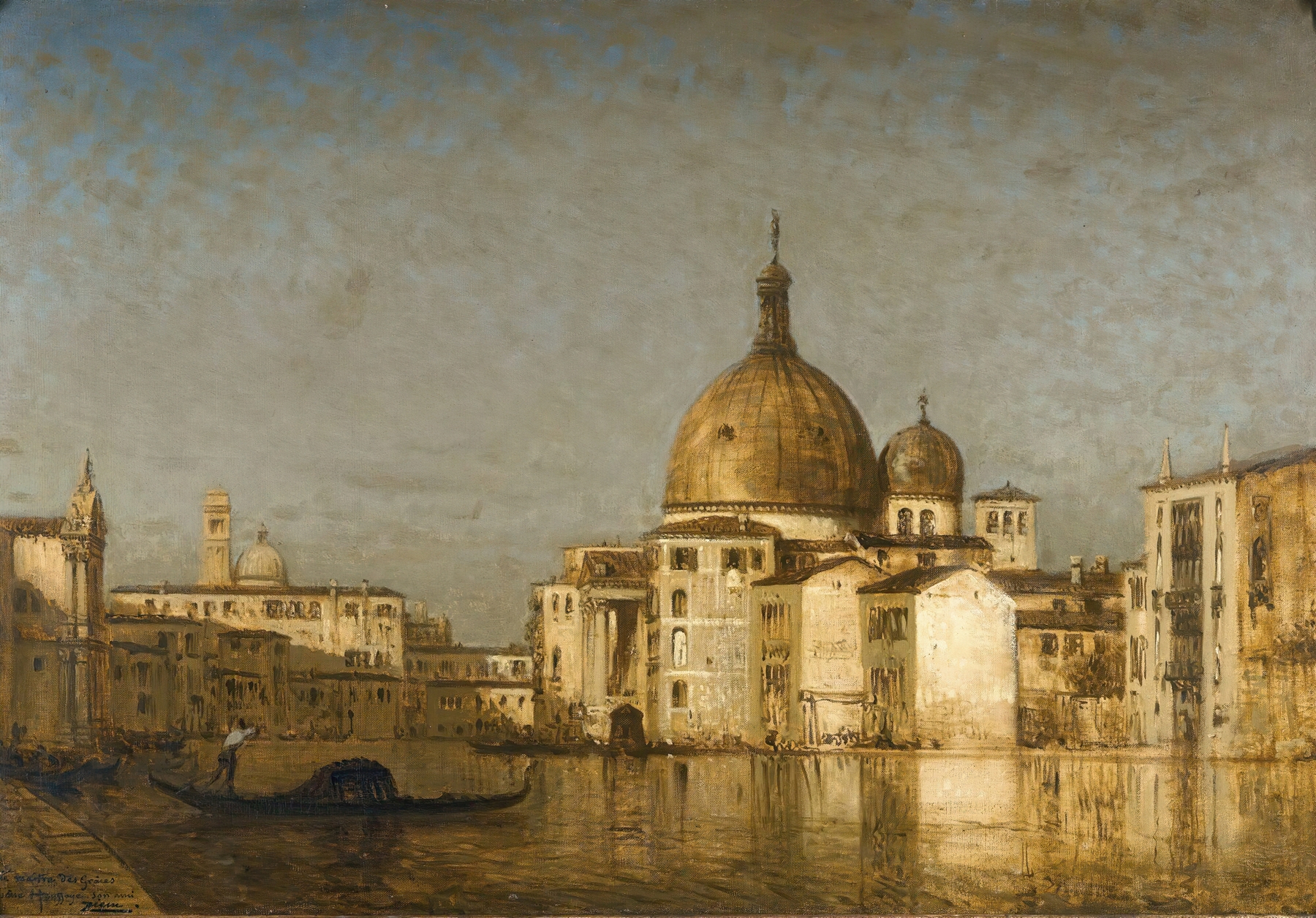
“Every silence here is a confession.” In Une Rue À Florence, a quiet longing resonates through the cobblestone streets, where every shadow holds a story untold. The viewer is drawn into a moment frozen in time, inviting contemplation of what lies behind those weathered walls. Focus on the interplay of light and shade, particularly how it delicately caresses the facades of the buildings. Notice the warm hues of ochre and soft blues that breathe life into the scene, painting a vivid picture of Florence.
The perspective leads the eye down the narrow street, creating an intimate feel as if one could step into the painting. Ziem’s brushwork, smooth yet expressive, captures the essence of the city, exuding both charm and melancholy. Within this tranquil setting, subtle contrasts emerge. The vibrancy of the bustling street life seems to echo from the past, while the empty alley suggests untold stories of love and loss.
The juxtaposition of light against shadow reflects a longing for connection, a desire to uncover the secrets that linger in this historic place. Each corner and archway hints at the emotional weight carried by its inhabitants, inviting deeper reflection on what may have transpired here. Painted between 1846 and 1847, the work encapsulates Ziem's exploration of architectural beauty and atmospheric depth during a time of growing interest in realism and the plein air movement. Living in Paris while frequently traveling to Italy, Ziem was influenced by both the Romantic and academic styles of the period, striving to depict the enchanting qualities of the Italian landscape and culture.