Constantinople — History & Analysis
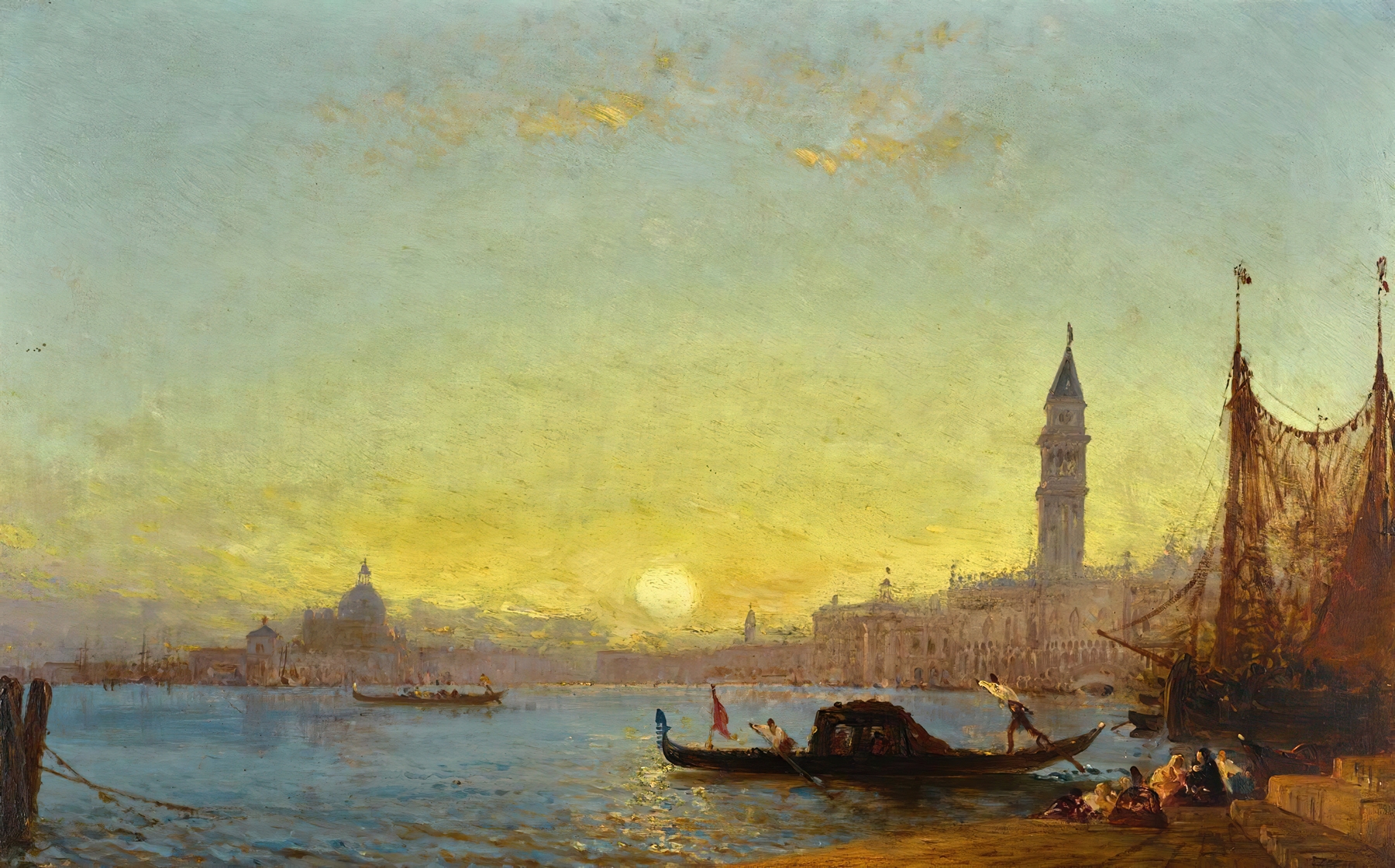
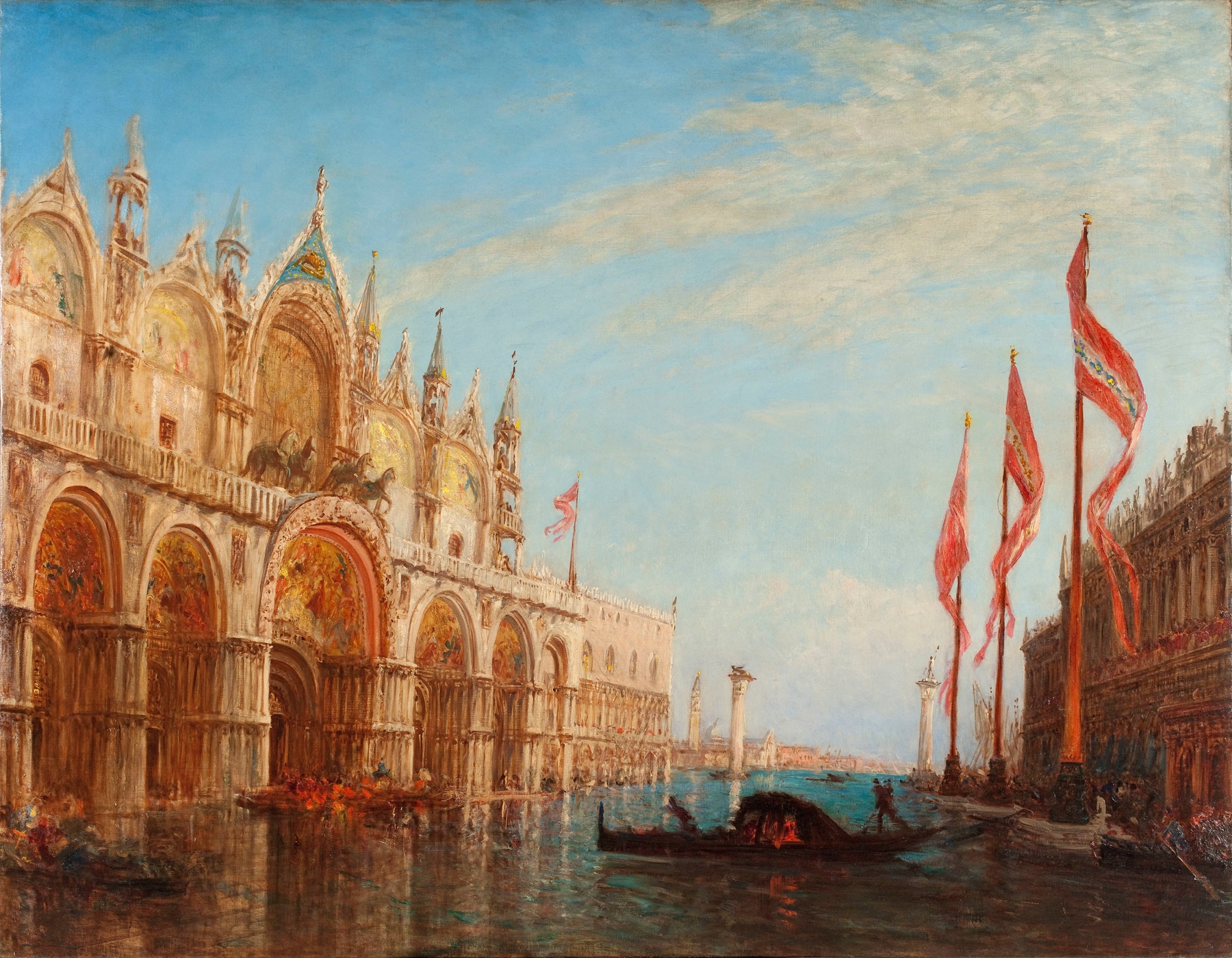
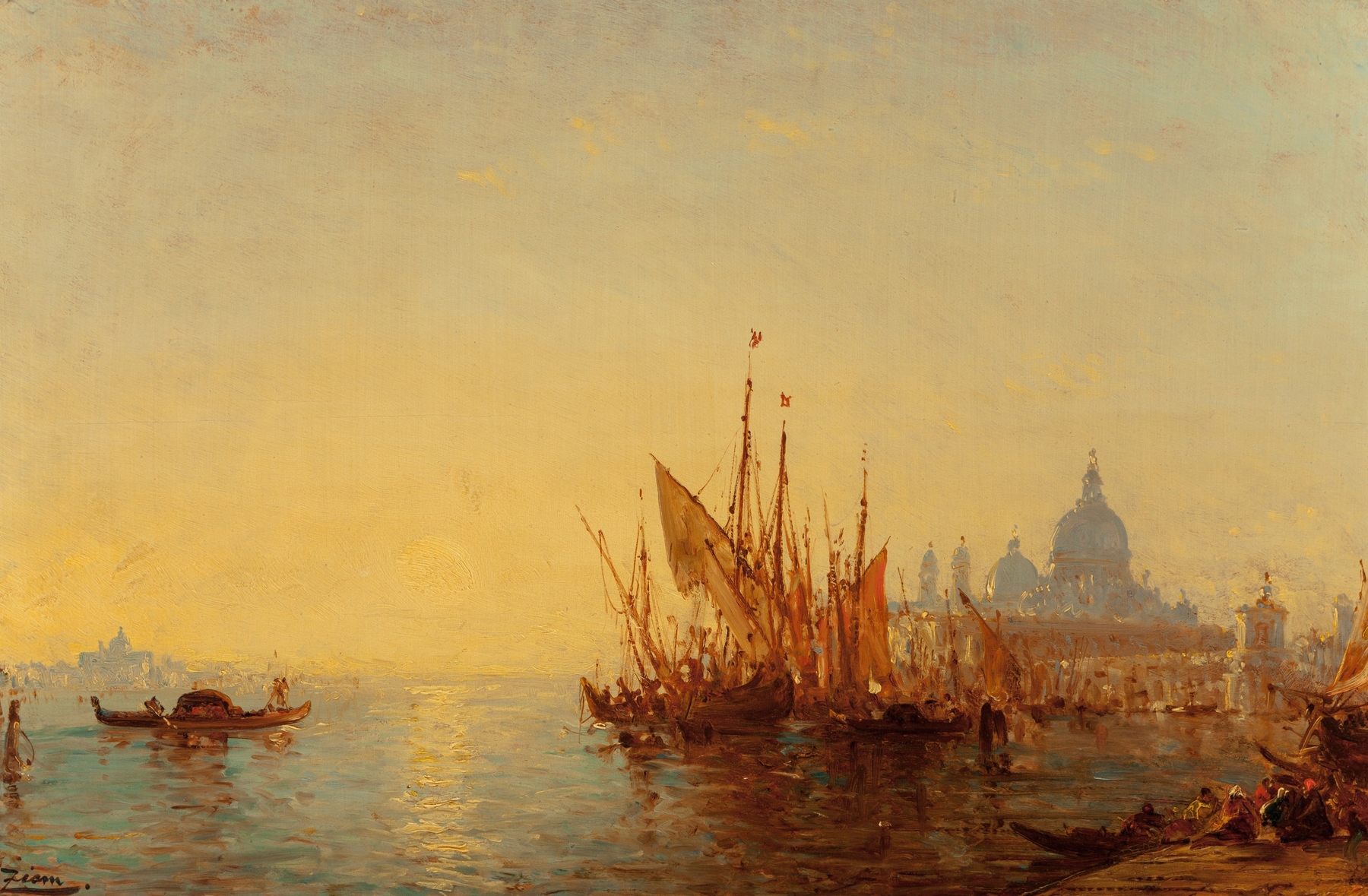
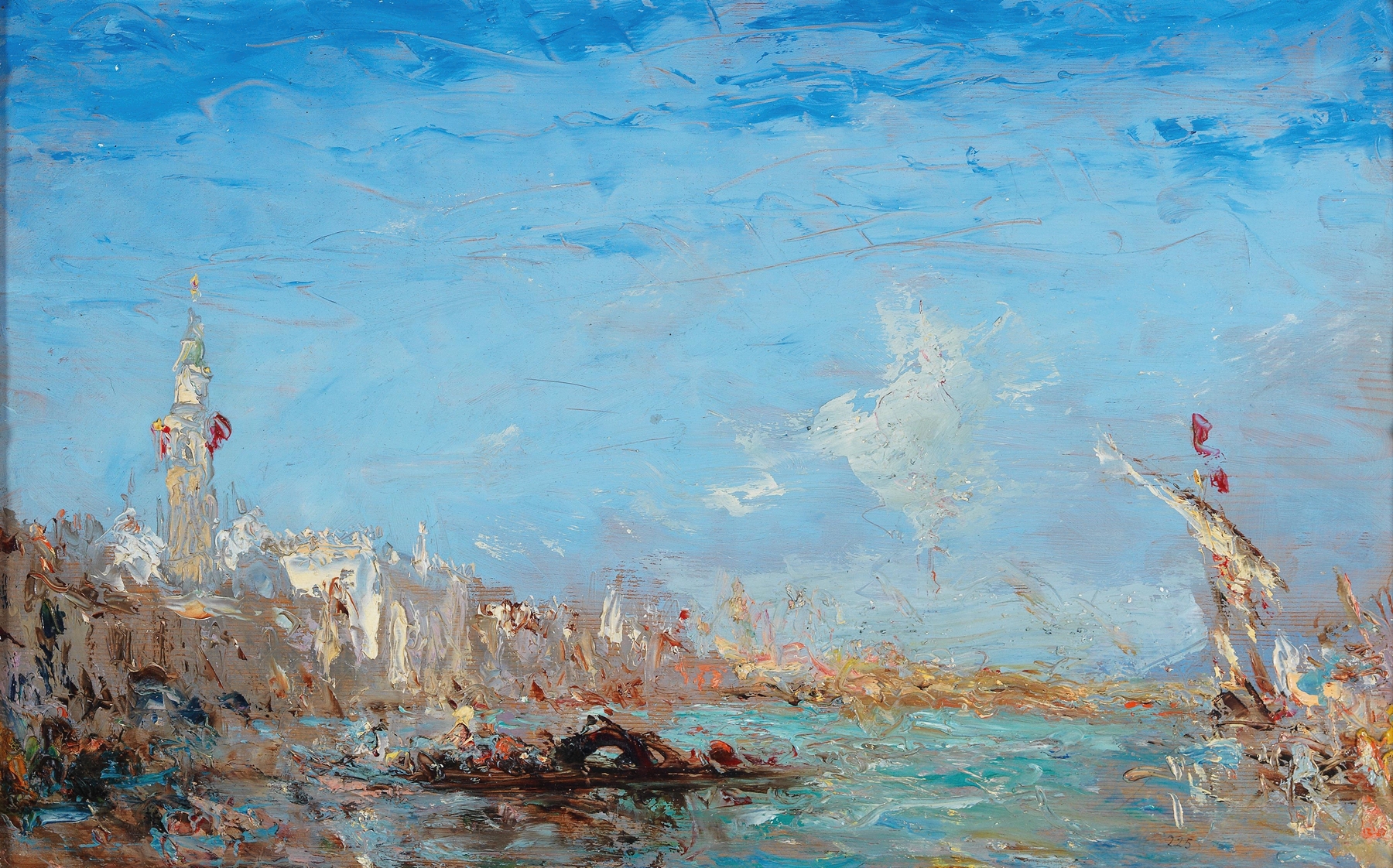
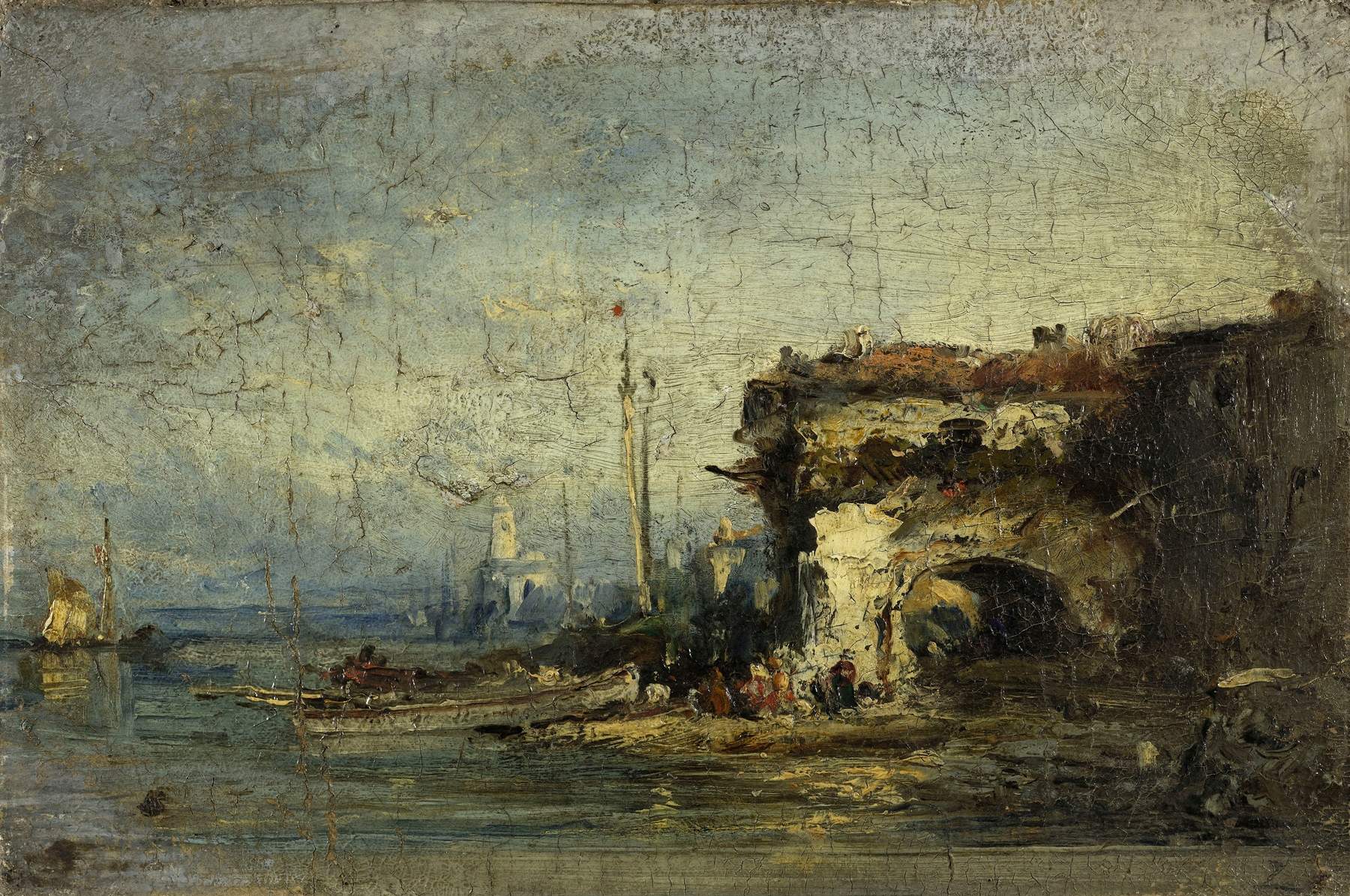
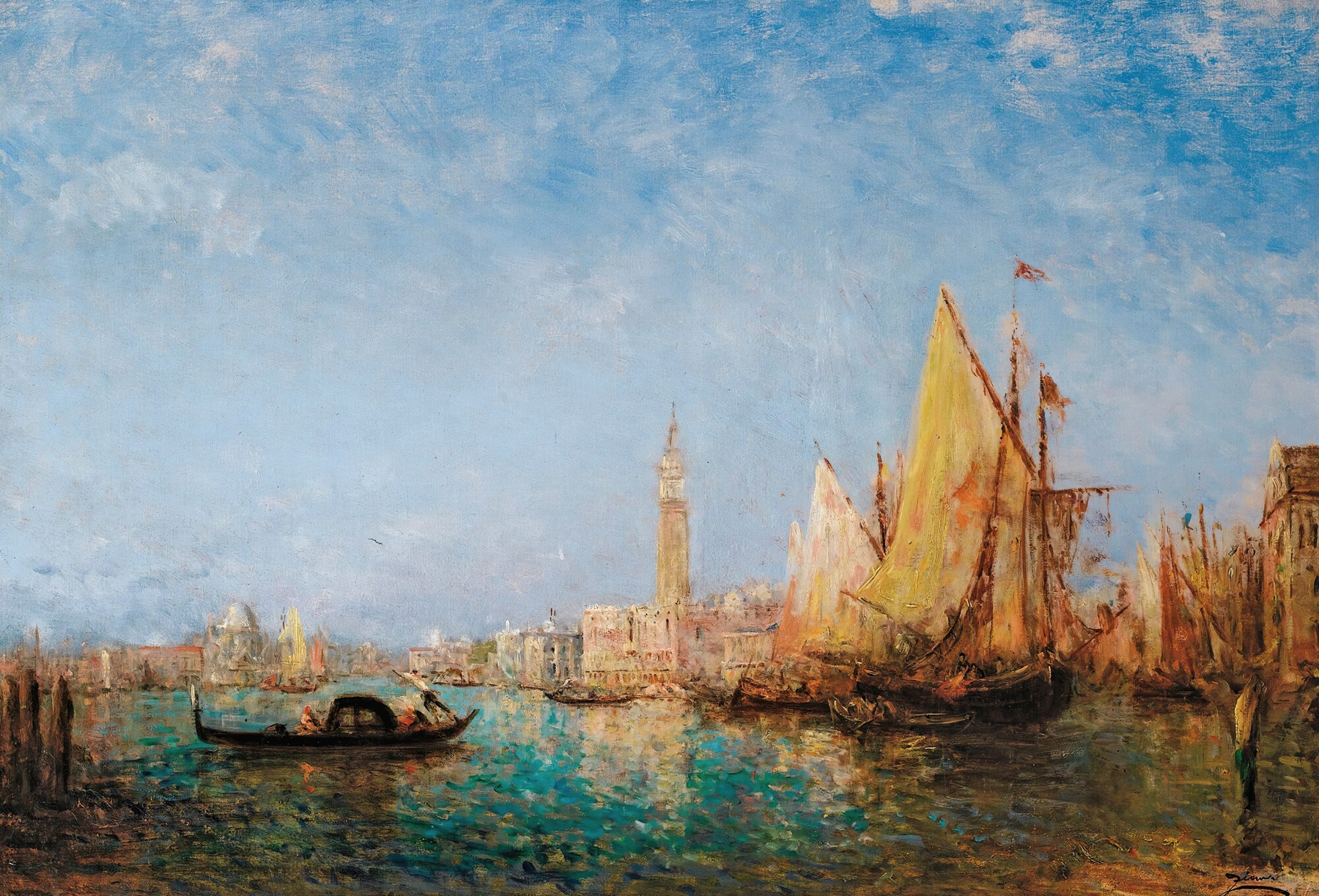
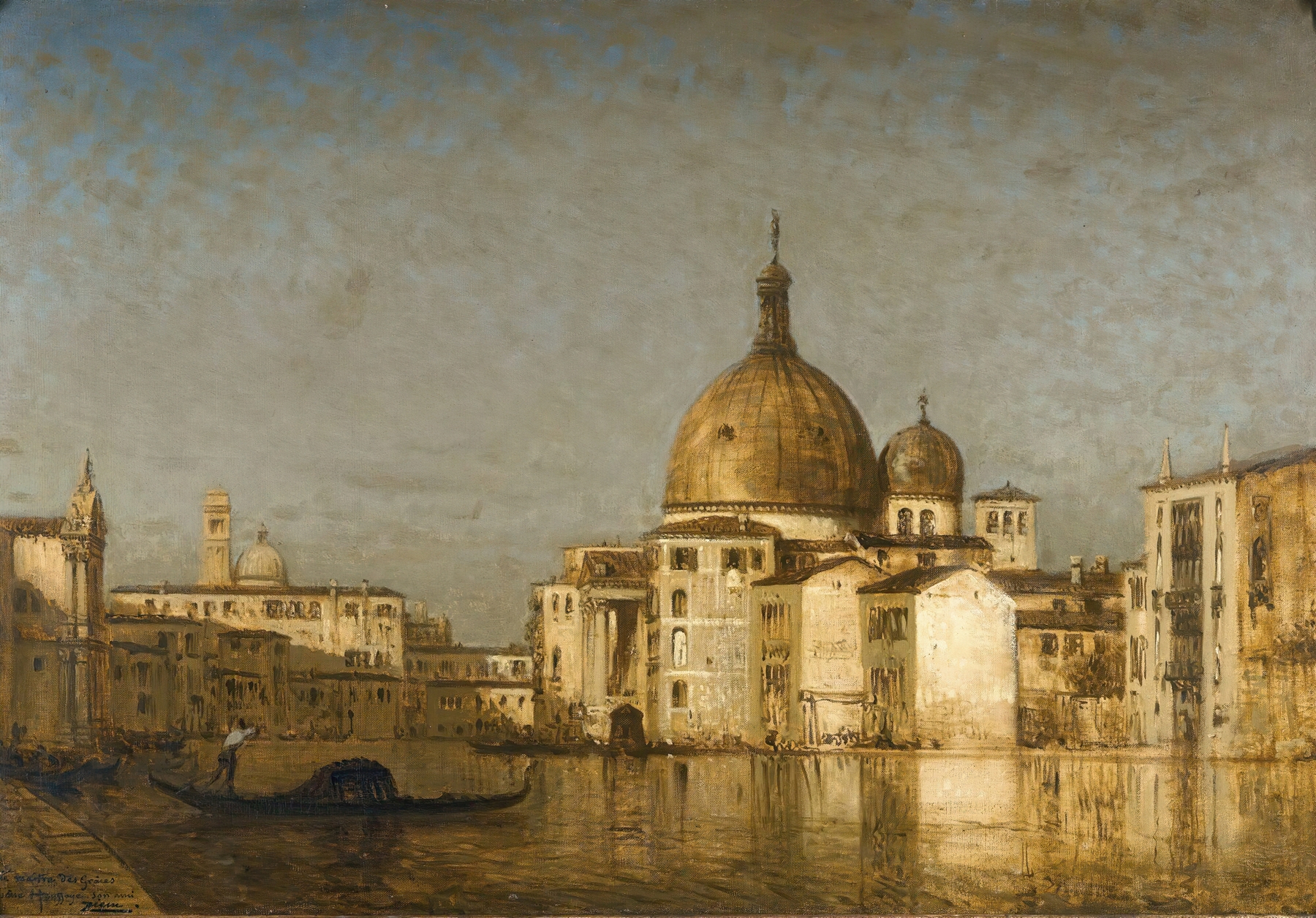
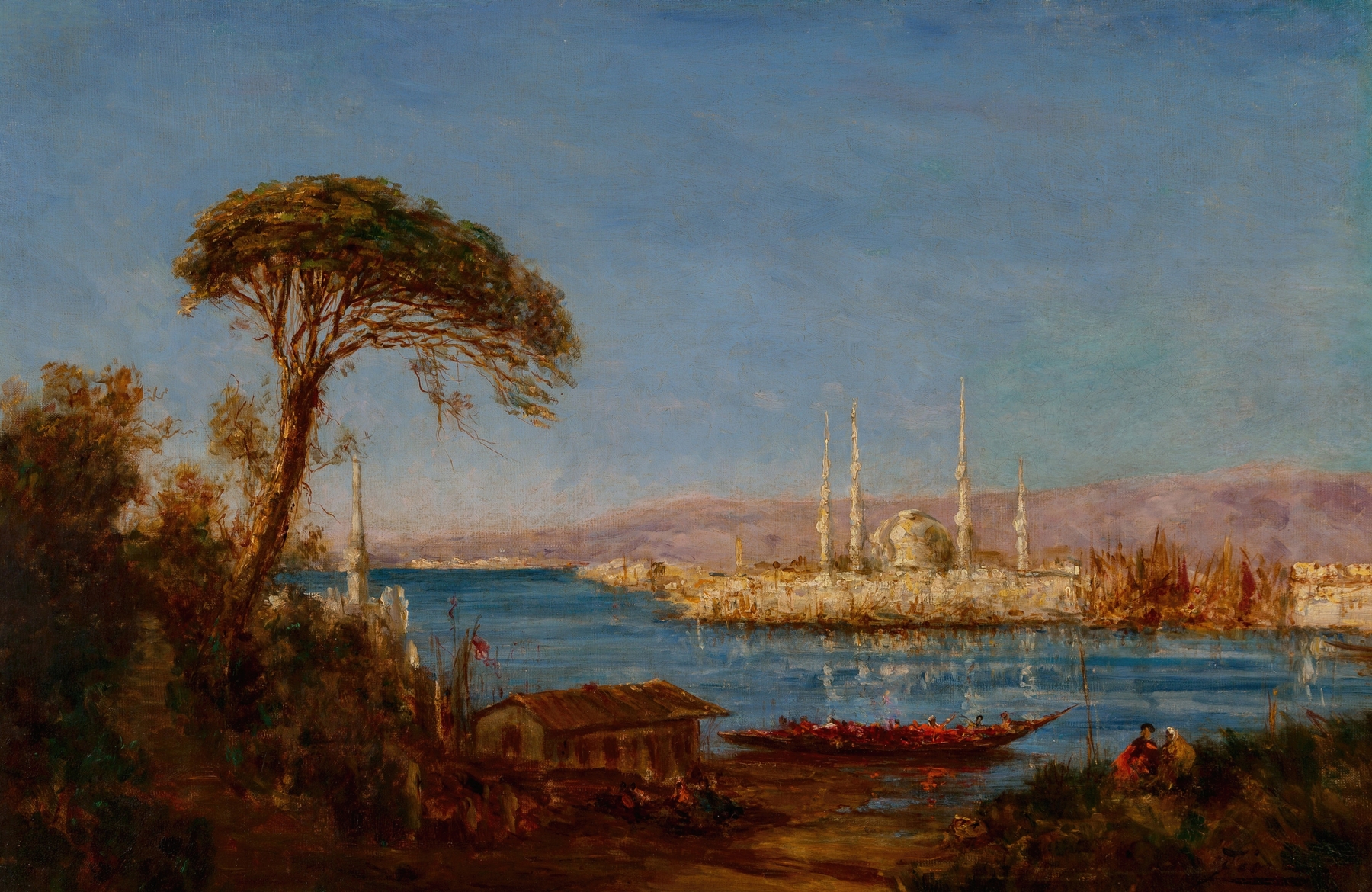
What if beauty was never meant to be finished? In the gaze of a world captured by the brush, one feels the pulse of history and the ache of longing intertwined with the vibrancy of life. Look to the center, where the majestic silhouette of a mosque rises against the horizon, a testament to time and culture. Surrounding it, hues of blue and gold dance in harmonious waves, reflecting the fluidity of water and sky. Notice how the light softly bathes the landscape, illuminating intricate details in the architecture while casting gentle shadows that evoke a sense of depth and mystery.
This delicate interplay of colors and forms invites you to wander through the scene, as if partaking in a timeless reverie. Yet, deeper layers of meaning emerge upon closer inspection. The tranquil waters suggest a fleeting moment, capturing the ephemeral nature of beauty amidst the grandeur of civilization. The contrast between the stillness of the water and the dynamic shapes of the buildings evokes a tension between permanence and transience, prompting reflection on what endures and what dissipates.
Here lies a dialogue between nature and human endeavor, where the vibrancy of life meets the somber notes of nostalgia. While the date of this piece remains undetermined, its creation reflects the artist’s fascination with exotic locales during a period of artistic exploration in the 19th century. Living in Paris and influenced by the burgeoning Romantic movement, he often drew inspiration from his travels, particularly to the Ottoman Empire. This painting embodies a moment of cultural exchange, showcasing the artist's desire to bridge the gap between East and West through the lens of awe and beauty.