Crozant — History & Analysis
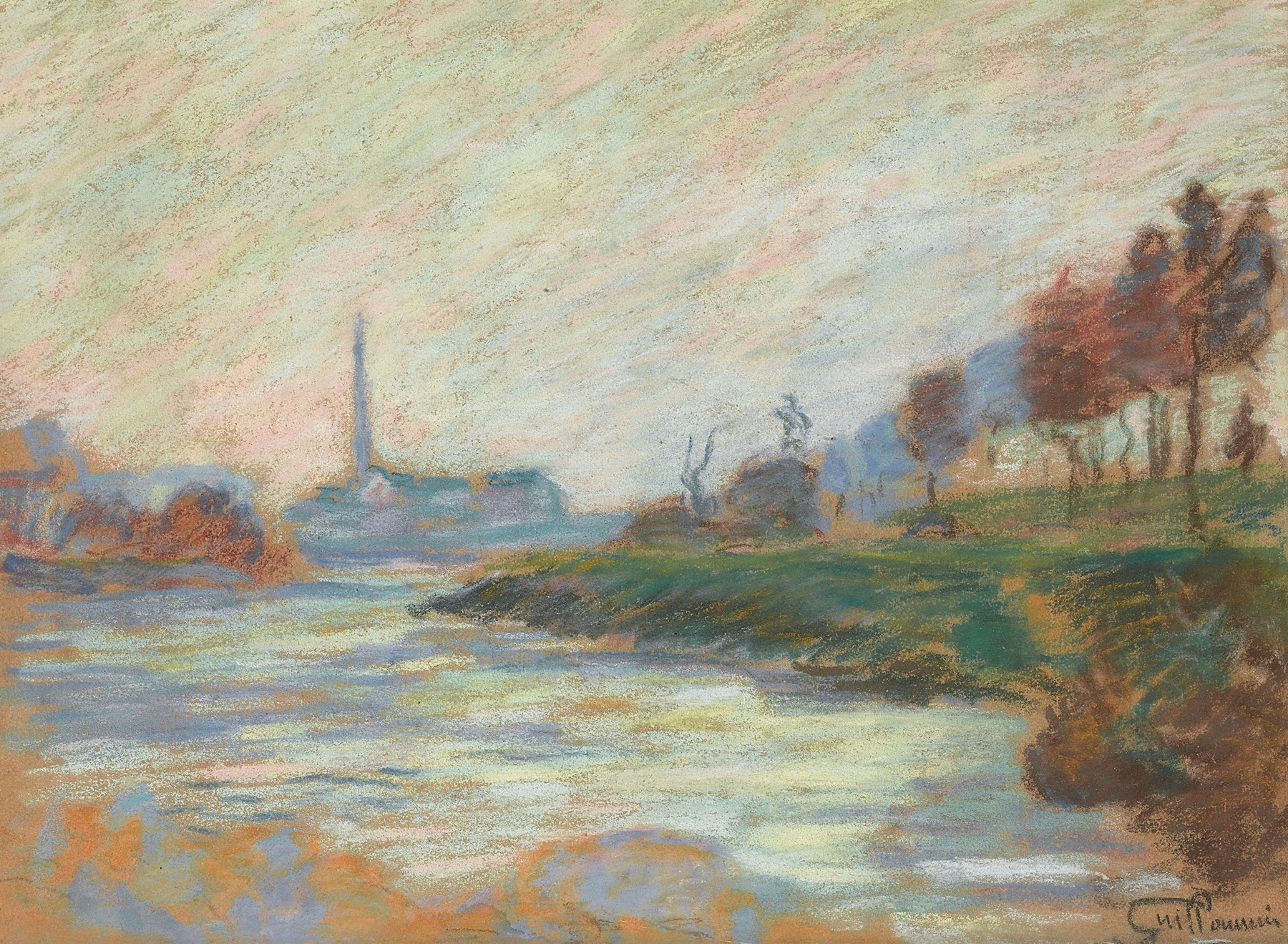
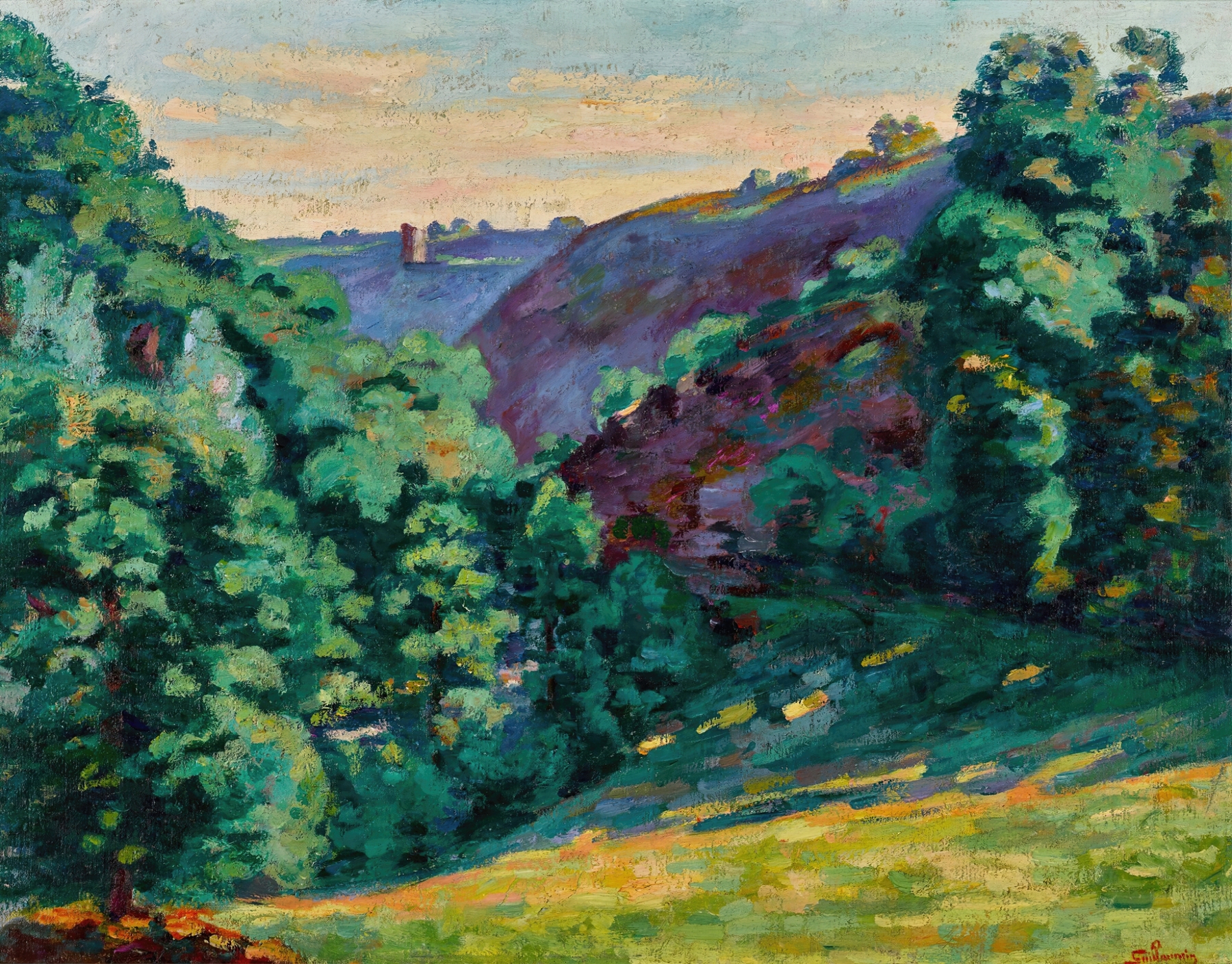
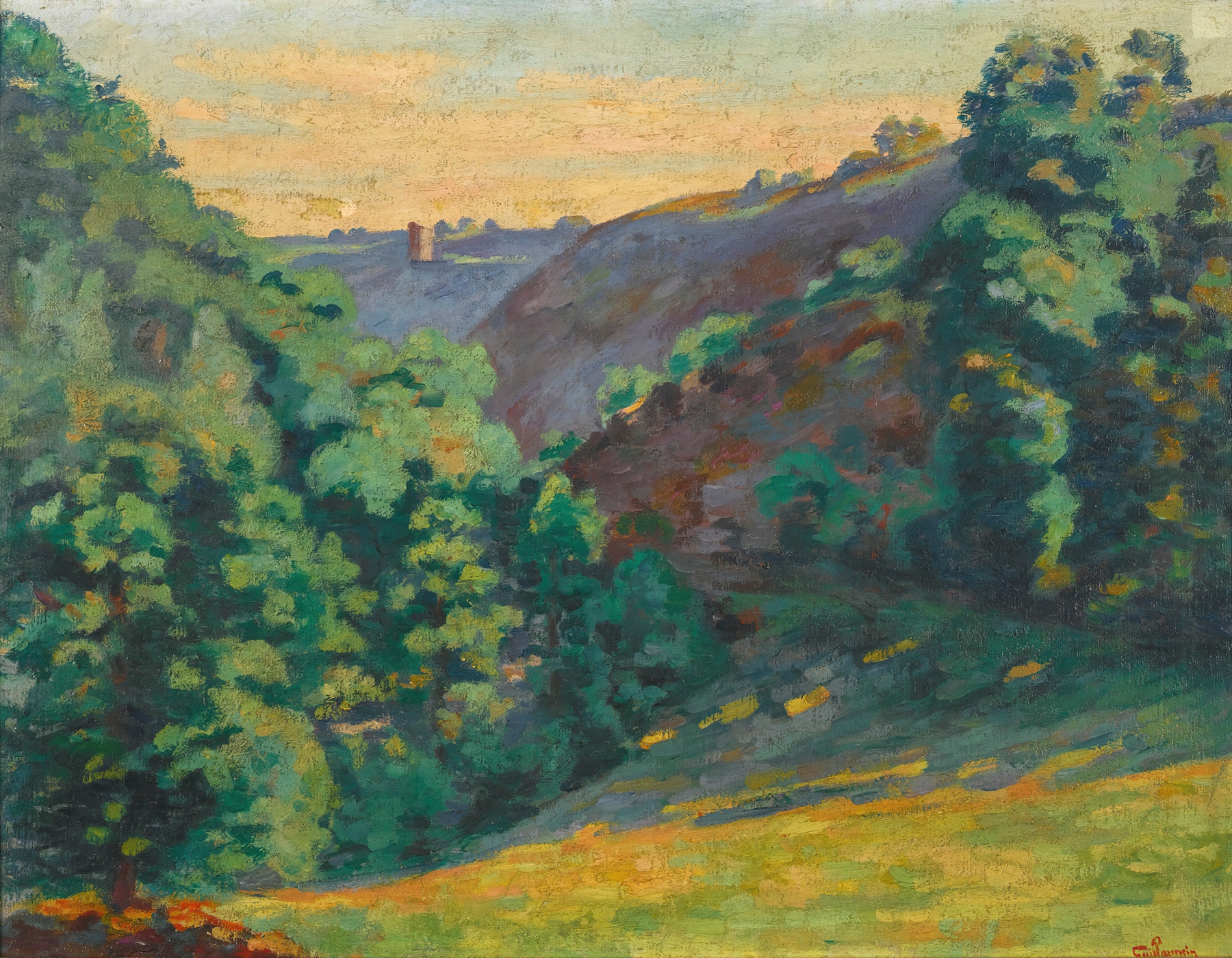
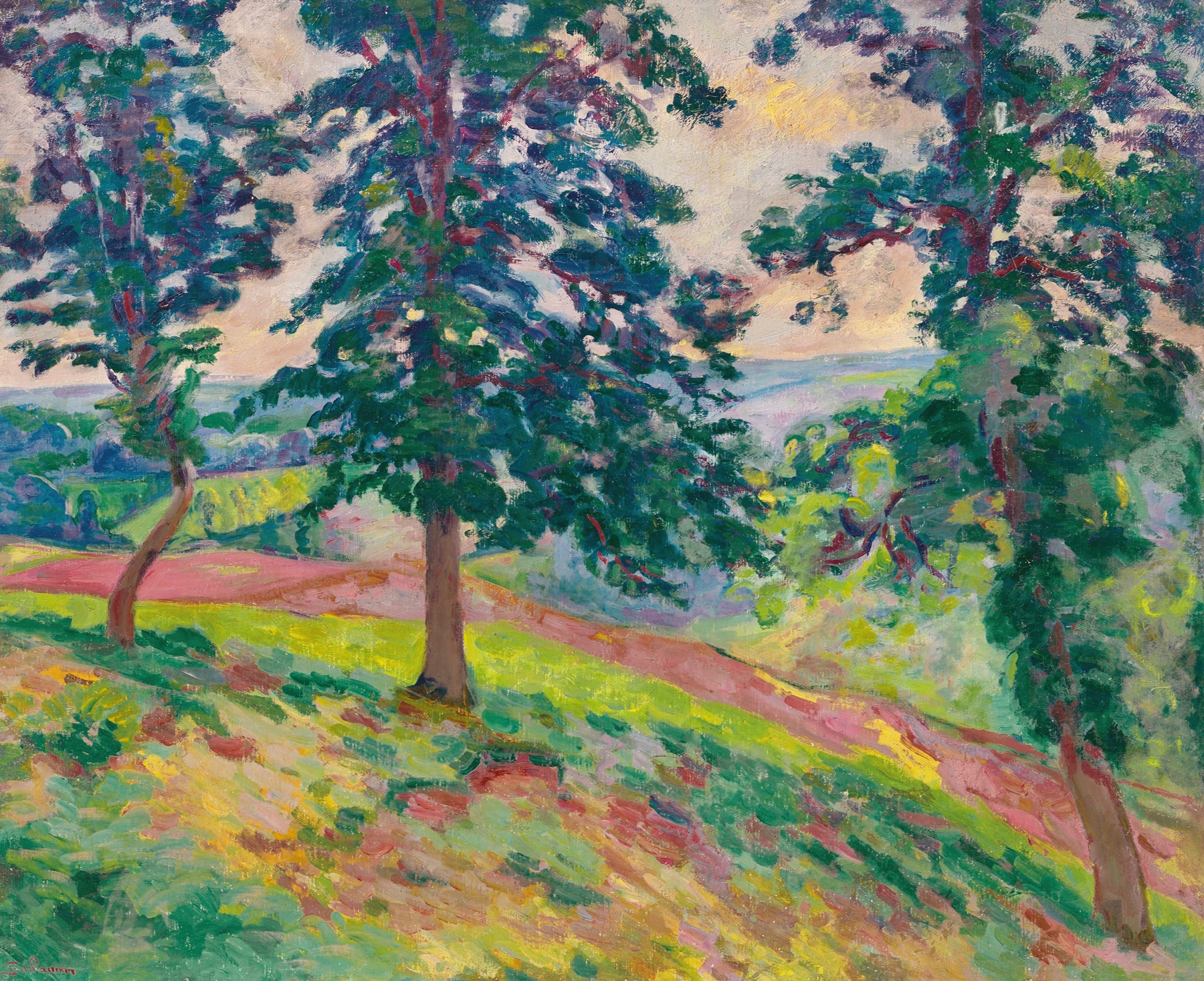
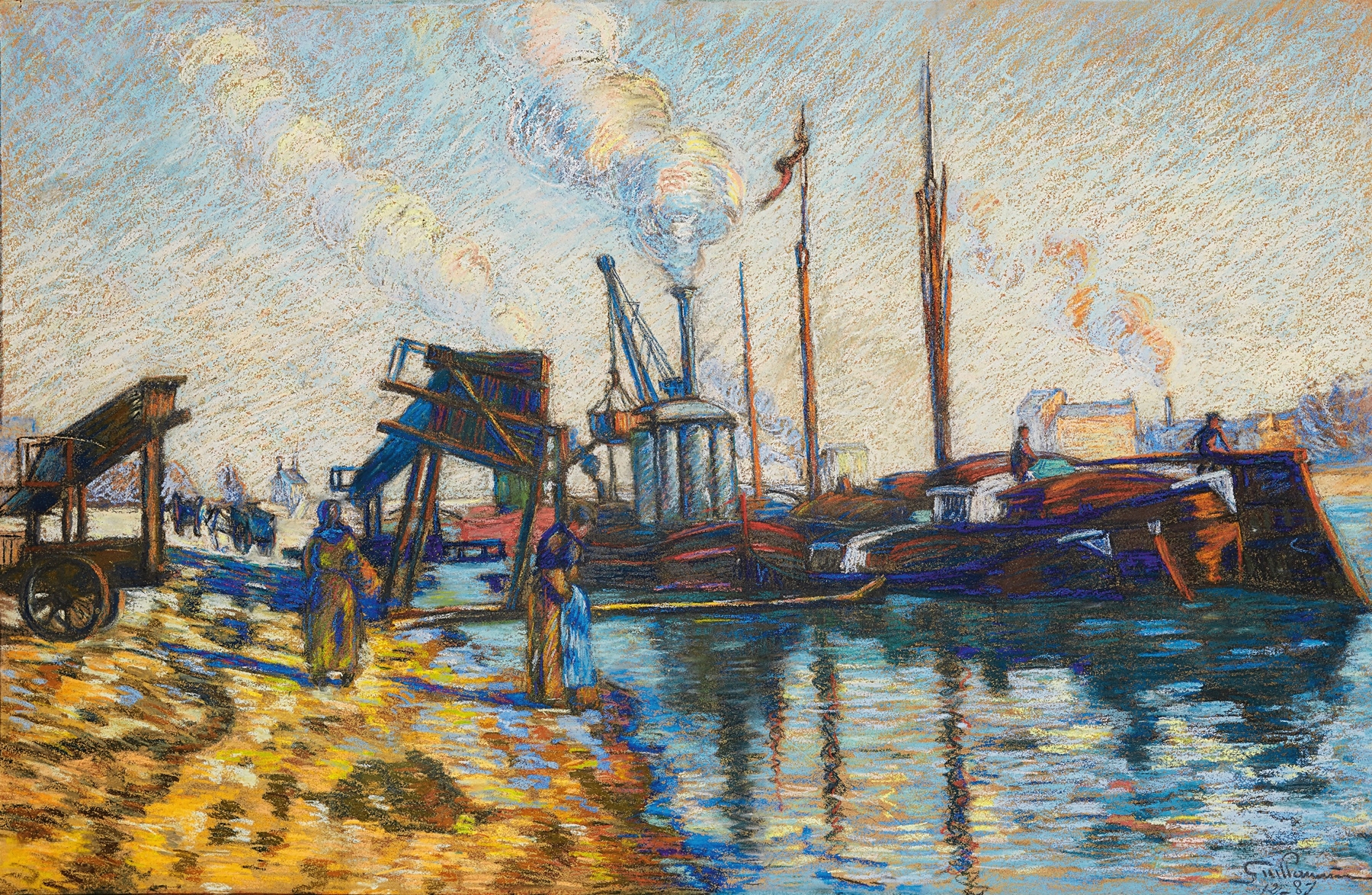
“Every silence here is a confession.” In the quietude of Crozant, the landscape breathes an aching melancholy, whispering secrets of time through its gentle curves and muted hues. The viewer is invited to not just observe, but to feel the resonance of solitude that permeates the scene. Look to the left, where a burst of soft greens and browns harmonize in a valley, cradled by the looming hills. The brushstrokes, vivid yet delicate, create a shimmering reflection that dances upon the water’s surface. Notice how the light filters through the clouds, casting a gentle warmth over the somber landscape, bridging the gap between the earth and the heavens.
Each stroke reveals a moment in time, where nature’s beauty hints at an underlying sadness, as if the trees themselves harbor untold stories. In this work, contrasts abound—between light and shadow, stillness and movement, hope and despair. The vibrant colors resonate with a sense of loss, while the tranquil waters seem to capture the essence of fleeting memories. The absence of human figures accentuates the loneliness of the scene, inviting introspection and evoking a longing for connection amid the quietude.
Each element, from the swaying branches to the distant hills, becomes a metaphor for the human condition, a reminder of the delicate balance between joy and sorrow. In 1902, the artist was immersed in the Impressionist movement, seeking to capture the ephemeral qualities of light and atmosphere. Living in France, Guillaumin painted Crozant during a period of personal transformation, as he explored the emotional depths of landscapes. This work reflects not only his mastery of color and technique but also a broader shift in the art world, embracing a more introspective approach to nature and the self.