Crusader Castle On The Ottoman Coast — History & Analysis
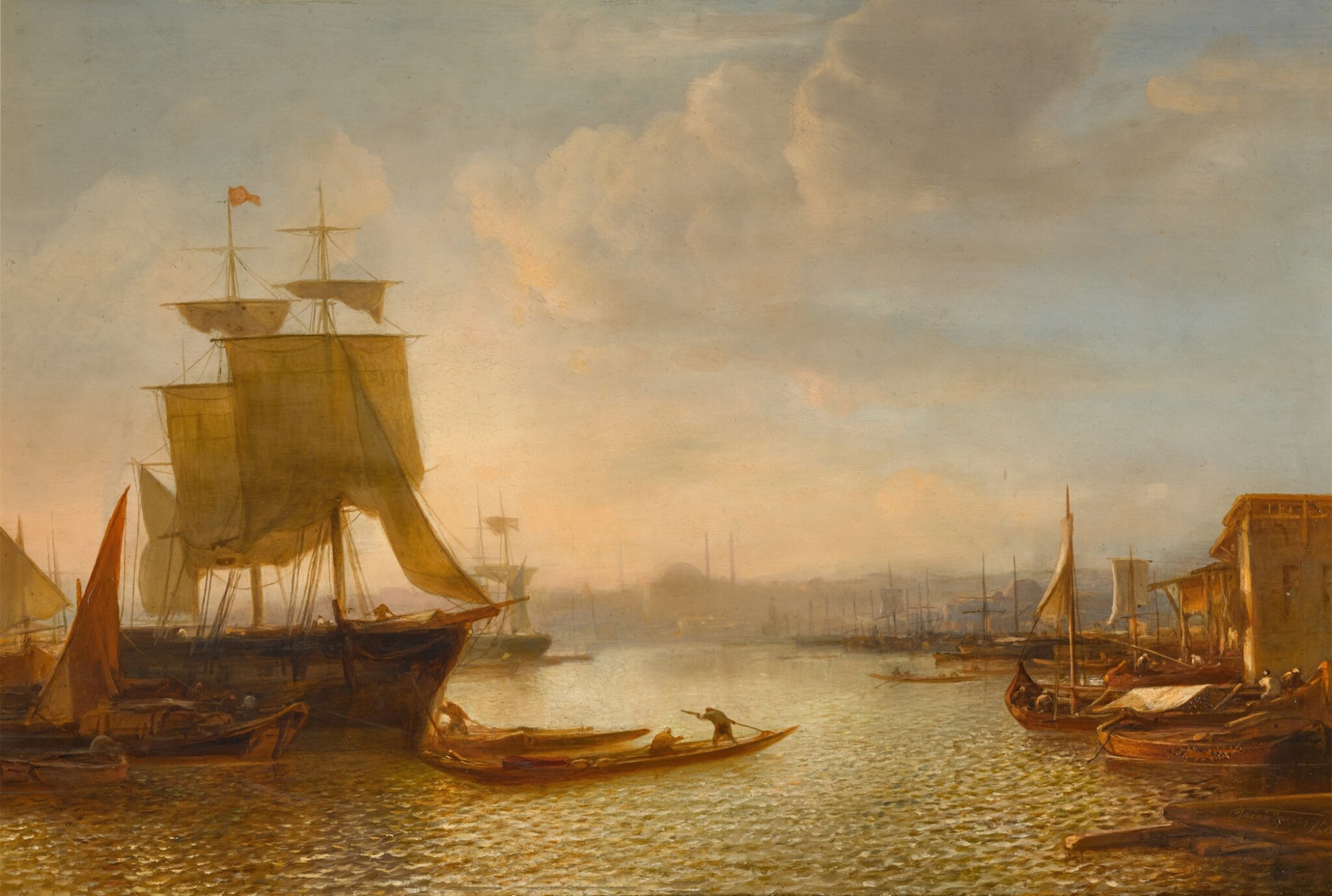
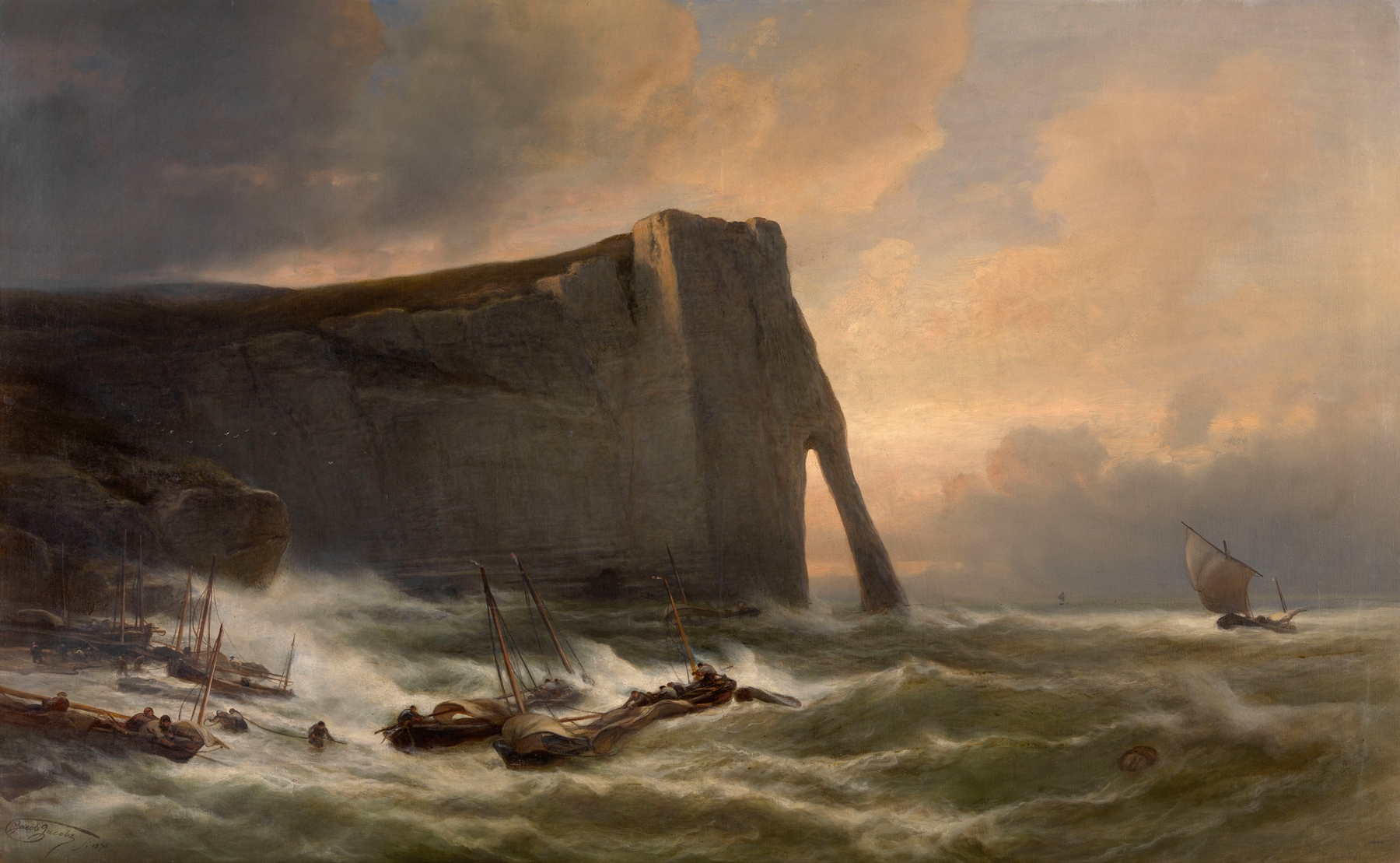
Can beauty exist without sorrow? In Crusader Castle On The Ottoman Coast, the haunting silhouette of the castle looms over gentle waves, whispering tales of glory and decay. Look to the left at the intricate architecture of the castle, its stones weathered yet resolute against the encroaching sea. The artist employs a muted palette, with soft grays and earthy browns that evoke a sense of nostalgia, while the light dances on the water's surface, illuminating the juxtaposition of solidity and transience.
Notice how the horizon blurs, suggesting the infinite passage of time, inviting reflection on what once was and what will ultimately fade. Beneath the surface lies a profound exploration of mortality. The castle, a symbol of fortitude, also embodies vulnerability, standing as a testament to past wars and the inevitable erosion wrought by nature. The waves lapping at its base remind us of time's relentless advance, merging beauty and melancholy into a single, poignant moment.
Each brushstroke captures the tension between permanence and impermanence, urging the viewer to contemplate their own existence against the backdrop of history. In 1842, Jacob Jacobs painted this piece during a time of great change in Europe. Having settled in Paris, he was influenced by the romantic ideals prevalent amongst his contemporaries, as well as the rising interest in historical subjects. This work reflects not only his artistic development but also a broader cultural dialogue about the legacies of civilizations and the fragility of human achievements.