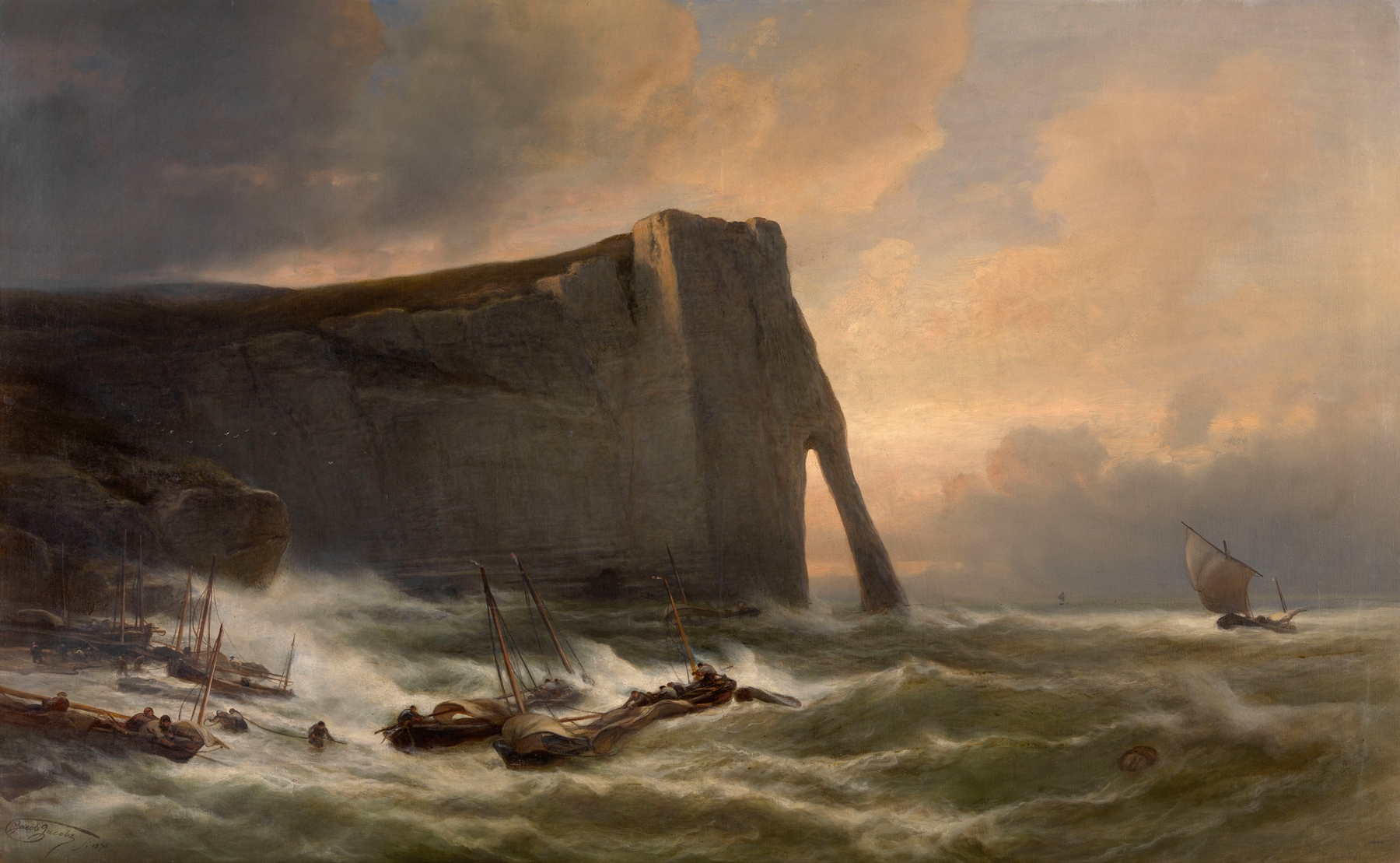
On the Bosphorus, Istanbul — History & Analysis
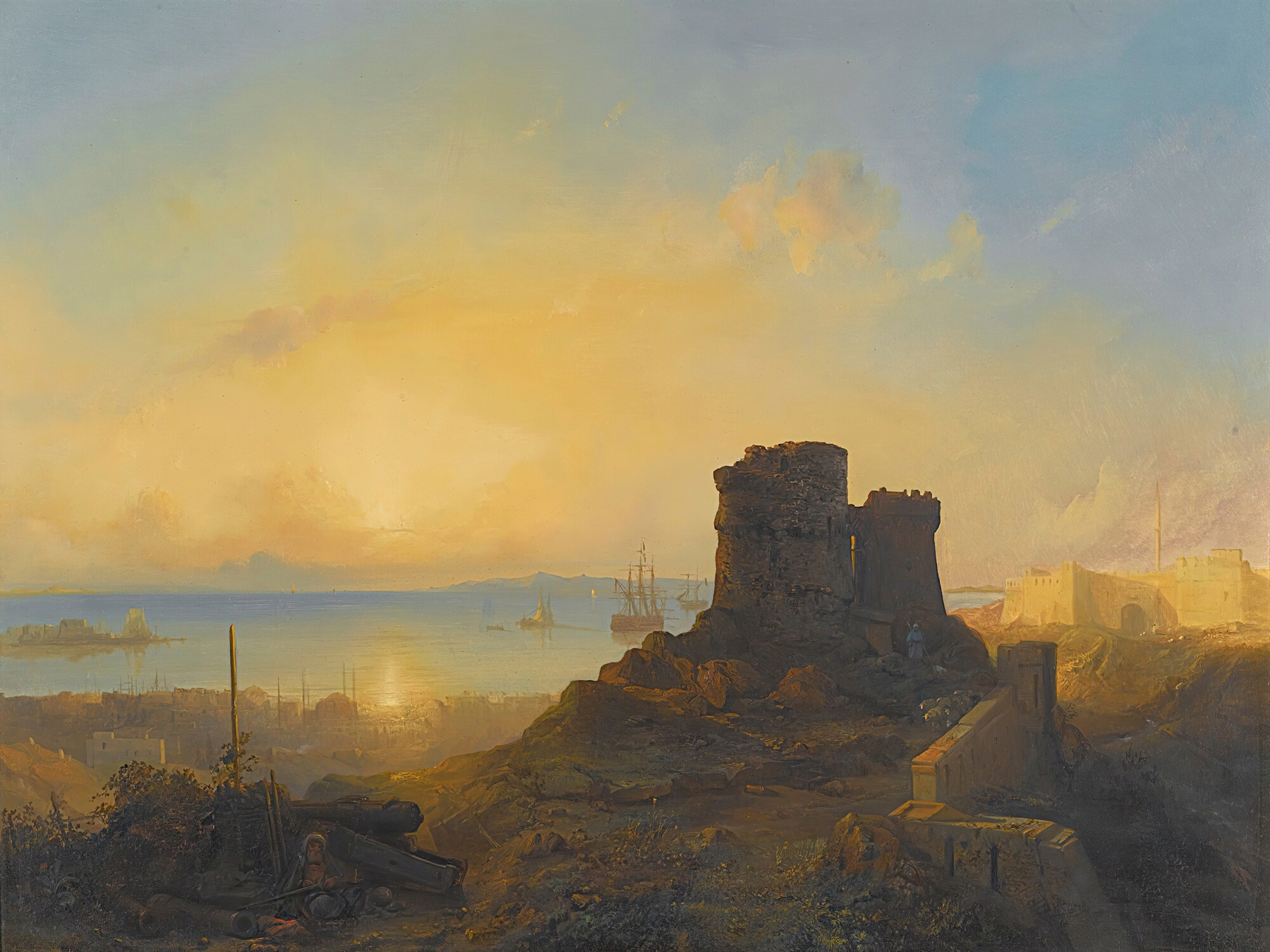
Is this a mirror — or a memory? In On the Bosphorus, Istanbul, layers of time intertwine with shimmering water, offering a glimpse into a world both familiar and elusive. Look to the left at the delicate boats, their sails billowing gently in the soft breeze, each one hinting at untold journeys. Notice how the light dances across the surface of the Bosphorus, casting reflections that blur the boundaries between sea and sky.
The palette is muted yet vibrant—ochres and blues interplay with the warm glow of the setting sun, breathing life into the scene while inviting you to linger in its embrace. Yet, hidden among the tranquil visuals are whispers of change. The boats, so enmeshed in the water’s serene beauty, symbolize the transient nature of life, as if they are both arriving and departing. The distant skyline, misty and distant, evokes the nostalgia of memories that shape identity—fleeting yet unforgettable.
Each ripple in the water speaks of stories lost to time, while the delicate brushwork captures the essence of Istanbul, a city straddling cultures and epochs. In 1878, during a pivotal moment in his career, Jacobs found inspiration in the vibrant life along the Bosphorus. Living in an era marked by political upheaval and artistic exploration, he painted this piece while in Istanbul, amidst the burgeoning movement of Orientalism in art. His experiences in this city, a crossroads of East and West, infused his work with a depth that reflects both beauty and the complexity of cultural memory.