The Ruins of Karnak at Thebes — History & Analysis
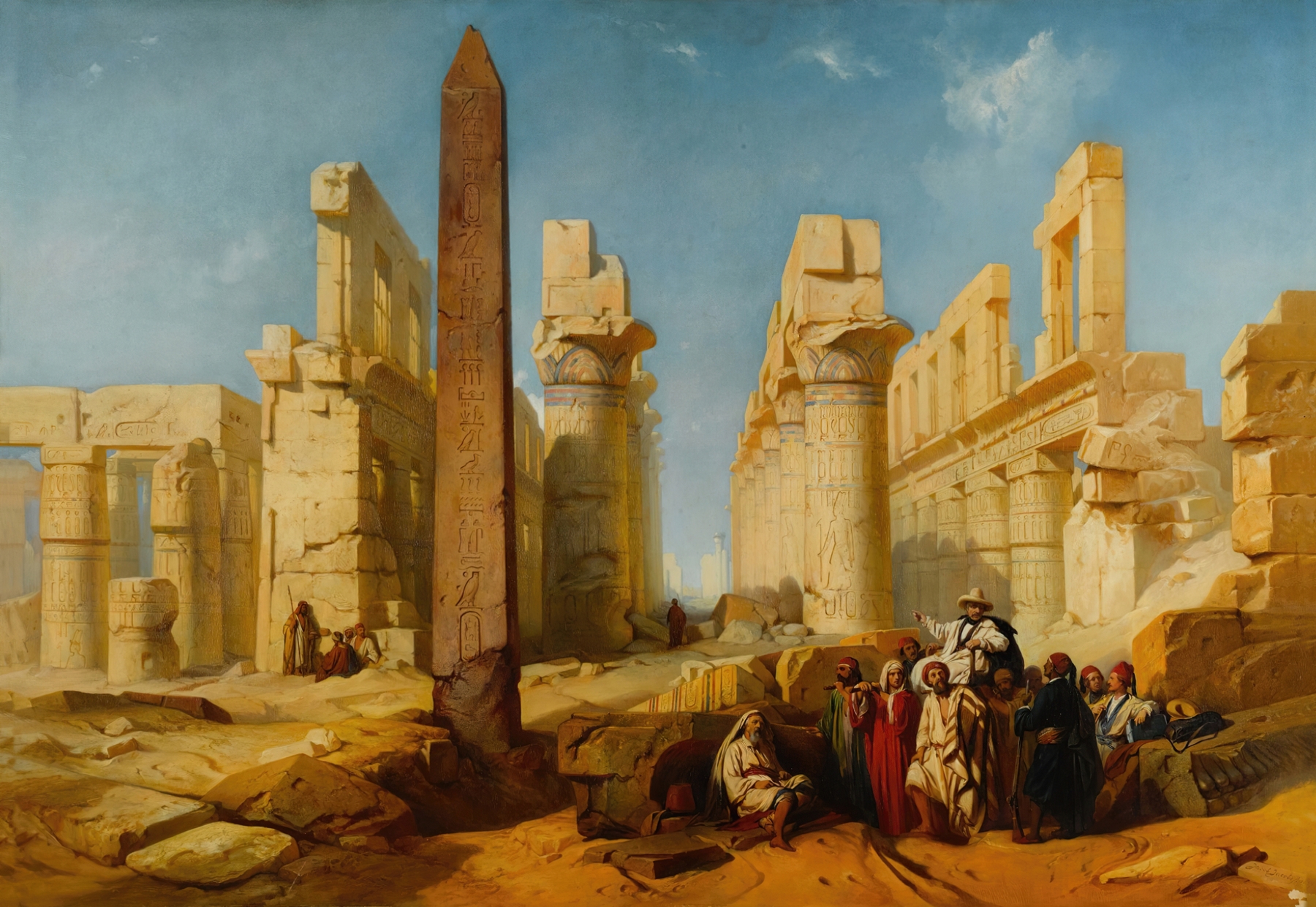
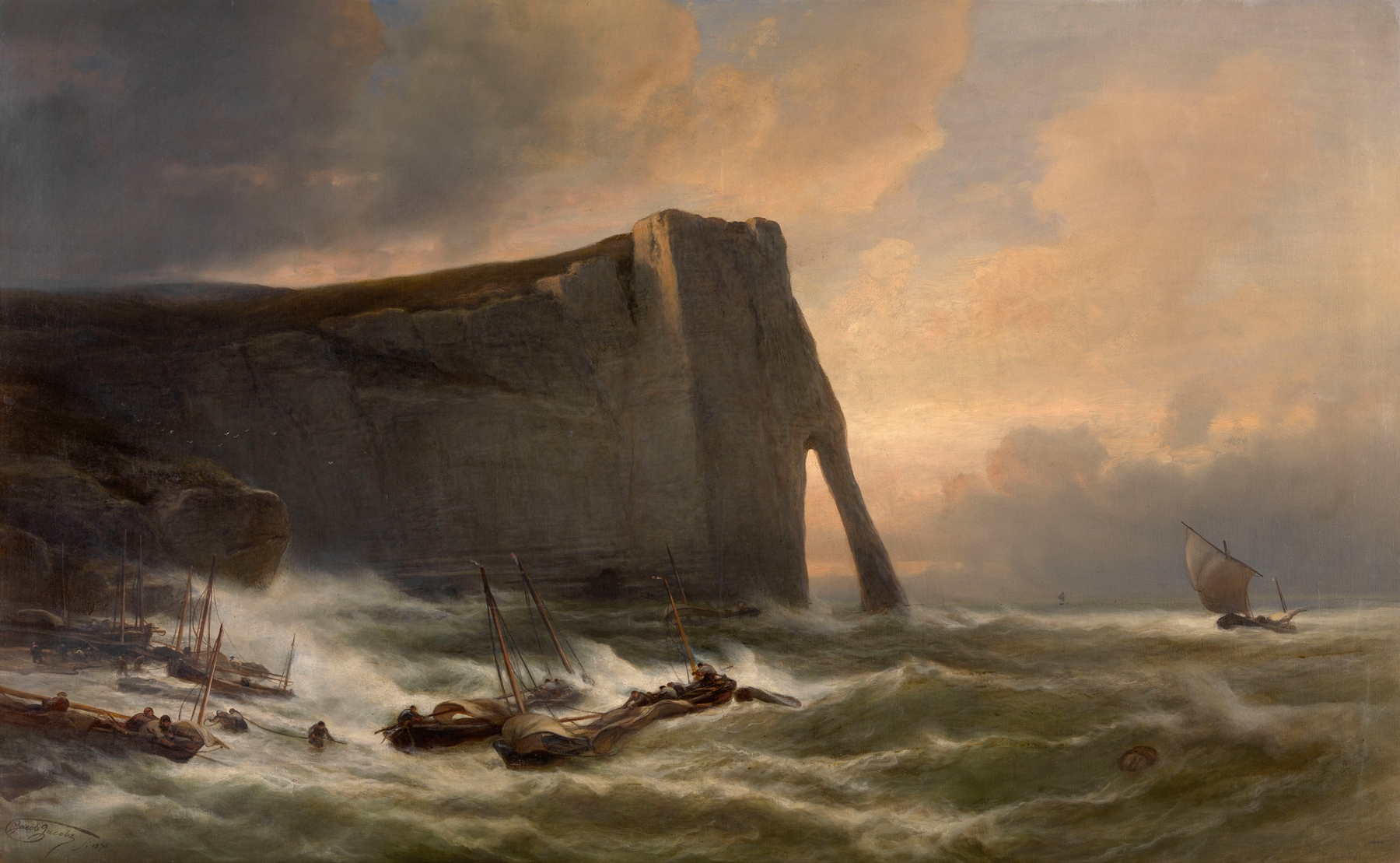
What secret hides in the quiet of the canvas? In a world where the echoes of civilization linger in shadows, the silent ruins speak volumes about their past glory and inevitable decay. Focus on the majestic columns that rise like ancient sentinels, weathered but dignified. The delicate play of light showcases the crevices and textures of the stone, drawing the eye upward toward the intricate hieroglyphics that whisper forgotten tales.
The muted earthy tones evoke a sense of solemnity, allowing the viewer to feel the weight of history and time’s relentless march, creating an atmosphere imbued with both reverence and melancholy. As you delve deeper, subtle contrasts emerge: the lush green foliage encroaching upon the stone structures suggests nature's reclamation of man’s creations, a poignant reminder of the transient nature of human ambition. The brilliant blue sky overhead, stark against the warm tones of the ruins, symbolizes hope and continuity amid decay, urging us to ponder the legacy left behind. The arrangement of elements captures both awe and nostalgia, revealing a dialogue between civilization and the relentless forces of time.
Jacob Jacobs painted this piece in 1847 while exploring Egypt, a period when European fascination with ancient cultures was at its peak. The artist sought to immortalize the breathtaking grandeur of Karnak, a testament to the artistic and architectural advancements of its time. As Egyptology gained popularity in the art world, Jacobs’ work contributed to the growing interest in the depiction of cultural heritage, reflecting a world grappling with the tension between past and present.