Cutter Close Hauled in a Fresh Breeze, with Other Shipping — History & Analysis
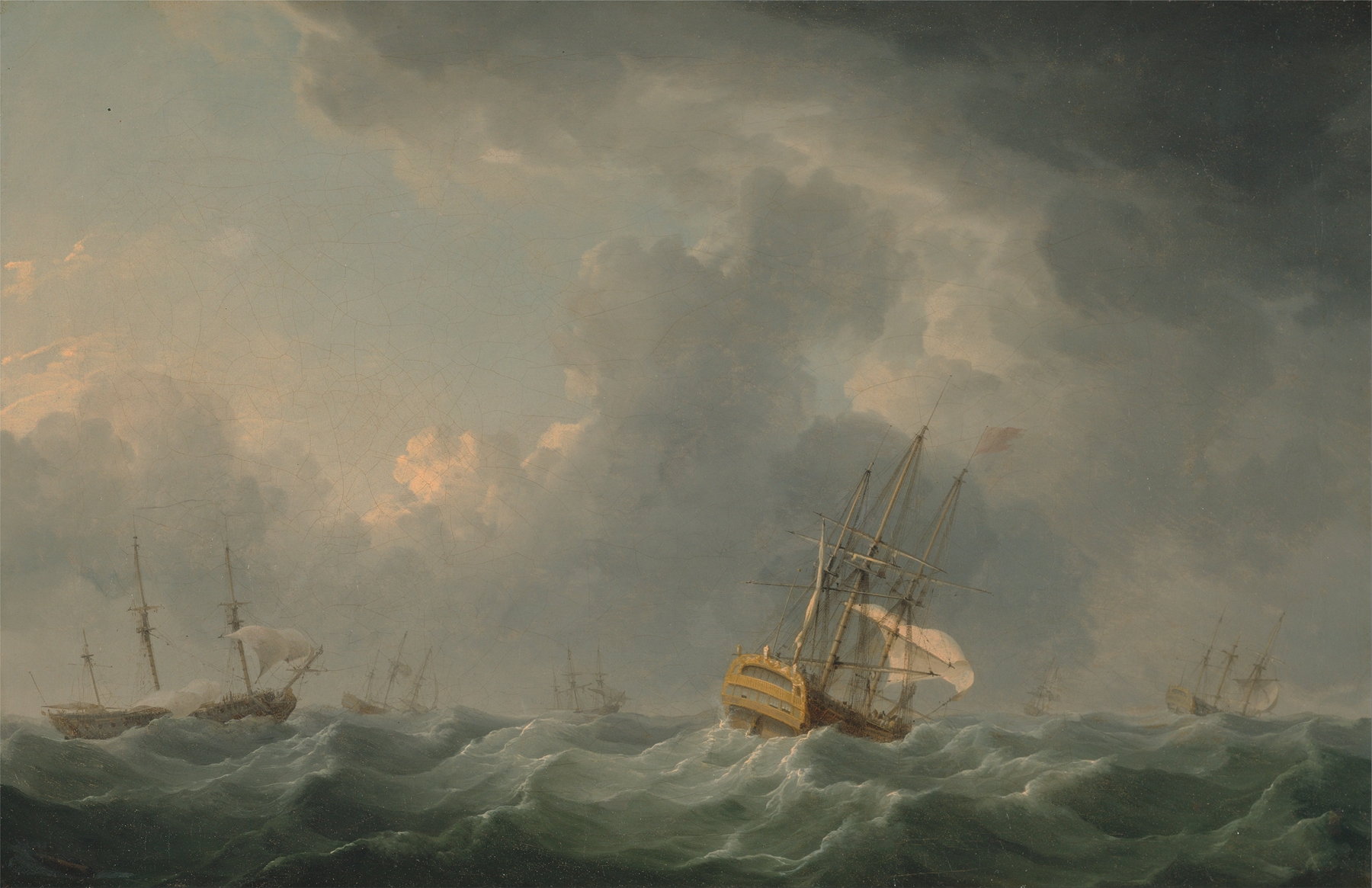
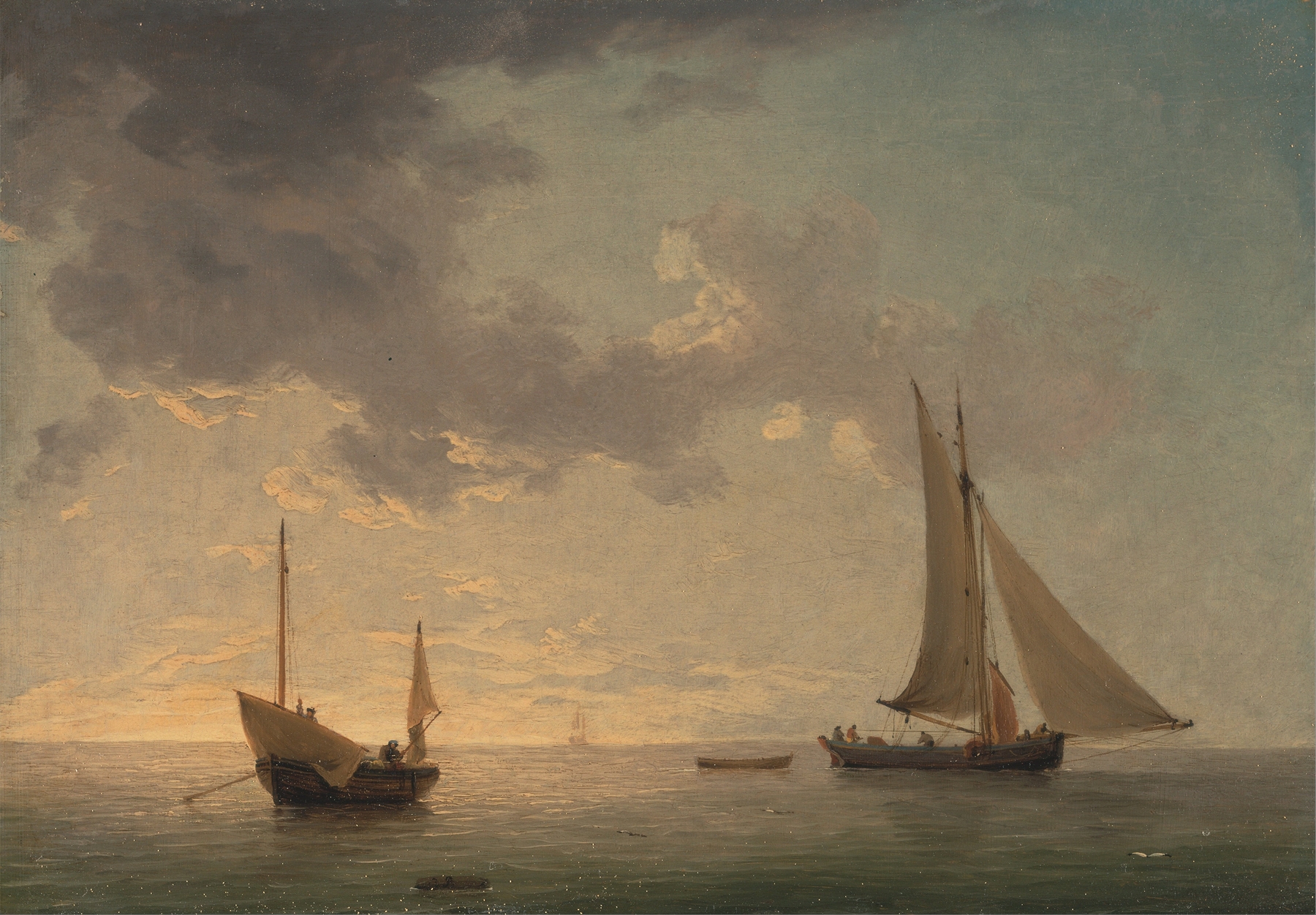
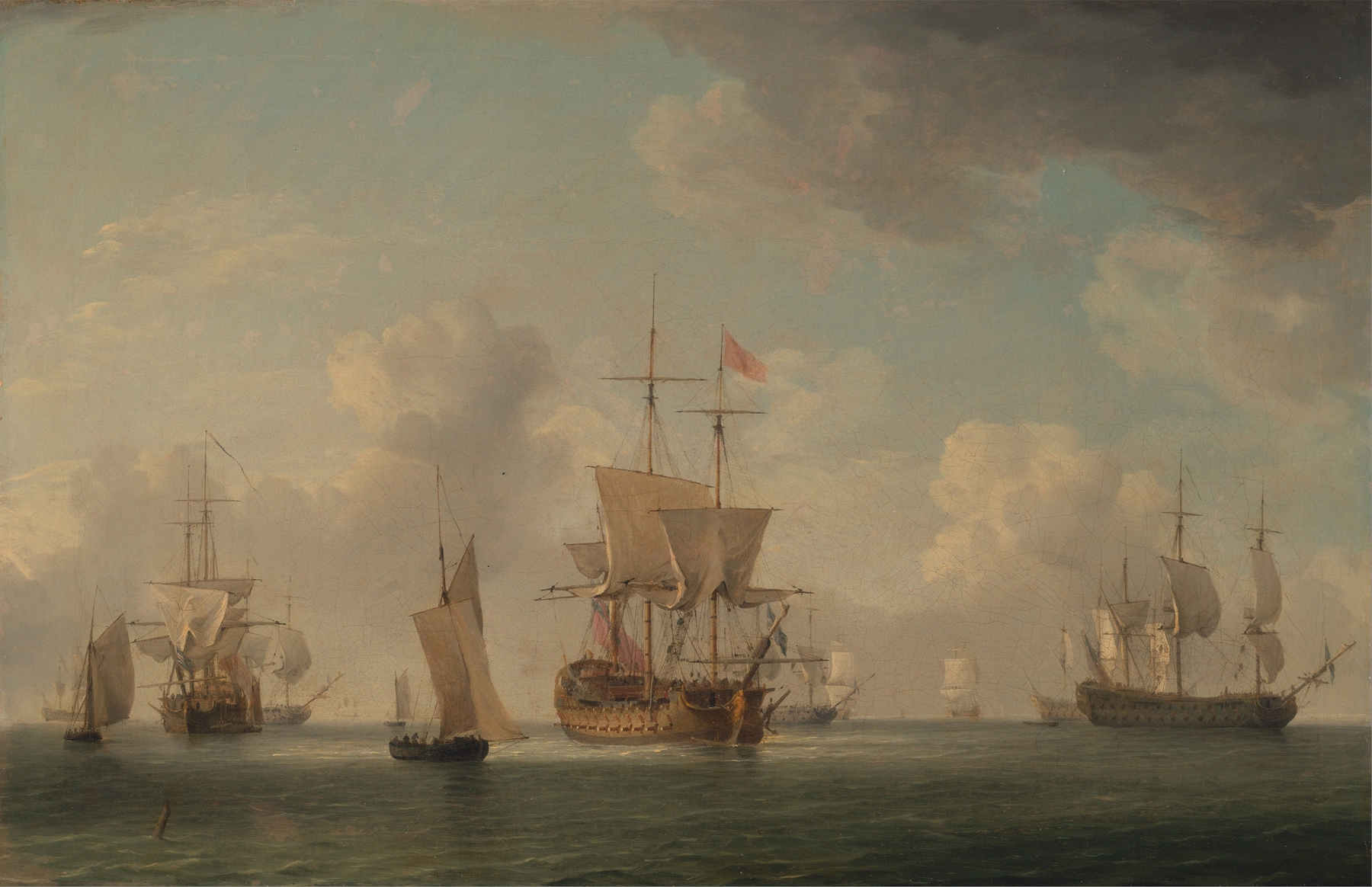
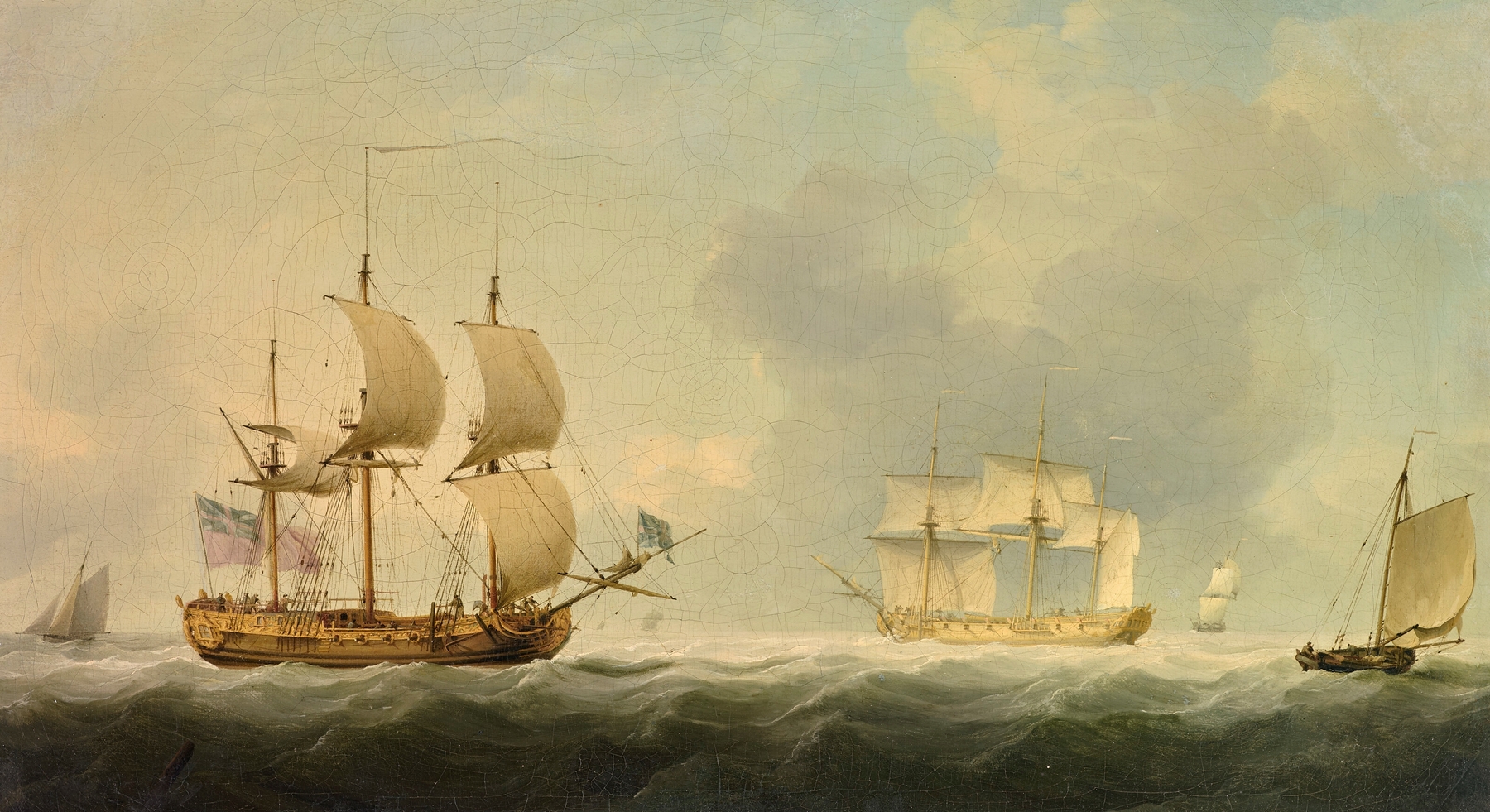
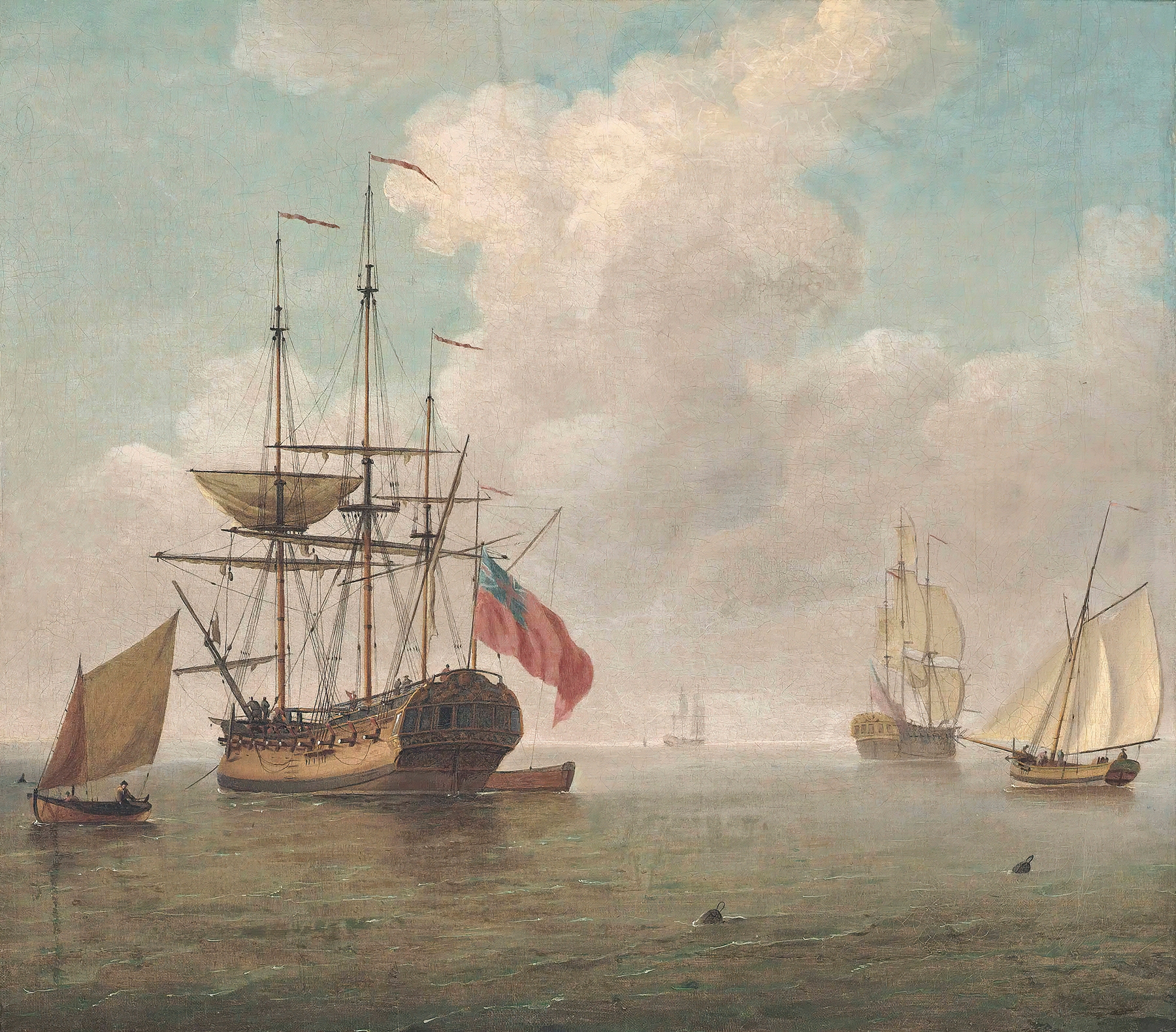
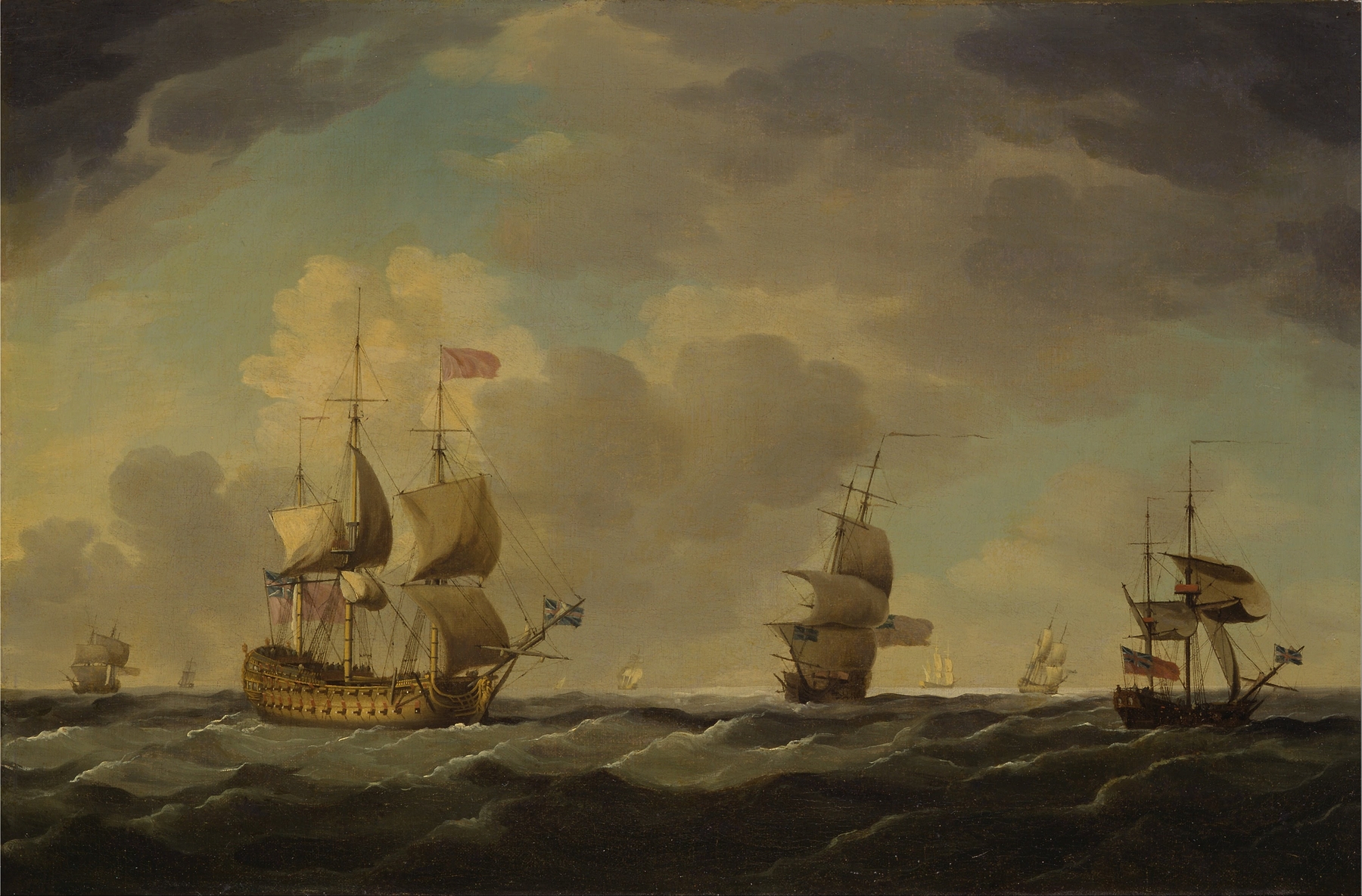
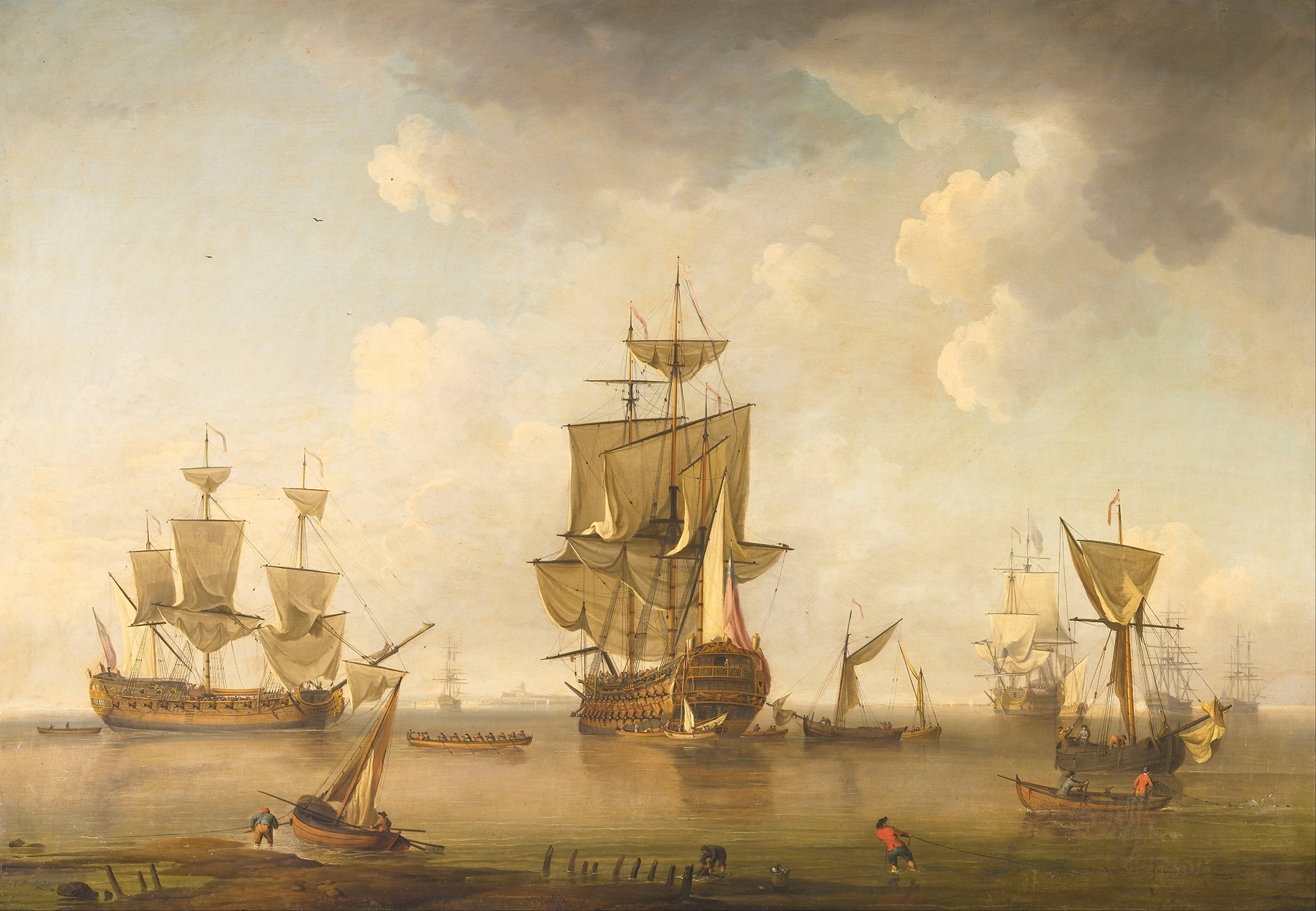
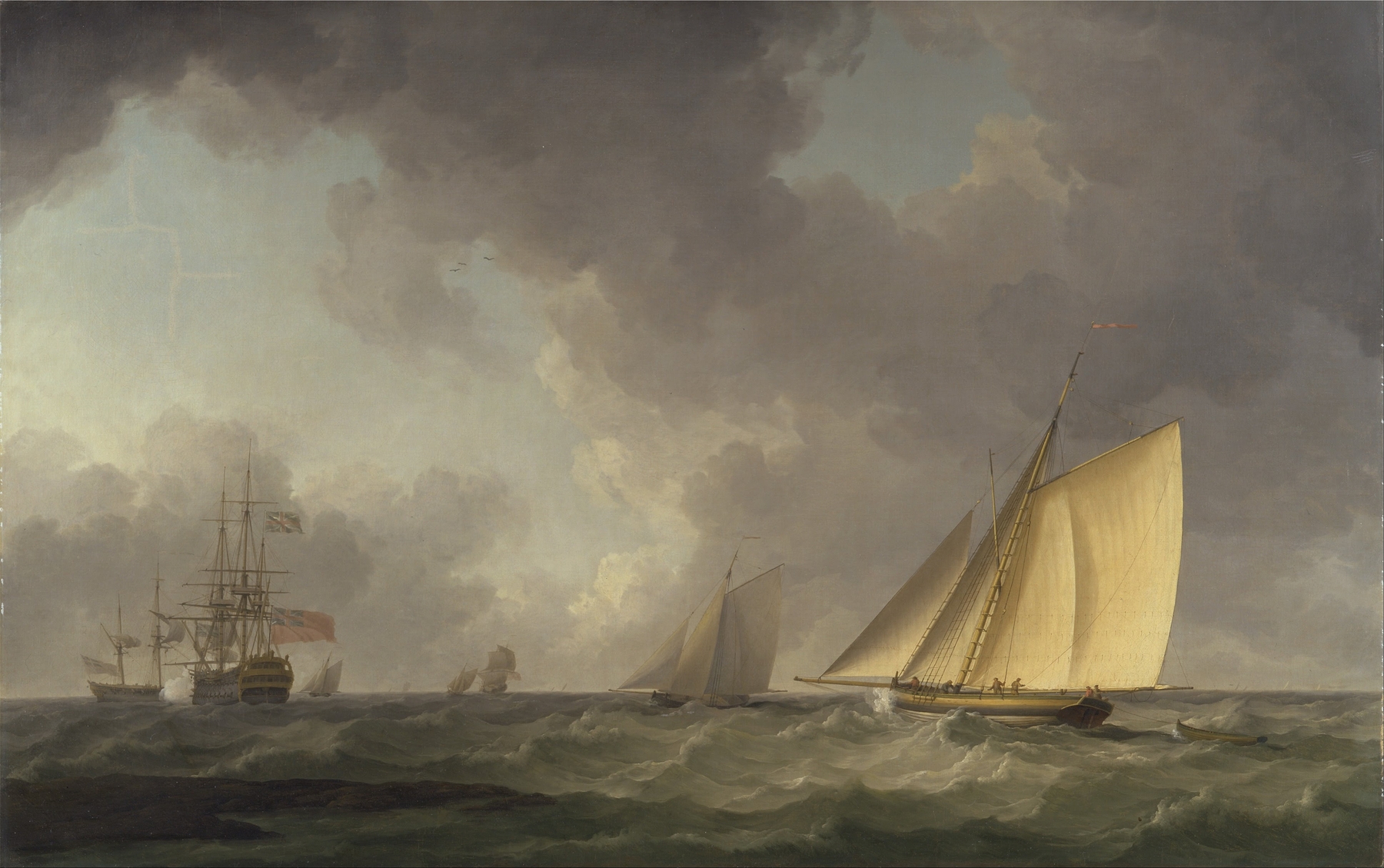
“Under the brush, chaos becomes grace.” In the world of maritime art, the interplay between turbulent seas and serene skies invokes a divine grace that speaks to the human spirit. Look closely at the vibrant contrast in Cutter Close Hauled in a Fresh Breeze, with Other Shipping. Notice how the artist's deft brushstrokes depict the billowing sails, capturing the moment when wind and water converge. The play of light on the waves dances across the canvas, guiding your gaze from the glistening hulls of the ships to the vast expanse of the sky, where swirling clouds hint at both opportunity and impending change.
Amidst the chaos of the ocean, there exists a harmonious balance. The tumultuous waves suggest struggle, yet the ships glide forward, embodying resilience and purpose. The varied sizes of vessels, from the nimble cutter to larger merchant ships, portray a hierarchy on the water that mirrors life’s own challenges and triumphs. The interplay of light and shadow not only enhances the depth of the scene but also symbolizes the divine influence that guides the sailors through uncertainty.
In 1750, Charles Brooking was immersed in a world where maritime trade flourished, and the sea was a vital artery for commerce and exploration. Painting in England during this period, he was part of a movement that celebrated both the beauty and the peril of the maritime experience. His ability to capture the essence of these moments reflected the changing tides of art and society, where the maritime motif became a canvas for both beauty and resilience.