A Small Man-O’war At Anchor With Cutters Under Sail — History & Analysis
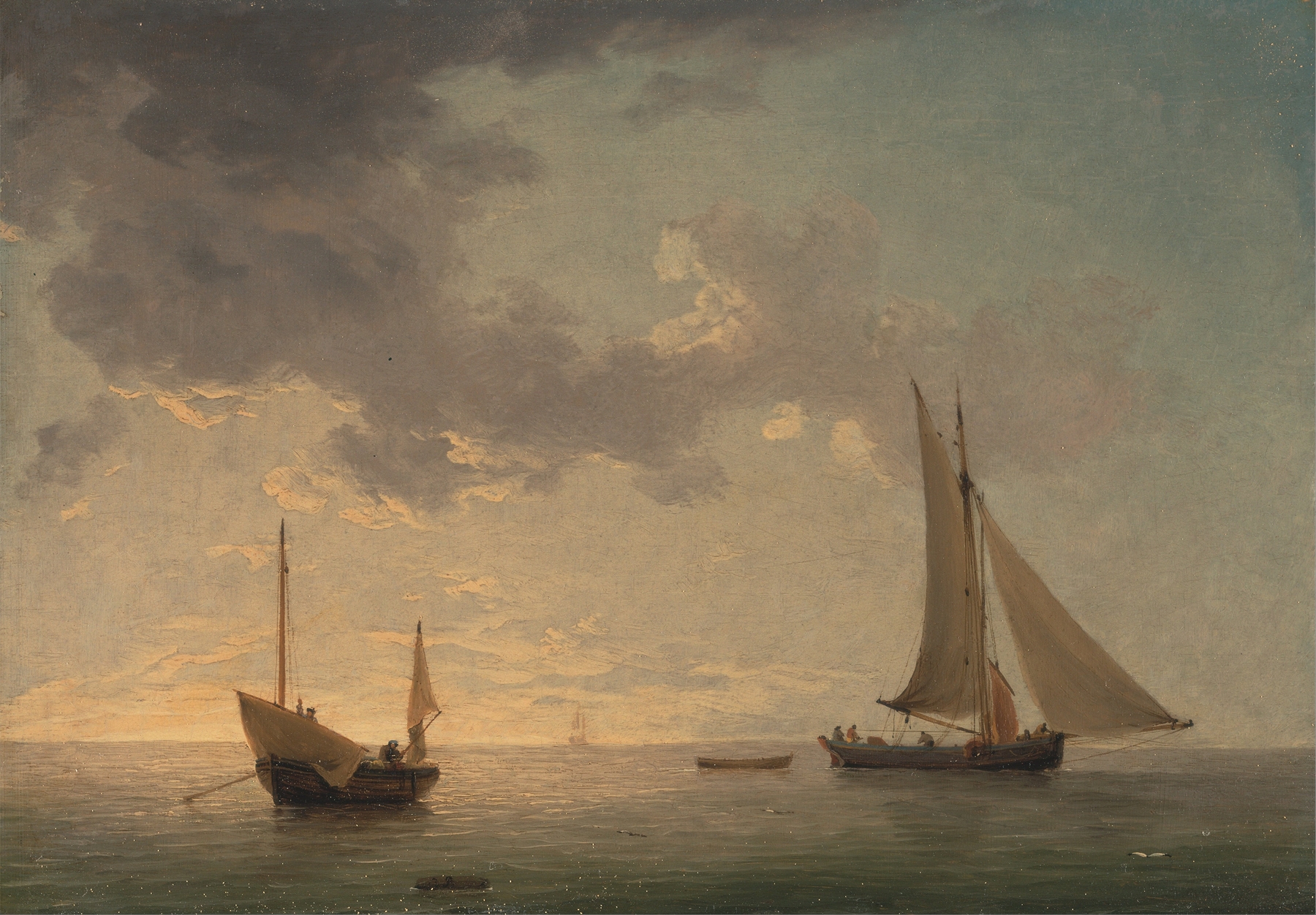
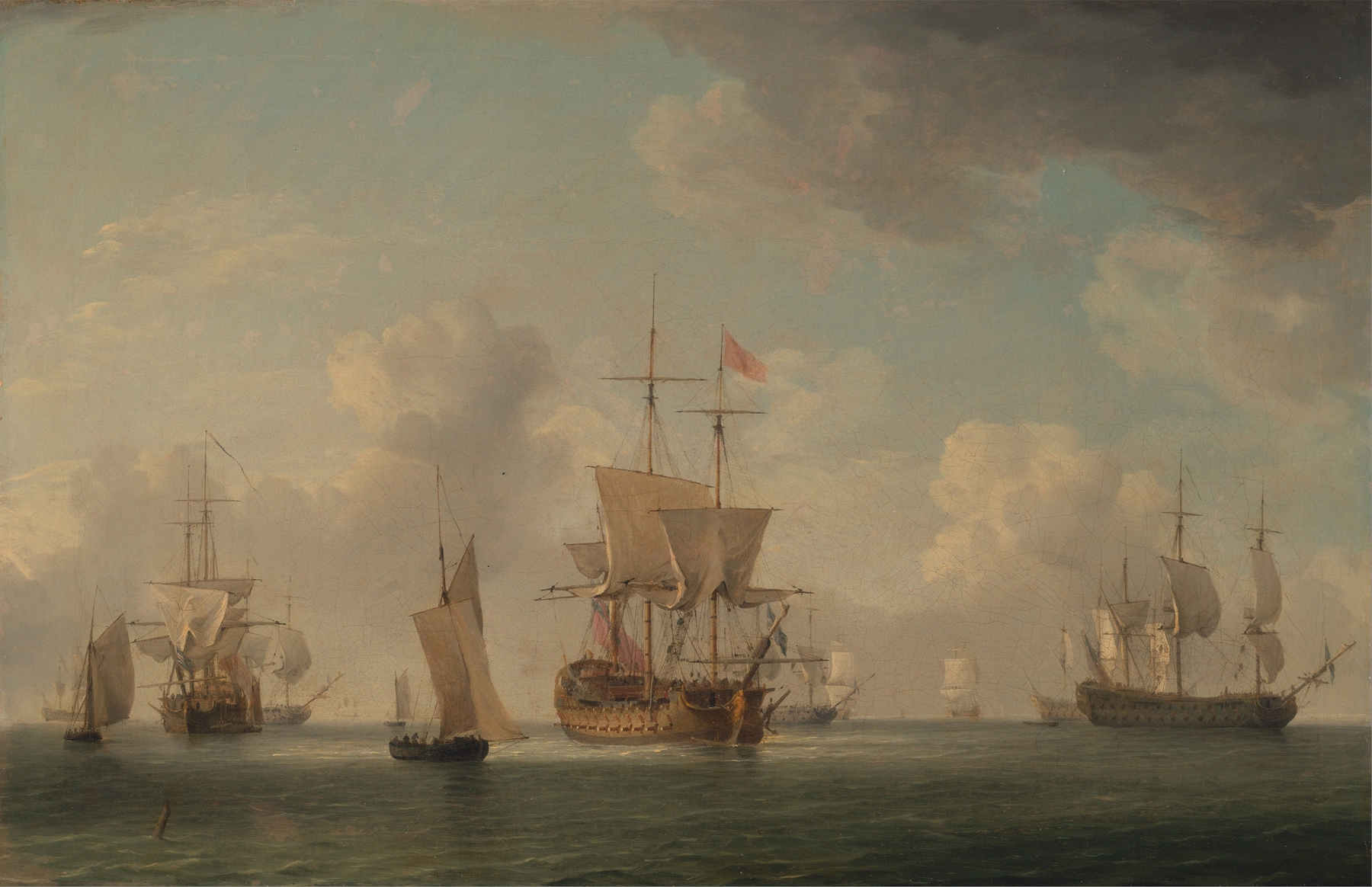
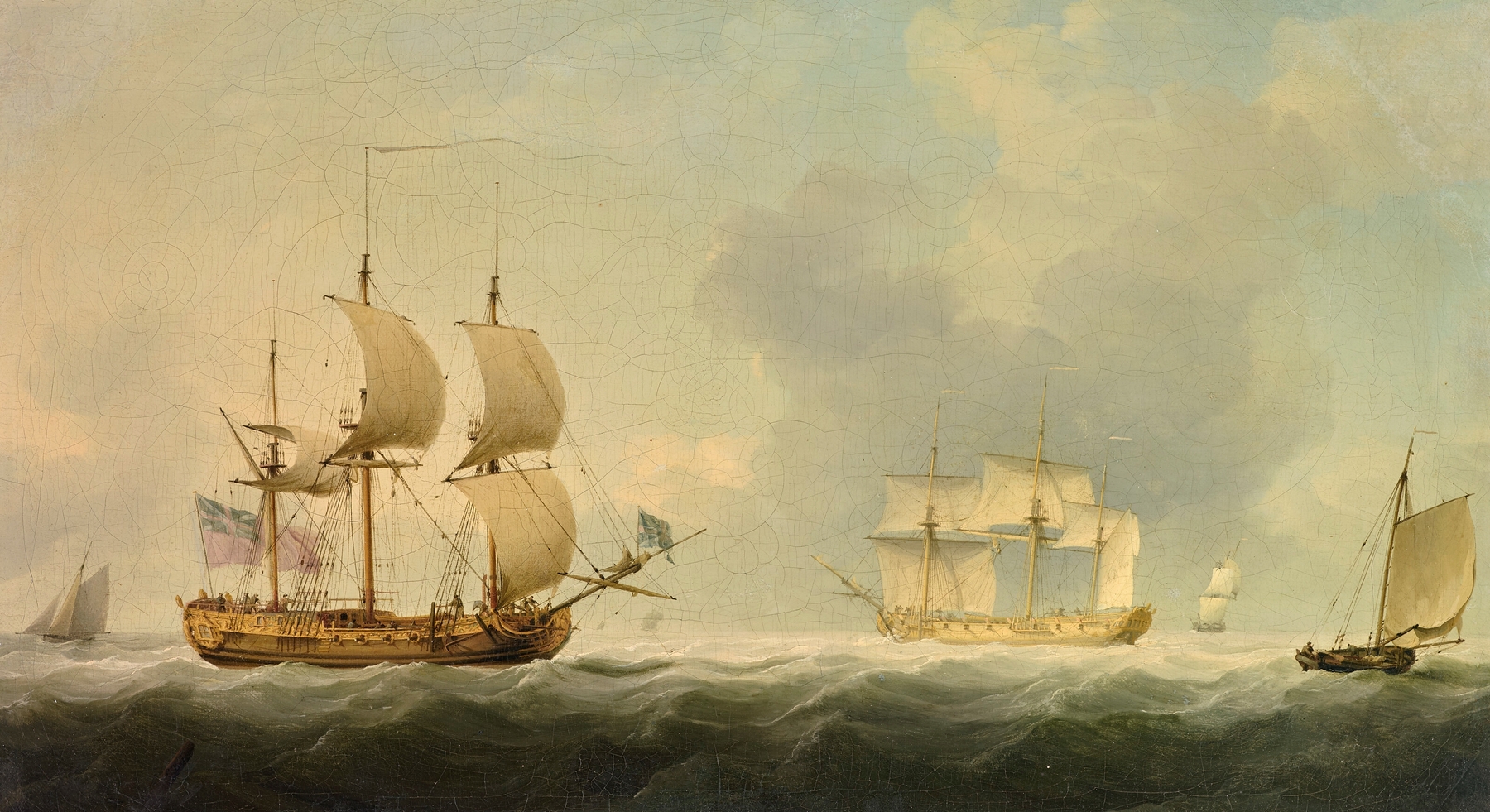
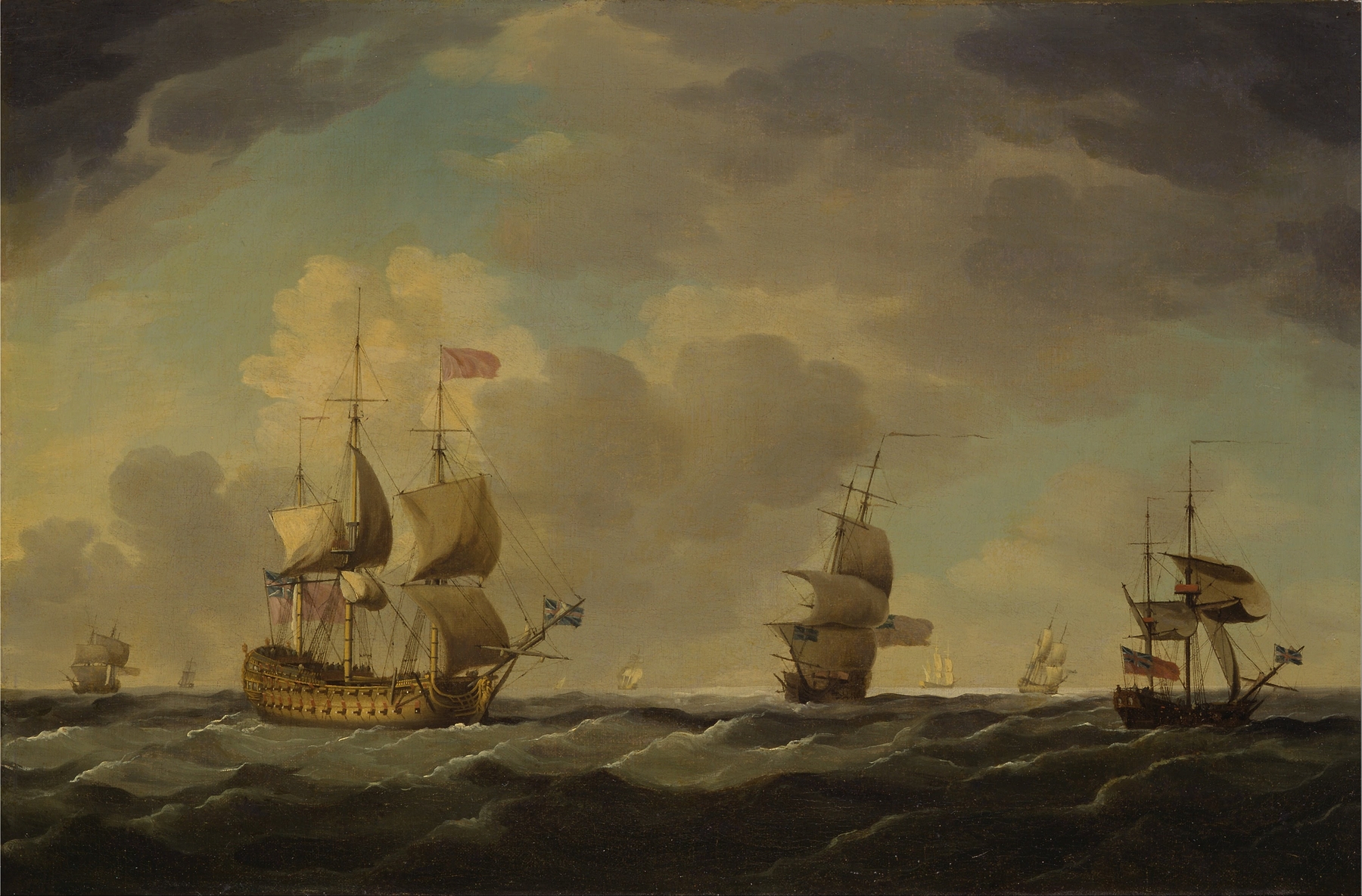
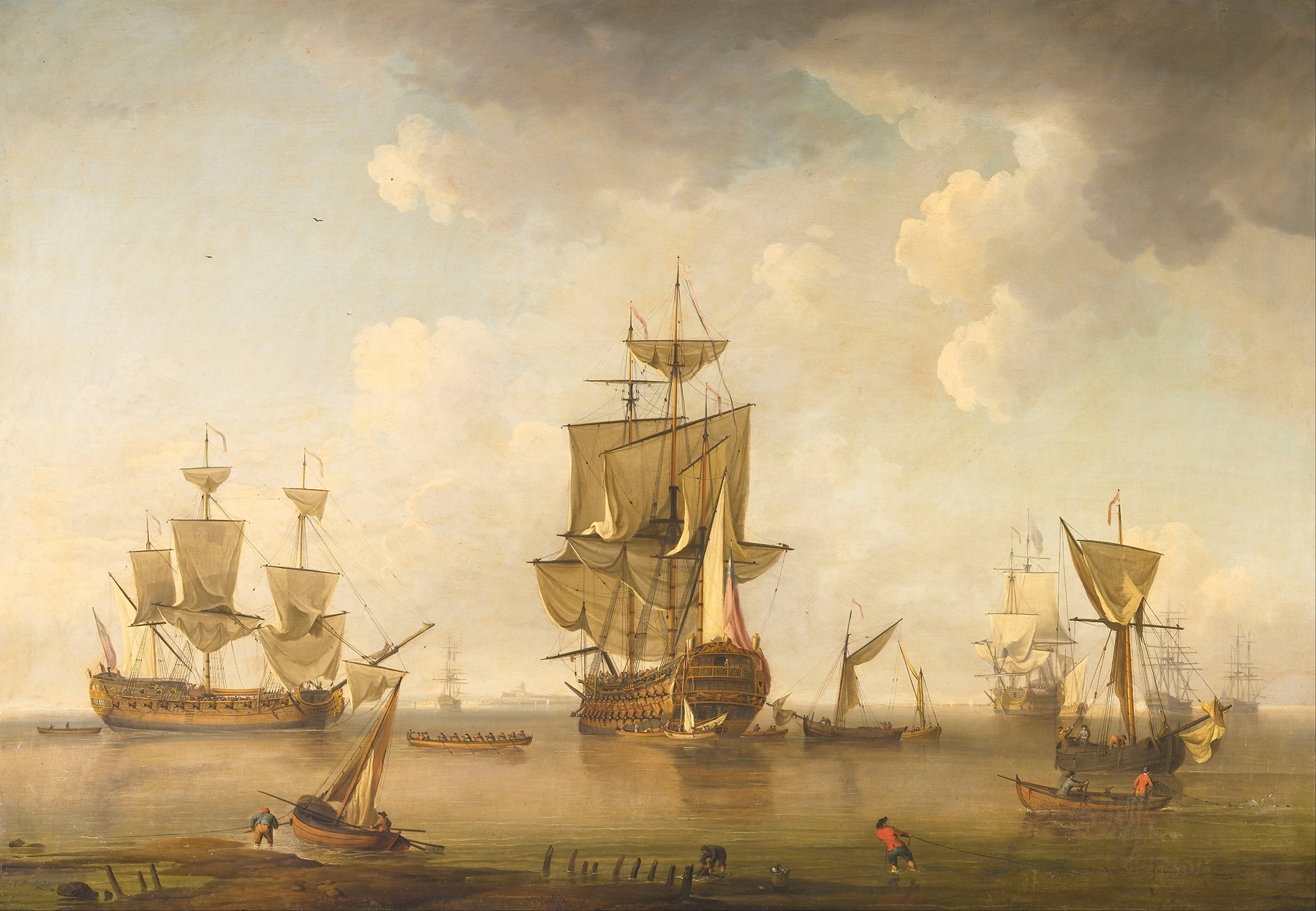
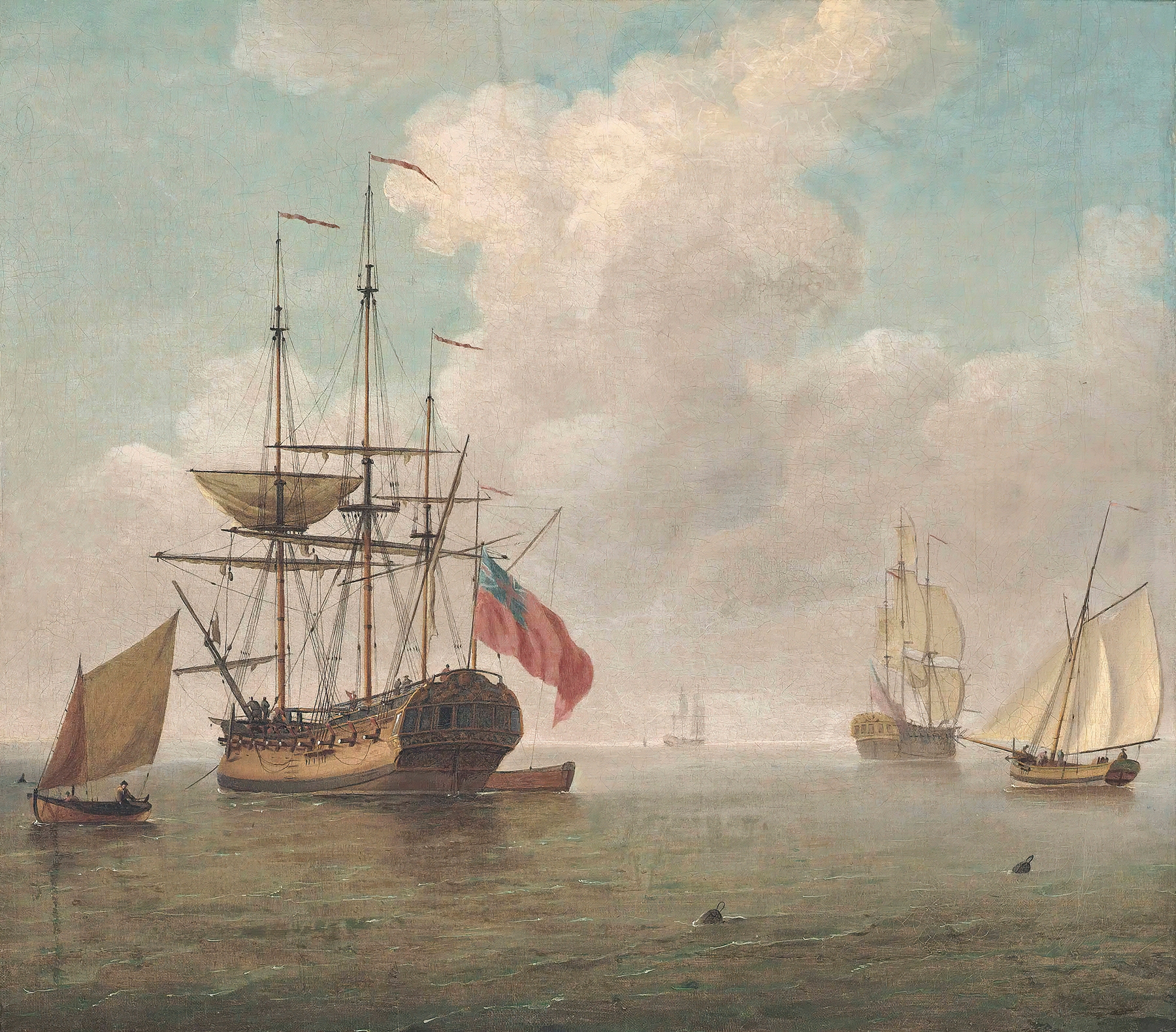
Is this a mirror — or a memory? The tranquil waters cradle a small vessel, its sails catching a whisper of the wind, while the distant horizon bleeds into shades of blue and gray. Each brushstroke reflects not only the physical reality but also the ethereal quality of time suspended, inviting one to ponder the stories hidden beneath the surface. Look to the center of the canvas, where the man-o’wars rest in their elegance, their silhouettes stark against the softer hues of the sea. Notice how the artist captures the interplay of light and shadow, creating a shimmering effect on the water’s surface.
The delicate yet deliberate strokes of the waves contrast with the robust presence of the boats, delivering a sense of both calm and tension, as if the boats are caught between movement and stillness. The color palette, dominated by deep blues and muted whites, emphasizes the serene isolation of the scene, while subtle hints of ochre bring warmth to the otherwise cool composition. Delve deeper into the painting, and you’ll discover the underlying narrative of adventure and stillness. The juxtaposition of the anchored vessel against the cutters under sail suggests a tension between rest and movement, contemplation and action.
The reflections in the water not only mirror the boats but also evoke the fragile boundary between reality and dreams, inviting viewers to explore their own memories of the sea and its infinite allure. Created during a period when maritime scenes flourished in British art, this work emerged in the 18th century, a time marked by exploration and naval prowess. Charles Brooking, known for his depictions of coastal life, painted this piece amidst a burgeoning interest in both naturalistic representation and the romanticism of the ocean. The world around him was vibrant with the spirit of the Age of Sail, a time when the sea symbolized both adventure and a sense of belonging.