Men of War in Harbour — History & Analysis
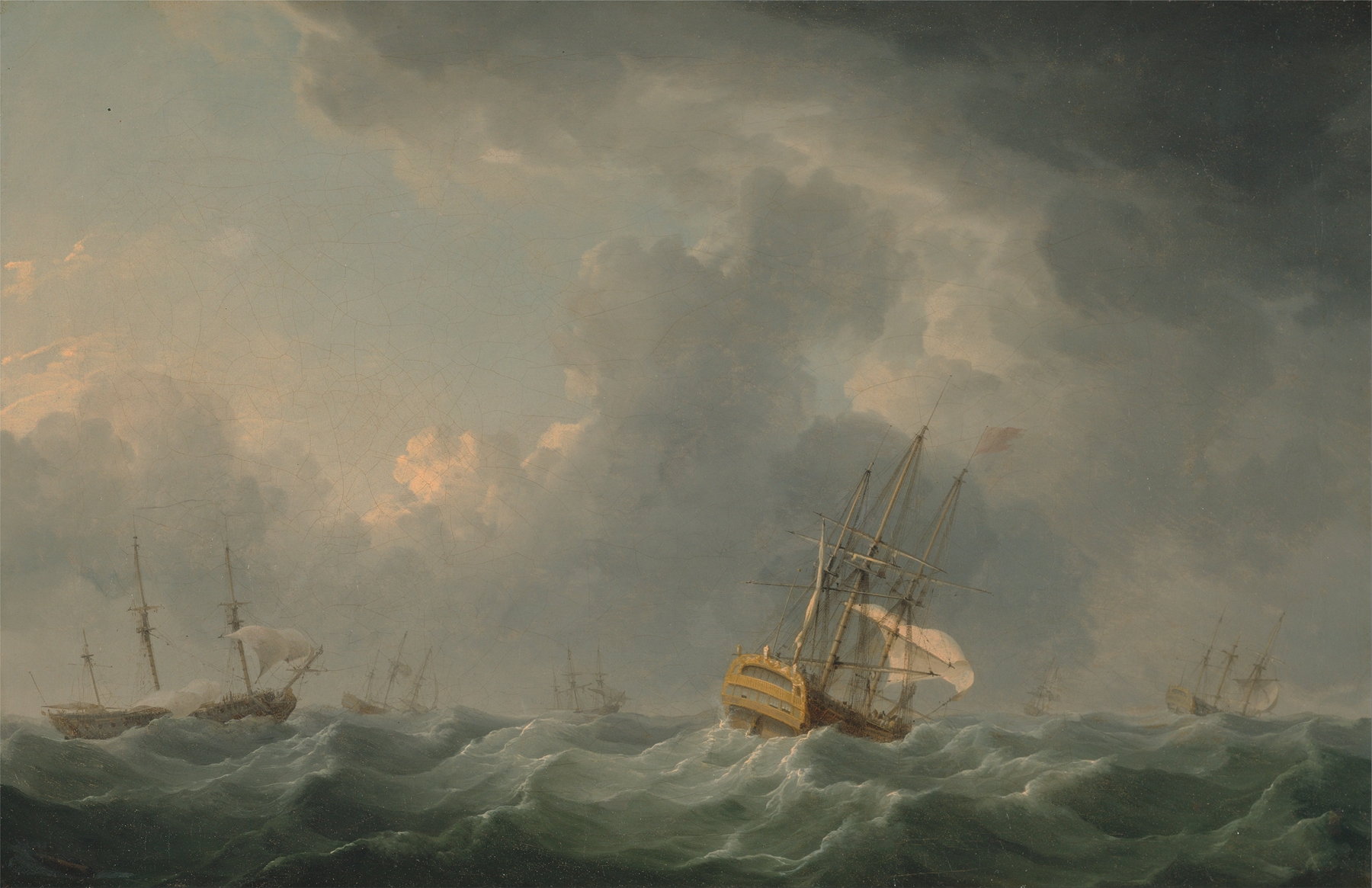
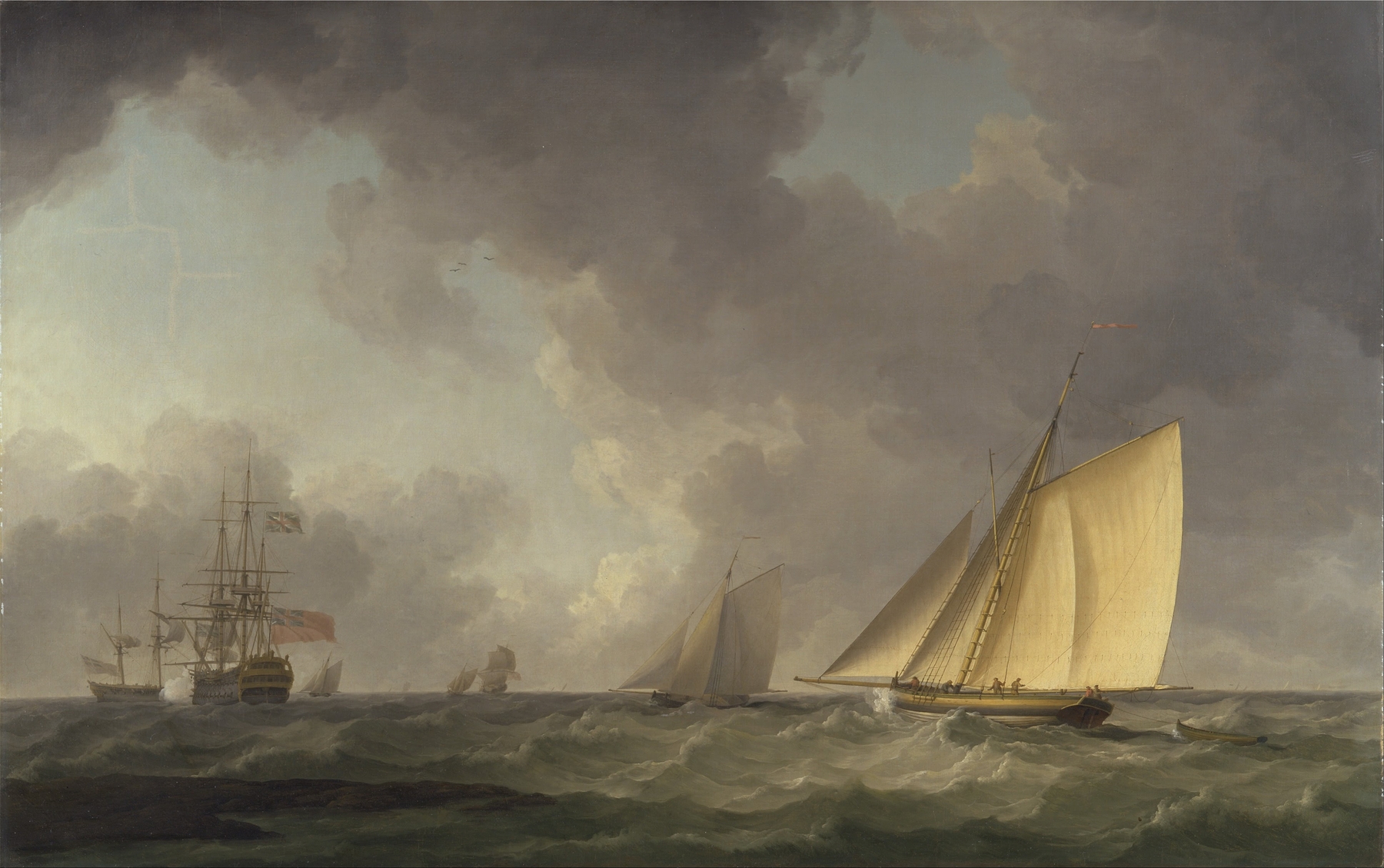
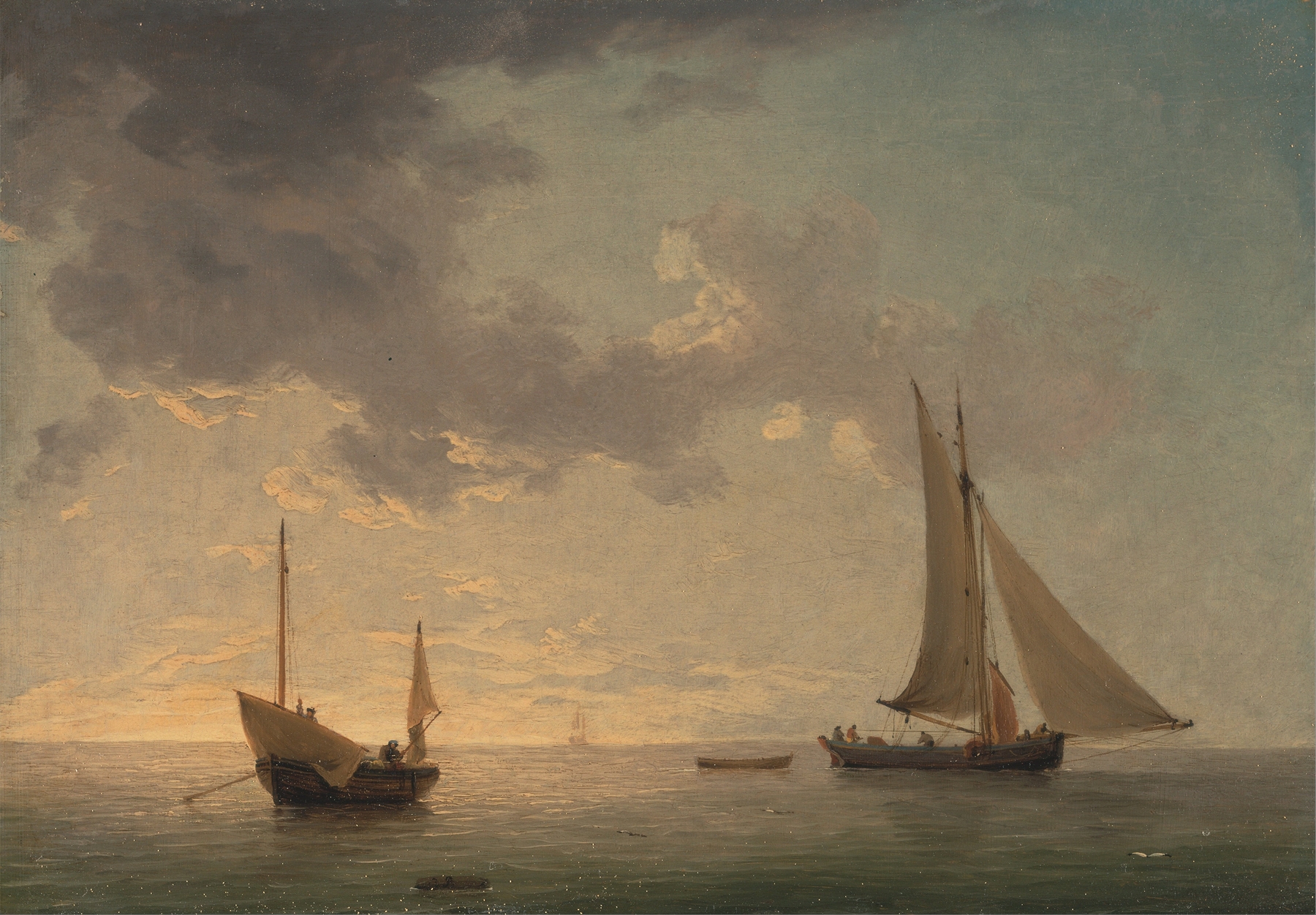
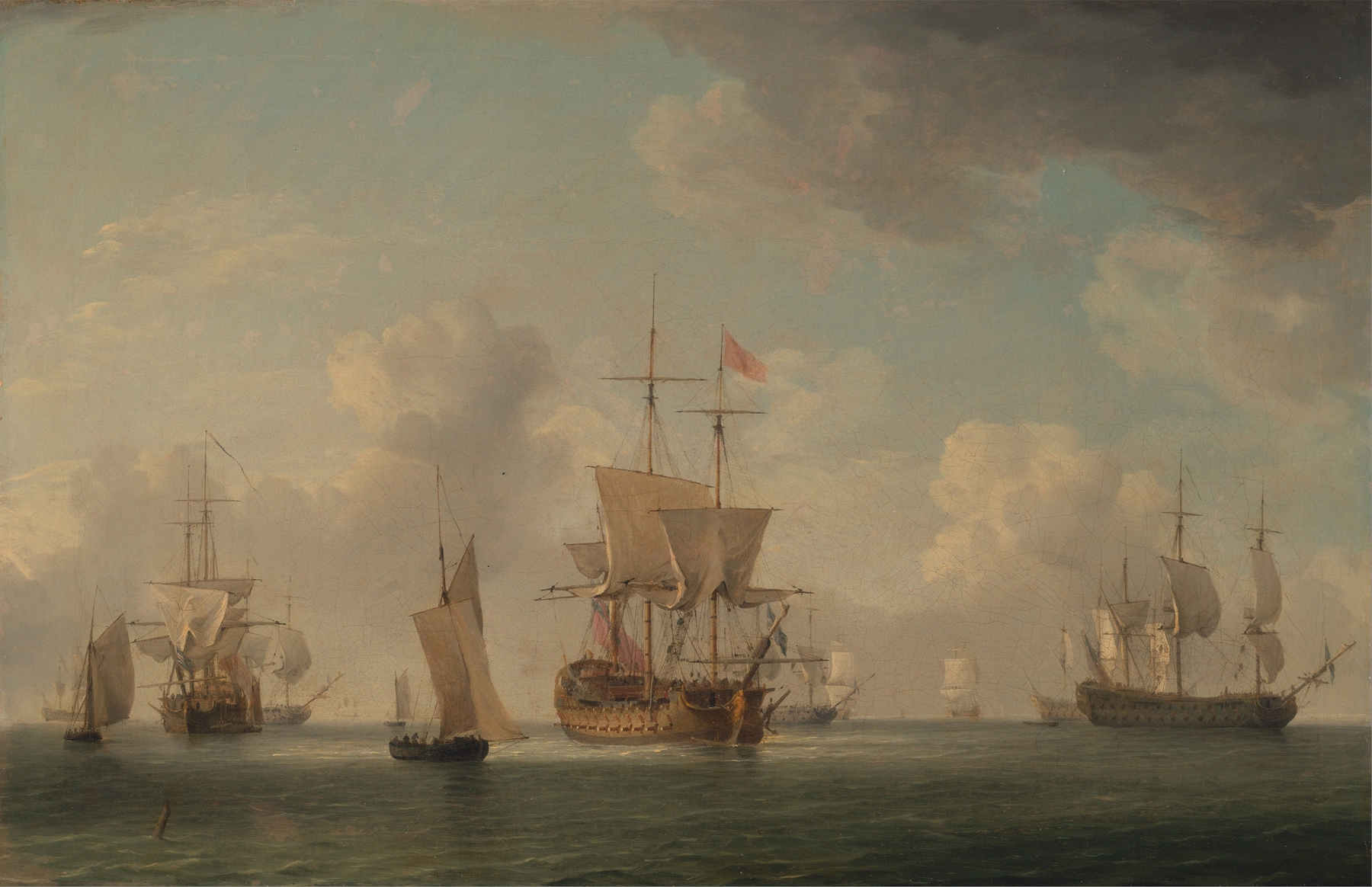
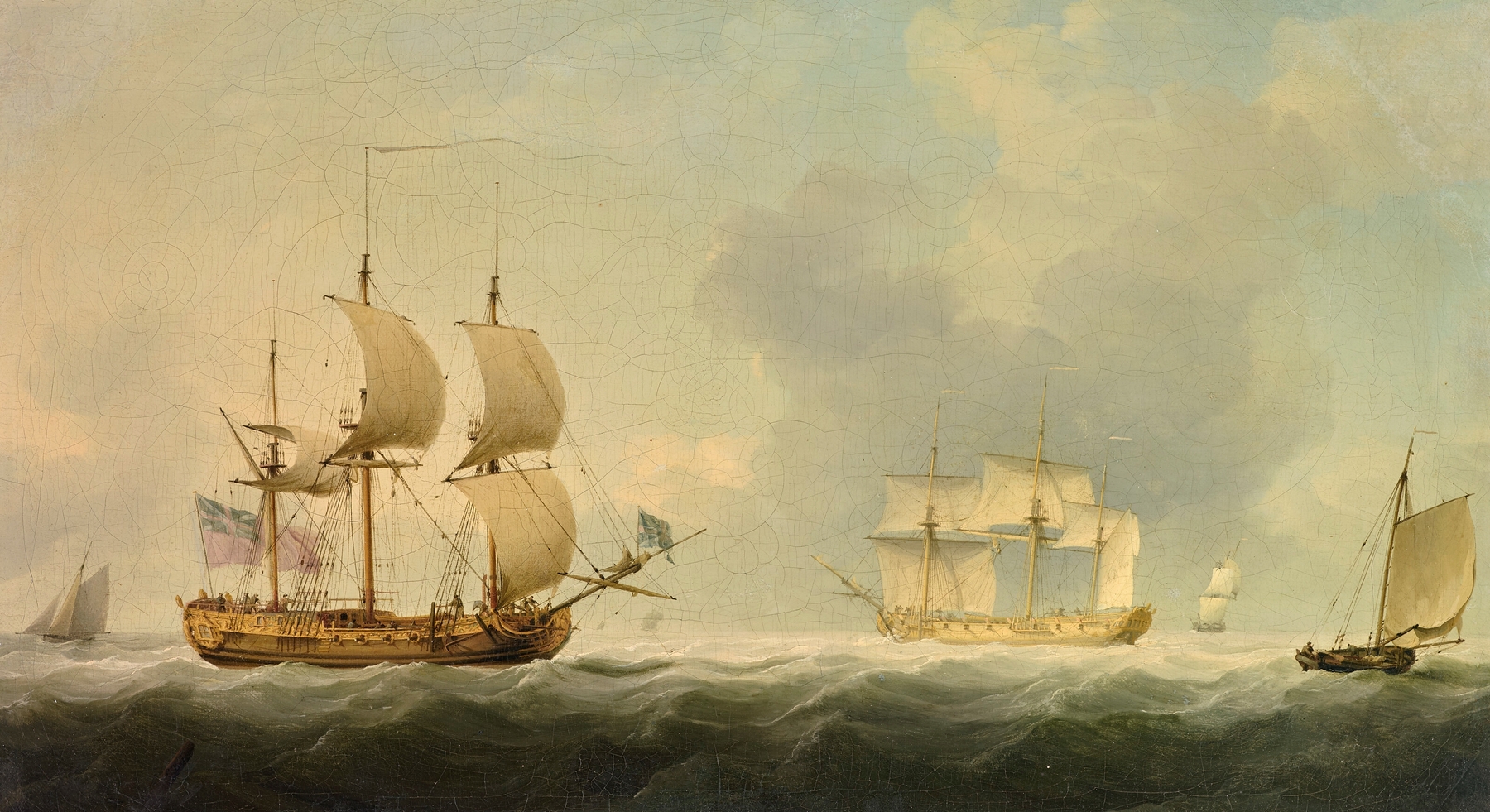
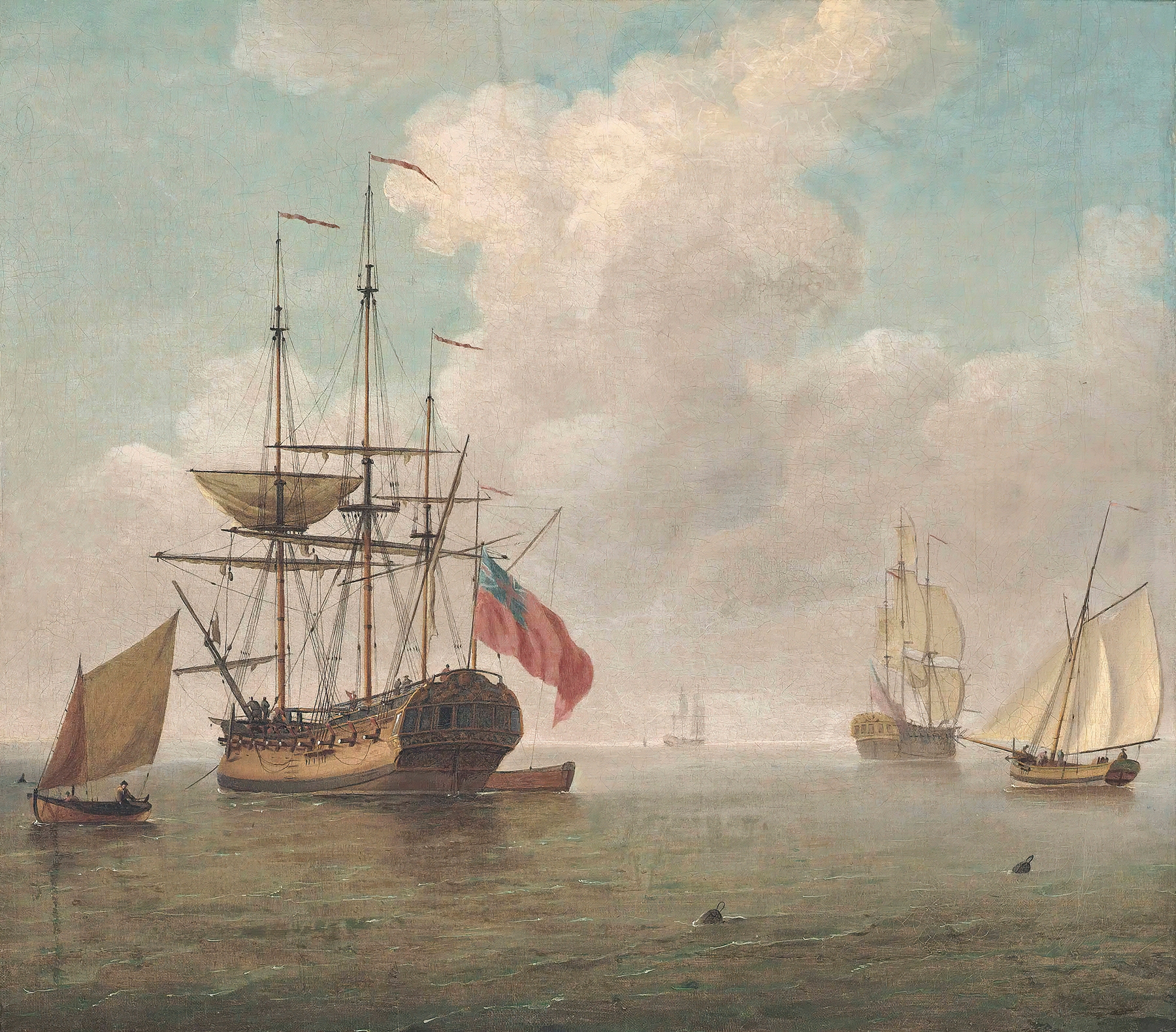
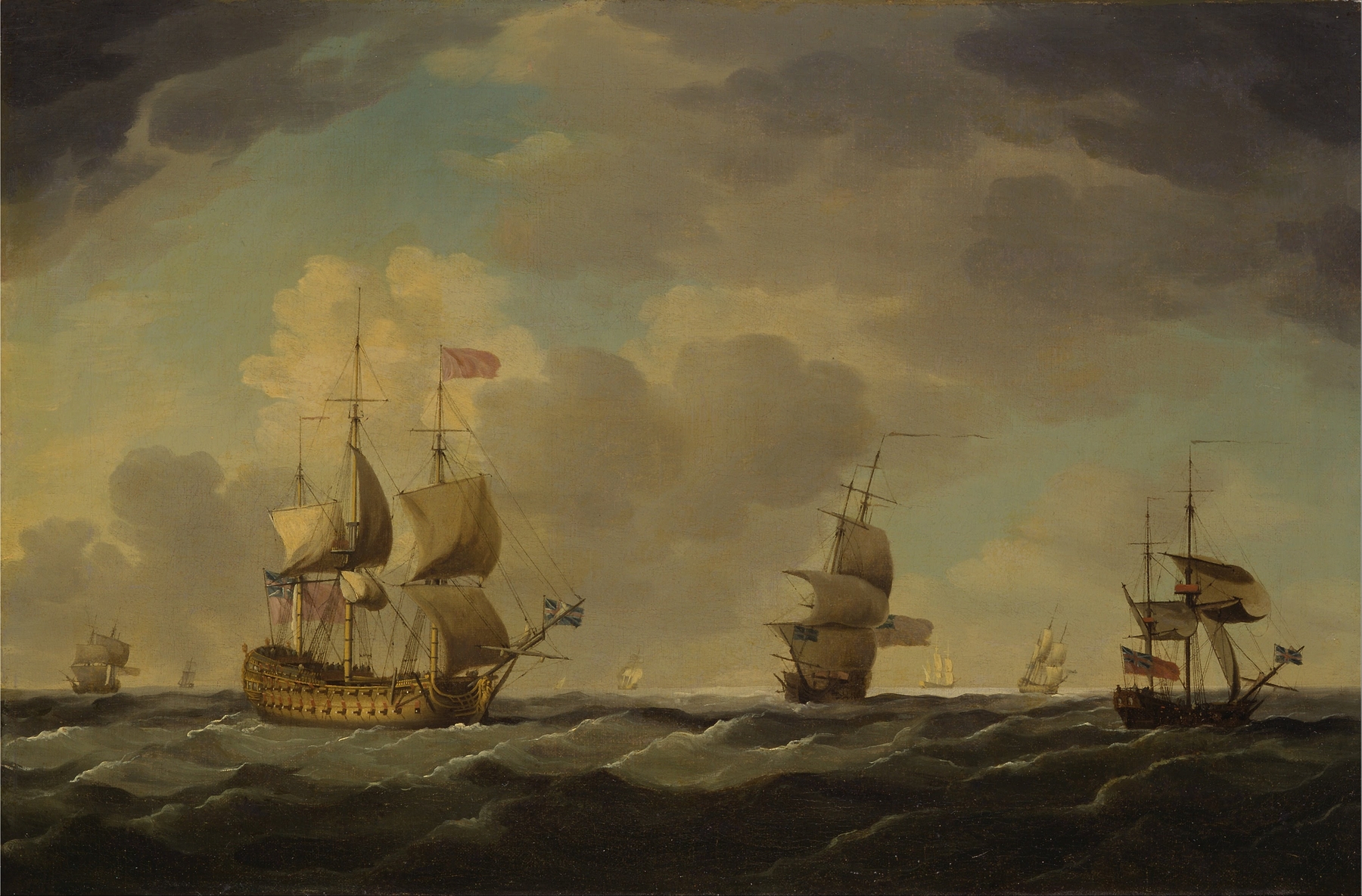
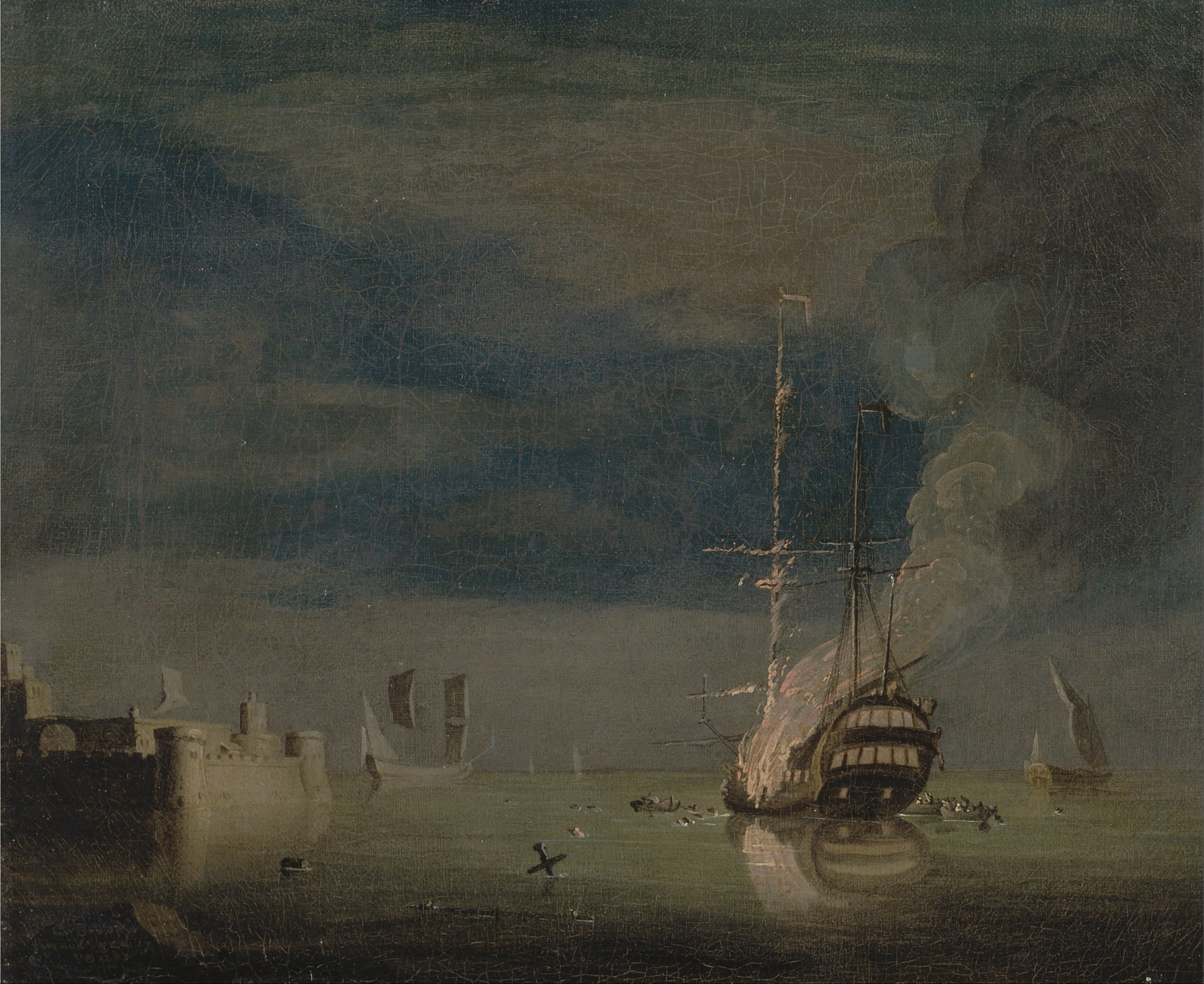
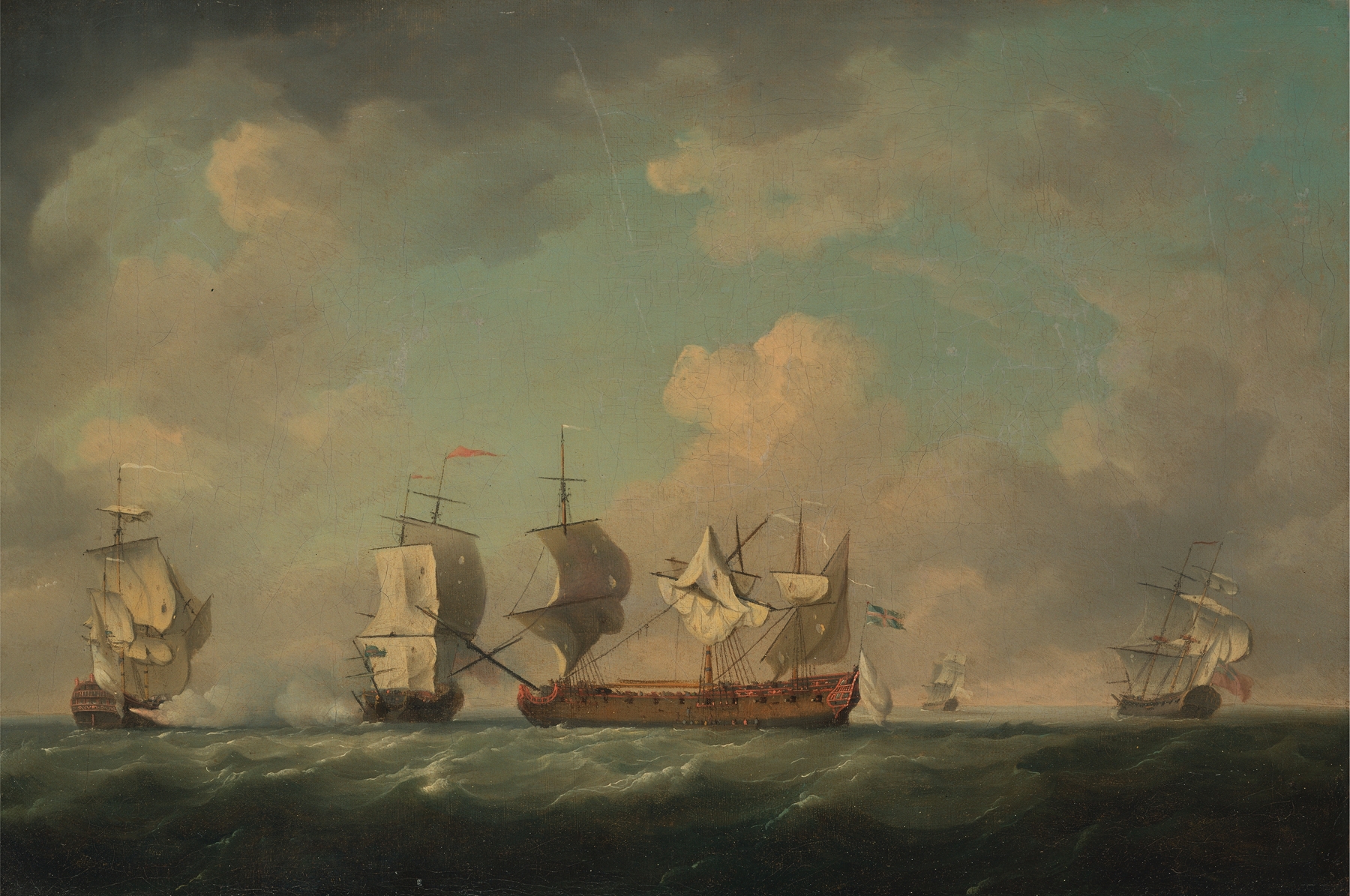
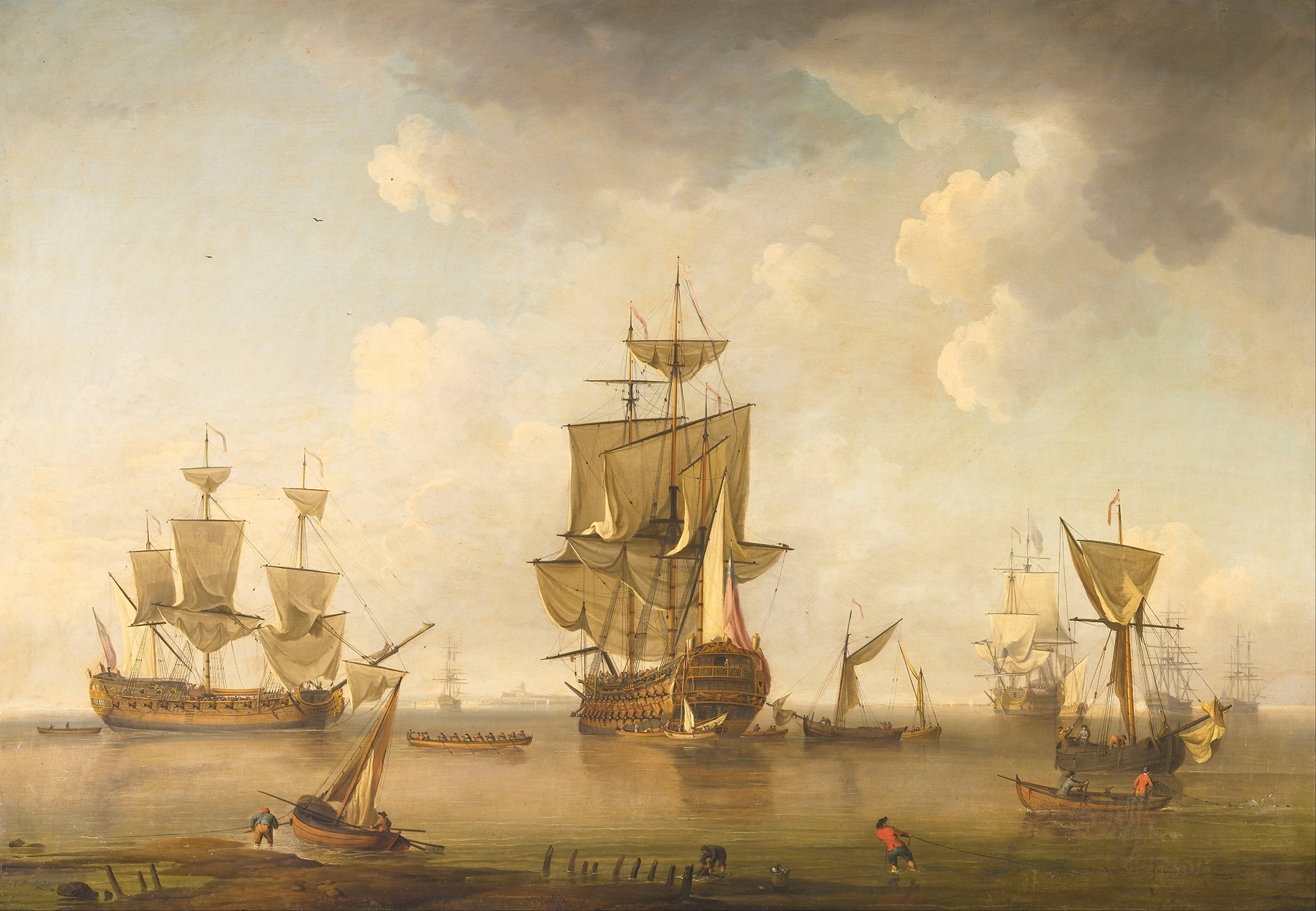
“Sometimes beauty is just pain, disguised in gold.” In the shimmering expanse of water, the harbor appears deceptively tranquil, yet beneath its surface lies a history laced with betrayal and conflict. Focus first on the gentle undulations of the waves that reflect the sun's warm embrace, a stark contrast to the imposing silhouettes of warships that loom in the background. The artist skillfully uses deep blues and greens to capture the sea, while flecks of gold paint hint at the warmth of the setting sun. Notice the juxtaposition of the serene sky and the formidable vessels; this composition evokes a sense of impending doom, as if nature itself is holding its breath in anticipation.
The tension in Men of War in Harbour lies not only in its visual contrasts but in the underlying narrative of naval power and the human cost of conflict. The ships, while majestic, symbolize oppression and the potential for violence. Amidst the serene beauty of the harbor, there is an unsettling reminder of the betrayal of peace when war looms so close. The light dances across the canvas, illuminating the dichotomy of beauty and brutality, inviting viewers to reflect on the scars left by history.
Charles Brooking created this work during a tumultuous period for naval warfare, likely in the late 17th century when maritime conflicts were rampant. His paintings often reflected the tensions of his time, capturing both the grandeur of ships and the subtle tragedies of their existence. The artist, influenced by the Baroque style, sought to portray the interplay of light and shadow, revealing the complex emotions tied to war and its impact on the human spirit.