Dawn at Isawa in Kai Province — History & Analysis
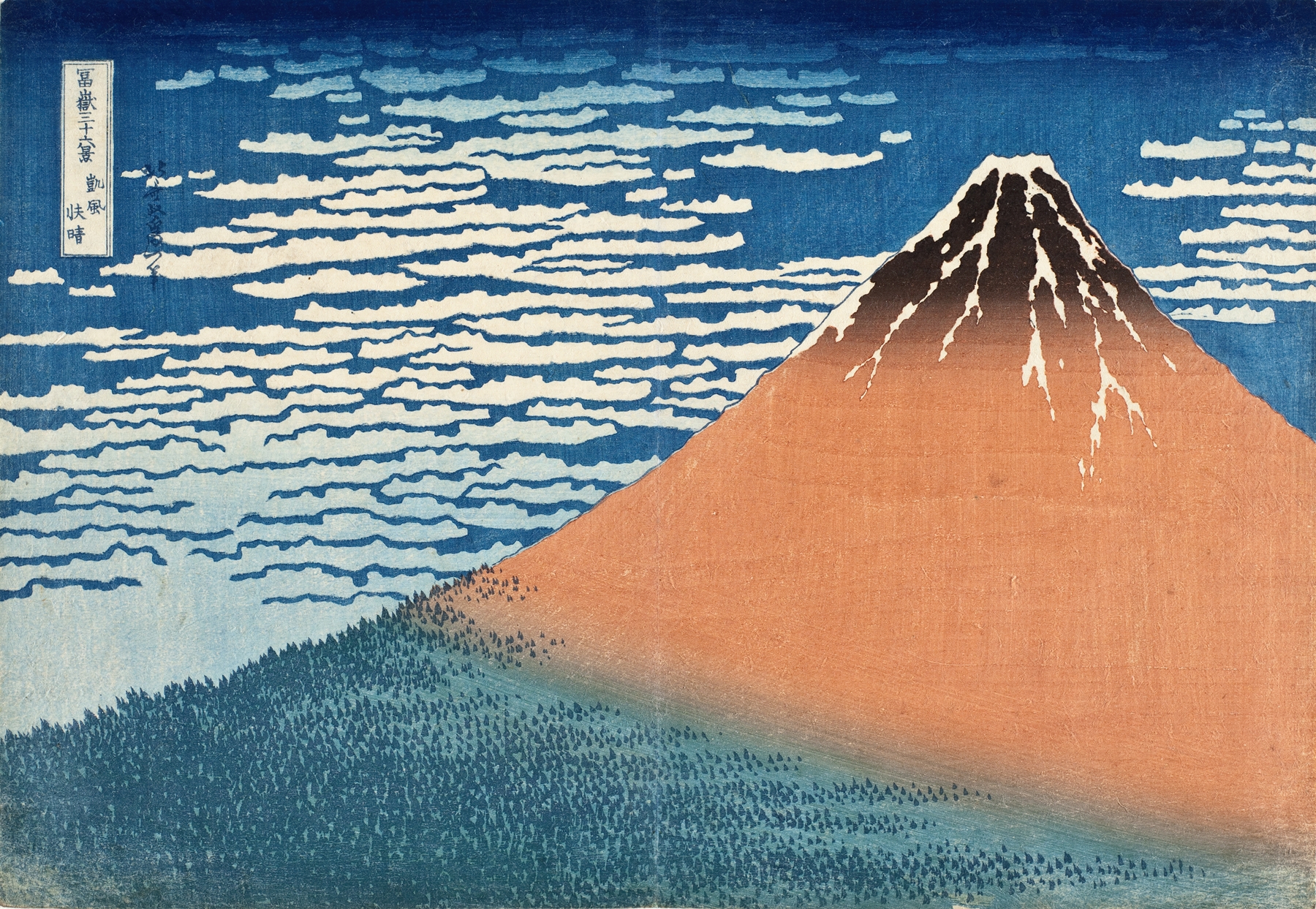
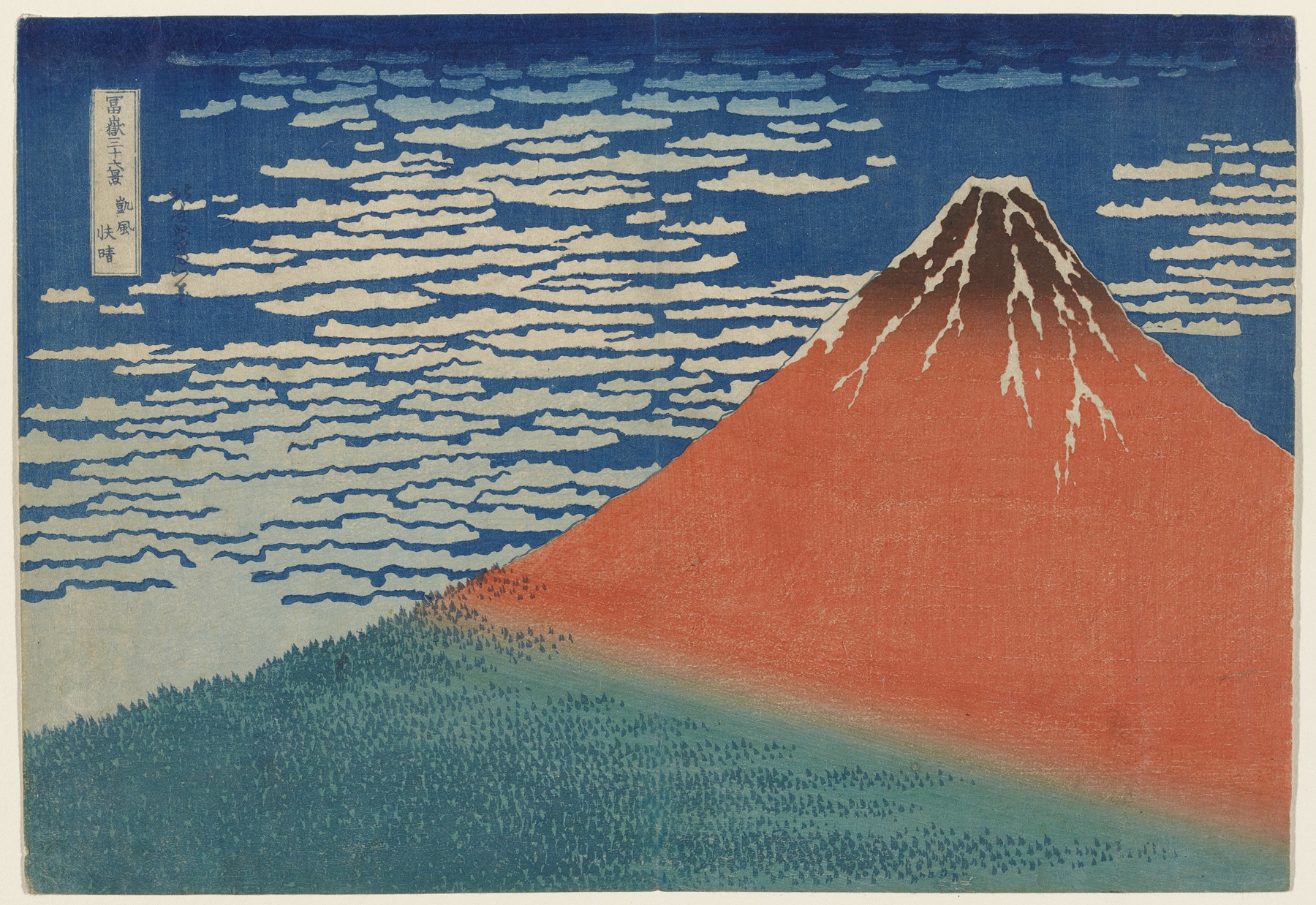
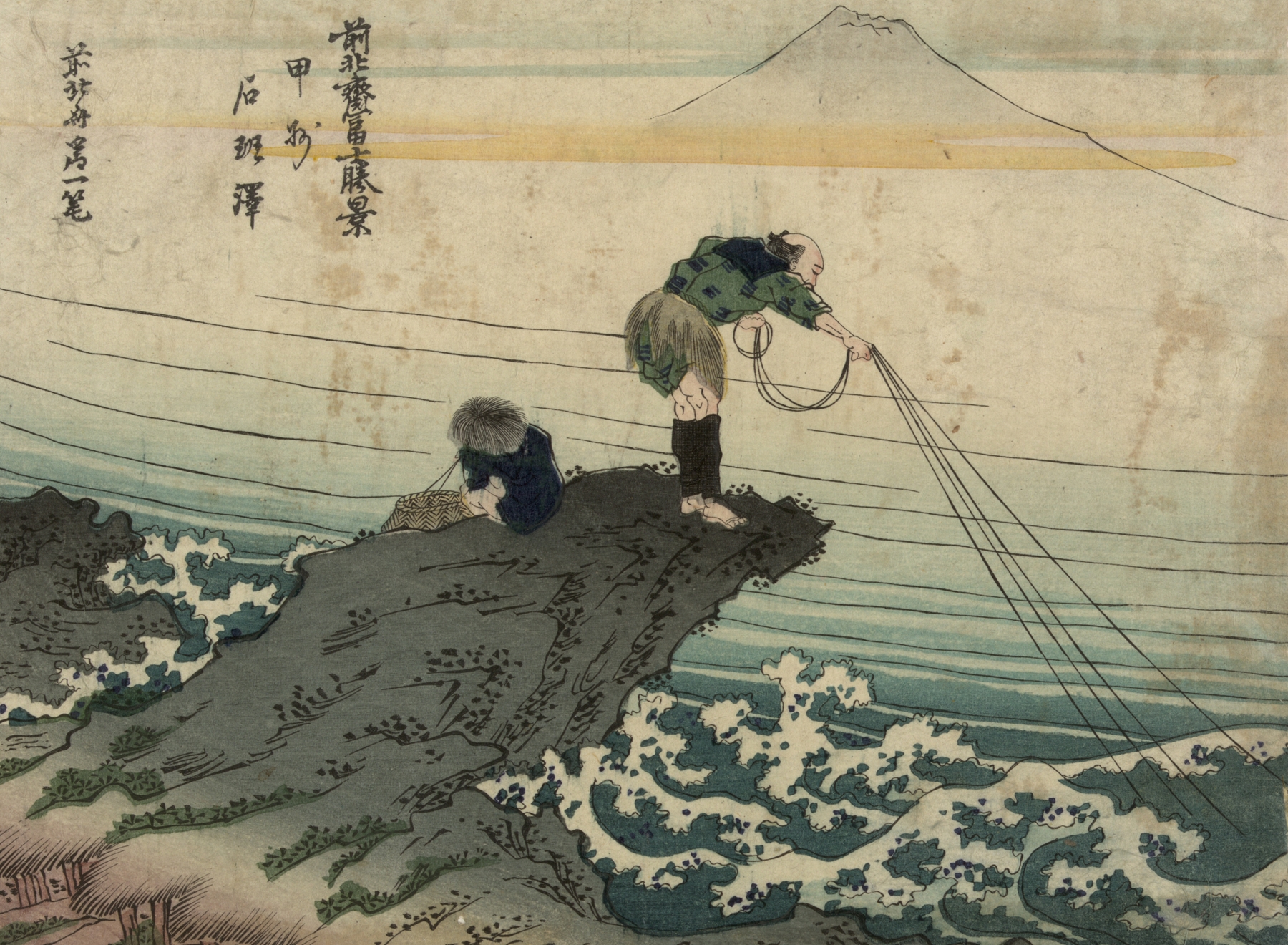
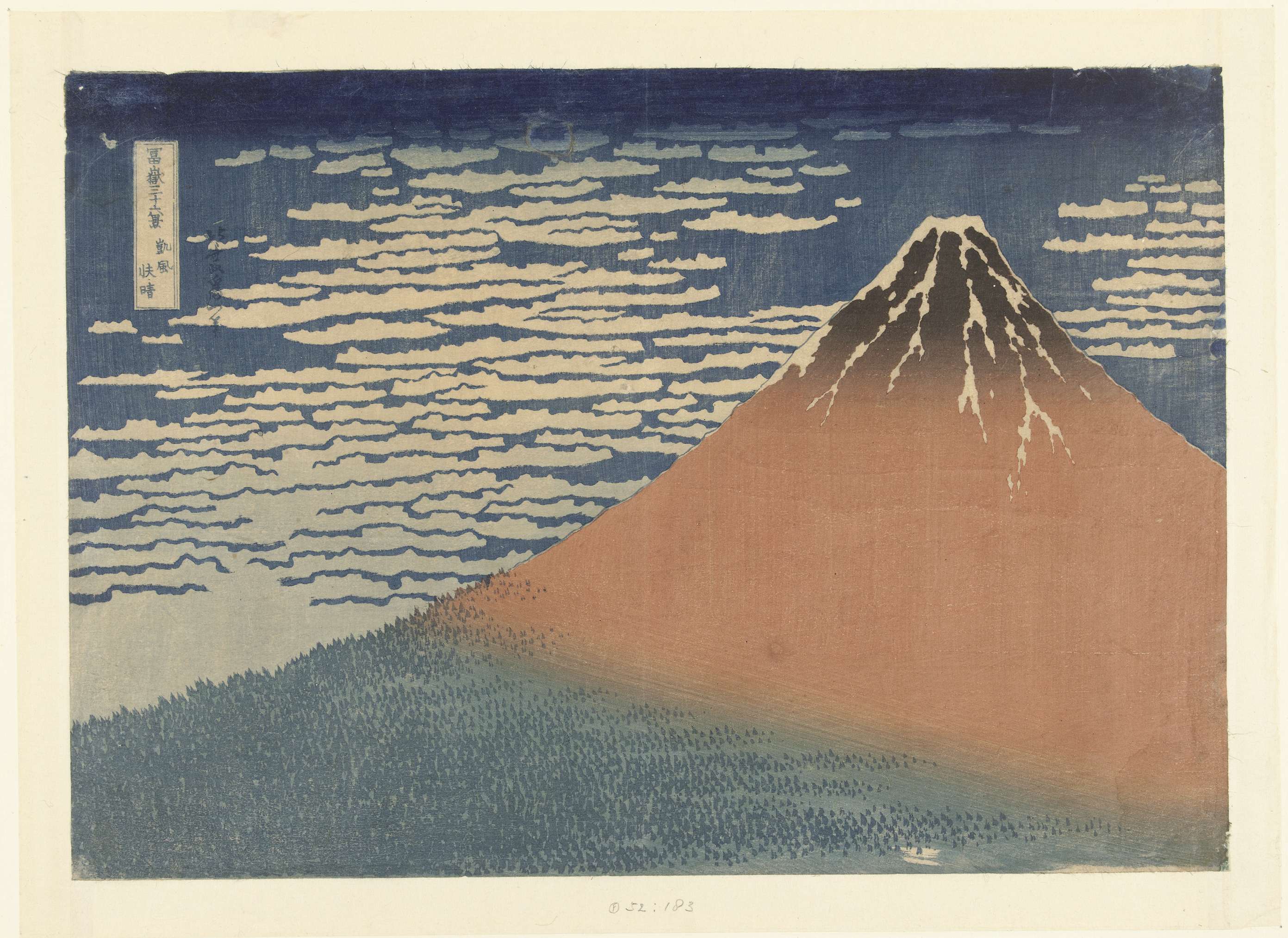
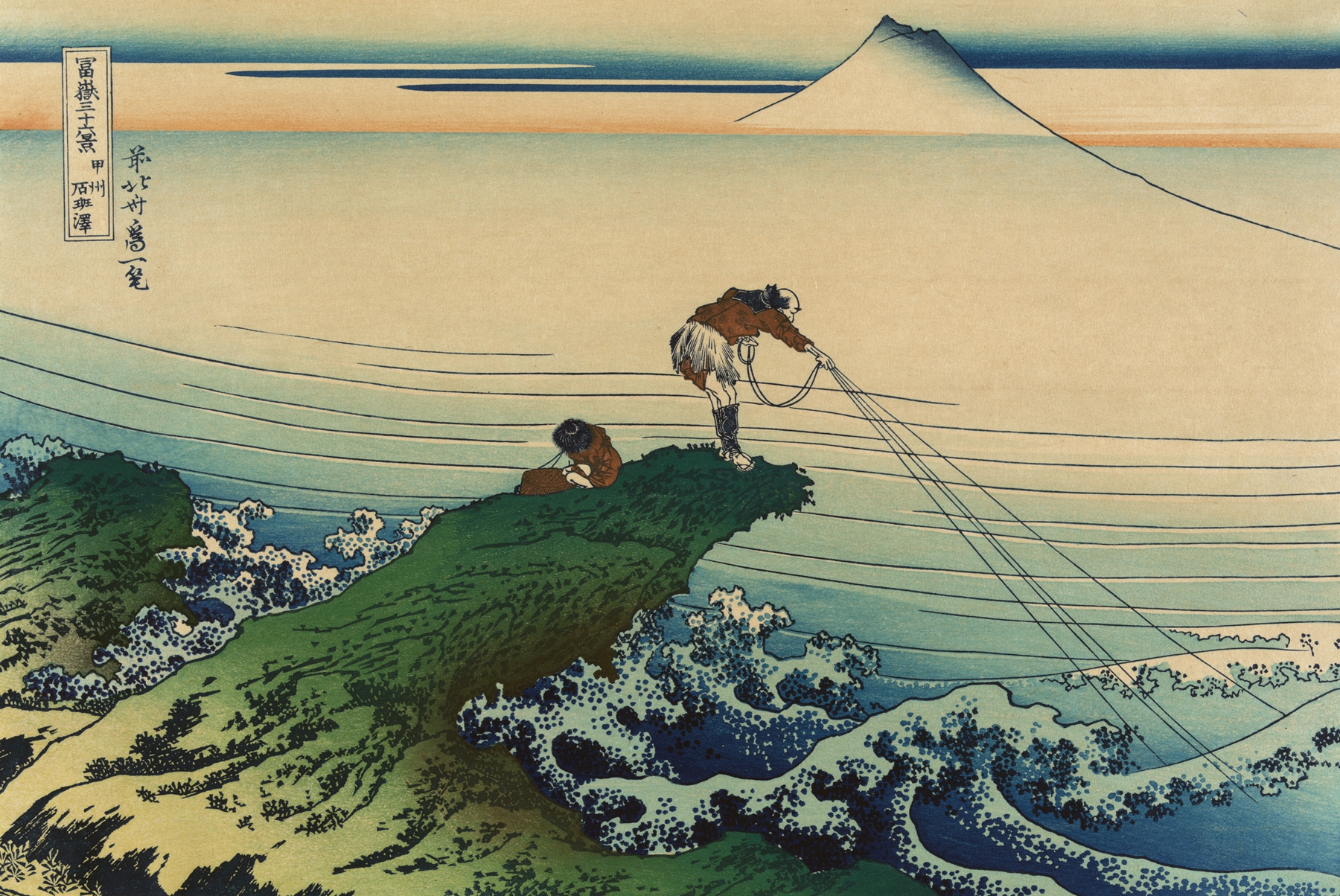
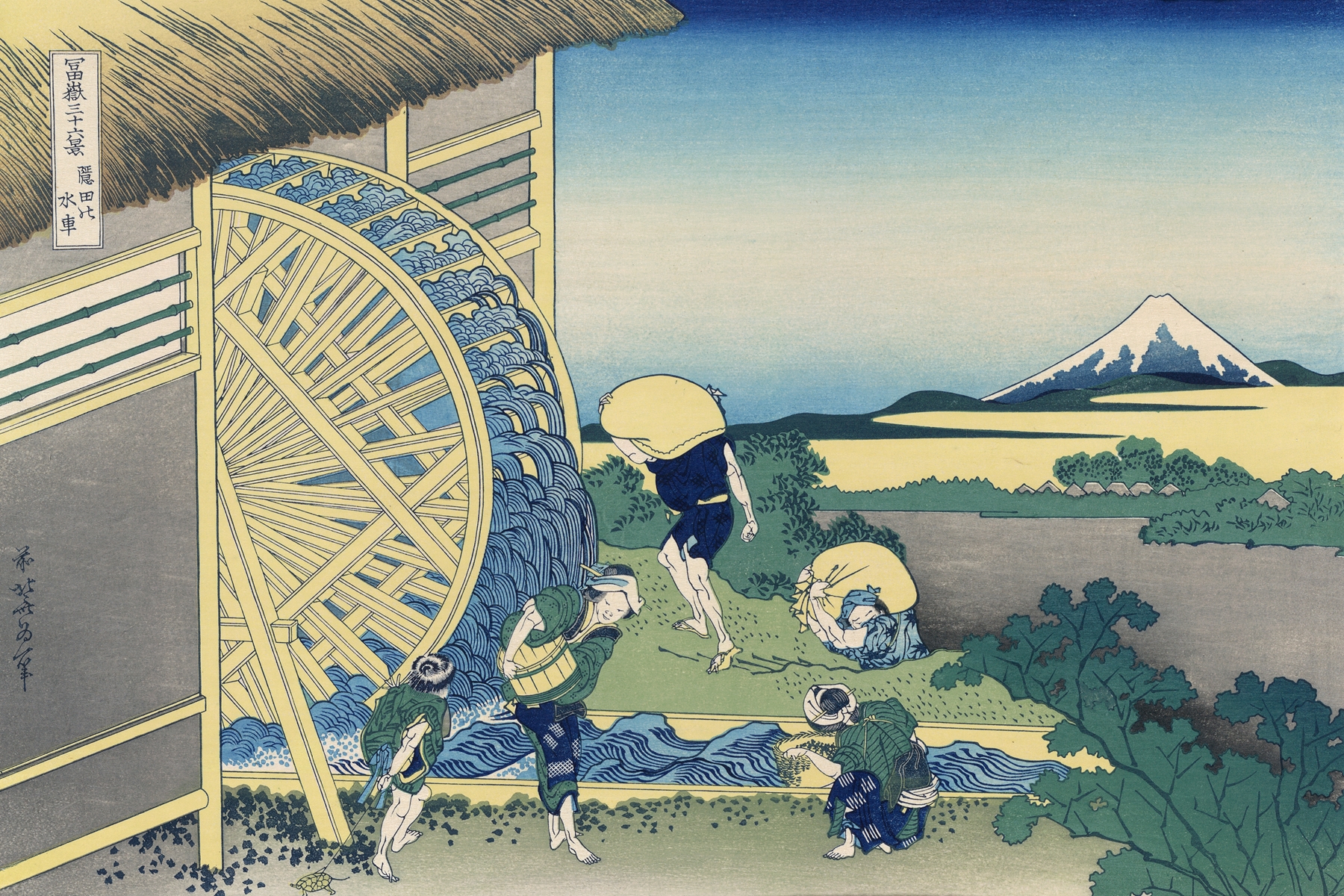
Can beauty exist without sorrow? In Dawn at Isawa in Kai Province, the interplay of light and landscape evokes a sense of tranquility intertwined with the weight of fleeting moments. Here, nature’s splendor unfolds, inviting contemplation and reflection. Look closely at the horizon where the sun begins its ascent, bathing the scene in soft hues of rose and gold.
The delicate brushstrokes replicate the gentle undulations of the hills, while the foreground features serene waters that mirror the awakening sky. Notice how the artist balances color, employing muted tones for the land, allowing the radiant sky to dominate the composition, compelling the viewer’s gaze upward. This artwork embodies contrasts: the serene stillness of dawn against the ephemeral nature of beauty itself. The figures, small and nearly indistinct against the vastness of their surroundings, suggest the insignificance of humanity in the face of nature's grandeur.
Furthermore, the quiet atmosphere hints at a moment of reflection, where the promise of a new day carries both hope and the inevitable passage of time. During this period, Hokusai was immersed in the Ukiyo-e movement, a style that celebrated the beauty of transient moments in everyday life. Created in the early 19th century, this piece reflects Japan's evolving artistic landscape, as the country began to open up to new influences while still holding onto deep-rooted traditions. The calm yet powerful imagery in this work speaks to both personal and collective experiences of beauty and melancholy.