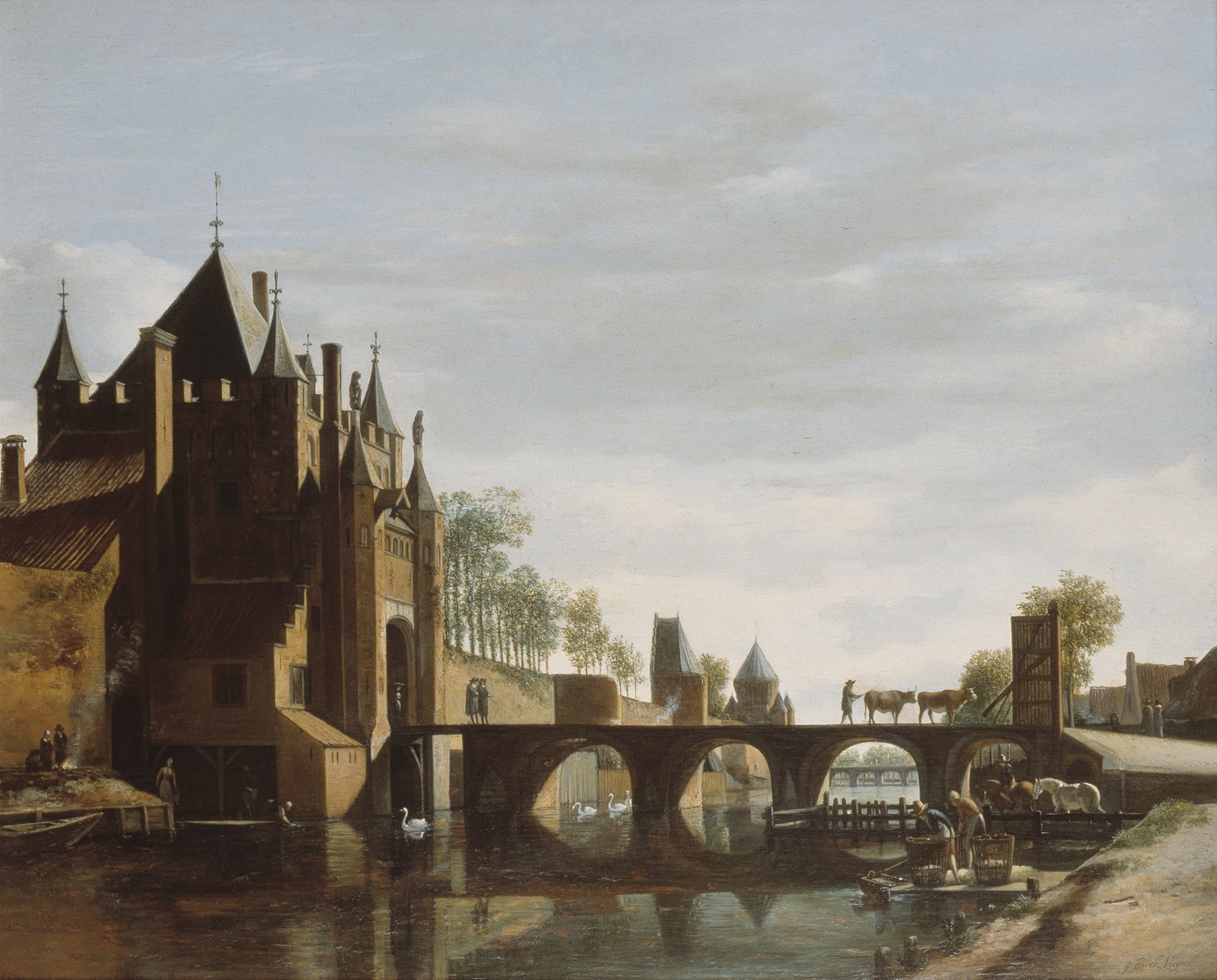
De Waag (Weighing House) and Crane on the Spaarne, Haarlem — History & Analysis
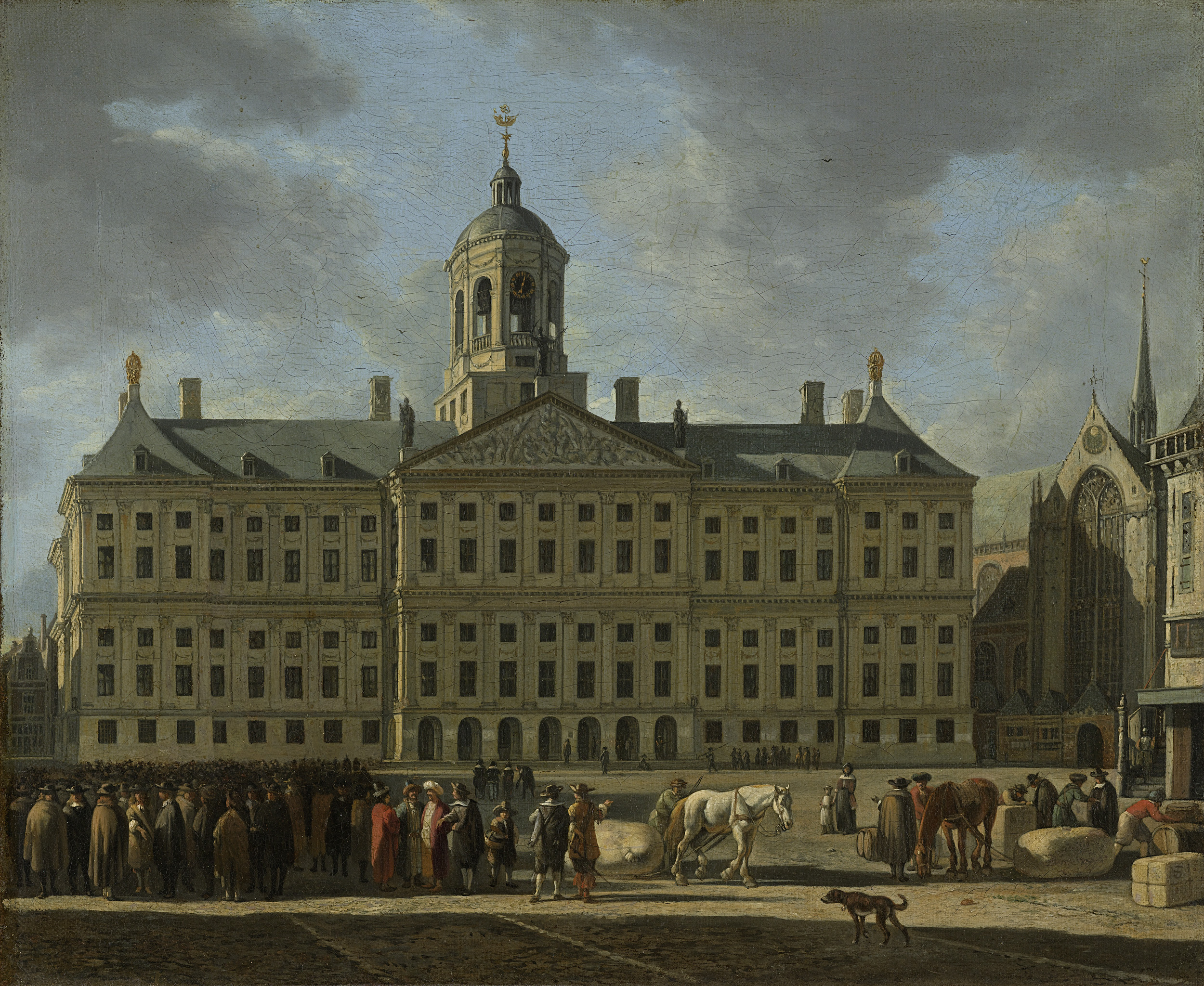
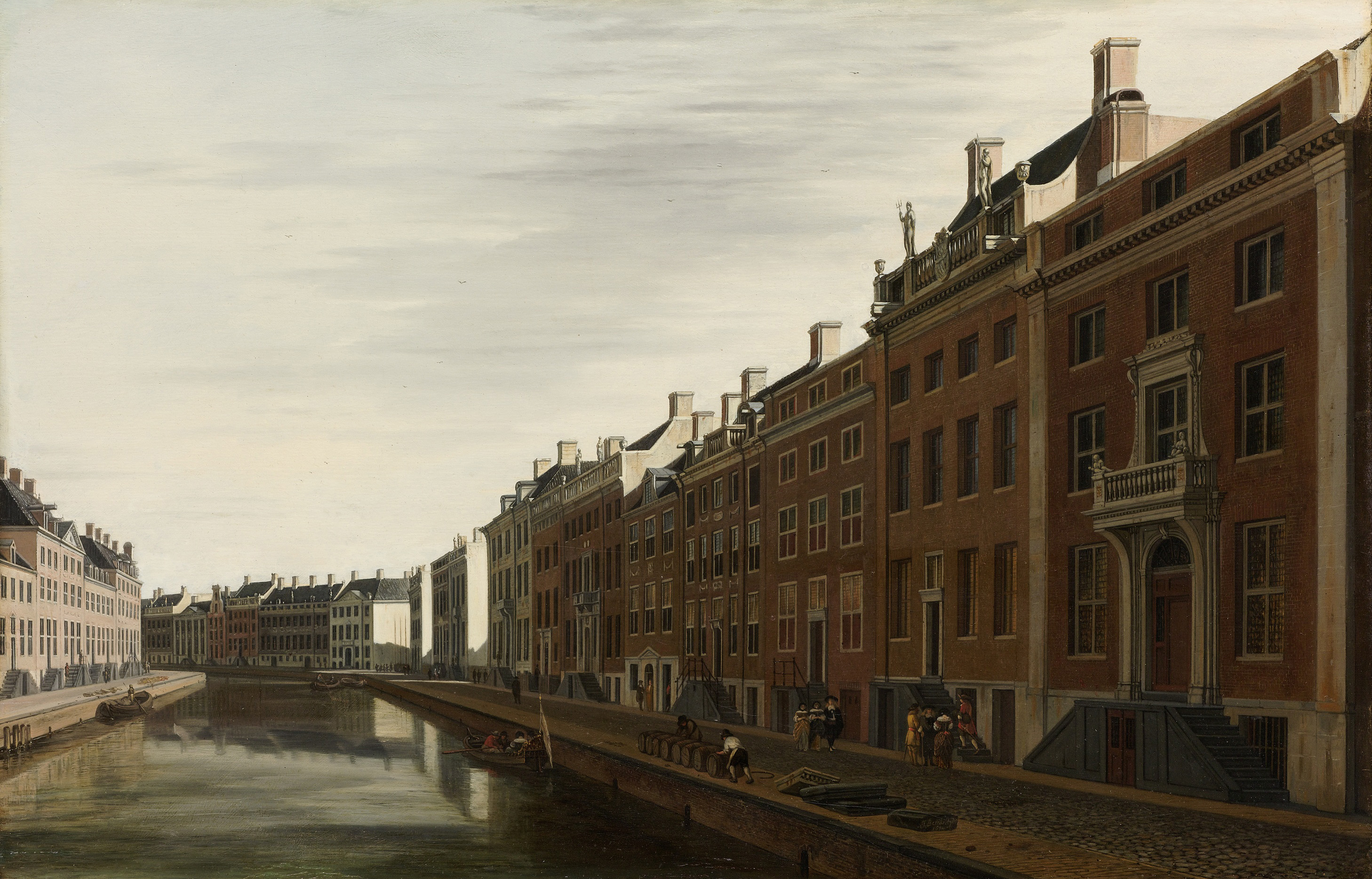
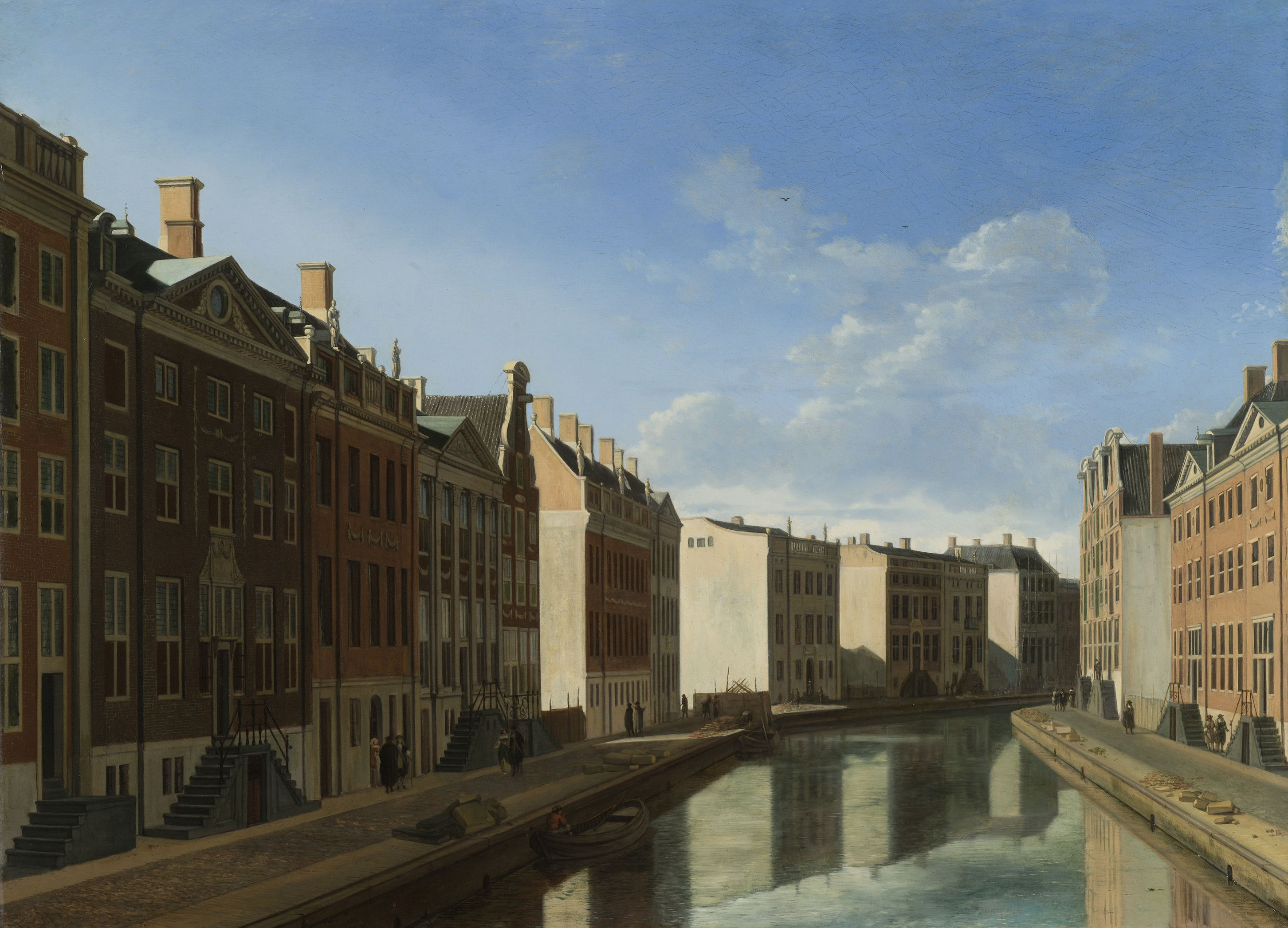
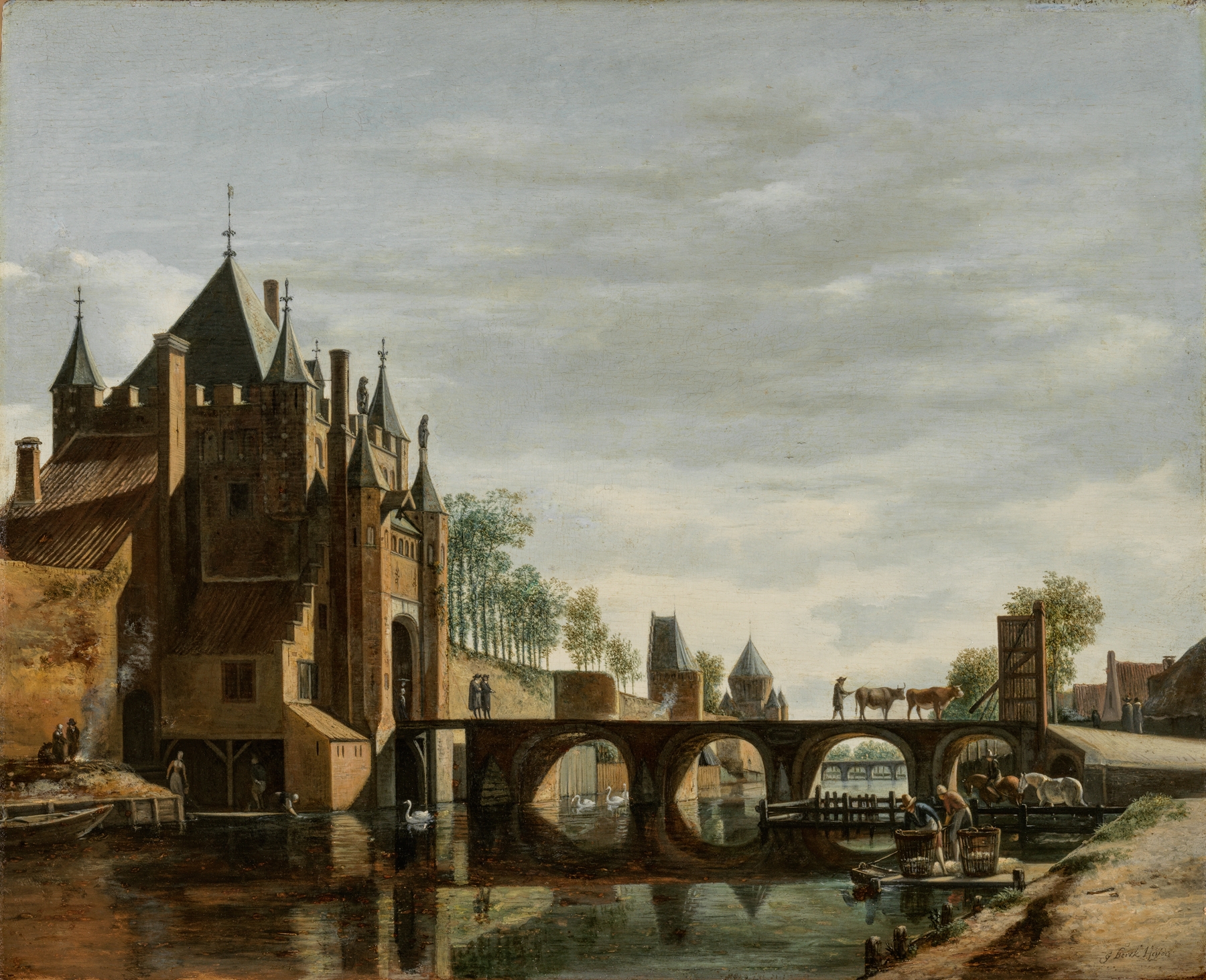
What if beauty was never meant to be finished? Within the delicate layers of time, the fleeting essence of life unfurls itself in ways both eternal and ephemeral, illuminating the fragility of existence. Focus on the soft, golden light that bathes the historic buildings in the foreground, drawing your eye first to the elegantly rendered De Waag with its intricate gables and dignified presence. Notice how the artist captures the essence of a bustling Haarlem, the flowing Spaarne River mirroring the tranquility of the sky above.
The muted palette speaks of a serene afternoon, inviting contemplation and suggesting the passage of time as the waterway reflects both structure and solitude. Hidden in the gentle ripples of the river is a narrative of commerce and connection, revealing a city thriving yet vulnerable. The crane, standing resolute yet poised to lift, embodies the duality of labor and artistry—strength intertwined with the delicate beauty of daily life.
Each brushstroke emphasizes not only architectural precision but also the human stories woven into the fabric of this urban landscape, hinting at ambitions and the fragility of hopes tethered to industry. Gerrit Berckheyde painted this scene in Haarlem between 1660 and 1698, during a time when the Dutch Golden Age flourished, marked by a heightened appreciation for realism and meticulous detail. This period in his life reflected both personal and artistic successes, as he became celebrated for his cityscapes and ability to capture the interplay of light, shadow, and human activity, resonating with the spirit of an era defined by exploration and prosperity.