De grote houtpoort te Haarlem — History & Analysis
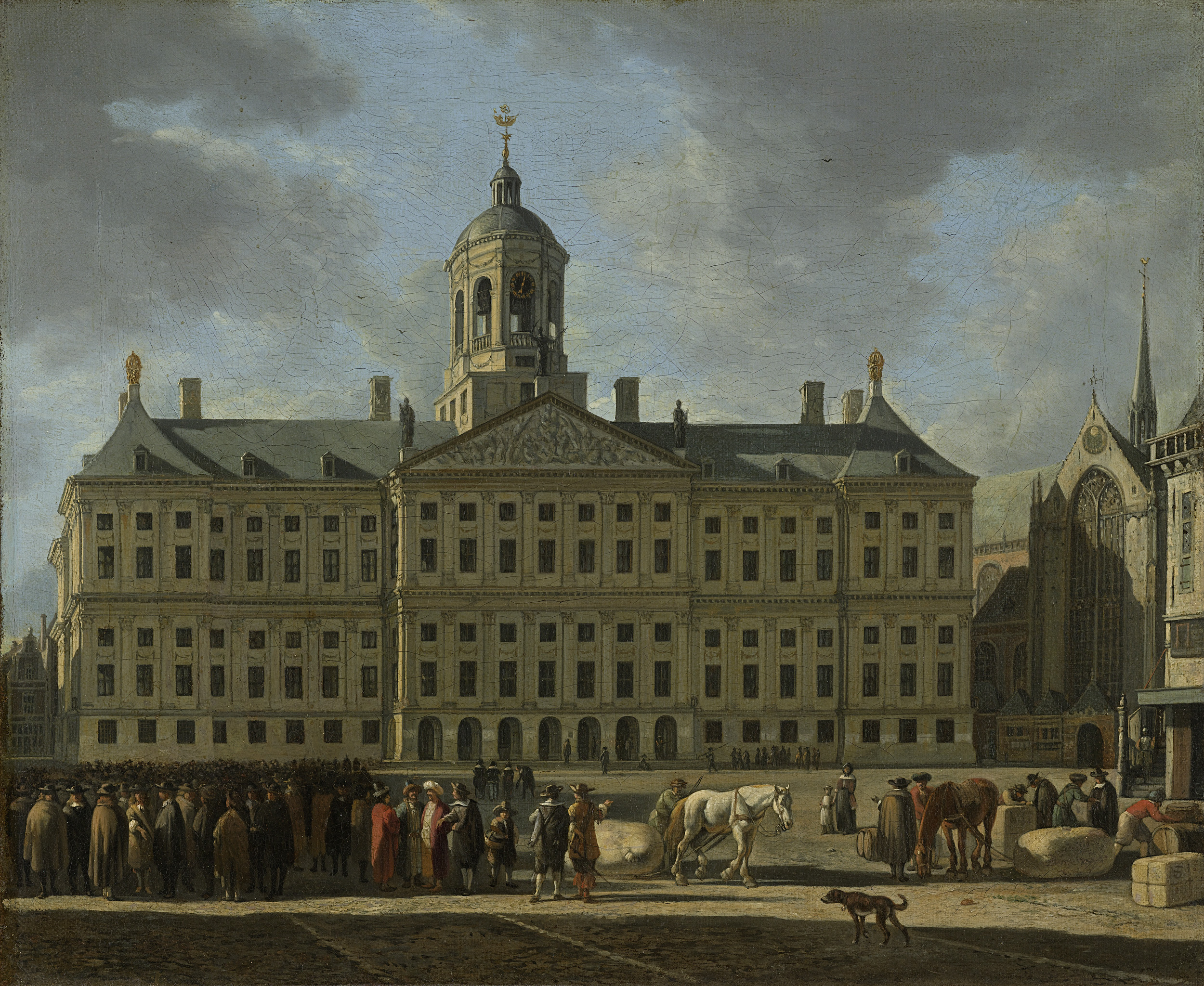
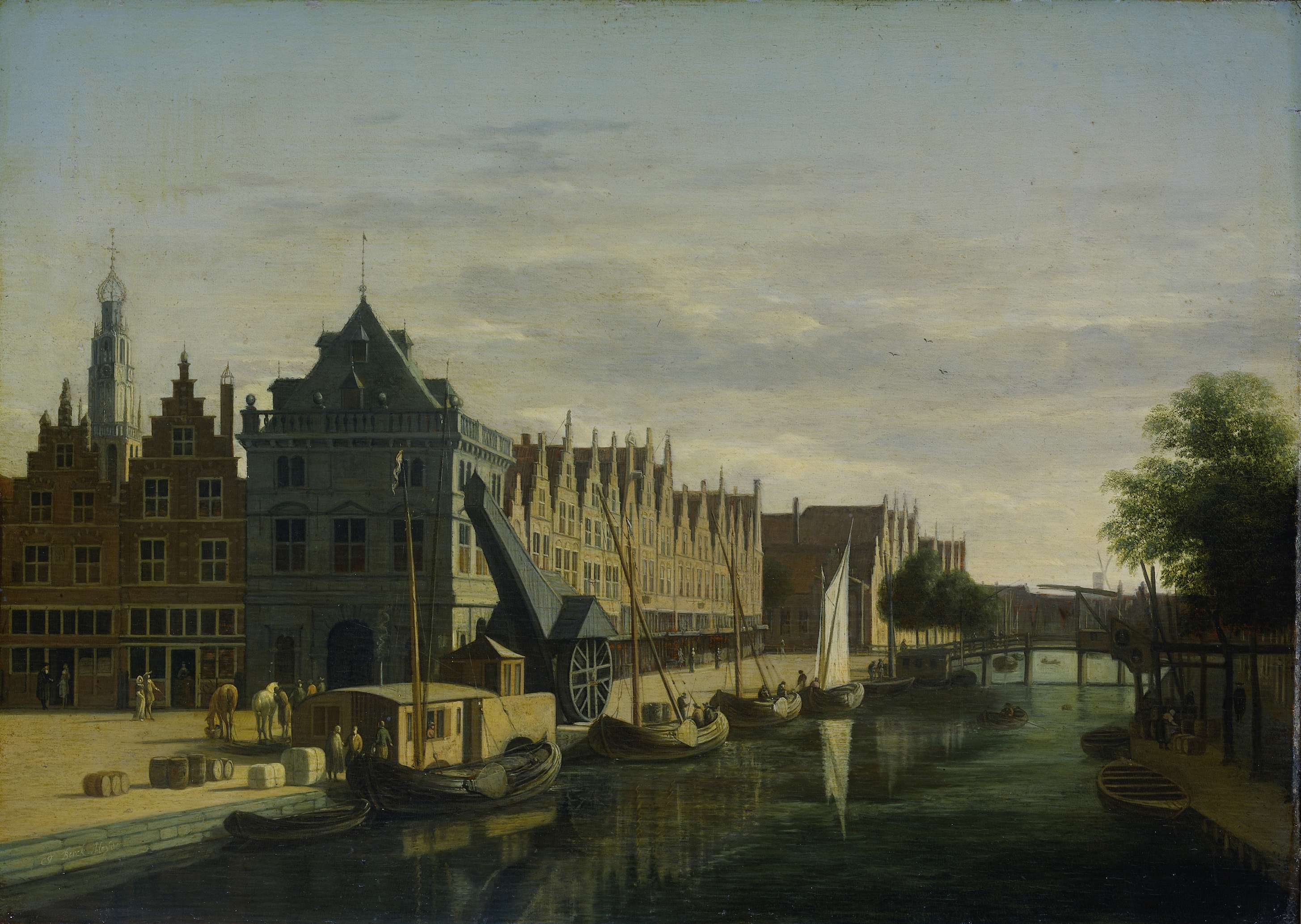
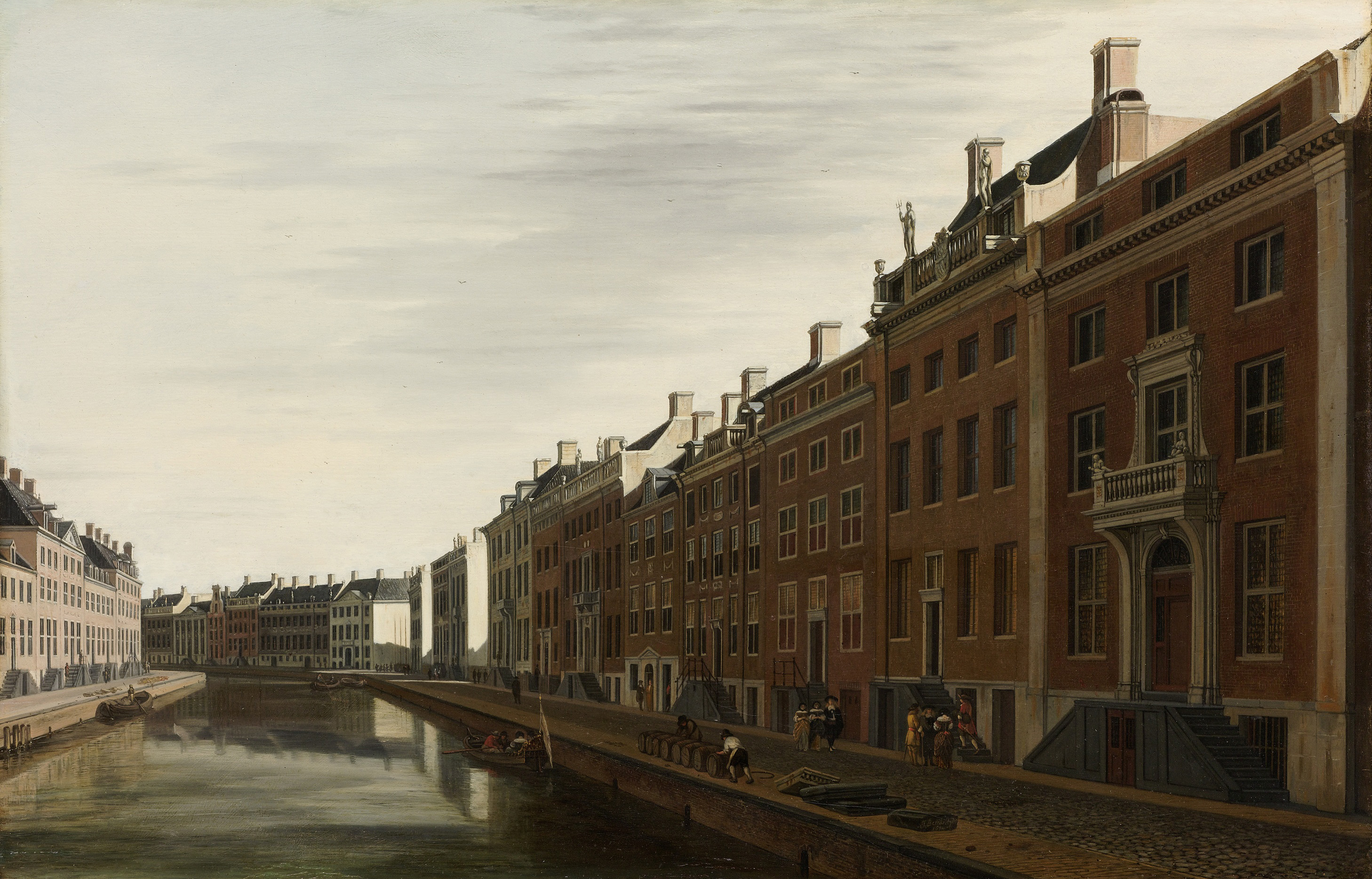
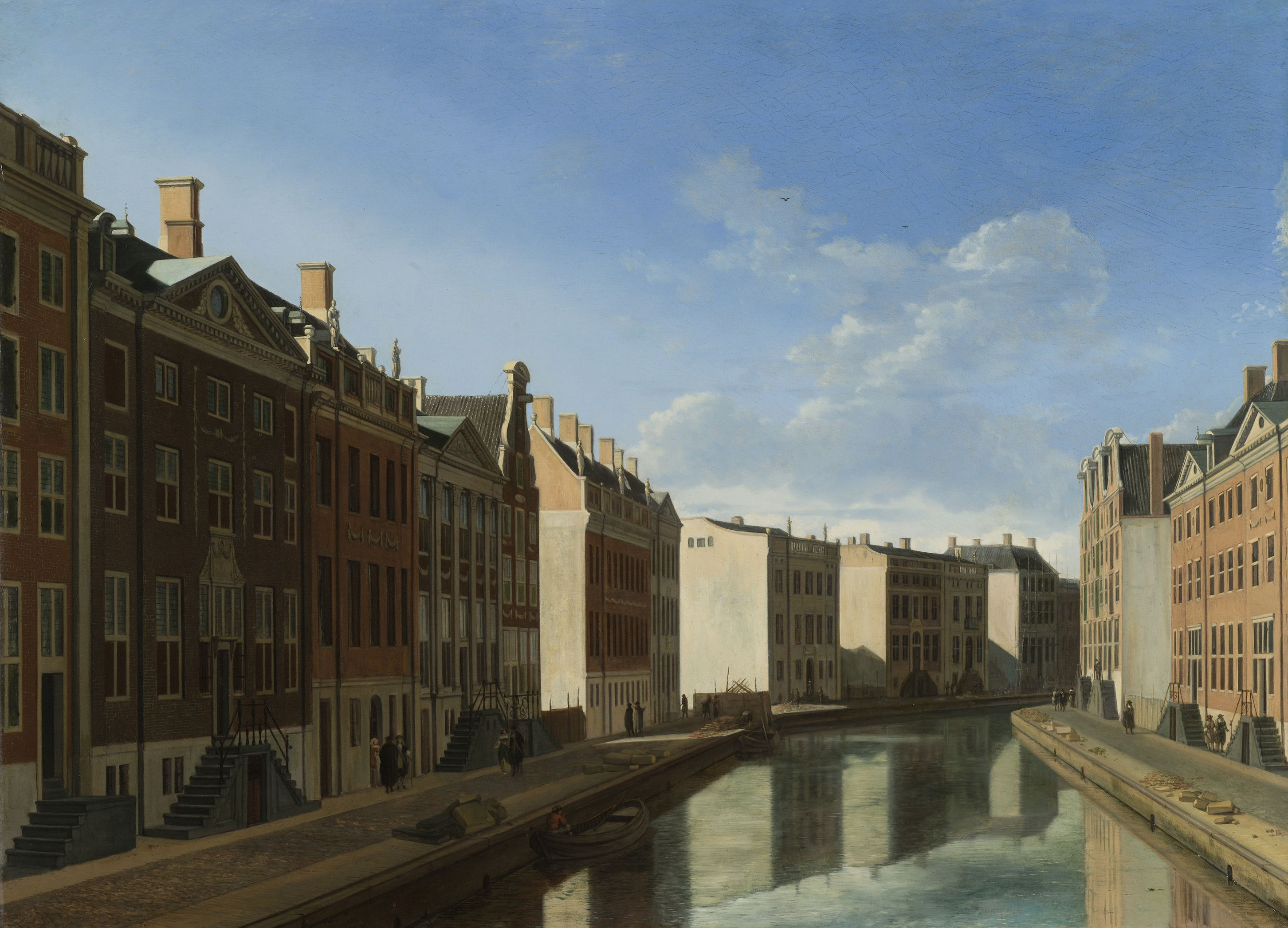
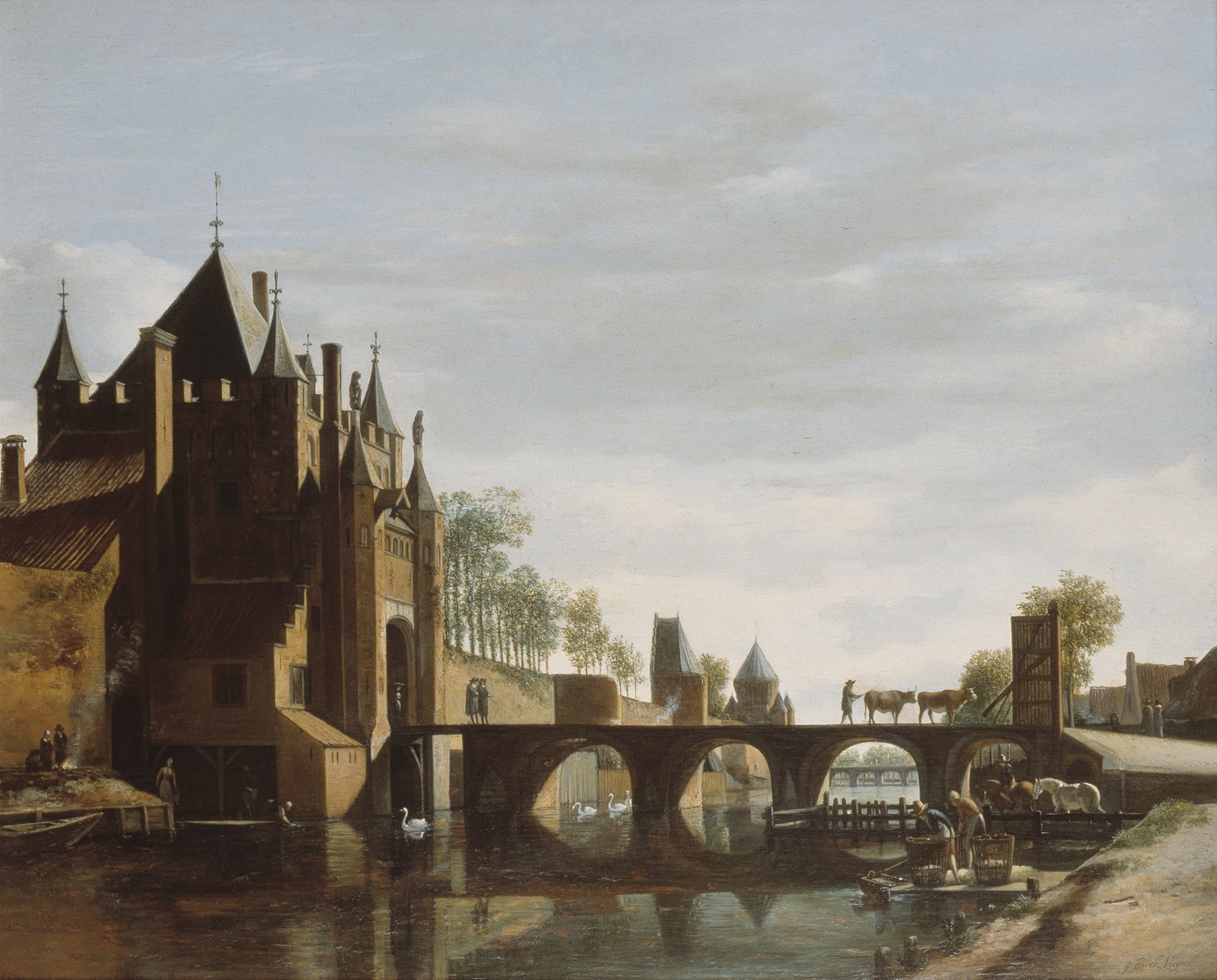
Can beauty exist without sorrow? The answer lingers in the elegant silence of an open wooden gate, inviting yet foreboding. Look to the left, where the towering structure of the gate looms, its wood grained and weathered, whispering stories of countless passersby. The architectural precision is captivating, with light cascading softly over its surface, revealing the intricate details crafted by the artist's steady hand.
The gentle hues of earth and sky blend seamlessly, breathing life into the scene and drawing the viewer’s gaze deeper into the composition. Hidden beneath the surface, the juxtaposition of the gate's welcoming embrace and its implicit separation offers an emotional tension. The surrounding landscape, lush yet restrained, embodies innocence caught in the ebb and flow of time—an invitation to explore, tempered by the awareness of boundaries. Shadows flicker at the threshold, hinting at the lives lived beneath its arch, a reminder of the delicate dance between opportunity and restraint.
Gerrit Berckheyde painted this piece in the late 17th century, a period marked by burgeoning Baroque artistry in the Netherlands. Living in Haarlem, Berckheyde was immersed in a world where urban life flourished amidst the remnants of religious and social upheaval. His works often reflect a keen observation of everyday life, capturing both the beauty and the fragility of existence.